Workout Efficiency Calculator
How Effective Is Your Workout?
Calculate your workout efficiency score based on your goals, intensity, and actual work time.
Your Efficiency Score
How many times have you walked into the gym, clocked an hour, and left feeling like you did everything right… but still not seeing changes? You’re not alone. The question is 1 hour gym enough isn’t just about time-it’s about what you do in that hour. For most people, the answer isn’t a simple yes or no. It depends on your goals, your intensity, and how you structure your sessions.
What Does 1 Hour Actually Look Like?
A typical 60-minute gym session might include 10 minutes of warm-up, 40 minutes of lifting or cardio, and 10 minutes of stretching. Sounds efficient, right? But here’s the catch: if half of that time is spent scrolling through your phone between sets, waiting for a machine, or chatting with a friend, you’re not getting 60 minutes of work-you’re getting maybe 30.
Real progress happens when you’re moving with purpose. A study from the American College of Sports Medicine found that people who trained with high intensity for 45-60 minutes, three to five times a week, saw significant improvements in strength and body composition. That doesn’t mean you need to grind for two hours. It means you need to make every minute count.
What Are You Trying to Achieve?
Your goals change everything. If you’re trying to lose weight, build muscle, or just stay active, your ideal workout length varies.
- Weight loss: You need a calorie deficit. One hour of steady-state cardio (like jogging or cycling) burns roughly 400-600 calories, depending on your weight. But if you pair that with strength training, you’ll burn more calories over time because muscle boosts your resting metabolism. A 60-minute session combining both can be very effective.
- Muscle growth: Research shows that muscle protein synthesis peaks within 60-90 minutes after a workout. But that doesn’t mean you need to train for 90 minutes. Most people build muscle just fine with 45-60 minutes of focused lifting. The key is progressive overload-not marathon sessions. If you’re doing three sets of eight reps on compound lifts like squats, deadlifts, and bench presses, with 60-90 seconds rest, you’re in the sweet spot.
- General fitness: If your goal is just to feel stronger, sleep better, and reduce stress, then 60 minutes three times a week is more than enough. Consistency beats duration every time.
Why More Than an Hour Isn’t Always Better
Some people think longer = better. That’s a myth. After 60-75 minutes of intense training, cortisol levels start to rise. Cortisol is a stress hormone that, in excess, can break down muscle, increase fat storage, and leave you feeling drained. This is especially true if you’re not eating enough or sleeping well.
Think of it like this: you wouldn’t run a 10K every day to train for a 5K. You’d train smart. The same goes for lifting. One hour of focused, high-quality work is far more sustainable-and more effective-than two hours of half-hearted effort.

What You Should Do in 60 Minutes
Here’s a real-world structure that works for most people:
- 5-10 minutes warm-up: Light cardio (treadmill, rower, jump rope) and dynamic stretches (leg swings, arm circles, hip openers).
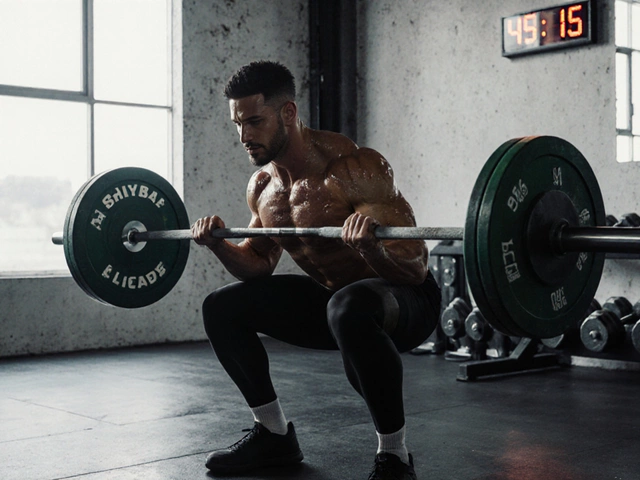
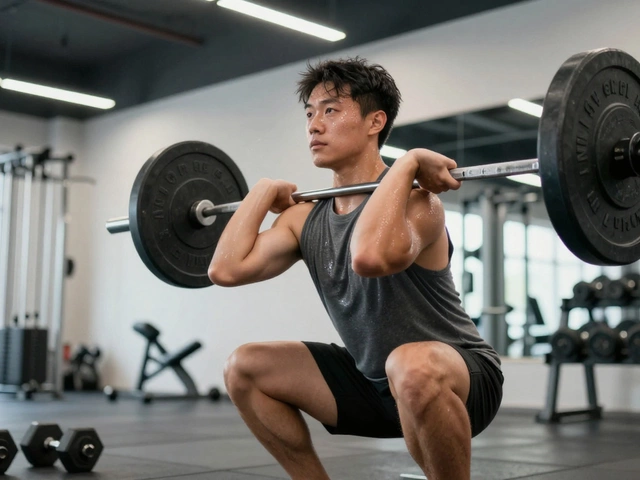
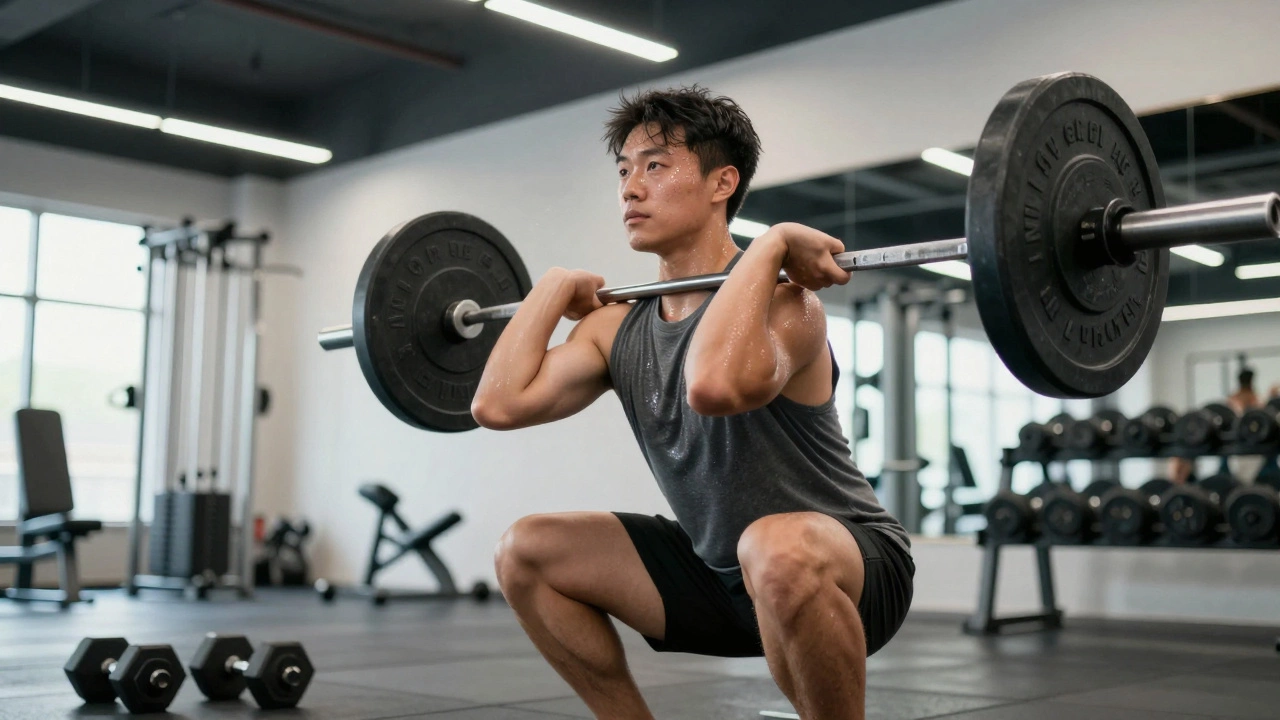
- 40-45 minutes strength or conditioning: Focus on compound movements. For example: squats, push-ups, rows, deadlifts, overhead presses. Do 3-4 sets of 6-12 reps per exercise. Keep rest periods under 90 seconds.
- 5-10 minutes core and mobility: Planks, Russian twists, bird-dogs, and a quick foam roll.
This routine hits all the bases without dragging on. No fluff. No filler. Just movement that builds strength and burns fat.
What’s Missing in a 1-Hour Gym Session?
Here’s the truth: your gym session is only one part of the puzzle. Nutrition, sleep, and daily movement matter just as much.
If you’re working out for an hour but eating junk food, sleeping five hours a night, and sitting at a desk for eight more, you’re fighting an uphill battle. You can’t out-train a bad lifestyle.
People who see real changes don’t just show up at the gym. They eat protein with every meal, get seven to eight hours of sleep, walk 8,000 steps a day, and manage stress. The gym is the spark-not the whole fire.

Can You Get Results with Less Than an Hour?
Yes. And more people should try it.
High-Intensity Interval Training (HIIT) can deliver similar or better results in 30 minutes. A 2024 meta-analysis in the Journal of Strength and Conditioning Research found that 20-30 minutes of HIIT, done three times a week, led to the same fat loss and muscle retention as 60 minutes of steady cardio.
Try this: 10 minutes of warm-up, then 20 minutes of circuit training-burpees, kettlebell swings, pull-ups, and mountain climbers, each for 45 seconds with 15 seconds rest. Repeat three rounds. Then stretch. Done in 45 minutes. No machines. No waiting. Just pure output.
When 1 Hour Isn’t Enough
There are exceptions. If you’re training for a competition-like a bodybuilding show, powerlifting meet, or marathon-you’ll need more volume. Elite athletes often train 90-120 minutes a day, split into multiple sessions. But that’s not the norm. Most people aren’t trying to win a trophy. They’re trying to feel better, look better, and have more energy.
If you’re a beginner and you’re spending an hour every day, you’re risking burnout. Start with three days a week. Focus on form. Build consistency. Then, and only then, increase volume.
Final Answer: Is 1 Hour Gym Enough?
For 90% of people, yes. One hour at the gym is more than enough-if you use it right. It’s not about the clock. It’s about the effort. Are you pushing yourself? Are you tracking progress? Are you recovering? Are you eating and sleeping well?
Stop chasing time. Start chasing intensity. One focused hour, three to five times a week, will change your body more than three unfocused hours. You don’t need to be at the gym for hours to get results. You just need to show up, work hard, and stay consistent.
Is 1 hour at the gym enough to lose weight?
Yes, if you combine strength training with cardio and manage your diet. One hour of high-effort training can burn 500+ calories. But weight loss happens when you create a calorie deficit over time. Without proper nutrition, even two hours at the gym won’t help. Focus on protein, sleep, and daily movement-not just gym time.
Can I build muscle with only 1 hour of lifting per day?
Absolutely. Most people see muscle growth with 45-60 minutes of focused lifting, three to four times a week. The key is progressive overload: gradually increasing weight, reps, or sets over time. You don’t need to lift for hours. You need to lift smart. Compound lifts like squats, deadlifts, and bench presses done with good form and intensity are all you need.
What if I only have 30 minutes to work out?
Thirty minutes is still plenty if you make it count. Use a circuit format: pick five compound exercises (like push-ups, rows, squats, lunges, and planks), do each for 45 seconds with 15 seconds rest, and repeat the circuit twice. Add a short cardio burst at the end. This approach burns fat, builds strength, and fits into even the busiest schedules.
Is it better to workout longer or more frequently?
More frequent is usually better than longer. Three 60-minute sessions a week is better than one 3-hour session. Your body needs recovery time. Training too hard or too long in one go increases injury risk and doesn’t improve results. Spreading out your effort lets your muscles repair and grow stronger between sessions.
Why do I feel exhausted after an hour at the gym?
If you’re constantly drained after an hour, you might be training too hard without enough recovery. Check your sleep, nutrition, and stress levels. Are you eating enough protein? Getting 7+ hours of sleep? Drinking enough water? If not, your body can’t recover. Also, make sure you’re not skipping warm-ups or cool-downs. Poor form or overtraining can make even short workouts feel exhausting.
You might like