Daily Health Habit Tracker
Track your progress on the 7 simple physical health tips from the article. Check off each habit as you complete it for the day.
Move more, sit less
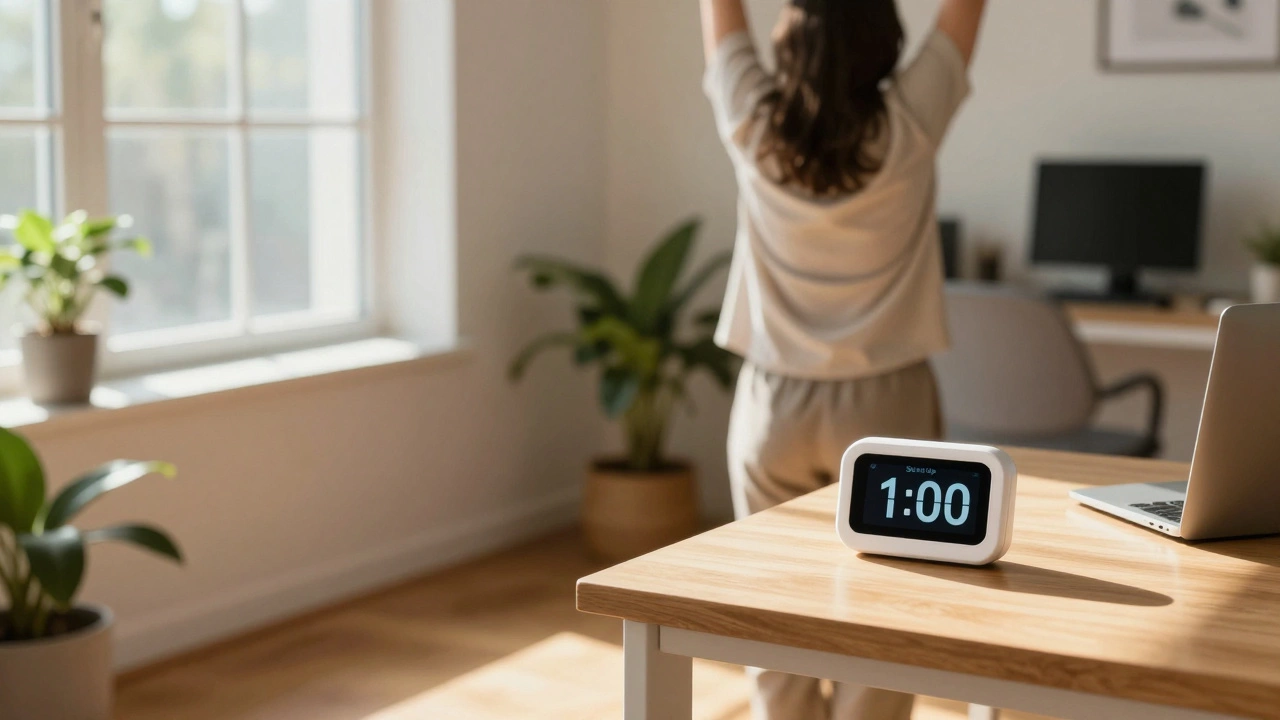
Get up and move for 60 seconds every hour
Drink water before coffee
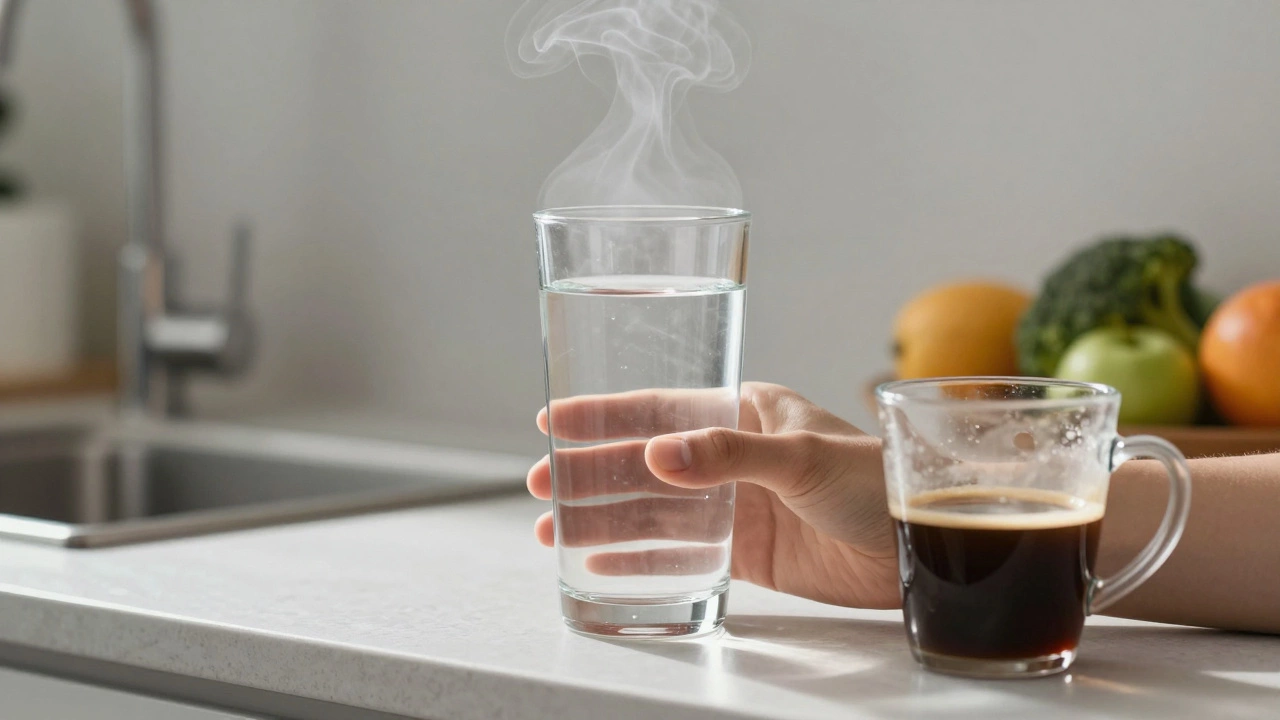
Drink a full glass of water before morning coffee
Sleep like your life depends on it
Stop screen use 90 minutes before bed
Strength training isn’t just for bodybuilders
Do 15 minutes of bodyweight exercises 3x/week
Eat food, not labels
Make half your plate vegetables at meals
Manage stress like you manage your phone battery
Practice 60-second breathing technique
Connect — not just online
Make one genuine human connection daily
Your Daily Health Status
Good physical health isn’t about extreme workouts or strict diets. It’s about showing up for your body every day with small, smart choices. You don’t need a gym membership or a personal trainer to feel stronger, sleep better, and have more energy. Here are seven real, doable tips that actually work for most people - no gimmicks, no fads.
Move more, sit less
Your body wasn’t designed to sit for eight hours straight. Studies show that sitting for long periods increases your risk of heart disease, even if you exercise afterward. You don’t need to run a marathon. Just get up every hour. Walk to the kitchen. Stretch by the window. Take the stairs. A 2024 study from the American Journal of Preventive Medicine found that people who broke up long sitting periods with just 2-3 minutes of walking every hour had 27% lower blood sugar spikes and better circulation. Start small: set a timer on your phone. When it goes off, stand up and move for 60 seconds. Do this five times a day, and you’ve added 30 minutes of movement without even trying.
Drink water before coffee
Most people reach for coffee the moment they wake up. But if you’re dehydrated, your brain thinks it’s tired. Dehydration can mimic fatigue, headaches, and even low mood. Try this: drink a full glass of water (about 16 oz) before your morning coffee. Do it for a week. You’ll likely notice you need less caffeine, your focus improves, and you feel less bloated. The National Academies of Sciences, Engineering, and Medicine recommends about 3.7 liters of water daily for men and 2.7 liters for women - but most of that comes from food. If you’re eating fruits, veggies, and soups, you’re already getting half. The key is topping it off with water first thing.
Sleep like your life depends on it - because it does
Sleep isn’t downtime. It’s repair time. Your body heals muscles, balances hormones, and clears brain waste while you sleep. The CDC says adults need 7-9 hours. But quality matters more than quantity. If you’re tossing and turning, try this: stop using screens 90 minutes before bed. Not 30. Not 60. 90. Blue light from phones and laptops blocks melatonin, the hormone that tells your brain it’s time to sleep. Replace scrolling with reading a physical book, journaling, or listening to calm music. A 2023 sleep study from the University of California found that people who stopped screen use 90 minutes before bed fell asleep 22 minutes faster and reported 30% better sleep quality. You don’t need to go to bed at 9 p.m. Just give your brain a real wind-down.
Strength training isn’t just for bodybuilders
As you age, muscle loss accelerates. By 50, most people lose about 1% of their muscle mass each year. That’s not just about looking weak - it’s about staying independent. Losing muscle means losing balance, increasing fall risk, and struggling with daily tasks like carrying groceries or getting up from a chair. You don’t need weights. Start with bodyweight exercises: squats, push-ups against the wall, step-ups on a stair. Do three sets of 10, three times a week. That’s 15 minutes. A 2025 meta-analysis in the British Journal of Sports Medicine showed that even light resistance training twice a week improved mobility, reduced joint pain, and lowered risk of chronic disease in people over 40. You’re not trying to get big. You’re trying to stay strong enough to live your life.
Eat food, not labels
Forget counting calories or cutting carbs. Focus on real food. That means vegetables, fruits, beans, eggs, lean meats, nuts, and whole grains. If it comes in a box with a long ingredient list you can’t pronounce, it’s probably not helping. A 2024 Harvard study tracked 120,000 people over 15 years and found that those who ate mostly whole foods had 40% lower risk of heart disease and type 2 diabetes - even if they occasionally ate processed snacks. You don’t have to go vegan or keto. Just make half your plate vegetables at lunch and dinner. Add a piece of fruit to your breakfast. Swap soda for sparkling water. Small shifts add up. Your gut microbiome thrives on diversity. The more different plants you eat, the healthier your digestion, immunity, and mood.

Manage stress like you manage your phone battery
Chronic stress floods your body with cortisol, which raises blood pressure, weakens immunity, and makes you crave sugar. You can’t eliminate stress, but you can interrupt it. Try this: when you feel overwhelmed, pause for 60 seconds. Breathe in for four counts, hold for four, breathe out for four, hold for four. Repeat three times. That’s it. No apps. No meditation cushions. Just breathing. A 2023 Johns Hopkins study found that people who practiced this simple box breathing twice a day lowered their resting heart rate by 8 beats per minute within two weeks. It’s not magic. It’s biology. Your nervous system responds to rhythm. You’re rewiring your stress response one breath at a time.
Connect - not just online
Loneliness isn’t just a feeling. It’s a health risk. A 2025 study in The Lancet found that chronic loneliness increases the risk of early death as much as smoking 15 cigarettes a day. Social connection isn’t about having 500 Facebook friends. It’s about having a few people you can call at 2 a.m. when something’s wrong. Make one human connection a day. Call a friend. Chat with the barista. Walk with a neighbor. Ask someone how their day went - and really listen. Even brief, genuine interactions lower cortisol and boost oxytocin, the bonding hormone. You don’t need deep conversations every day. A smile, a nod, a shared laugh - those count too.
Good physical health isn’t a destination. It’s a daily habit stack. You don’t need to do all seven at once. Pick one. Master it. Then add another. In six months, you won’t recognize how much better you feel.
Can I improve physical health without going to the gym?
Absolutely. Most health improvements come from daily movement, better sleep, hydration, and eating whole foods - not gym workouts. Walking, stretching, bodyweight exercises, and taking the stairs all count. A 2024 study in the Journal of the American Heart Association found that people who walked 7,000 steps a day had 50% lower risk of early death than those who walked fewer than 4,000. You don’t need equipment. You just need consistency.
How much water should I really drink each day?
There’s no one-size-fits-all number. The National Academies recommend about 3.7 liters for men and 2.7 liters for women, but most of that comes from food. If you’re eating plenty of fruits, vegetables, and soups, you’re already getting 20-30% of your needs. The key is to drink water before you feel thirsty. Start your day with a glass, drink before meals, and keep a bottle nearby. Urine color is a good guide: pale yellow means you’re hydrated. Dark yellow? Drink more.
Is sleep really that important for physical health?
Yes. During deep sleep, your body repairs tissues, balances hormones like insulin and cortisol, and clears toxins from your brain. Chronic sleep deprivation is linked to obesity, diabetes, heart disease, and weakened immunity. The CDC says adults need 7-9 hours. But quality matters more than quantity. If you’re sleeping 8 hours but waking up tired, your sleep may be disrupted by stress, caffeine, or screen use before bed. Fix those first.
Do I need to eat less sugar to be healthy?
You don’t need to cut sugar completely, but you should reduce added sugars. The American Heart Association recommends no more than 36 grams (9 teaspoons) per day for men and 25 grams (6 teaspoons) for women. That’s about one soda. Most added sugar comes from packaged foods - sauces, bread, yogurt, snacks. Read labels. If sugar is one of the first three ingredients, it’s probably too much. Swap sugary drinks for sparkling water with lemon. Choose fruit instead of cookies. Small swaps make a big difference over time.
Can stress really cause physical health problems?
Yes. Chronic stress keeps your body in fight-or-flight mode. That raises blood pressure, suppresses your immune system, and increases belly fat. It can lead to digestive issues, headaches, insomnia, and even heart disease. The good news? You can interrupt it. Simple breathing techniques, short walks, and talking to a friend can reset your nervous system. You don’t need to eliminate stress - just manage how you respond to it.
You might like