Boxing Punch Volume Estimator
Fight Parameters
Projected Statistics
Configure the parameters and click "Estimate Fight Stats" to see projected punch volumes.
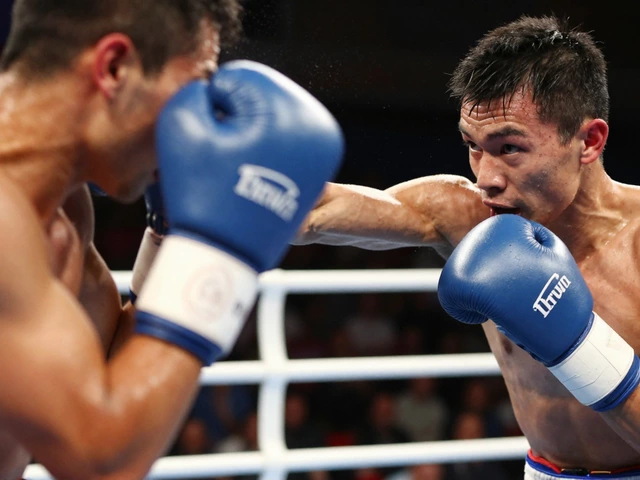
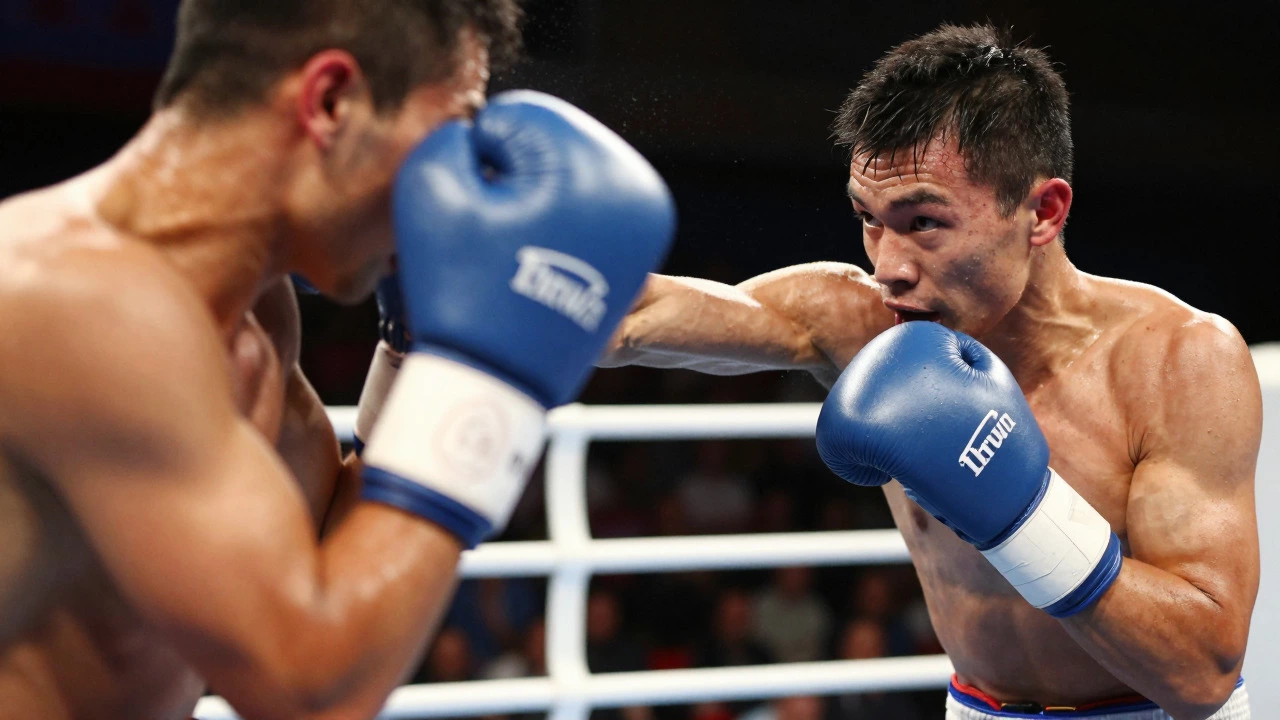
There is no single number that answers "how many punches are in boxing." If you are looking for a fixed limit, like the number of holes in golf or innings in baseball, you will be disappointed. In professional boxing, there is no cap on how many times a fighter can throw their gloves. You could theoretically throw one punch per round for twelve rounds, or you could unleash a hundred in the first minute. The real answer depends entirely on who is fighting, what weight class they are in, and whether they are competing under professional or amateur rules.
However, if we look at data from actual fights, we can find some very clear averages. Most casual fans assume boxers are constantly swinging, but the reality is much more calculated. On average, a professional boxer throws between 30 and 50 punches per round. Over a standard twelve-round championship bout, this totals roughly 360 to 600 punches thrown by each fighter. But these numbers fluctuate wildly based on style and strategy.
The Difference Between Thrown and Landed Punches
Before diving into the specific counts, it is crucial to distinguish between punches thrown and punches landed. This distinction changes everything. When commentators say a fighter "threw 100 punches," it does not mean the opponent was hit 100 times. It means 100 attempts were made. The accuracy rate-the percentage of thrown punches that actually connect-is usually quite low.
In professional boxing, an accuracy rate of 40% to 50% is considered excellent. A typical fighter might have an accuracy rate closer to 20% to 30%. This means if a boxer throws 50 punches in a round, only about 10 to 15 might actually land on their opponent. Understanding this gap helps explain why fight statistics can sometimes feel misleading. A high volume of thrown punches does not always equate to damage dealt; it often reflects a specific tactical approach known as pressure boxing or volume punching.
Average Punch Counts by Weight Class
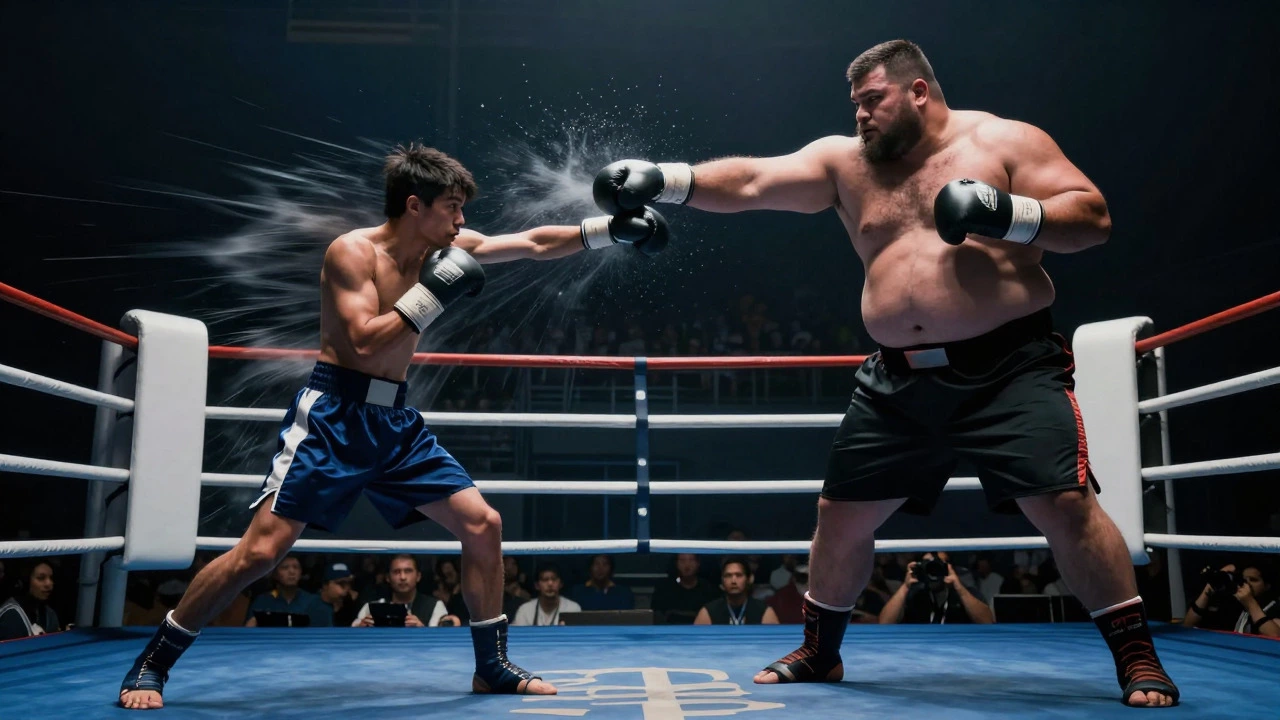
Weight class plays a massive role in punch frequency. Smaller fighters generally move faster and have shorter recovery times between combinations, leading to higher punch counts. Heavier fighters rely more on power and precision, resulting in fewer but more impactful strikes.
| Weight Class | Avg. Punches Thrown/Round | Typical Fighting Style |
|---|---|---|
| Lightweight (135 lbs) | 45 - 60 | High volume, rapid combinations |
| Welterweight (147 lbs) | 40 - 55 | Balanced offense and defense |
| Heavyweight (200+ lbs) | 25 - 40 | Power-focused, selective striking |
For example, a lightweight champion like Floyd Mayweather Jr. was known for his defensive mastery, often throwing fewer punches than his opponents but landing a higher percentage. Conversely, a slugger like Deontay Wilder might throw far fewer total punches, focusing instead on finding the one shot that ends the fight. In heavyweight bouts, it is common to see total round counts drop below 30 punches because the risk of counter-punching is so high. Fighters cannot afford to leave themselves open after every swing.
Amateur vs. Professional Boxing Rules
The structure of the match itself dictates the potential for punch volume. Amateur boxing and professional boxing operate under different frameworks that influence how many punches are thrown.
In amateur boxing, governed by organizations like AIBA (International Boxing Association), matches consist of three two-minute rounds. The scoring system rewards clean hits with headgear on, encouraging fighters to throw frequent, short combinations to accumulate points. Because the rounds are shorter and the goal is point accumulation rather than knockout, the pace is often frantic. An amateur boxer might throw 20-30 punches in a single two-minute round, which translates to a higher rate per minute than many professionals.
Professional boxing, regulated by bodies like the WBC, WBA, IBF, and WBO, uses three-minute rounds. Championship bouts last up to twelve rounds, while non-title fights typically last six or ten rounds. The longer rest periods between rounds (one minute) allow for strategic pacing. Professionals often conserve energy in early rounds, leading to lower initial punch counts that may increase or decrease depending on fatigue and strategy in later rounds.
Factors Influencing Punch Volume
Beyond weight class and rules, several other factors determine how many punches fly in a given bout.
- Fighting Style: Swarms and pressure fighters (like Sugar Ray Leonard) naturally throw more punches than out-boxers or counter-punchers (like Manny Pacquiao in his later years).
- Match Dynamics: If one fighter is dominating, they may increase their output to finish the fight. If a fighter is losing, they might retreat behind a guard, reducing both their own throws and the punches they receive.
- Referee Intervention: Frequent warnings for holding or hitting on the break can disrupt rhythm and reduce total punch counts.
- Fatigue: By round eight or nine, even elite athletes experience significant drop-offs in output. A fighter throwing 50 punches in round one might drop to 20 by round twelve.
How Punches Are Counted
You might wonder how these numbers are determined. In modern professional boxing, official scorers use electronic systems like PureGym or Stats Perform to track punches. These systems use sensors in the gloves or arena cameras to detect impacts. However, not all promotions use identical technology. Some rely on human statisticians watching monitors, which can lead to slight discrepancies.
It is important to note that "clean" punches are what matter for scoring. A punch that glances off the glove or misses entirely is still counted as "thrown" in most statistical models, but it does not score points. Only punches that land cleanly on legal targets (head and torso above the belt) are credited as "landed." This is why you will often see two sets of numbers in post-fight reports: Total Thrown and Total Landed.
Why Punch Count Matters (And Why It Doesn't)
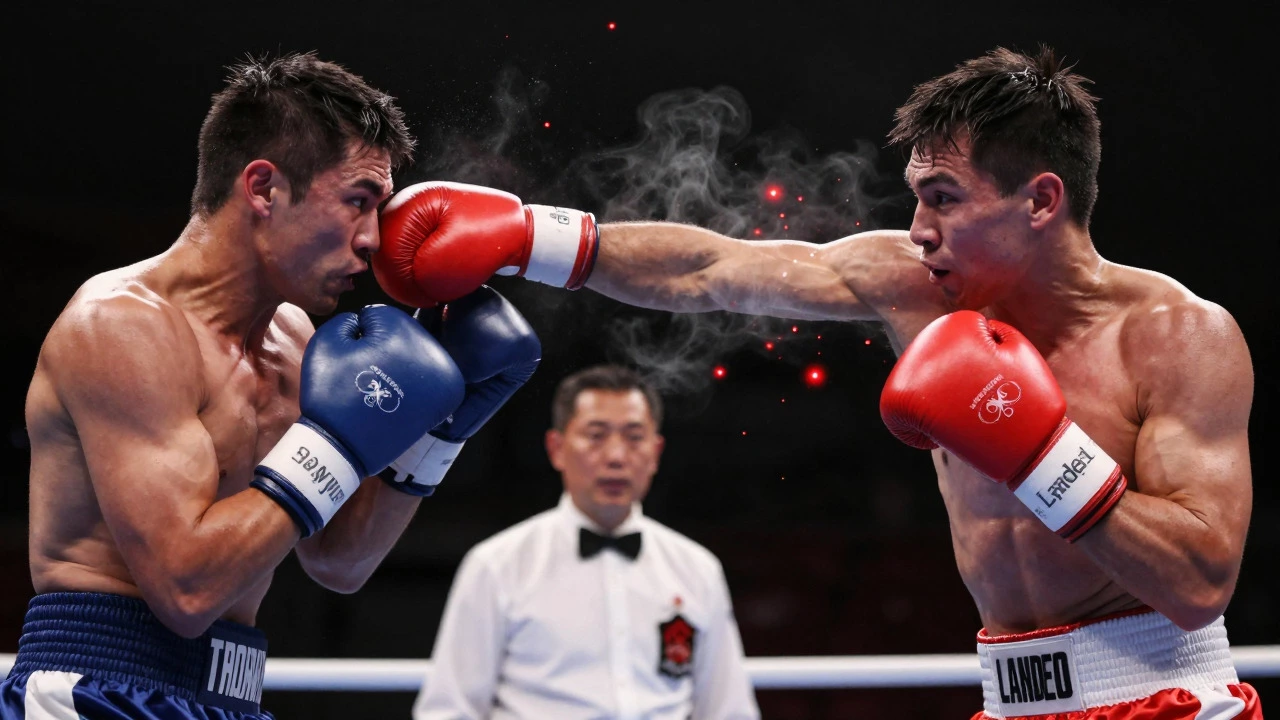
Fans often obsess over punch stats, but they can be deceptive. A fighter can win a decision with significantly fewer punches thrown if those punches are more accurate and damaging. Judges score based on effective aggression, ring generalship, and clean punching. Throwing 100 wild haymakers that miss is less valuable than throwing 10 precise jabs that control the distance.
Consider the famous fight between Mayweather and Pacquiao. While Pacquiao threw more punches overall, Mayweather's superior accuracy and defensive positioning allowed him to control the narrative and win the majority decision. The raw number of punches tells only part of the story. Context-where the punches landed, how they affected the opponent, and the strategy behind them-is far more important.
Conclusion on Boxing Punch Statistics
So, how many punches are in boxing? There is no set number. In a typical professional fight, expect each fighter to throw between 300 and 600 punches over twelve rounds, with heavyweights on the lower end and lightweights on the higher end. Amateur bouts see higher rates per minute due to shorter rounds and point-based scoring. Remember that thrown punches are just attempts; landed punches tell the real story of effectiveness. Whether you are analyzing a fight for betting purposes or just enjoying the sport, look beyond the total count to understand the skill, strategy, and impact behind each swing.
What is the average number of punches thrown in a boxing match?
On average, a professional boxer throws between 30 and 50 punches per round. Over a twelve-round championship fight, this amounts to approximately 360 to 600 punches thrown by each fighter. However, this varies significantly by weight class, with lighter weights throwing more and heavier weights throwing fewer.
Is there a limit to how many punches a boxer can throw?
No, there is no maximum limit on the number of punches a boxer can throw in professional or amateur boxing. Fighters can throw as many punches as they physically can until the bell rings or the referee stops the fight. The constraint is purely physical stamina and tactical strategy, not a rule-based cap.
Do amateur boxers throw more punches than professionals?
Amateur boxers often have a higher punch output per minute due to the scoring system, which rewards frequent clean hits. Amateur rounds are also shorter (two minutes vs. three minutes), leading to a more frantic pace. However, over the course of a full match, professionals may throw more total punches due to the longer duration of their bouts (up to 12 rounds).
How are punches counted in professional boxing?
Punches are typically counted using electronic tracking systems like PureGym or Stats Perform, which use sensors in gloves or arena cameras. Human statisticians may also review footage. The count includes all attempted punches (thrown) and distinguishes them from punches that make clean contact with legal targets (landed).
Which weight class throws the most punches?
Lighter weight classes, such as Lightweight (135 lbs) and Featherweight (126 lbs), generally throw the most punches. These fighters tend to have faster hand speed, better endurance, and styles that rely on high-volume combinations. Heavyweights, conversely, throw the fewest punches due to the emphasis on power and the greater risk of counter-punching.
You might like