Workout Timing Calorie Calculator
Calculate Your Workout Impact
Your Results
Fat Burn Comparison
Total Calories Burned
Personalized Recommendation
Want to burn more fat? You’ve probably heard that working out on an empty stomach is the secret. Skip breakfast, hop on the treadmill, and watch the pounds melt away. Sounds simple, right? But here’s the truth: it’s not that clear-cut. Whether fasting before exercise helps or hurts depends on what you’re trying to achieve, how hard you’re pushing, and your body’s unique response.
What happens when you exercise without eating?
When you haven’t eaten for several hours-like first thing in the morning-your body’s glycogen stores are low. Glycogen is the stored form of glucose, your muscles’ favorite fuel. With less glycogen available, your body turns to fat for energy. That’s the theory behind fasted cardio: burn fat while you sweat.
Studies show you do burn a higher percentage of fat during a fasted workout compared to a fed one. A 2013 study published in the British Journal of Nutrition found that men who exercised before breakfast burned about 20% more fat during their session than those who ate first. But here’s the catch: that doesn’t mean they lost more body fat over time.
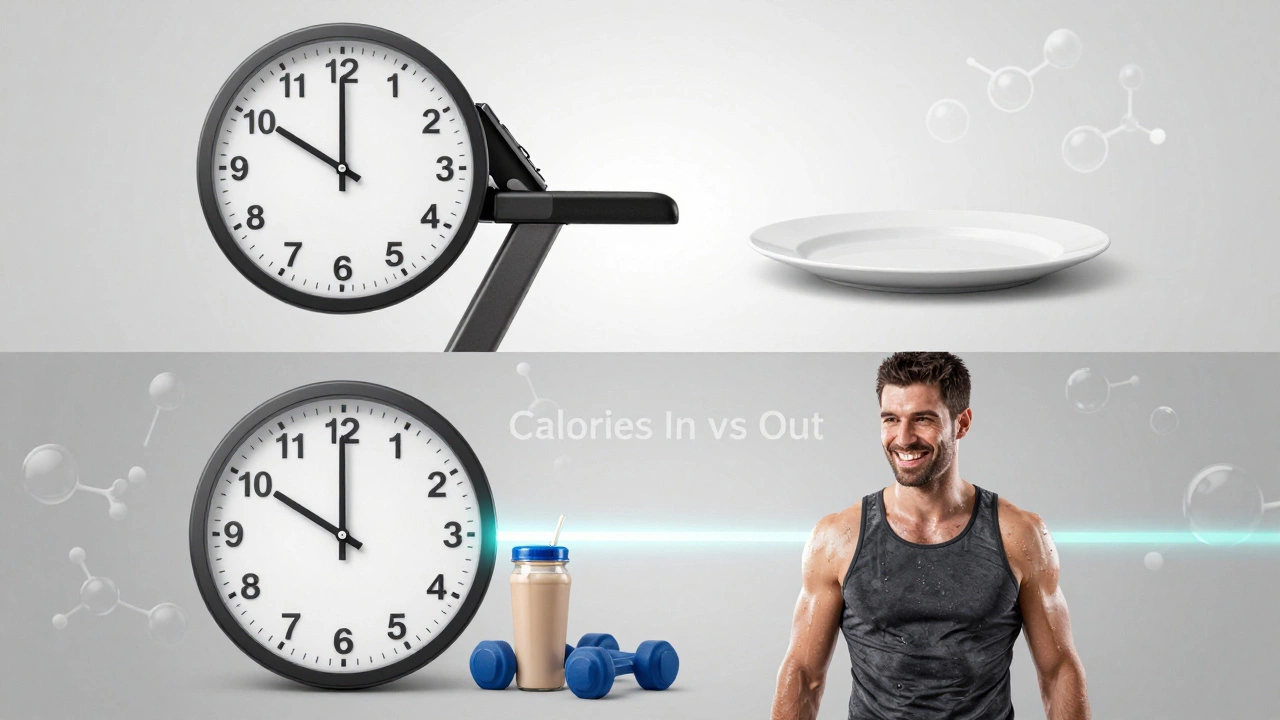
In a 12-week trial, both groups lost nearly the same amount of weight and body fat. The fasted group burned more fat during the workout. The fed group burned more total calories overall because they could train harder. In the end, calories in versus calories out still wins.
Who benefits from fasted workouts?
If your goal is light to moderate cardio-like a 30-minute walk, jog, or bike ride-then fasting might work fine. Your body can handle it. You might even feel lighter and more energized without a heavy meal sloshing around in your stomach.
But if you’re lifting heavy, doing HIIT, or training for endurance, eating beforehand gives you a real edge. A 2021 meta-analysis in the Journal of the International Society of Sports Nutrition found that athletes who ate before training improved strength gains by 12% on average and recovered faster than those who trained fasted. Why? Because protein and carbs fuel muscle repair and prevent muscle breakdown.
When you’re low on fuel, your body doesn’t just burn fat. It can start breaking down muscle tissue for energy. That’s not what you want if you’re trying to build or preserve lean muscle.
Does fasting help with weight loss?
Many people think fasted workouts are a magic trick for losing weight. But weight loss isn’t about what you burn in one session-it’s about your total daily energy balance. If you eat more later because you’re hungrier after a fasted workout, you cancel out the benefit.
One 2019 study from the University of Bath tracked 20 adults for four weeks. Half did fasted cardio; half did fed cardio. Both groups ate the same number of calories. The fasted group burned more fat during exercise, but the fed group ended up with better appetite control and slightly more fat loss over time. Why? Because they didn’t overeat afterward.
Also, if you’re consistently training fasted, your body might adapt by slowing your metabolism to conserve energy. That’s not helpful if you’re trying to lose weight long-term.
What about muscle gain?
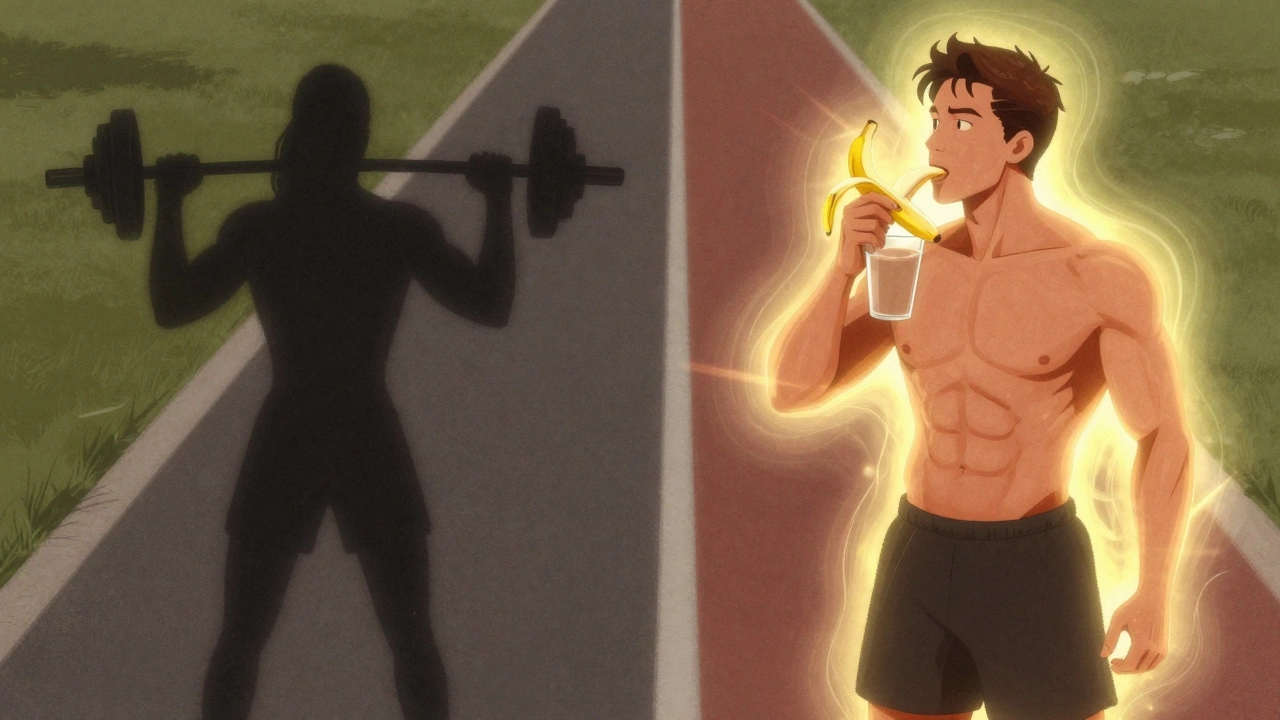
If you’re trying to build muscle, fasted workouts are risky. Resistance training puts stress on your muscles. To repair and grow them, you need amino acids-the building blocks of protein. When you train fasted, your body lacks those amino acids.
Research from the University of Texas shows that people who consumed 20-30 grams of protein before or after their workout gained 25% more muscle over 12 weeks compared to those who trained on an empty stomach. Even a small snack-like a banana with peanut butter or a hard-boiled egg-can make a difference.
Plus, fasted strength training increases cortisol levels. Cortisol is a stress hormone that, in excess, breaks down muscle and stores fat around your belly. It’s the opposite of what you want if you’re trying to get stronger.
When fasted workouts might actually hurt you
Not everyone handles fasting before exercise well. If you get dizzy, shaky, or nauseous when you train without food, your body is telling you something. Low blood sugar can lead to poor coordination, increased injury risk, and fatigue that cuts your workout short.
Women, especially, may be more sensitive to fasting. A 2020 study in the Journal of Clinical Endocrinology & Metabolism found that women who did fasted cardio had higher cortisol levels and worse hormonal balance than men in the same study. For some women, it disrupted menstrual cycles and increased cravings.
People with diabetes, low blood pressure, or a history of disordered eating should avoid fasted workouts entirely. It’s not worth the risk.
What should you do instead?
You don’t need to choose between fasted and fed. You can tailor your approach based on your goals and how you feel.
- If you’re doing light cardio (walking, cycling, yoga) in the morning and feel fine without food, go ahead. Stay hydrated and listen to your body.
- If you’re lifting weights, doing intervals, or training for more than 60 minutes, eat something 30-60 minutes before. A banana, a slice of toast with almond butter, or a small protein shake works.
- If you’re trying to lose fat, focus on your total daily calorie intake and protein intake-not whether you ate before your workout.
- If you’re trying to build muscle, always eat protein before or after your session.
There’s no universal rule. Your best workout is the one you can do consistently, with energy, and without feeling sick or drained.
Myth busting: Fasted cardio isn’t the fat-burning holy grail
Many fitness influencers sell fasted cardio as the ultimate secret. But science doesn’t back it as a superior fat-loss strategy. It’s a tool-not a magic bullet.
Here’s what actually works:
- Consistent exercise, whether fasted or fed
- Strength training to maintain muscle
- Enough protein (1.6-2.2 grams per kilogram of body weight daily)
- A calorie deficit that’s sustainable
- Good sleep and stress management
Skipping breakfast to burn fat might feel like a win, but if you’re tired all day, overeating at lunch, or losing muscle, you’re losing more than you’re gaining.
Bottom line: It’s about your goals, not the clock
Is it better to workout on an empty stomach? Sometimes. But not always. The best time to exercise is when you feel strongest, most energized, and most likely to stick with it. For some, that’s before breakfast. For others, it’s after a light snack.
Don’t force yourself into a routine that leaves you drained. Your body isn’t a lab rat. It responds to what works for you-not what’s trending online.
If you’re curious, try both for two weeks. Track how you feel, how hard you can push, and how hungry you get afterward. Then pick what gives you the best results-not the most Instagram likes.
Does working out on an empty stomach burn more fat?
Yes, during the workout itself, your body burns a higher percentage of fat when you’re fasted because glycogen stores are low. But over time, total fat loss depends on your overall calorie balance-not whether you ate before exercise. Studies show no significant difference in body fat loss between fasted and fed groups over weeks or months.
Is fasted cardio good for weight loss?
Fasted cardio alone won’t make you lose weight. Weight loss comes from burning more calories than you eat. Some people overeat after fasted workouts, canceling out the benefit. Others feel more in control eating before exercise. The key is consistency and total daily intake-not the timing of your meal.
Should I eat before a strength workout?
Yes. Lifting weights requires energy and protein to repair muscle. Training fasted increases muscle breakdown and reduces strength gains. Even a small snack like a banana or a hard-boiled egg 30-60 minutes before can improve performance and recovery.
Can fasting before exercise hurt my metabolism?
If you do it regularly without enough calories or protein, yes. Your body may lower your metabolic rate to conserve energy. It can also raise cortisol levels, which promotes fat storage and muscle loss. This is especially true for women and people training intensely.
Who should avoid fasted workouts?
People with diabetes, low blood pressure, a history of eating disorders, or those who feel dizzy, shaky, or nauseous during fasted exercise. Women with irregular periods should also be cautious. If you’re not feeling well, eating before exercise is safer and more effective.
You might like