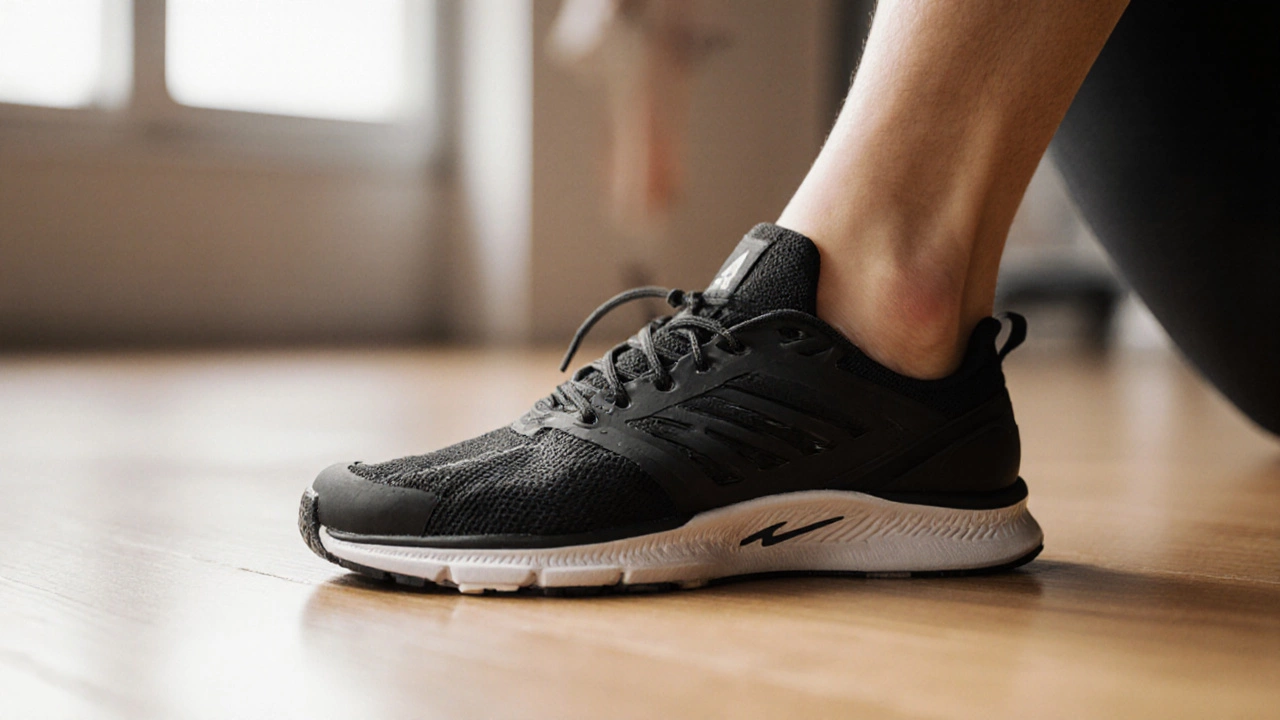
Should you buy running shoes a size bigger? The answer isn't simple. Learn why bigger isn't always better, how to find the perfect fit, and what really causes foot pain while running.
When it comes to running shoe fit, the way a shoe matches your foot’s shape, size, and movement during motion. Also known as footwear fit for running, it’s not just about size—it’s about how your heel locks in, how your toes have room to spread, and whether the midsole supports your natural foot strike. A bad fit doesn’t just feel uncomfortable—it can lead to blisters, plantar fasciitis, or even stress fractures over time.
Most people pick running shoes based on brand, color, or price. But the real key is matching the shoe to your foot’s structure. If you have high arches, you need more cushioning. Flat feet? You likely need stability features. And if your heel slips when you run, no amount of lacing will fix that—it’s a shape mismatch. shoe cushioning isn’t just about softness; it’s about how well the foam absorbs impact at the exact point your foot lands. Some runners land on their heels, others midfoot or forefoot. Your shoe needs to match that pattern, not fight it. And don’t trust the idea that shoes will stretch out. If they’re tight in the toe box on day one, they’ll only get worse.
Many runners don’t realize their shoe size changes over time. After months of running, your feet can swell, spread, or even get longer. A pair that fit perfectly last year might be too small now. The best time to try on shoes? Late afternoon, when your feet are at their largest. And always bring your running socks. Wearing the wrong socks can throw off the whole fit. You want about a thumb’s width of space between your longest toe and the front of the shoe. Not more. Not less. Your heel should stay put—no sliding up and down. And your midfoot should feel snug, not squeezed. running technique plays a role too. If you overpronate or have a quick turnover, your shoe needs to support that motion, not restrict it.
This isn’t about buying the most expensive shoe. It’s about finding the one that feels like an extension of your foot. The posts below cover real-world tests—from whether Nike Air Force 1s can handle a 5K to why barefoot running makes some people rethink everything about cushioning. You’ll find guides on how to test fit at home, what to look for in a store, and how to tell if your current shoes are done. No fluff. No marketing. Just what works for real runners in Guildford and beyond.
Should you buy running shoes a size bigger? The answer isn't simple. Learn why bigger isn't always better, how to find the perfect fit, and what really causes foot pain while running.