
Discover why running the full 26.2 miles in training may hurt more than help. Learn about injury risks, recovery times, and better alternatives like back-to-back long runs.
Whether you jog around Guildford park or chase a marathon finish line, you need solid advice that works. This page gathers the most useful running articles we have – everything from picking the right shoes to planning long runs. Grab a drink, settle in, and get the info that will help you run smarter today.
Choosing the right shoes is the first step. You’ll know it’s time for a new pair when the midsole feels flat, the tread is worn, or you start feeling aches after a short run. Our guide "How to Tell If Running Shoes Are Worn Out" shows the exact signs to watch for and how many miles a typical trainer lasts.
If you’re looking for something fresh, the "Why Hoka Shoes Stand Out" article breaks down why the brand’s plush cushioning feels like running on clouds and how that can protect your joints on long distances. For brand comparisons, we laid out "Do Adidas Run Different Than Nike?" – a quick look at fit, price, and performance so you can pick the shoe that matches your stride.
Running shoes can double as casual wear, but there are pros and cons. Our piece "Can Running Shoes Be Worn for Everyday Use?" explains when it works, how to keep the shoes durable, and when you should stick to training-only footwear.
Got a 10K in mind and wonder if a 70‑minute finish is competitive? The "Is Completing a 10K in 70 Minutes Competitive?" article puts that time in context, shows the factors that affect speed, and gives simple drills to shave off minutes.
If you’re eyeing a half marathon after nailing a 10K, read "Can You Run a Half Marathon if You Can Run 10K?" for a step‑by‑step plan that adds mileage safely and keeps injury risk low.
Marathon newbies often ask if they can just show up without training. Our "Can You Really Run a Marathon Without Training?" piece warns about the health risks and tells you why a solid build‑up is essential for finishing strong.
For those deep into marathon prep, "How Many 20 Milers Before a Marathon?" cuts through myth and gives the real number of long runs you need, plus tips on fitting them into a busy schedule.
Curious about completion rates? "Marathon Completion Rates: A Deep Dive" breaks down the stats, shares the biggest factors that help runners cross the line, and offers practical tricks to boost your odds.
Beginners wondering if a 3‑mile base can turn into a 10K will find answers in "Can You Run a 10K If You Can Run 3 Miles?" – we explain how to stretch mileage safely and what training tweaks matter most.
Every article on this page is written for everyday runners, so you won’t find jargon or endless research citations. Just clear, hands‑on advice you can put into practice right away. Bookmark the sections that matter most, and return whenever you need a quick refresher before your next run.
Discover why running the full 26.2 miles in training may hurt more than help. Learn about injury risks, recovery times, and better alternatives like back-to-back long runs.

Is a 3:20 marathon time good? Discover where this time ranks globally, age-adjusted benchmarks, and whether it qualifies for Boston.

Wondering what a competitive marathon time looks like? We break down average finish times by age and gender, explain key factors like course and weather, and help you set realistic goals for your next race.
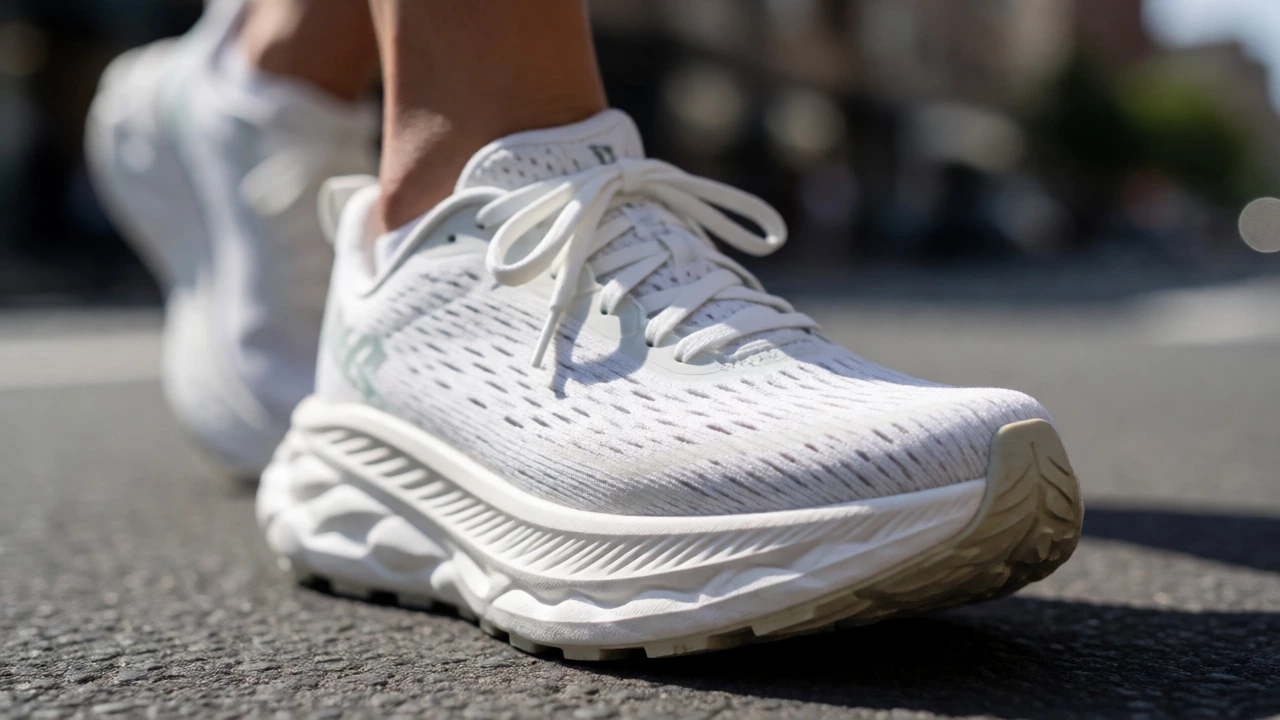
Discover the real lifespan of Hoka running shoes. Learn how weight, terrain, and model type affect mileage, plus tips to extend durability.

Discover the ideal daily running distance for beginners, intermediates, and marathon trainees. Learn how to balance mileage, prevent injury, and achieve your fitness goals.
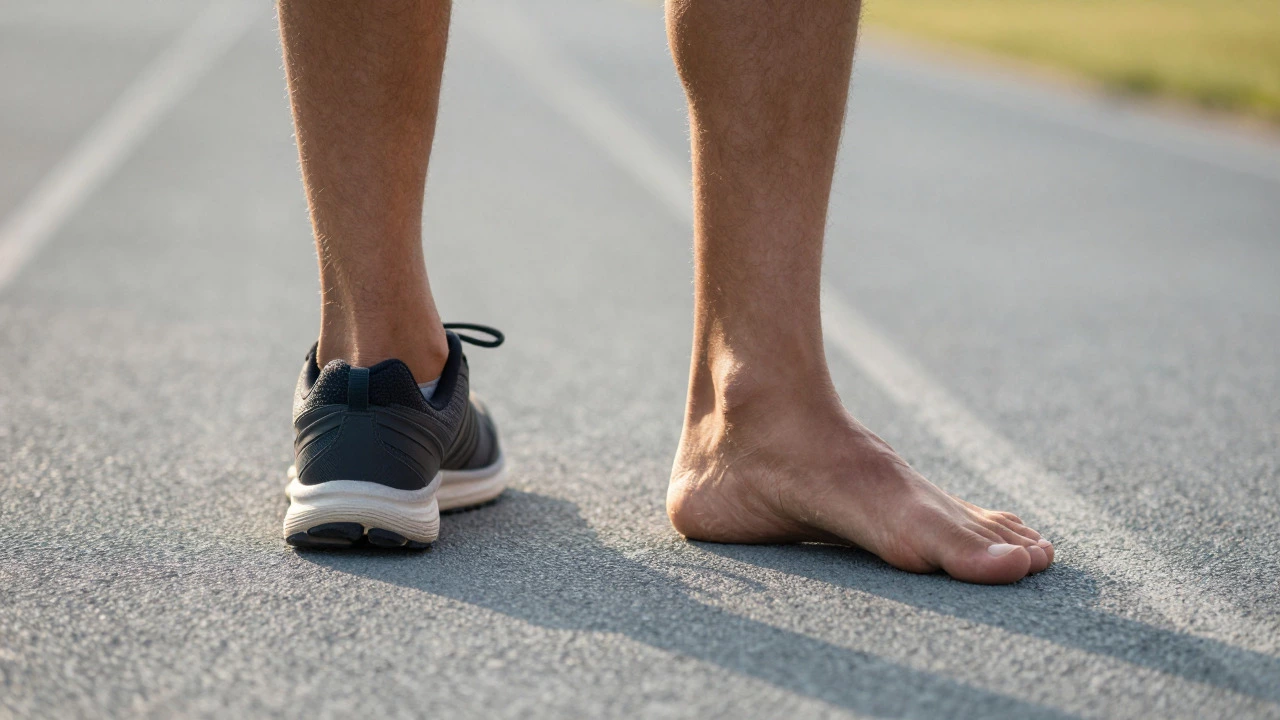
Considering switching to barefoot running? Learn how to transition safely, strengthen your feet, and avoid common injuries with this practical guide.
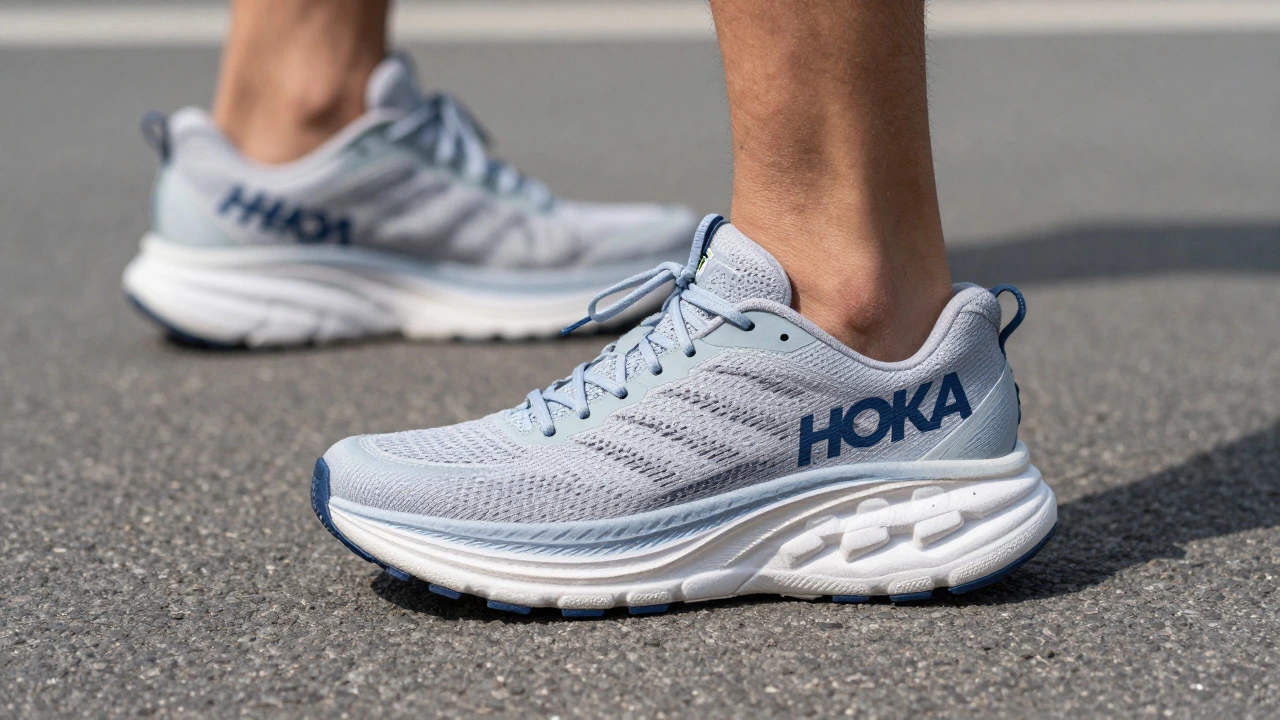
Explore the hidden downsides of Hoka running shoes, including stability issues, durability concerns, and fit problems. Learn why maximalist cushioning isn't always the best choice.

Discover the physiological changes your body undergoes in the 48 hours after a half marathon. Learn how to manage muscle soreness, replenish glycogen, and optimize recovery with actionable tips.

Discover the truth behind the 130-hour rule for marathon training. Learn how to calculate your target, avoid injuries, and build endurance safely with practical tips.
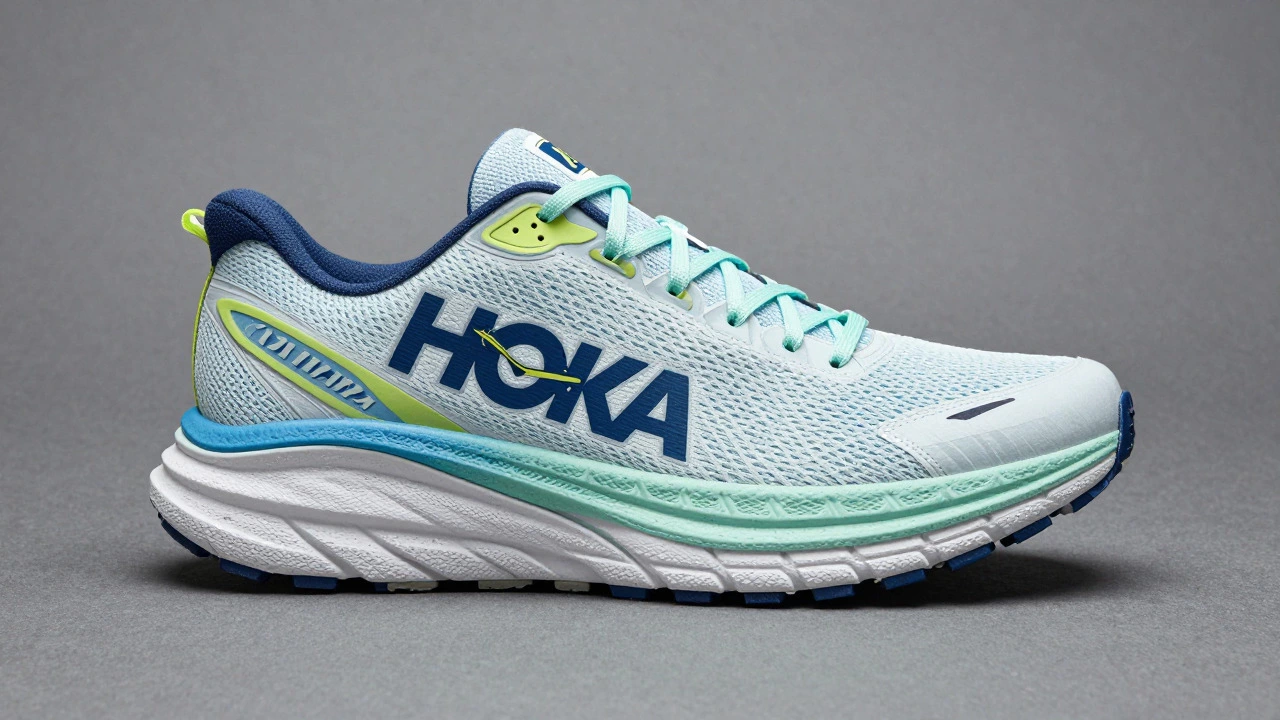
No, HOKA is not owned by Nike. HOKA is owned by Deckers Brands, which acquired the French running shoe company in 2020. Learn the truth behind the ownership, the rivalry with Nike, and how it affects your shoe choice.
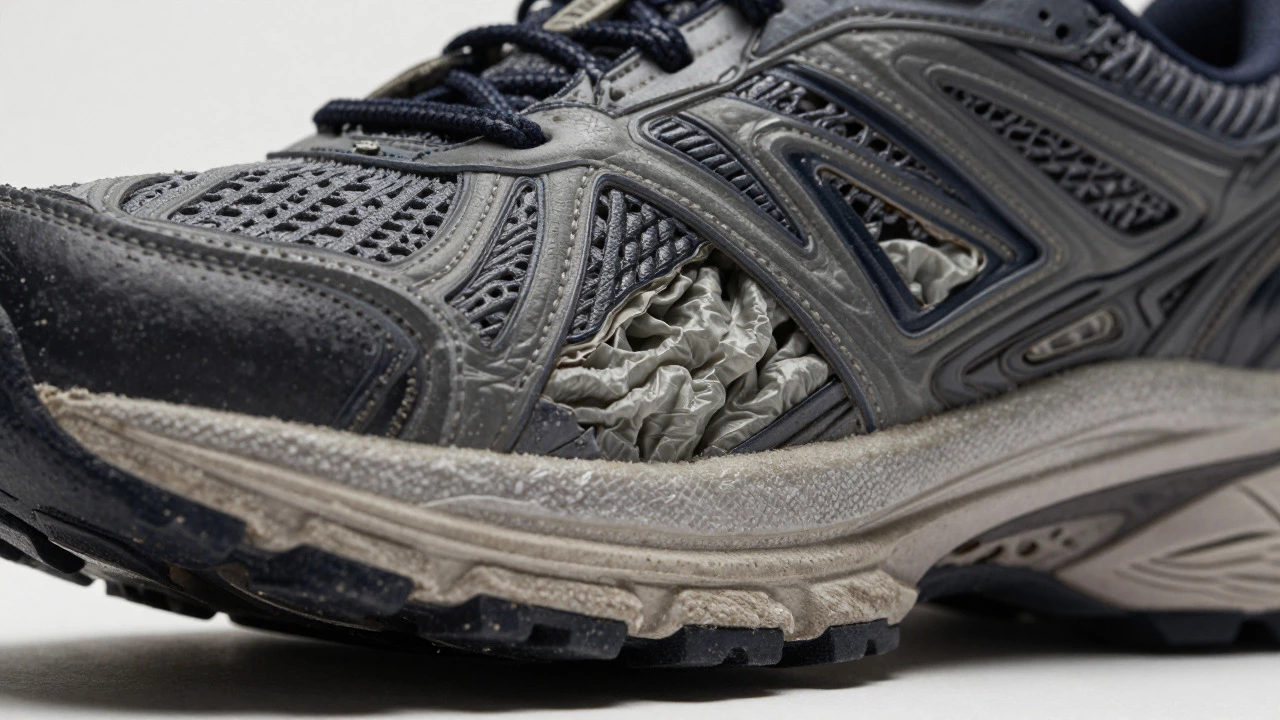
Discover how long running shoes truly last. Learn the 300-500 mile rule, visual warning signs like midsole compression, and tips to extend shoe life safely.

Yes, a beginner can run a 4-hour marathon with proper training. Learn the required 9:09/mile pace, essential weekly workouts, fueling strategies, and race-day tactics to achieve this milestone safely.