Gym Safety Knowledge Quiz
Gym Safety Knowledge Quiz
Test your knowledge about safe gym practices for different age groups. Answer each question to see if you're ready to start lifting safely.
0/7
Your knowledge level
There’s no magic number when it comes to the best age to start going to the gym. People of all ages-kids, teens, adults, and seniors-can benefit from strength training. But what works for a 16-year-old won’t work the same way for a 60-year-old. The real question isn’t when to start, but how to start safely and effectively at any stage of life.
Teens (13-18): Building Habits, Not Just Muscle
Many teens start hitting the gym because they want to look like their favorite athlete or get better at sports. That’s fine-but the goal shouldn’t be lifting heavy weights right away. At this age, the body is still growing. Bones, joints, and connective tissues are more vulnerable to injury if pushed too hard.
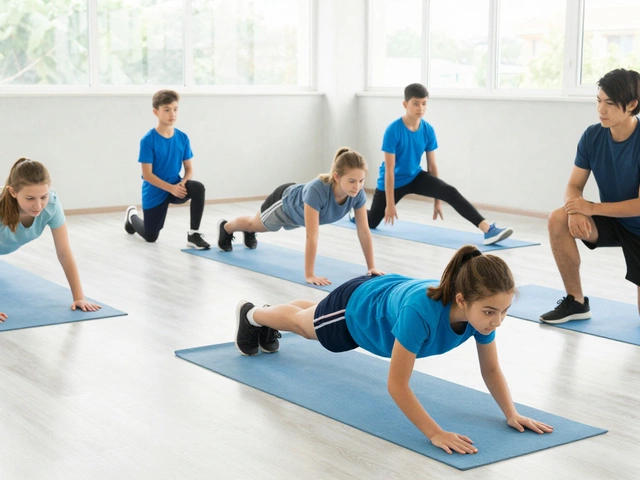
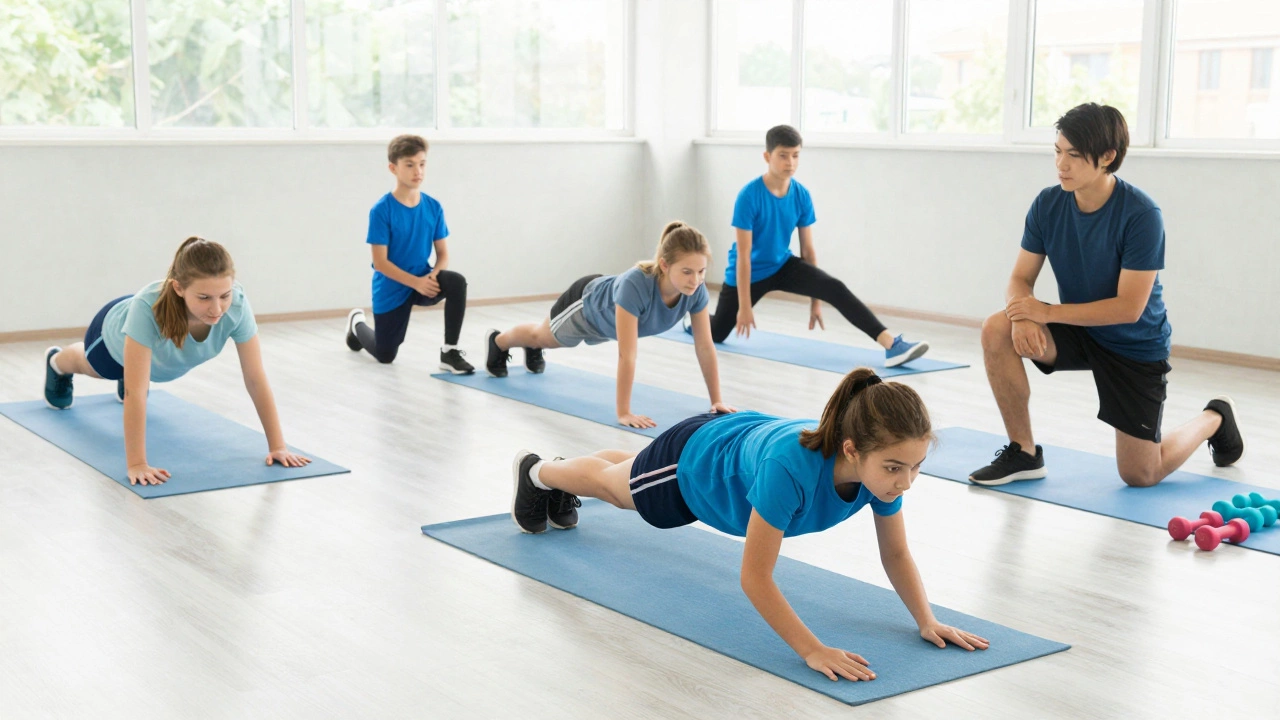
Research from the American Academy of Pediatrics shows that strength training is safe for teens as long as it’s supervised and focuses on technique, not max lifts. Bodyweight exercises like push-ups, squats, and lunges are perfect starters. Light dumbbells and resistance bands work well too. The key is learning proper form before adding weight.
Teens who start early often stick with fitness longer. One 2023 study tracking 1,200 adolescents found that those who began strength training between ages 14 and 16 were 40% more likely to remain active into their 30s than those who didn’t.
Young Adults (19-35): Peak Performance Window
This is the age group most people picture when they think of the gym: someone lifting heavy, sweating hard, chasing gains. And for good reason. Hormone levels-especially testosterone and growth hormone-are at their highest. Recovery is fast. Muscles respond quickly to training.
If you’re starting here, you’ve got an advantage. But don’t fall into the trap of thinking more is better. Overtraining is common in this group. People skip rest days, do three workouts a day, or chase Instagram-worthy routines that burn them out in six months.
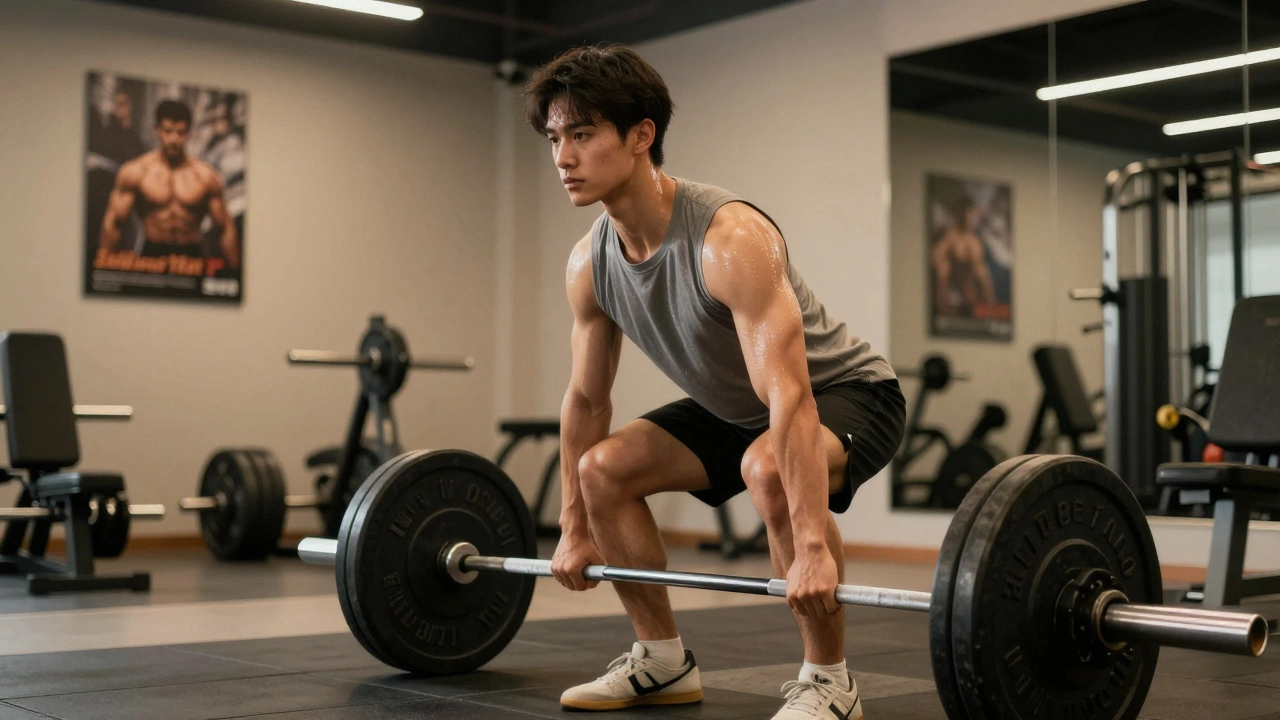
Focus on consistency. Three solid sessions a week with progressive overload-adding a little more weight or reps each month-is far more effective than six chaotic ones. Compound lifts like deadlifts, bench presses, and pull-ups build functional strength that lasts. And yes, cardio still matters. Running, cycling, or even brisk walking two to three times a week keeps your heart healthy and your recovery sharp.
Adults (36-55): Fixing What Time Broke
If you didn’t grow up with a gym membership, this might be the first time you’re seriously lifting weights. That’s okay. In fact, it’s one of the smartest decisions you can make.
Between 35 and 50, muscle mass starts to decline naturally-about 3-5% per decade. Without intervention, that leads to weaker bones, slower metabolism, and higher risk of injury. Strength training reverses this. A 2024 meta-analysis of 47 studies found that adults who started lifting weights after 40 gained an average of 2.4 pounds of muscle in just 12 weeks-and reduced belly fat by 4%.
Start slow. Use machines at first. They guide your movement and reduce strain on joints. Focus on posture. Many people in this age group have tight hips, rounded shoulders, or weak cores from sitting at desks for years. A few minutes of mobility work before each session makes a huge difference.
Don’t compare yourself to 25-year-olds. Your goal isn’t to bench your body weight-it’s to carry groceries, play with your kids, climb stairs without getting winded, and stay independent as you age.
Sixty and Beyond: Strength as Survival
There’s a myth that once you hit 60, it’s too late to get strong. That’s dangerously wrong. People in their 70s and 80s who start resistance training gain strength faster than younger beginners-because their bodies are desperate for it.
A landmark 2023 study from the University of Calgary followed 200 seniors (average age 72) who began a twice-weekly strength program. After six months, they improved their balance by 58%, reduced fall risk by 67%, and increased walking speed by 22%. One participant, 78-year-old Margaret K., went from needing a cane to hiking local trails with her grandkids.
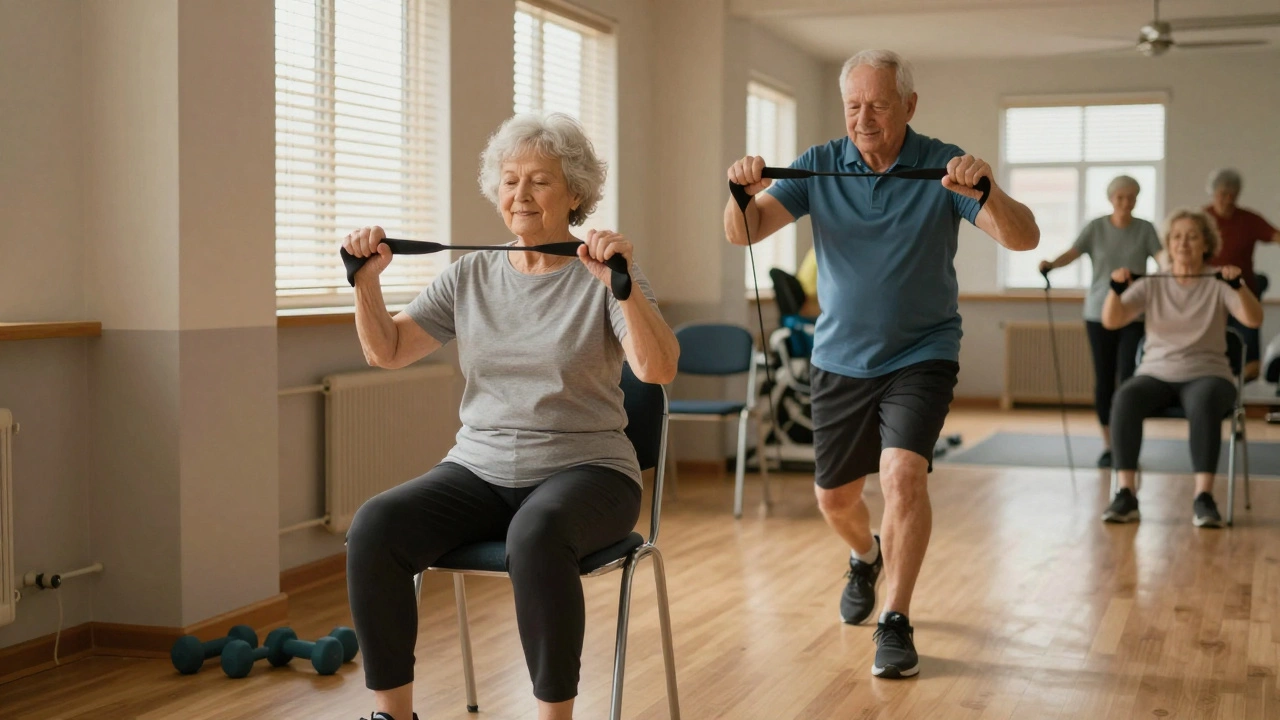
For seniors, the focus is on functional movement: standing up from a chair, lifting objects, reaching overhead. Light weights, resistance bands, and bodyweight exercises like seated rows or wall push-ups are ideal. Balance training is just as important as strength. Try standing on one foot while brushing your teeth. It sounds silly-but it works.
Always check with your doctor before starting, especially if you have heart conditions, osteoporosis, or joint replacements. But don’t let fear stop you. The risk of inactivity is far greater than the risk of lifting light weights.
What About Kids Under 13?
Children under 13 shouldn’t lift heavy weights or use gym machines designed for adults. But they can-and should-move. Play is their gym. Climbing trees, jumping rope, wrestling with friends, and playing tag are all forms of strength and coordination training.
Structured activities like gymnastics, martial arts, or youth sports teach body awareness and motor skills that lay the foundation for future gym success. Some programs now offer “movement classes” for kids aged 8-12 that use bodyweight drills, balance beams, and light resistance tools. These are safe, fun, and build lifelong habits.
Myth Busting: Age Isn’t the Limiting Factor
People say things like, “I’m too old,” or “I started too late.” But the data doesn’t back that up. A 2025 review of 120 fitness programs found that the biggest predictor of success wasn’t age-it was consistency. People who showed up twice a week, no matter their age, improved faster than those who trained hard once a month.
Another myth: “Gym is only for building muscle.” That’s not true. Strength training improves bone density, lowers blood pressure, helps manage diabetes, reduces anxiety, and even boosts memory. It’s not just about looking good. It’s about feeling capable.
How to Start, No Matter Your Age
Here’s a simple plan anyone can follow:
- Start with two sessions a week. Thirty minutes each is enough.
- Focus on movement patterns: push, pull, squat, hinge, carry.
- Use machines or bodyweight until you’re confident with form.
- Rest at least one day between sessions.
- Track progress: Did you do one more rep? Lift a little heavier? Walk farther without stopping?
You don’t need fancy gear, personal trainers, or supplements. Just show up. The gym doesn’t care how old you are. It only cares that you showed up today.
What to Avoid
Don’t rush. Don’t copy influencers. Don’t try to match someone else’s routine. Your body is yours. Progress looks different at 17 than it does at 57.
Avoid these common mistakes:
- Skipping warm-ups because you’re “in a hurry”
- Ignoring pain (“it’s just soreness”)-sharp pain means stop
- Doing only cardio and skipping strength training
- Believing you need to lift heavy to see results
The best gym program is the one you’ll stick with. Not the hardest. Not the flashiest. The one you do again next week.
Is it safe for a 12-year-old to lift weights?
Yes, but not with heavy barbells or machines. Kids this age should focus on bodyweight exercises, coordination drills, and fun movement games. Supervised programs that teach proper form-like youth fitness classes-are safe and beneficial. The goal is not strength gains, but building motor skills and confidence.
Can someone start going to the gym at 60 and still get results?
Absolutely. People over 60 who begin strength training regularly gain muscle, improve balance, reduce joint pain, and lower their risk of falls. Studies show measurable improvements in just 8-12 weeks. The key is starting slow, focusing on form, and staying consistent. It’s never too late to get stronger.
Do I need a personal trainer if I’m starting later in life?
Not necessarily, but it helps-especially if you have health concerns or past injuries. Many gyms offer free introductory sessions with trainers. Use those to learn the basics: how to use machines, how to warm up, how to recognize bad form. After that, you can continue on your own with apps or videos that match your level.
How often should I go to the gym if I’m over 50?
Two to three times a week is ideal. One session should focus on strength (using weights or resistance), another on mobility and balance, and a third on light cardio like walking or cycling. Rest days are crucial-your body repairs and gets stronger when you’re not working out.
What’s the best type of exercise for someone with arthritis?
Low-impact strength training is often the best choice. Using resistance bands, light dumbbells, or machines helps strengthen muscles around affected joints, which reduces pain and stiffness. Water-based exercises and seated workouts are also excellent. Always avoid high-impact movements like jumping or heavy squats if they cause joint pain.
Next Steps
Don’t wait for the “perfect” time. There’s no ideal age-just the next right step. If you’ve been thinking about starting, do it this week. Walk into a gym, ask for a free orientation, and try one session. No pressure. No expectations. Just movement.
Strength isn’t about age. It’s about action. And action always beats intention.
You might like