Superfood Plate Builder
Select Your Foods (Choose up to 4)
Click on foods from the list to add them to your plate.
You’ve seen them on every grocery aisle endcap and Instagram story: kale, quinoa, acai berries. They’re labeled as "superfoods," implying they hold some magical power to cure diseases or melt fat overnight. But here is the hard truth-there is no official list of seven superfoods recognized by any major health organization. The term is largely a marketing invention designed to make you spend more money on imported berries instead of local apples.
However, if we strip away the hype, we can identify seven categories of foods that are genuinely packed with nutrients per calorie. These aren't magic bullets, but they are the foundation of a diet that supports energy, recovery, and long-term health. Let’s look at what actually makes these foods stand out in the context of fitness and daily wellness.
The Truth About the "Superfood" Label
Before we get to the list, it helps to understand why this concept exists. In the early 2000s, marketers began using the word "superfood" to distinguish certain products from standard produce. There are no legal standards for this label. A blueberry is not biologically superior to a blackberry just because it has a trendier name. What matters is nutrient density-the amount of vitamins, minerals, fiber, and antioxidants relative to the number of calories.
When you focus on nutrient density, you stop chasing trends and start building a sustainable plate. For someone focused on fitness, this means choosing foods that fuel workouts and aid muscle repair without causing blood sugar spikes that lead to fatigue. The following seven food groups represent the highest return on investment for your body.
1. Leafy Greens: The Micronutrient Powerhouses
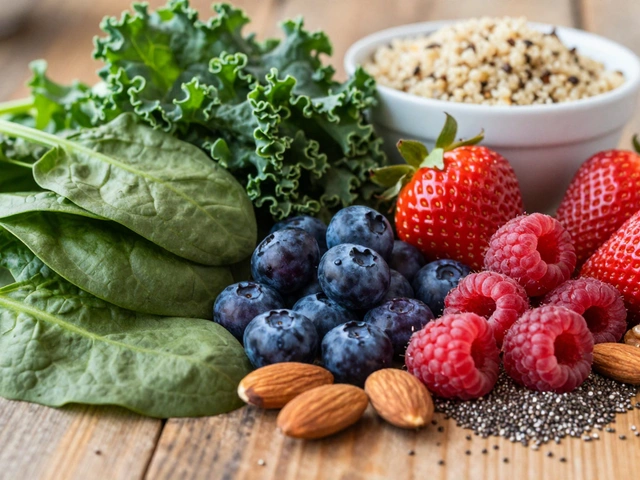
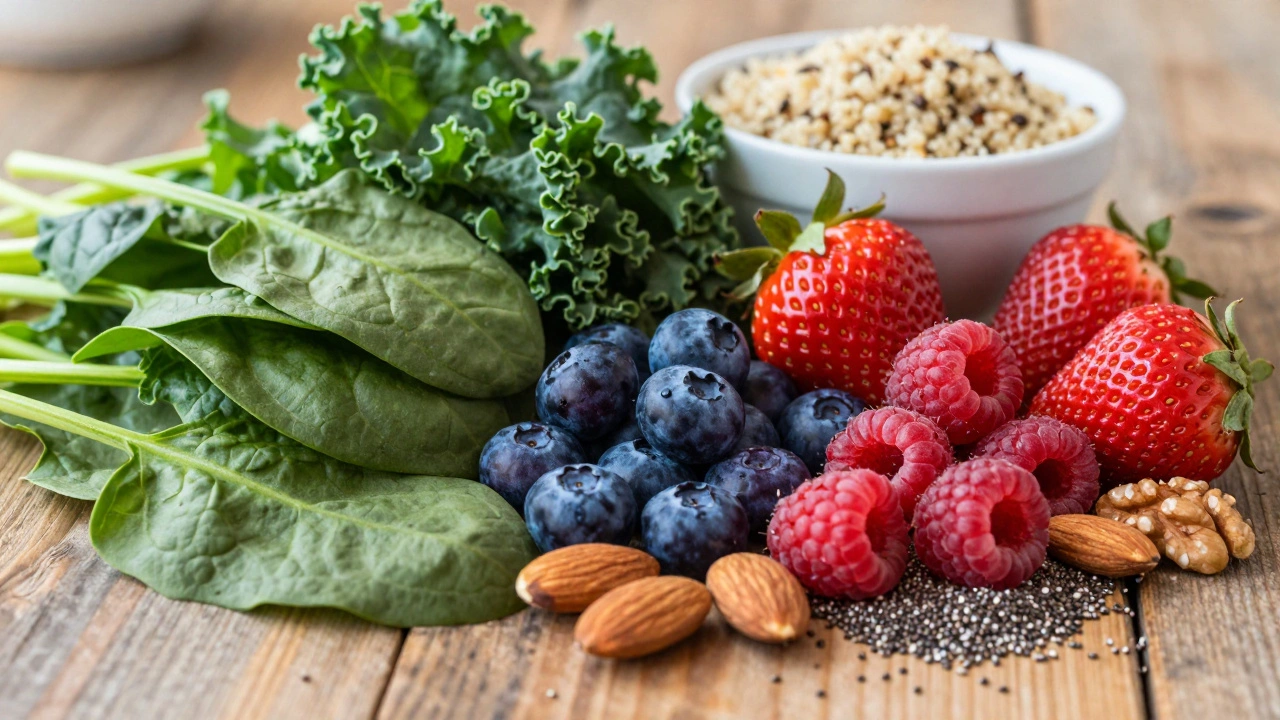
Leafy greens are vegetables like spinach, kale, Swiss chard, and arugula that provide essential vitamins with minimal caloric cost. Also known as dark leafy vegetables, they are often cited as the original superfoods. Why? Because they are incredibly low in calories but high in volume. You can eat a massive bowl of spinach for fewer calories than a single cookie, yet you’ll get a significant dose of Vitamin K, Vitamin A, and folate.
For athletes, Vitamin K is crucial for bone health, while iron (found abundantly in spinach) helps transport oxygen to your muscles during intense exercise. If you lift weights or run long distances, your bones and muscles need this structural support. Don’t limit yourself to salads; blend spinach into smoothies or sauté kale with garlic. It absorbs quickly and fits into almost any meal plan.
2. Berries: Antioxidant Riches
Berries, particularly blueberries, strawberries, and raspberries, are loaded with antioxidants called flavonoids. These compounds help combat oxidative stress, which increases after heavy physical exertion. When you work out, your body produces free radicals that can damage cells over time. Antioxidants neutralize these threats, potentially reducing inflammation and speeding up recovery.
Blueberries are often highlighted because they contain anthocyanins, the pigment that gives them their deep purple color. Studies suggest these specific antioxidants may improve memory and brain function, making them great for mental clarity before a complex workout or study session. Plus, they have a lower glycemic index compared to other fruits, meaning they won’t spike your insulin levels dramatically. Keep a bag frozen in your freezer for quick snacking or oatmeal toppings.
3. Fatty Fish: Omega-3 Essentials
Fatty fish are seafood varieties like salmon, mackerel, sardines, and herring that are rich in omega-3 fatty acids. Unlike lean proteins such as chicken breast, fatty fish provide both high-quality protein and essential fats. Omega-3 fatty acids, specifically EPA and DHA, are vital for heart health, brain function, and joint lubrication.
If you struggle with joint pain after running or lifting, increasing your intake of wild-caught salmon or sardines might help. These fats reduce systemic inflammation, allowing you to train harder and recover faster. Aim for two servings per week. If you don’t like fish, consider algae-based supplements, but whole food sources always offer better bioavailability and additional nutrients like selenium.
4. Nuts and Seeds: Healthy Fats and Fiber
Nuts and seeds-think almonds, walnuts, chia seeds, and flaxseeds-are dense packets of energy. They contain monounsaturated fats, which support heart health, along with magnesium and zinc. Magnesium is particularly important for fitness enthusiasts because it aids in muscle contraction and relaxation. A deficiency in magnesium can lead to cramps and poor sleep, both of which hinder performance.
Walnuts are unique among nuts because they contain plant-based omega-3s (ALA). While not as potent as fish oil, they still contribute to overall anti-inflammatory goals. Chia seeds are another powerhouse; when soaked, they form a gel that slows digestion, keeping you fuller for longer. This makes them ideal for pre-workout snacks if you need sustained energy rather than a quick burst.
5. Whole Grains: Sustained Energy
Whole grains are carbohydrate sources like oats, quinoa, brown rice, and barley that retain their bran and germ layers. Unlike refined grains (white bread, white rice), whole grains keep the fiber intact. This fiber slows down the absorption of sugar into your bloodstream, providing steady energy rather than a crash.
Quinoa gets special mention because it is a complete protein, meaning it contains all nine essential amino acids. Most plant-based proteins lack one or more of these, but quinoa delivers the full package. For vegetarians or vegans focusing on muscle growth, quinoa is an excellent staple. Oats are equally valuable for their beta-glucan fiber, which has been shown to lower cholesterol levels. Start your day with steel-cut oats for a slow-release fuel source that lasts through morning training sessions.
6. Legumes: Plant-Based Protein Champions
Legumes include lentils, chickpeas, black beans, and kidney beans. They are affordable, versatile, and packed with fiber and plant-based protein. In a world where meat prices fluctuate and environmental concerns grow, legumes offer a sustainable way to meet protein requirements. One cup of cooked lentils provides about 18 grams of protein and 15 grams of fiber.
Fiber is critical for gut health, which directly impacts nutrient absorption and immune function. A healthy microbiome helps you extract more value from the food you eat. Incorporating legumes into soups, stews, or salads adds bulk and satisfaction without excessive calories. They also have a low glycemic load, making them suitable for managing blood sugar levels throughout the day.

7. Cruciferous Vegetables: Detoxification Support
Cruciferous vegetables like broccoli, cauliflower, Brussels sprouts, and cabbage contain sulfur-containing compounds called glucosinolates. These compounds break down into substances that support the body’s natural detoxification pathways. While your liver does most of the work, these foods provide the necessary cofactors to enhance its efficiency.
Broccoli is particularly notable for its high vitamin C content, which is essential for collagen synthesis and wound healing. Collagen keeps your connective tissues strong, reducing the risk of tendon injuries. Roast Brussels sprouts until crispy to make them palatable if you dislike their boiled texture. Pairing them with a source of vitamin C enhances iron absorption from other plant foods in your meal.
| Food Group | Key Nutrients | Primary Benefit | Best For |
|---|---|---|---|
| Leafy Greens | Vitamin K, Iron, Folate | Bone health & Oxygen transport | All athletes |
| Berries | Antioxidants, Fiber | Reducing oxidative stress | Recovery & Brain health |
| Fatty Fish | Omega-3s, Protein | Anti-inflammation | Joint pain & Heart health |
| Nuts & Seeds | Magnesium, Healthy Fats | Muscle function & Satiety | Snacking & Pre-workout |
| Whole Grains | Fiber, Complex Carbs | Sustained energy | Endurance training |
| Legumes | Plant Protein, Fiber | Gut health & Muscle repair | Vegetarians/Vegans |
| Cruciferous Veggies | Vitamin C, Glucosinolates | Detoxification & Collagen | Injury prevention |
How to Build a Plate Around These Foods
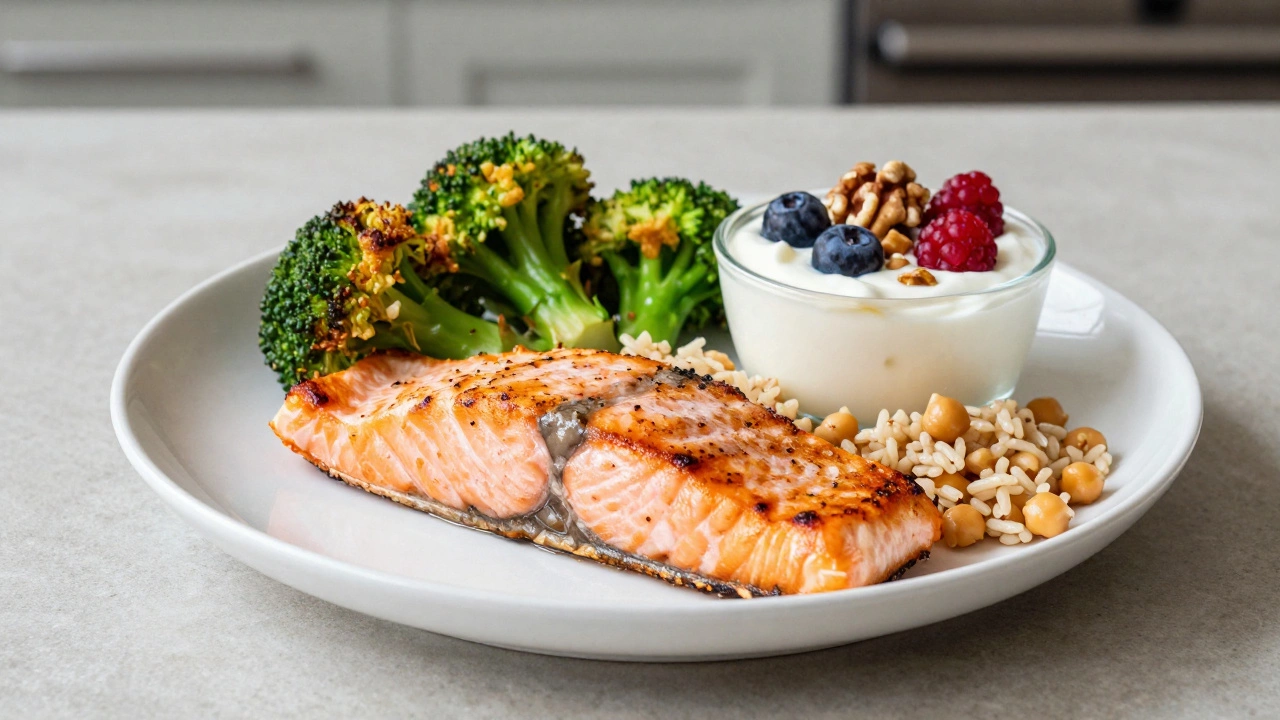
Knowing the list is only half the battle. The real challenge is integrating these foods into your daily routine without feeling restricted. Start by swapping one processed item for a whole food equivalent. Replace white rice with quinoa or brown rice. Swap sugary cereal for oatmeal topped with berries and walnuts. Add a handful of spinach to your morning eggs or smoothie.
Focus on variety. No single food contains every nutrient you need. By rotating through these seven categories, you ensure a broad spectrum of micronutrients. For example, Monday might feature salmon and broccoli, while Wednesday could be lentil soup with kale. This approach prevents boredom and reduces the risk of overexposure to any single compound.
Don’t forget preparation methods. Steaming or roasting preserves more nutrients than boiling, which leaches water-soluble vitamins into the cooking water. If you do boil vegetables, save the water for soups or sauces to recapture those lost nutrients. Simple changes in how you cook can significantly boost the nutritional value of your meals.
Common Misconceptions to Avoid
One major myth is that superfoods can cancel out a poor diet. Eating a handful of blueberries won’t negate the effects of a day filled with processed snacks and soda. Think of these foods as amplifiers, not erasers. They enhance a generally healthy diet but cannot fix a fundamentally unhealthy one.
Another misconception is that expensive imports are always better. Local seasonal produce often has higher nutrient content because it is picked at peak ripeness and travels shorter distances. Frozen berries are just as nutritious as fresh ones and often cheaper. Don’t let price tags dictate your nutrition choices; prioritize accessibility and consistency.
Finally, remember that individual needs vary. An endurance runner requires more carbohydrates than a strength trainer. A person with digestive issues might need to limit high-fiber legumes initially. Listen to your body and adjust portions based on your activity level and personal tolerance.
Are superfoods actually necessary for a healthy diet?
No, superfoods are not strictly necessary. The term is mostly marketing. However, the foods typically labeled as superfoods are highly nutrient-dense. Including them in your diet ensures you get a wide range of vitamins and minerals efficiently. You can achieve good health with regular fruits and vegetables too, as long as you eat enough variety and quantity.
Can I lose weight just by eating superfoods?
Weight loss depends on maintaining a calorie deficit, regardless of food quality. While superfoods are often low in calories and high in fiber, which promotes satiety, you can still overeat them. Avocados and nuts, for example, are healthy but calorie-dense. Portion control remains key to weight management.
Is it better to eat fresh or frozen superfoods?
Frozen superfoods are often just as nutritious, if not more so, than fresh ones. Produce is usually flash-frozen at peak ripeness, locking in nutrients. Fresh produce can lose nutrients during transportation and storage. Frozen options are also more convenient and cost-effective, especially for berries and leafy greens.
Do I need to take supplements if I eat these foods?
For most people, a balanced diet including these seven categories provides sufficient nutrients. However, individuals with specific deficiencies, dietary restrictions, or medical conditions may benefit from supplements. Always consult a healthcare provider before starting any new supplement regimen to avoid interactions or overdoses.
How much of each superfood should I eat daily?
There is no strict rule, but general guidelines suggest filling half your plate with vegetables and fruits, one-quarter with whole grains, and one-quarter with protein. Aim for a rainbow of colors to ensure diverse antioxidant intake. Consistency matters more than precise measurements. Focus on incorporating these foods regularly rather than obsessing over exact quantities.
You might like