Gym Strength Progress Calculator
Based on 3 months of consistent training with progressive overload. Results reflect realistic gains from the article's research.
Remember:
You won't see a six-pack in 3 months. But strength gains are real. This calculator shows what happens when you lift consistently without diet changes.
Your 3-Month Progress
Bench Press:
Squat:
Deadlift:
What This Means
These gains reflect the article's research: 40-70% strength increase after 3 months of consistent training.
Key insight: You won't see a six-pack, but you'll feel stronger. Your clothes will fit better, your posture will improve, and you'll have the confidence to do 15 push-ups.
Remember: Muscle growth takes time. This is the foundation - real transformation happens after 6-12 months.
Three months of consistent gym work doesn’t turn you into a bodybuilder. But it changes your body, your energy, and how you feel in your own skin - if you show up. No magic pills, no viral hacks. Just time, effort, and a few smart choices.
What actually happens in the first 4 weeks
Week one feels like punishment. Your legs burn climbing stairs. Your arms shake holding dumbbells. You’re sore for three days straight. That’s normal. Your body isn’t broken - it’s just learning.
By week two, you start noticing small wins. You lift 5 pounds more than last time. You finish your set without stopping. You sleep better. Your appetite shifts - you crave protein and veggies, not chips and soda. That’s your body adapting. It’s not visible yet, but it’s happening.
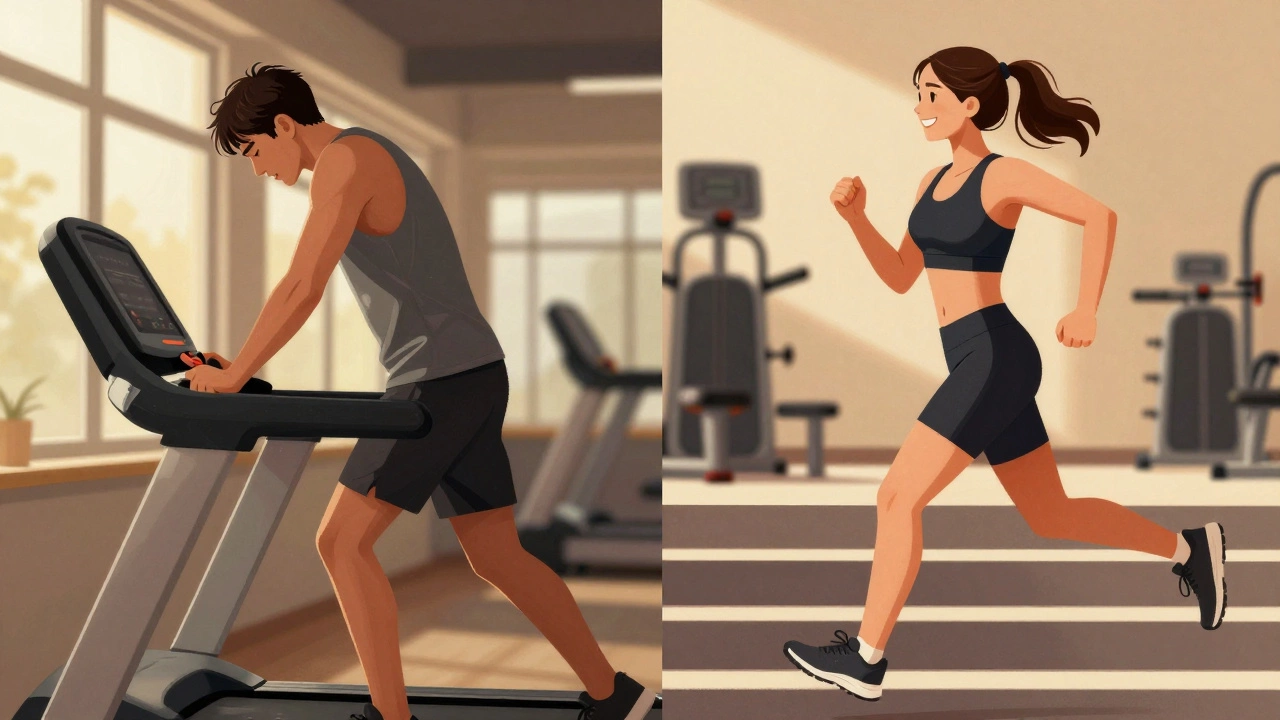
By week four, you walk taller. Your clothes fit differently - not tighter, not looser, just different. Your shoulders aren’t slumped. You don’t need to hold onto the treadmill railing anymore. This is the point where most people quit. They don’t see a six-pack. They don’t weigh less. But their strength has already doubled.
Weeks 5 to 8: The invisible shift
This is when the real work starts. The soreness fades. You’re no longer scared of the weight room. You know the machines. You recognize the faces. You start talking to people. You’re part of a routine now, not a visitor.
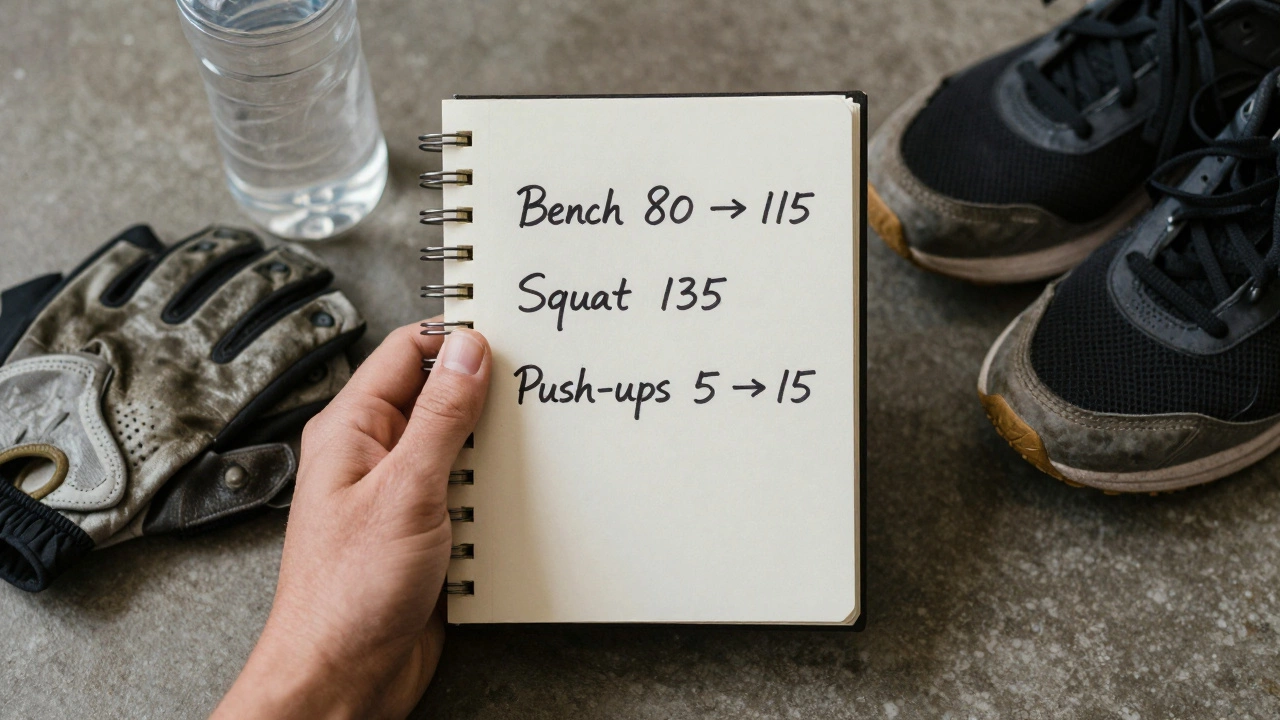
Strength gains accelerate. Bench press goes from 80 to 115 pounds. Squats go from bodyweight to 135. Deadlifts? You’re pulling 155. That’s not impressive to a pro, but for someone who started with no experience? That’s huge.
Body composition begins to shift. You’re not losing fat fast - you’re gaining muscle. Muscle is dense. It doesn’t show up on the scale as weight loss. But your waist shrinks. Your arms look firmer. Your back feels stronger when you carry groceries. Your posture improves. People start asking if you’ve changed your diet.
Weeks 9 to 12: The turning point
By month three, you’re not just going to the gym - you’re training. You have a plan. You track your sets. You know your numbers. You don’t need a personal trainer to tell you what to do next.
Your body responds. You see definition in your shoulders. Your abs are no longer hidden under fat - they’re there, just covered. You can do 15 push-ups in a row. You run up three flights of stairs without gasping. You stand straighter. You move with more confidence.
Here’s what the numbers usually look like for someone starting from average fitness:
- Body fat drops 3-6% (if diet is controlled)
- Strength increases 40-70% on major lifts
- Cardio endurance improves - you can jog 20 minutes without stopping
- Resting heart rate drops by 5-10 bpm
- Sleep quality improves - fewer nights awake, deeper rest
These aren’t miracles. They’re math. You lifted 3 times a week. You ate enough protein. You slept. You showed up even when you didn’t feel like it.
What doesn’t change - and why that’s okay
You won’t look like a magazine cover. You won’t have visible abs if you started with higher body fat. That’s not failure. That’s biology. Muscle growth takes time. Fat loss takes longer. Three months is enough to build a foundation - not finish the house.
What you *will* have is momentum. You’ve proven to yourself that you can stick with something hard. That’s more valuable than any six-pack.
And here’s the truth: the people who stick with the gym past three months? They don’t do it for looks. They do it because they feel better. Stronger. Calmer. More in control. That’s the real reward.
What most people get wrong
They think they need to train 6 days a week. They think they need to cut out carbs. They think they need to do 100 crunches a day.
Reality? Three solid sessions a week, with progressive overload, are enough. You don’t need fancy equipment. A barbell, dumbbells, and a bench cover 80% of what you need. You don’t need to be perfect. You just need to be consistent.
And diet? It’s simple: eat enough protein (0.7-1 gram per pound of body weight), drink water, sleep 7+ hours. That’s it. No detoxes. No juice cleanses. No 16-hour fasts unless you like them.
How to make sure you’re on track
Don’t rely on the scale. Use these real-life tests:
- Can you do 5 more push-ups than you could 3 months ago?
- Can you carry two grocery bags up stairs without stopping?
- Do your pants feel looser around the waist?
- Do you feel less tired during the day?
- Do you look forward to your workout?
If you answered yes to three or more, you’re doing it right.
What comes next
Three months is the beginning. The real transformation happens after six months. After a year. But if you make it to 90 days, you’ve already beaten 90% of the people who started.
You’re not just stronger. You’re different. You know what discipline feels like. You’ve learned that progress isn’t loud - it’s quiet. It’s showing up when no one’s watching. It’s choosing the dumbbell over the couch.
That’s what three months of gym looks like. Not a before-and-after photo. A quiet, steady change - one rep, one day, one choice at a time.
Can I see results in 3 months without changing my diet?
You’ll see some strength gains and improved endurance, but fat loss will be slow or minimal if your diet stays the same. Muscle growth needs protein, and fat loss needs a calorie balance. You don’t need to diet, but eating more protein and fewer processed foods makes a big difference.
Is working out 3 times a week enough?
Yes. Three full-body sessions with progressive overload - meaning you lift slightly more weight or do more reps each week - is more effective than five half-hearted workouts. Recovery matters. Your muscles grow when you rest, not when you train.
Why am I not losing weight even though I’m working out?
You’re likely gaining muscle. Muscle weighs more than fat. Your scale might not move, but your clothes fit better, your body looks leaner, and your strength is up. That’s progress. Use measurements, photos, or how you feel instead of the scale.
What if I miss a week or two?
It happens. Life gets busy. Don’t quit. Just get back on track. You won’t lose all your progress in two weeks. Strength fades slower than you think. The key isn’t perfection - it’s returning.
Do I need a personal trainer for 3 months?
Not if you’re willing to learn. Free YouTube videos from certified trainers (like Jeff Nippard or Athlean-X) can teach you proper form. Record yourself lifting. Compare it to videos. Ask a gym staff member to check your squat or deadlift once. That’s enough to avoid injury and build momentum.
Final thought: It’s not about the gym
The gym is just the place. The real change happens in your mind. You start believing you can do hard things. You stop waiting for motivation. You start showing up because you know what’s on the other side.
That’s what three months of gym looks like. Not a new body. A new version of yourself.
You might like