What Is Sports Equipment Made Of? Materials Behind Your Gear

Sports Equipment Material Selector
Choose a sport below to see recommended materials and why they're used for optimal performance.
Recommended Materials
Key Material
Why This Material?
Material Comparison
| Property | Recommended | Alternative |
|---|---|---|
| Weight | ||
| Strength | ||
| Durability | ||
| Cost |
Ever pick up a baseball bat and wonder why it feels so light yet hits like a truck? Or notice how your running shoes bounce back after every step? It’s not magic-it’s the materials inside. Sports equipment isn’t just shaped for performance; it’s built from specific materials chosen for strength, weight, flexibility, and durability. Understanding what’s inside your gear helps you make smarter choices, spot quality, and even extend its life.
Modern Sports Equipment Relies on Advanced Composites
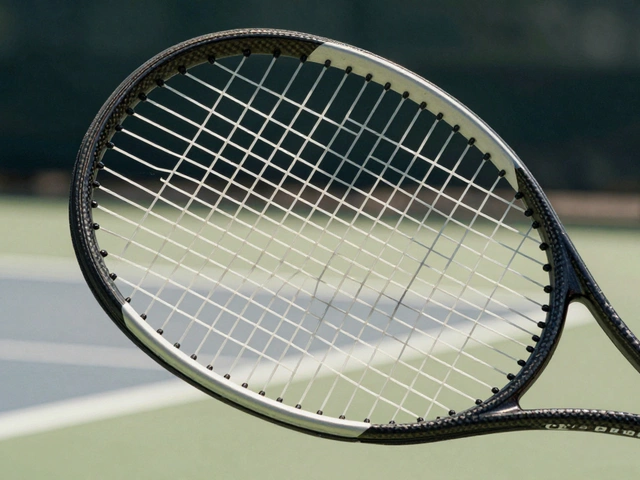
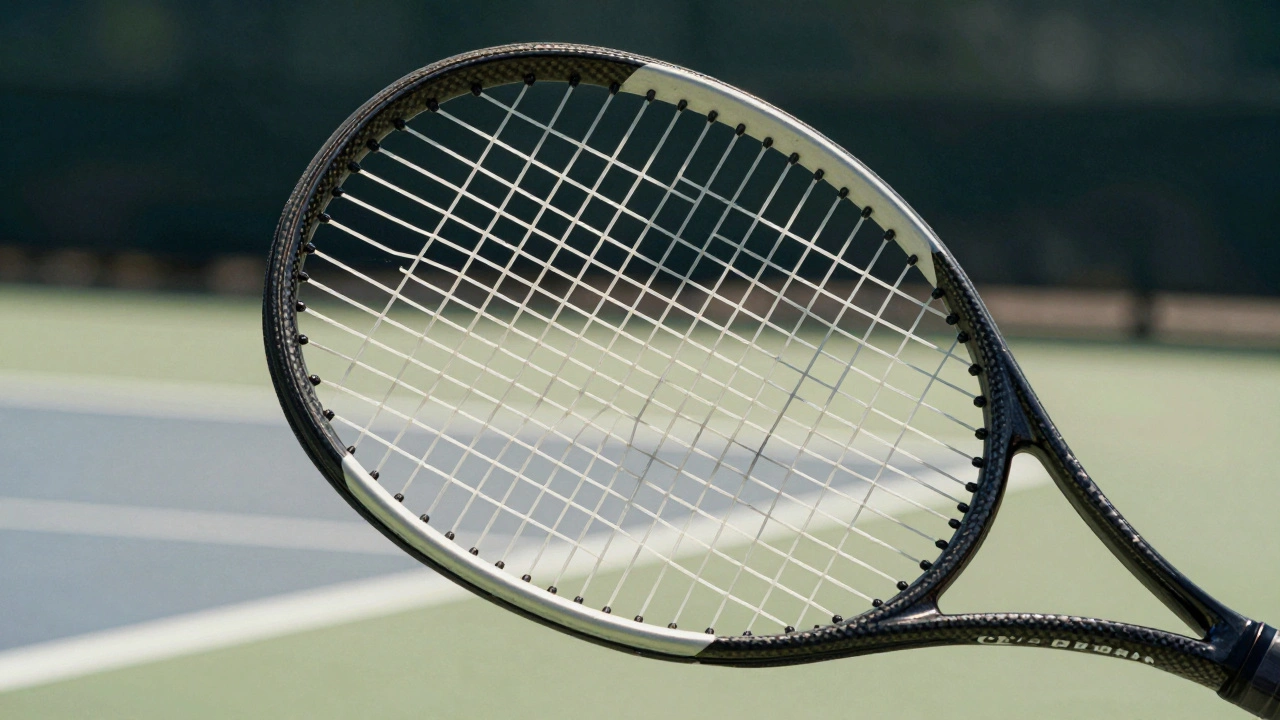
Most high-performance gear today uses composite materials-layers of different substances bonded together to get the best of each. Carbon fiber is one of the biggest players. It’s used in tennis rackets, bicycle frames, and hockey sticks because it’s five times stronger than steel but weighs only a quarter as much. A top-tier carbon fiber tennis racket might weigh under 300 grams, yet can handle over 200 pounds of string tension without warping.
Another common composite is fiberglass. It’s cheaper than carbon fiber and used in entry-level fishing rods, lacrosse sticks, and some ski boots. It’s flexible and forgiving, which makes it great for beginners who aren’t swinging with perfect form yet. Then there’s Kevlar, known for its impact resistance. You’ll find it lining the inside of helmets for football, cycling, and motocross to absorb shock without adding bulk.
Metals Still Have a Big Role
Don’t think metals are out of style. Aluminum is everywhere-golf clubs, baseball bats, and even some climbing carabiners. It’s lightweight, corrosion-resistant, and easy to shape. High-end golf drivers often use titanium instead. Titanium is stronger than aluminum and holds up better under repeated high-impact hits. A titanium driver head can be made thinner, which lets manufacturers move weight to the edges for a larger sweet spot.
Steel still shows up where strength matters more than weight. Weightlifting bars, basketball hoops, and gymnastics equipment rely on high-tensile steel. It doesn’t bend under pressure, and it lasts for decades. You’ll see it in outdoor gym equipment too, because it handles rain, snow, and sun better than most plastics.
Plastics and Polymers Dominate the Basics
Plastic isn’t just for cheap gear-it’s engineered for elite use too. High-density polyethylene (HDPE) is the go-to for hockey pucks, skate blades, and football helmets. It’s tough, cold-resistant, and doesn’t crack when dropped on ice. Ethylene-vinyl acetate (EVA) foam is in the midsoles of almost every running shoe. It’s soft when compressed, then snaps back to shape. That’s why your shoes feel cushioned on day one and still feel good after 300 miles.
Thermoplastic polyurethane (TPU) is another key player. You’ll find it in the outsoles of basketball shoes and the heel counters of soccer cleats. It’s more durable than rubber and resists abrasion from concrete courts and artificial turf. Even the seams on soccer balls are often made from synthetic polymers like polyvinyl chloride (PVC) or polyurethane (PU). PU balls are smoother, hold their shape better in wet weather, and are used in professional matches.

Natural Materials Are Still in the Game
Despite all the tech, some sports still rely on nature. Leather is the gold standard for baseball gloves. It molds to your hand over time, offering better control than synthetic alternatives. High-end soccer balls still use stitched leather panels, even though most recreational ones use synthetic materials. Leather is breathable, durable, and gives players a better feel for the ball.
Wood hasn’t disappeared either. Wooden bats are still used in amateur leagues and by pros who prefer the feel. Maple, ash, and birch are the top choices-each with different density and flex. Maple is harder and denser, giving more pop but less forgiveness on mishits. Ash is more flexible, which helps absorb vibration.
Even natural fibers like cotton and wool show up in athletic wear. Wool is used in base layers for cold-weather sports because it wicks moisture and stays warm even when wet. Cotton, while less common now, is still used in some training shirts for its softness and breathability during low-intensity workouts.
Why Material Choice Changes by Sport
Not all gear is made the same. The material depends on what the sport demands. A tennis racket needs to be stiff for power but light enough for quick swings. A football helmet needs to absorb and distribute impact across its surface. A swimming cap has to be hydrodynamic and stretchy to fit snugly without pulling hair.
For example, a rowing shell is made from carbon fiber and epoxy resin because it needs to be ultra-light to glide over water, yet rigid enough to transfer every ounce of power from the rower’s legs. A volleyball, on the other hand, uses a rubber bladder inside a synthetic leather cover. The bladder holds air pressure, and the cover gives grip and durability during fast-paced play.
Even the stitching matters. Hand-stitched soccer balls last longer and hold their shape better than machine-stitched ones. The thread is often made from polyester or nylon, treated to resist UV damage and moisture.

What to Look for When Buying Gear
When you’re shopping, check the materials-not just the brand. A $200 running shoe isn’t better just because it’s expensive. Look for these indicators:
- Midsole: EVA or Pebax foam? Pebax is lighter and more responsive.
- Outsole: Rubber compound? High-abrasion rubber lasts longer on pavement.
- Upper: Mesh with synthetic overlays? That’s better than plain plastic.
- Frame: Carbon fiber or aluminum? Carbon fiber is lighter and stiffer.
Also, consider how the gear will be used. A basketball played indoors on a wooden court doesn’t need the same grip as one used on outdoor asphalt. The same goes for cleats-molded plastic studs work fine for youth soccer on grass, but metal studs are needed for professional play on wet fields.
How Materials Affect Longevity and Maintenance
Materials also tell you how to care for your gear. Carbon fiber can crack if dropped on a hard surface, so don’t throw your racket on the court. Leather gloves need conditioning with oil every few months to keep them soft. Synthetic materials like nylon and polyester can be machine-washed, but heat from dryers can warp them. Always air-dry.
Some gear has a lifespan tied to its materials. A carbon fiber bike frame might last 10 years if not damaged, but a fiberglass fishing rod can snap if bent too far. Rubber soles on shoes degrade over time, even if you don’t wear them. Store gear in cool, dry places to slow material breakdown.
Future Trends in Sports Equipment Materials
Researchers are pushing boundaries. Graphene, a single layer of carbon atoms, is being tested in tennis rackets and running shoes for its incredible strength and conductivity. Some companies are experimenting with biodegradable foams made from algae or cornstarch for eco-friendly midsoles.
Smart materials are also coming in. Shape-memory alloys can adjust stiffness based on temperature-imagine a golf club that gets stiffer in cold weather. Self-healing polymers are being developed for helmets and pads that repair small cracks on their own.
But for now, the best gear still comes down to proven materials: carbon fiber for power, titanium for durability, EVA for comfort, and leather for feel. Knowing what’s inside helps you choose gear that lasts, performs, and fits your game.
What is the strongest material used in sports equipment?
Carbon fiber is the strongest commonly used material in sports equipment. It’s five times stronger than steel and much lighter, making it ideal for tennis rackets, bicycle frames, and hockey sticks. In some cases, graphene-enhanced composites are being tested for even greater strength, but carbon fiber remains the industry standard for high-performance gear.
Are synthetic materials better than natural ones in sports gear?
It depends on the sport and use. Synthetic materials like polyurethane and EVA foam offer consistency, durability, and moisture resistance, which is why they dominate in shoes, balls, and protective gear. But natural materials like leather still win in areas where feel and adaptability matter-like baseball gloves or soccer balls. Professionals often choose natural materials for their tactile feedback, while amateurs benefit from synthetics for lower cost and easier maintenance.
Why do some sports equipment pieces feel heavier than others?
Weight comes down to material density and design purpose. A baseball bat made of wood feels heavier than a carbon fiber bat because wood is denser. But weight isn’t always bad-it’s intentional. Heavier equipment like shot puts or kettlebells need density to build strength. Lighter gear like tennis rackets or cycling frames are designed to reduce fatigue and improve speed. The key is balance: the right weight for the motion.
Can sports equipment be recycled?
Yes, but it’s complicated. Metals like aluminum and steel are easy to recycle. Some companies now take back old running shoes and break them down into rubber granules for playground surfaces. Carbon fiber is harder to recycle because it’s bonded with resin, but new methods are emerging to separate and reuse it. Look for brands with take-back programs or local recycling centers that accept athletic gear.
How do I know if my gear is made with quality materials?
Check the product description for specific material names-not just "high-tech" or "premium." Look for terms like "carbon fiber composite," "EVA foam midsole," or "full-grain leather." Also, feel the weight and texture. Quality gear feels balanced and solid, not flimsy. If the stitching is tight and even, and the material doesn’t smell like cheap plastic, it’s likely well-made. Trusted brands often list material specs clearly on their websites or packaging.
If you’re serious about your sport, the gear you use matters. The materials aren’t just background details-they’re the reason your swing, sprint, or jump works the way it does. Knowing what’s inside helps you choose better, care for longer, and play smarter.
You might like