Mexico City Cycling Trip Planner
Select a destination city to see its cycling profile and estimate your rental costs.
Mexico City
The Heavyweight400+ km network. Best for commuters & tourists.
Guadalajara
Cultural Hub150+ km network. Flat terrain, relaxed vibe.
Querétaro
Hidden Gem80+ km network. Safest & most planned.
Trip Estimator
Select a city above to begin.
You might assume that if you want to ride a bike safely in Latin America, you need to head south to Bogotá or Santiago. But right here in North America, Mexico City has quietly transformed into one of the most bike-friendly cities in Mexico. It’s not just about having a few painted lanes on the ground anymore. It’s about a massive network of protected paths, a robust rental system, and a culture that is slowly but surely shifting away from car dependency.
If you are planning a trip in 2026 or just curious about where the cycling scene is heating up in the region, the answer isn’t as simple as picking one winner. While Mexico City takes the crown for infrastructure volume, other cities like Guadalajara and Querétaro offer unique experiences for different types of riders. Let’s break down who wins the title and why, looking at the actual routes, safety measures, and daily usability.
The Heavyweight Champion: Mexico City
When people ask for the most bike-friendly city in Mexico, the data points straight to the capital. The Red de Ciclovías (Bicycle Network) spans over 400 kilometers. That is more than any other municipality in the country. But numbers alone don’t make a city rideable; design does. In recent years, the focus has shifted from simply painting lines on asphalt to building physical barriers between cars and bikes.
The real game-changer was the introduction of EcoBici, the public bicycle-sharing system. Launched initially as a pilot, it has expanded to cover most of the central boroughs. For a tourist or a local, this means you can hop on a bike at a metro station, ride through the historic center, and drop it off near Chapultepec Park without buying a single ticket upfront. The stations are integrated with the city’s transit card system, making the friction of starting a ride almost non-existent.
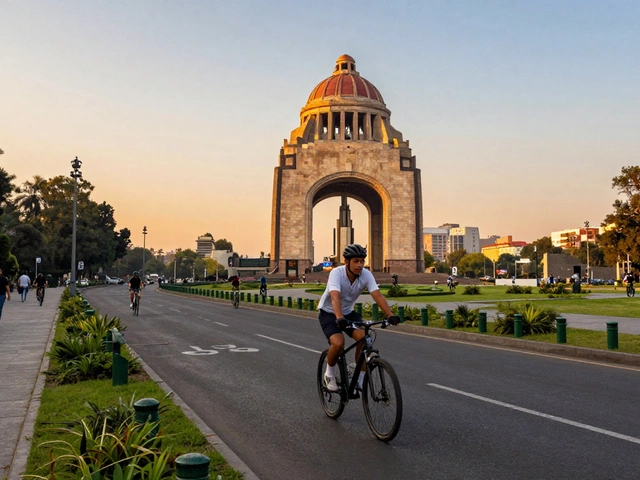
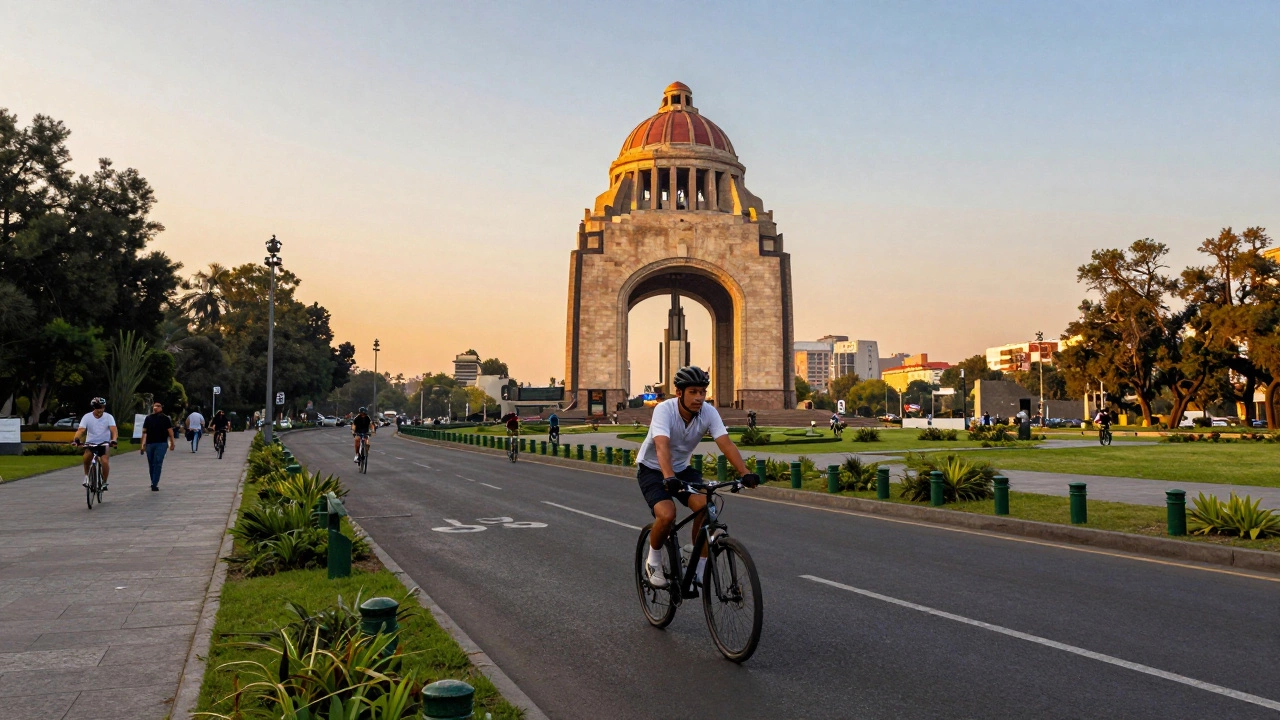
However, it’s important to be realistic. Mexico City is huge. Riding from Polanco to Coyoacán is a marathon, not a commute. The bike-friendliness is concentrated in specific corridors. The route along Paseo de la Reforma is iconic, offering wide, separated lanes past the Monument to the Revolution. Similarly, the path running alongside the Metrobús Line 1 provides a safe, high-capacity artery for commuters. If you stick to these main arteries, the experience is smooth. Venture into smaller residential streets, and you’ll find yourself navigating around delivery trucks and parked cars again.
The Runner-Up: Guadalajara’s Cultural Shift
If Mexico City is about scale, Guadalajara is about community. Located in Jalisco, this city has invested heavily in creating a culture of cycling rather than just laying down concrete. The Sistema Bicicletas Guadalajara is newer than its northern neighbor’s, but it punches above its weight in terms of user satisfaction.
Guadalajara’s topography is flatter than many Mexican cities, which makes riding less of a workout and more of a leisure activity. The city has prioritized connecting cultural hubs. You can easily ride from the historic center, past the Bellas Artes theater, and out toward the Periférico beltway using dedicated lanes. What sets Guadalajara apart is its approach to traffic calming. Many neighborhoods have implemented "superblocks" where cars are restricted during certain hours, allowing residents to reclaim streets for walking and cycling.
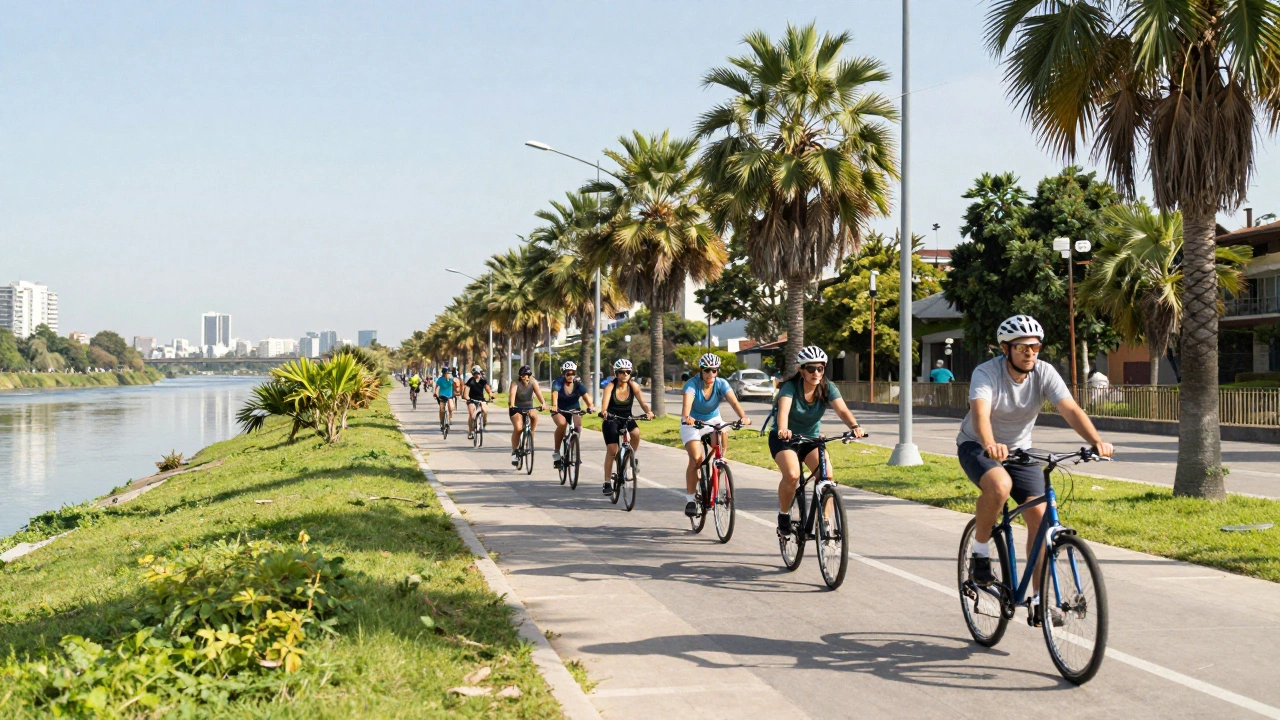
For visitors, the highlight is the connection to the riverfront parks. The Malecón area offers scenic routes that blend urban cycling with nature. It feels less chaotic than Mexico City because the population density is lower, and the traffic flow is generally more predictable. If you prefer a relaxed ride with fewer intersections to navigate, Guadalajara is often the preferred choice among expats and long-term travelers.
The Hidden Gem: Querétaro’s Planned Precision
Sometimes, the best place to ride isn’t the biggest city. Querétaro, located in the central highlands, is frequently overlooked by international guides, but locals will tell you it’s the easiest city to cycle in Mexico. Why? Because it was planned with modern logistics in mind.
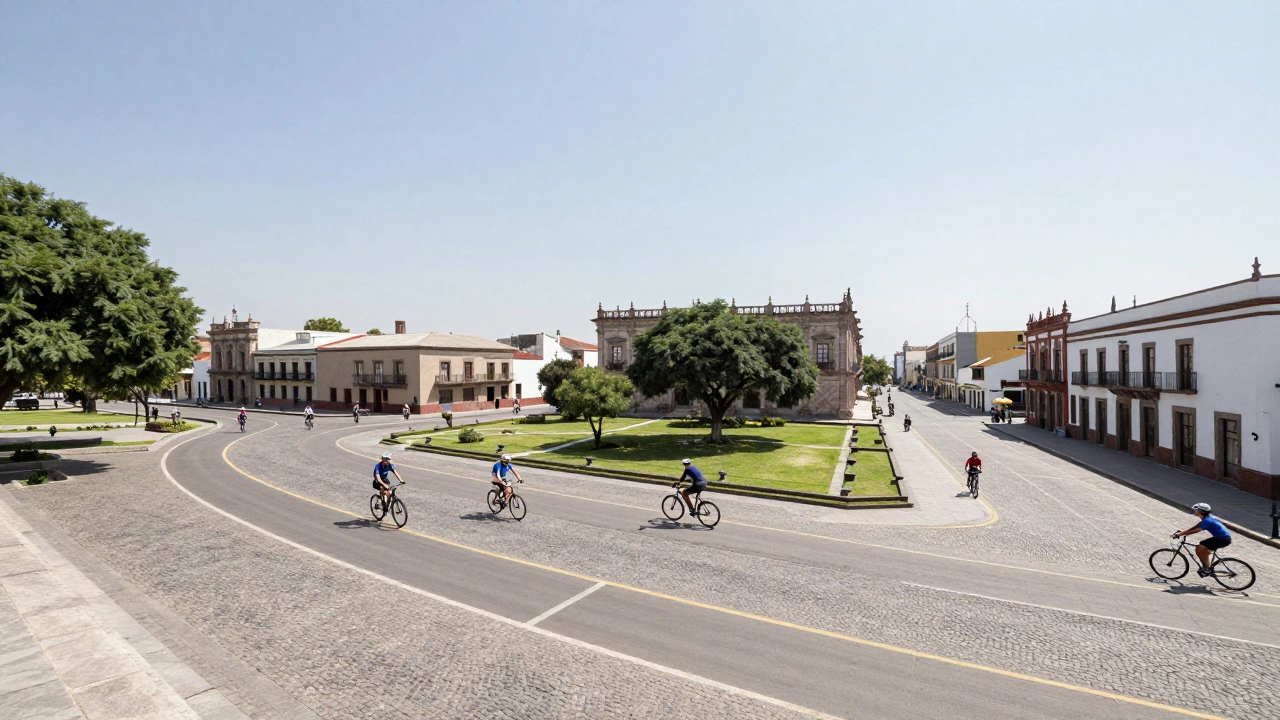
Querétaro has a compact historic center surrounded by a well-defined ring road. The city has invested in a continuous loop of bike lanes that encircles the downtown area, connecting it to the university districts and tech parks. The Biciplaneta program supports this infrastructure with free rentals for students and affordable options for tourists.
The air quality in Querétaro is generally better than in Mexico City or Guadalajara, thanks to its elevation and wind patterns. This makes long rides more enjoyable. The routes are flat, well-lit, and maintained. You won’t find the sheer volume of miles here, but what exists works efficiently. There are fewer potholes, fewer illegal parking obstructions, and a stronger sense of respect for cyclists among drivers. It’s a city where cycling feels like a normal part of daily life, not an act of rebellion.
Comparing the Top Contenders
| City | Total Lane Km (Approx.) | Rental System | Best For | Key Challenge |
|---|---|---|---|---|
| Mexico City | 400+ km | EcoBici | Commuters & Tourists | Traffic Density |
| Guadalajara | 150+ km | BiciGDL | Cultural Exploration | Hilly Terrain in Outskirts |
| Querétaro | 80+ km | Biciplaneta | Leisure & Safety | Limited Network Size |
| Monterrey | 120+ km | BiciMetro | Scenic Views | Heat & Hills |
Safety and Practical Tips for 2026
Knowing where to ride is only half the battle. Understanding how to stay safe is crucial. Even in the most bike-friendly cities in Mexico, defensive cycling is a must. Here are some practical rules to follow:
- Stick to the Green: Only ride in designated green lanes or protected paths. Riding on the shoulder of a highway or mixed with heavy traffic is dangerous and often illegal.
- Use Lights: Even during the day, use front and rear lights. Visibility is key, especially in Mexico City where smog can reduce clarity.
- Avoid Rush Hour Chaos: In Mexico City, rush hour (7-9 AM and 6-8 PM) sees a surge in bikers, but also a surge in aggressive driving. If you are a beginner, ride mid-morning or late afternoon.
- Secure Your Gear: Use U-locks. Bike theft is a reality in all major cities. Never leave your bike unattended without locking it to a fixed object.
- Hydrate: Mexico’s altitude and sun can catch you off guard. Drink water before you feel thirsty.
The Role of Technology in Mexican Cycling
In 2026, technology plays a bigger role in cycling than ever before. Apps like Google Maps and Waze now have dedicated cycling layers that show safe routes, avoiding highways and steep hills. Additionally, local apps provide real-time data on EcoBici station availability, so you never arrive at a dock only to find it full.
Electric bikes are also becoming more common. Companies like Lime and Voi operate e-scooter and e-bike fleets in select zones of Mexico City and Guadalajara. This hybrid approach helps bridge the gap for those who find traditional cycling too physically demanding due to heat or distance.
Future Outlook: Where is the Movement Heading?
The trend is clear: Mexico is moving towards sustainable urban mobility. The government has pledged to expand protected lane networks by another 200 kilometers by 2030. Cities like Puebla and León are beginning to invest in similar infrastructure, suggesting that the "most bike-friendly" title might become a rotating crown in the coming years.
For now, if you want the extensive network and urban energy, go to Mexico City. If you want a cultural, relaxed vibe, choose Guadalajara. If you want safety and simplicity, pick Querétaro. Each offers a unique window into how Mexico is reimagining its streets for two wheels.
Is it safe to ride a bike in Mexico City?
Yes, provided you stick to the designated bike lanes and protected paths. Areas like Polanco, Condesa, Roma, and the Historic Center have excellent infrastructure. However, always remain vigilant, wear a helmet, and avoid riding in mixed traffic where possible.
Do I need my own bike to explore these cities?
No. All three top cities-Mexico City, Guadalajara, and Querétaro-have robust public bike-sharing systems (EcoBici, BiciGDL, and Biciplaneta). You can register via their apps and rent bikes by the minute or hour.
Which city has the flattest terrain for cycling?
Querétaro and parts of Guadalajara are relatively flat, making them easier for beginners. Mexico City has some hilly areas, particularly in the southern boroughs, but the central corridors are mostly manageable.
Can I cycle in Mexico during the rainy season?
You can, but it requires caution. Rainy seasons typically run from June to September. Puddles can hide potholes, and roads become slippery. It’s best to check the weather forecast and avoid riding during heavy downpours.
Are there cycling tours available for tourists?
Yes, especially in Mexico City and Guadalajara. Many companies offer guided tours that take you through historic sites, markets, and parks. These are great for first-timers who want to learn the layout and safety norms.
You might like