Where Is Most Sports Equipment Made? A Global Manufacturing Guide

Global Sports Equipment Manufacturing Explorer
Select a type of sports equipment below to see its primary global manufacturing hub, the key advantages of that region, and notable brands sourced there.
Loading...
RegionPrimary Products
...
Key Advantage
...
Major Brands Sourced
...
You pick up a basketball, and it feels familiar. The rubber is grippy, the seams are tight, and the brand logo is embossed on the side. But where did that ball actually start its life? It didn’t pop out of a factory in your local city. It likely traveled thousands of miles before hitting the shelf. If you’ve ever wondered where is most sports equipment made, the answer isn’t just one country. It’s a complex web of specialized hubs, each doing what they do best.
Think about your running shoes. They might have a German design, Italian leather, but the actual assembly happened in Vietnam or Indonesia. Why? Because labor costs, material availability, and historical expertise play huge roles. Understanding this map helps you appreciate the product more. It also helps you spot quality differences when you’re shopping. Let’s break down the global landscape of sports gear production.
The Undisputed King: China’s Role in Hard Goods
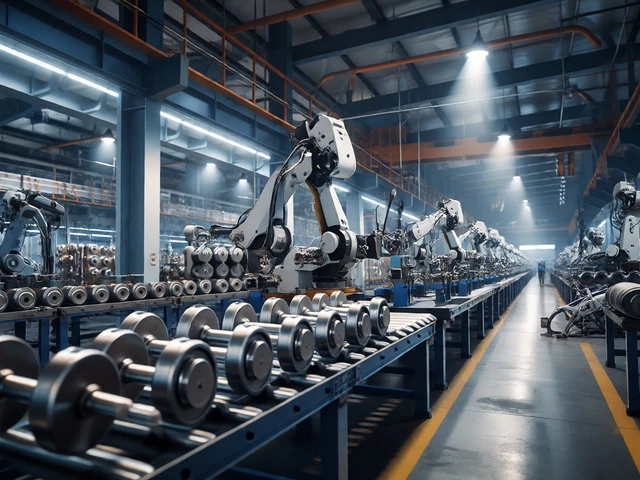
China remains the largest manufacturer of sports equipment globally. For decades, it has been the go-to destination for hard goods. We’re talking about things like dumbbells, yoga mats, bicycle frames, and protective gear. The reason is simple: scale and infrastructure. China built massive industrial zones dedicated to plastics, metals, and composites. This allows factories to produce millions of units quickly and cheaply.
However, the story is changing. While China still dominates volume, many premium brands are moving high-end production elsewhere. Why? Rising labor costs and trade tariffs. But don’t mistake this for a decline. China is now focusing on automation and higher-value items. You’ll still find most of your gym weights and home fitness machines coming from Guangdong province. It’s the heart of the hardware world.
Vietnam and Indonesia: The Footwear Powerhouses
If you look at the sole of your Nike Air Max or Adidas Ultraboost, you’ll likely see "Made in Vietnam" or "Made in Indonesia." These two Southeast Asian nations have taken over the footwear market. Vietnam produces nearly half of all athletic shoes sold worldwide. It’s not just about cheap labor anymore. Vietnamese factories have invested heavily in skilled craftsmanship and technology transfer from major brands.
Indonesia follows closely behind, especially for larger volumes and specific types of athletic wear. Brands like Puma and New Balance rely heavily on these regions. The shift happened gradually. As wages rose in China, companies looked south. Today, Vietnam offers a stable political environment and growing technical expertise. This makes it ideal for complex shoe construction, which requires precision stitching and bonding.
India: The Textile and Leather Hub
While Asia handles the hard goods and shoes, India rules the textile sector. Think about your cricket bats, footballs, and tennis balls. A significant portion comes from India. Jalandhar in Punjab is famously known as the sports goods capital of India. Here, artisans craft everything from soccer balls to hockey sticks using traditional methods combined with modern standards.
India is also a major supplier of leather for gloves and baseball equipment. The country’s strength lies in raw material access and a deep pool of skilled manual laborers. If you buy a high-quality leather boxing glove, there’s a good chance it was stitched in Kanpur or Chennai. The craftsmanship here is often superior to machine-made alternatives, offering durability that lasts years.
Pakistan: The Football Factory of the World
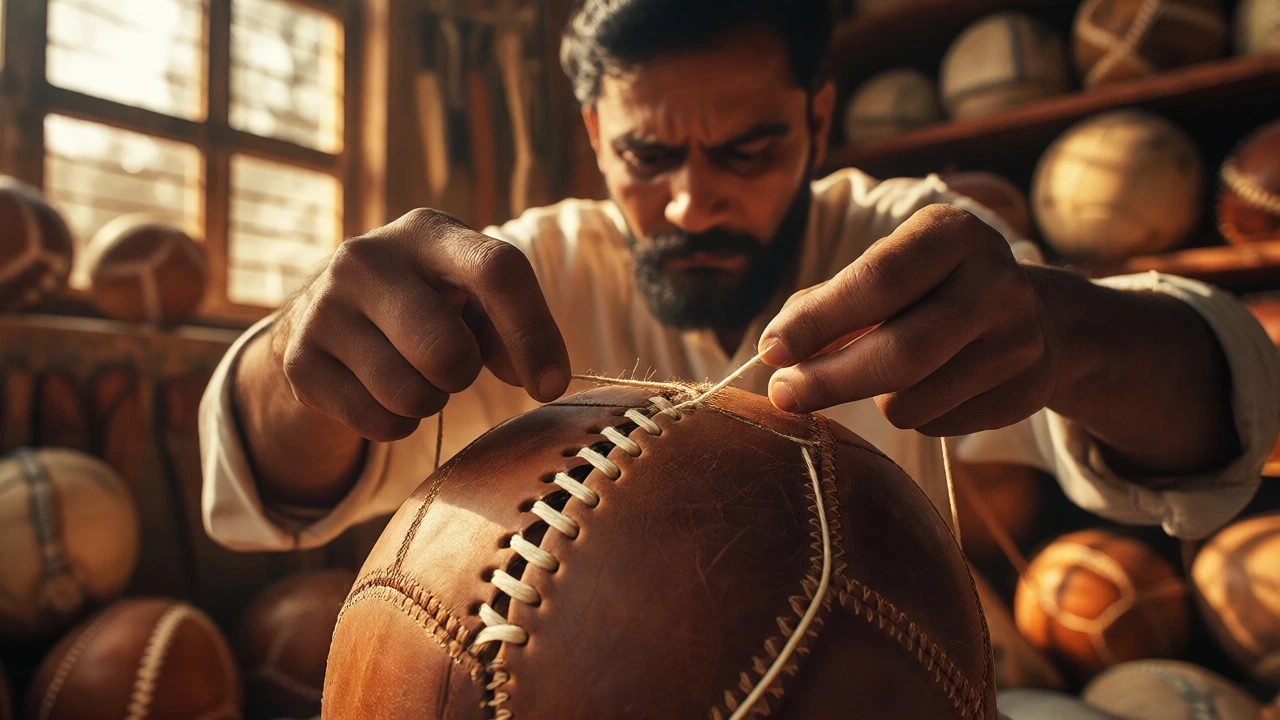
You might be surprised to learn that Pakistan, specifically Sialkot, manufactures about 70% of the world’s hand-stitched footballs. Yes, the official match balls for FIFA tournaments often start their journey here. This city has a century-long tradition of making sports gear. Families pass down skills from generation to generation.
Sialkot doesn’t just make balls. It produces boxing gloves, snooker cues, and rugby balls too. The focus here is on hand-crafted quality. Machines can stamp out synthetic panels, but the intricate stitching required for professional-grade footballs still relies on human hands. This niche specialization protects Pakistan’s position despite competition from automated Chinese factories.
Europe and North America: Premium and Niche Markets
Does everything come from Asia? No. High-end, specialized equipment often stays close to home. Germany is famous for engineering excellence. Companies like Adidas keep some R&D and premium production lines in Herzogenaurach. Similarly, Switzerland produces precision watches for timing sports, while Italy crafts high-performance cycling components.
In North America, the United States focuses on custom and boutique items. Custom surfboards, handmade skis, and specialized fishing rods are often made locally. Why pay more? Speed, customization, and lower shipping carbon footprints. If you order a custom-fit golf club set today, it might be assembled in Ohio or California within days, not months. This proximity allows for better quality control on small batches.
| Region | Primary Products | Key Advantage | Major Brands Sourced |
|---|---|---|---|
| China | Hard goods, gym equipment, accessories | Scale, supply chain integration | Nike, Reebok, Decathlon |
| Vietnam | Athletic footwear, apparel | Skilled labor, cost efficiency | Nike, Adidas, Puma |
| India | Crickets bats, footballs, textiles | Raw materials, artisan skill | SG, SS, Nike (textiles) |
| Pakistan | Hand-stitched footballs, boxing gear | Specialized craftsmanship | FIFA, Adidas, Wilson |
| USA/Germany | Premium tech, custom gear | R&D, speed, quality control | Adidas, TaylorMade, Specialized |
Why Does Location Matter to You?
You might ask, "Do I care where my tennis racket is made?" Sometimes, yes. Location affects price, quality, and ethics. Products made in regions with strict labor laws might cost more but offer better worker conditions. Conversely, mass-produced items from low-cost hubs are affordable but may lack individual attention.
Consider durability. A hand-stitched football from Pakistan will likely last longer than a glued synthetic one from a high-volume Chinese factory. If you’re a casual player, the cheaper option works fine. If you’re a semi-pro, investing in gear from a specialized hub pays off. Also, think about sustainability. Shipping a heavy treadmill from China adds significant carbon emissions compared to buying a locally assembled version.
The Future: Reshoring and Automation
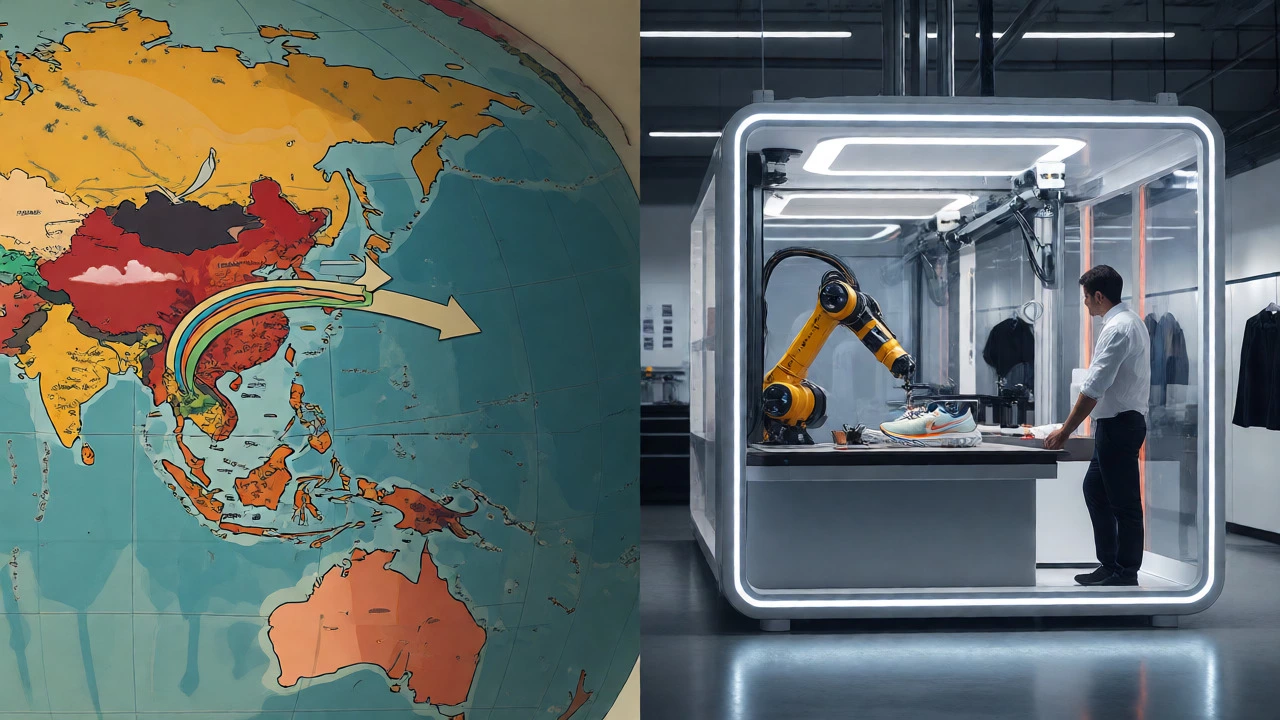
The map isn’t static. We’re seeing a trend called reshoring. Some US and European brands are bringing production back home. Why? To reduce dependency on long supply chains exposed to disruptions like pandemics or geopolitical tensions. Automation plays a big role here. Robots can now knit socks or mold plastic parts faster than humans, reducing the need for cheap overseas labor.
Look at companies like Under Armour or New Balance opening automated factories in the US. They can produce customized shoes in hours instead of weeks. This shift means the future of sports equipment manufacturing will be more distributed. Instead of one giant factory in Asia, we’ll see smaller, smart factories closer to consumers.
Which country makes the most sports equipment overall?
China is currently the largest manufacturer by volume, particularly for hard goods like gym equipment, bicycles, and accessories. However, for footwear specifically, Vietnam holds the top spot.
Are products made in Vietnam higher quality than those made in China?
Not necessarily. Quality depends on the brand's quality control standards, not just the country. Vietnam has become highly specialized in footwear, so many premium shoe models are produced there due to skilled labor availability, whereas China excels in diverse hard goods.
Where are most footballs manufactured?
Pakistan, specifically the city of Sialkot, produces approximately 70% of the world's hand-stitched footballs. Many other countries produce synthetic, machine-made balls, but the traditional high-end match balls largely originate from Pakistan.
Why is sports equipment manufactured in different countries?
Different countries specialize based on available resources, labor skills, and infrastructure. For example, India has strong textile traditions, Vietnam has skilled footwear assembly workers, and China has extensive metal and plastic processing capabilities.
Is buying locally made sports equipment better?
It depends on your priorities. Local production often supports the domestic economy and reduces shipping emissions. However, it may come at a higher price point. For specialized items like custom surfboards or ski bindings, local manufacturing often ensures better fit and service.
You might like