
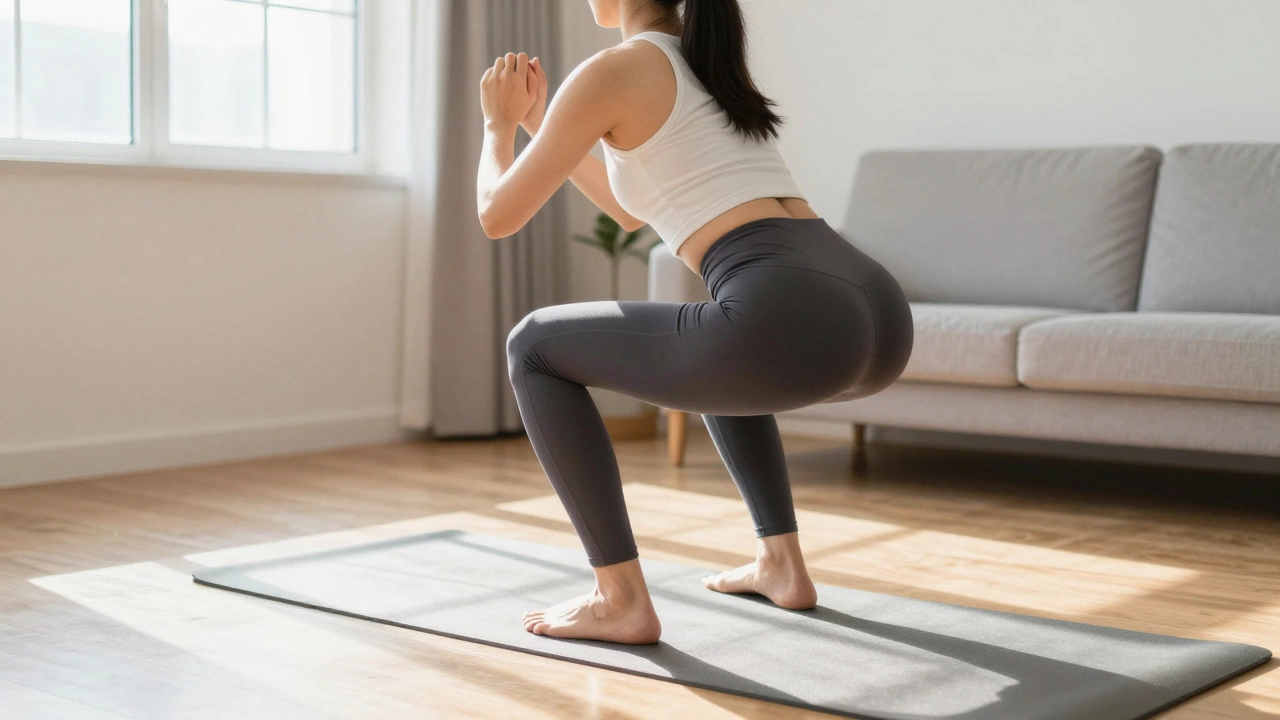
100 Squats a Day: Results & Calorie Calculator
You’ve probably seen the social media posts. A person stands in their living room, counts to one hundred, and claims they have transformed their physique overnight. It sounds too easy, right? Does doing 100 squats a day actually change your body, or is it just another internet trend that fizzles out after week two?
The short answer is yes, it does something. But whether that "something" matches your goals depends entirely on how you approach it. If you are currently inactive, this routine will wake up your muscles. If you are an experienced lifter, it might do very little for strength but could help with endurance. Let’s break down what happens to your body when you commit to this daily habit, why form matters more than speed, and how to avoid the common pitfalls that lead to injury.
What Happens to Your Body When You Start?
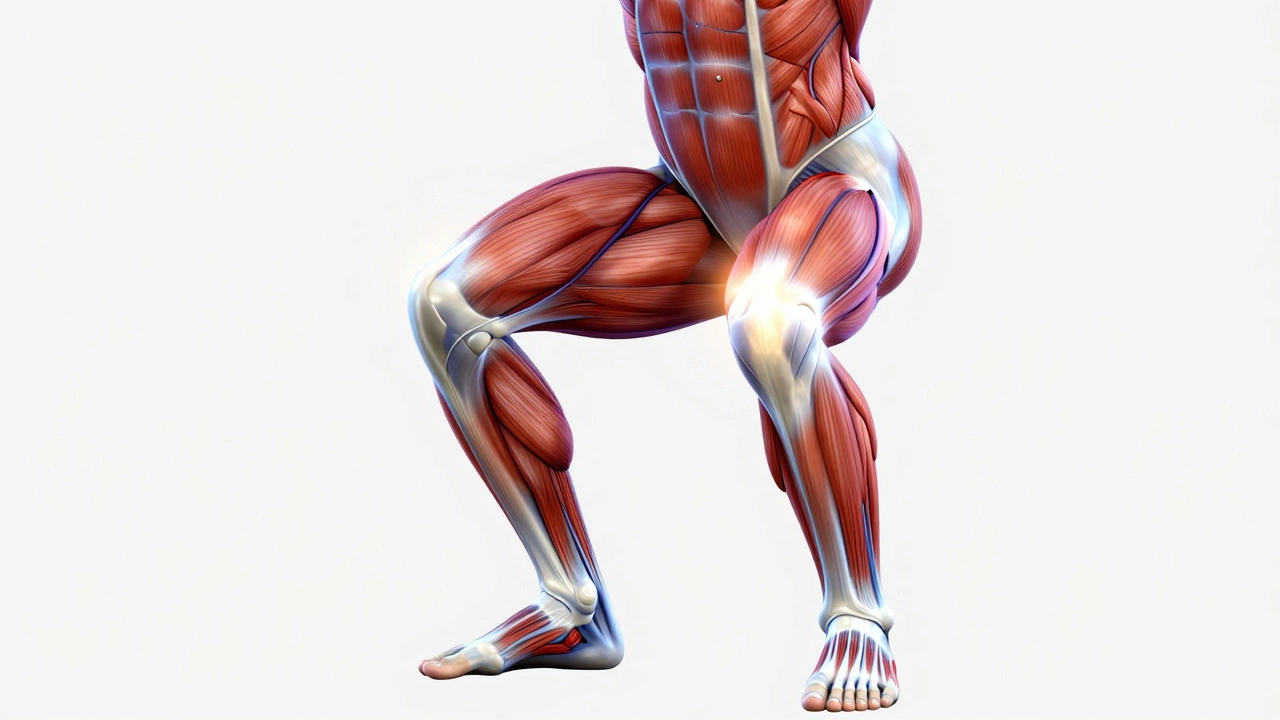
When you first start doing 100 squats a day, your body treats it as a significant stressor. The primary muscles involved are the quadriceps (front of the thigh), glutes (buttocks), hamstrings (back of the thigh), and calves. Your core also works hard to keep you upright.
In the first week, you will likely feel soreness. This is called Delayed Onset Muscle Soreness (DOMS). It peaks around 48 hours after the first session. Many people mistake this pain for damage, but it is actually a sign of muscle adaptation. As you continue, the soreness decreases because your nervous system becomes more efficient at recruiting these muscle fibers.
Here is the reality check: doing the same number of repetitions every day without adding weight or changing intensity leads to a plateau. Your body adapts quickly. After three to four weeks, 100 squats might feel like a warm-up rather than a workout. To see continued progress, you eventually need to increase the difficulty by slowing down the movement, adding pauses, or incorporating resistance bands.
Strength vs. Endurance: What Are You Building?
It is crucial to understand the difference between strength and muscular endurance. Strength is about how much force you can generate in a single effort. Endurance is about how long you can sustain an effort over time.
A set of 100 bodyweight squats falls squarely into the endurance category. You are training your muscles to resist fatigue. This is excellent for general health, joint stability, and daily functional movements like standing up from a chair or climbing stairs. However, if your goal is to build massive leg size or lift heavy weights, 100 unweighted squats alone won’t get you there. Hypertrophy (muscle growth) typically requires progressive overload-gradually increasing the weight or resistance placed on the muscles.
Think of it this way: running a marathon builds incredible endurance, but it doesn’t necessarily make you faster in a 100-meter sprint. Similarly, 100 squats build stamina in your legs, not maximum power. For many beginners, though, building that baseline endurance is the most important first step before moving to heavier loads.
| Goal | Best Squat Approach | Why It Works |
|---|---|---|
| Muscular Endurance | 100+ reps, low rest | Trains muscles to work longer without tiring |
| Strength & Power | 5-10 reps, heavy weight | Recruits fast-twitch muscle fibers for max force |
| Muscle Growth (Hypertrophy) | 8-12 reps, moderate weight | Creates optimal metabolic stress for tissue repair |
| Joint Health/Mobility | Slow tempo, full range of motion | Lubricates joints and improves flexibility |
The Hidden Risks: Why Form Beats Speed Every Time
The biggest danger in a "100 squats a day" challenge is ego. People rush through the reps to hit the number, sacrificing form for speed. This is where injuries happen. Poor technique puts unnecessary strain on your lower back and knees.
Common mistakes include:
- Knees caving inward: This stresses the knee ligaments. Keep your knees aligned with your toes.
- Rounding the lower back: Often called "butt wink," this happens when you lack hip mobility. It compresses the spine.
- Heels lifting off the ground: This shifts weight to the balls of your feet, destabilizing the knee. Drive through your heels.
- Not going deep enough: Half-reps reduce muscle activation. Aim for thighs parallel to the floor or lower, if your mobility allows.
If you have pre-existing knee issues or lower back pain, consult a physical therapist before starting. Doing 100 squats daily without adequate recovery can exacerbate joint inflammation. Listen to your body. Sharp pain is a stop signal; dull ache is usually manageable.
How to Structure Your Daily Routine
You don’t have to do all 100 squats in one go. In fact, breaking them up is often better for maintaining good form. Here are three effective ways to structure your day:
- The All-In-One Set: Do 100 squats in a single block. This is mentally tough and great for building mental resilience. Rest 30 seconds if needed, but keep the intensity high.
- The Split Method: Do 25 squats four times a day (morning, noon, afternoon, evening). This keeps your metabolism active throughout the day and reduces fatigue-related form breakdown.
- The Pyramid Style: Do 10, then 20, then 30, then 20, then 10. This varies the load on your muscles and feels less monotonous.
Consistency is the key metric here. Missing a day isn’t the end of the world, but trying to make up 200 squats the next day is a recipe for injury. Aim for daily practice, but allow yourself rest days if you feel overly fatigued or sore.
Nutrition and Recovery: The Other Half of the Equation
Exercise stimulates change; nutrition and sleep facilitate it. If you are eating poorly and sleeping six hours a night, 100 squats won’t magically fix your health. Your muscles need protein to repair the micro-tears caused by exercise. Aim for a balanced diet with sufficient lean protein, complex carbohydrates for energy, and healthy fats.
Hydration is also critical. Dehydrated muscles cramp more easily and recover slower. Drink water consistently throughout the day, not just during your workout. Sleep is when your body releases growth hormone, which aids in tissue repair. Prioritize seven to nine hours of quality sleep to maximize the benefits of your daily squats.
When to Level Up: Avoiding the Plateau
As mentioned earlier, your body adapts. Once 100 squats feel easy, you need to introduce variation to keep seeing results. Here is how to progress:
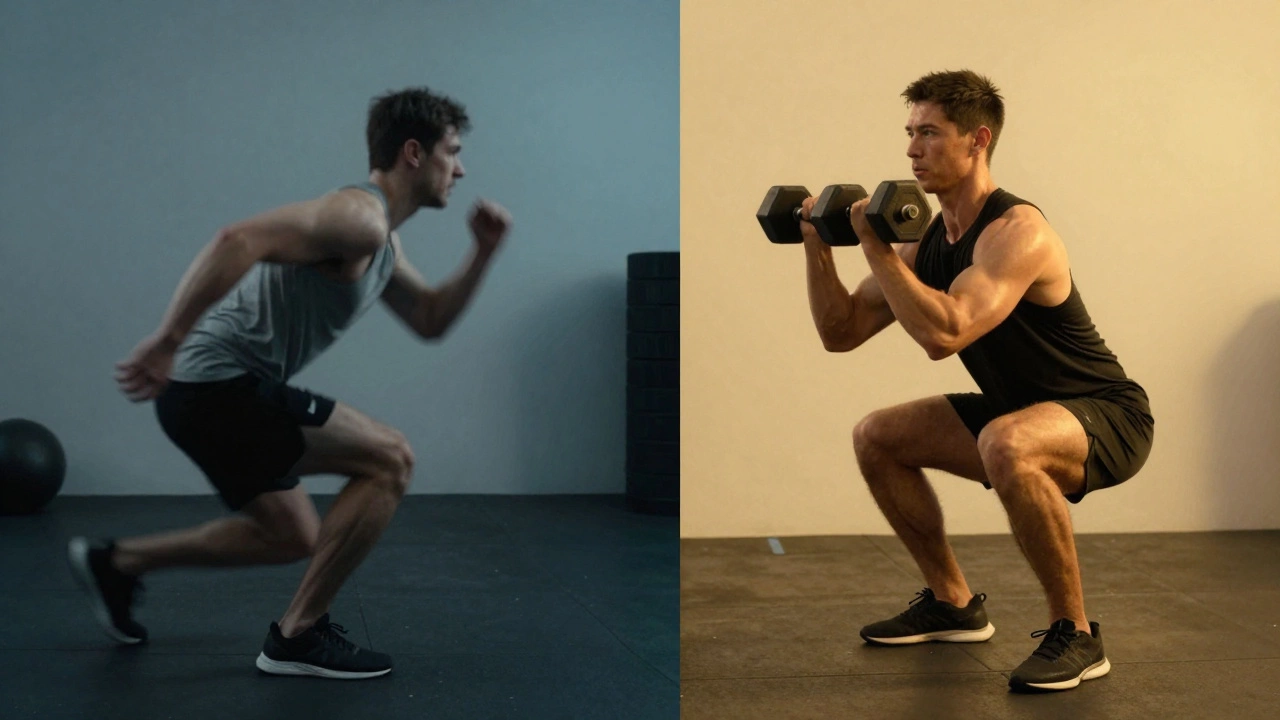
- Add Resistance: Hold dumbbells, a kettlebell, or wear a weighted vest. Even a backpack filled with books works.
- Change Tempo: Take three seconds to lower yourself down, pause for one second at the bottom, and explode up. This increases "time under tension," which boosts muscle growth.
- Try Variations: Switch to jump squats for power, pistol squats (one-legged) for balance and strength, or sumo squats to target inner thighs.
- Decrease Rest: If you used to rest between sets, try doing them continuously. Or, shorten the rest period between sets.
Progressive overload is the golden rule of fitness. Whether you add weight, slow down, or change the angle, you must constantly challenge your body to keep improving.
Who Should Skip This Challenge?
While 100 squats a day is beneficial for many, it is not for everyone. Beginners with severe mobility restrictions might find the depth difficult to achieve safely. Individuals with recent knee or hip surgeries should follow their doctor’s rehabilitation plan rather than a generic internet challenge. Pregnant women should consult their healthcare provider, as balance and pelvic floor pressure change significantly during pregnancy.
If you fall into any of these categories, consider modified versions like box squats (sitting back onto a chair) or wall sits, which provide similar benefits with less risk.
How long does it take to see results from 100 squats a day?
Most people notice improved endurance and less soreness within the first two weeks. Visible changes in muscle tone, particularly in the glutes and thighs, typically appear after 4 to 6 weeks of consistent practice combined with proper nutrition. Significant strength gains may take longer unless you add resistance.
Can I do 100 squats a day to lose weight?
Squats burn calories, but 100 bodyweight squats only burn about 30-50 calories depending on your weight and speed. Weight loss is primarily driven by a calorie deficit in your diet. While squats help build muscle (which boosts metabolism slightly), they are not a magic bullet for fat loss. Combine them with cardio and a healthy diet for best results.
Is it bad to do squats every day without rest?
For beginners, daily squats can lead to overuse injuries if form is poor or if you push through pain. Muscles need time to repair. If you experience sharp joint pain or extreme fatigue, take a rest day. Listening to your body is crucial. Many experts recommend taking one or two rest days per week to allow for full recovery.
Do I need equipment to do 100 squats a day?
No, the basic challenge uses only your body weight. However, having a mat can protect your knees and back. As you progress, adding resistance bands or dumbbells can help you continue to see results once bodyweight becomes too easy.
Will 100 squats a day make my thighs bulky?
For most people, especially women, bodyweight squats will tone and firm the legs rather than create massive bulk. Significant muscle hypertrophy requires heavy lifting and a caloric surplus. If your goal is slimming, combine squats with cardiovascular exercise and a balanced diet.
You might like