Cycling Predictability Simulator
Test your instincts! Choose the most predictable action for each road scenario.
Key Takeaways for Safer Riding
- Predictability is the golden rule: never make sudden, unexpected moves.
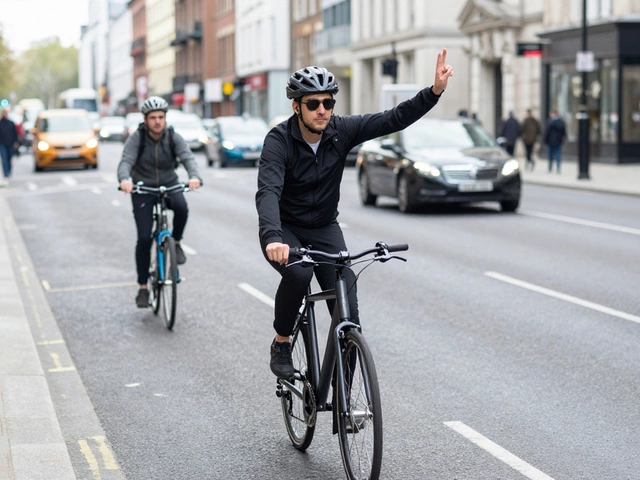
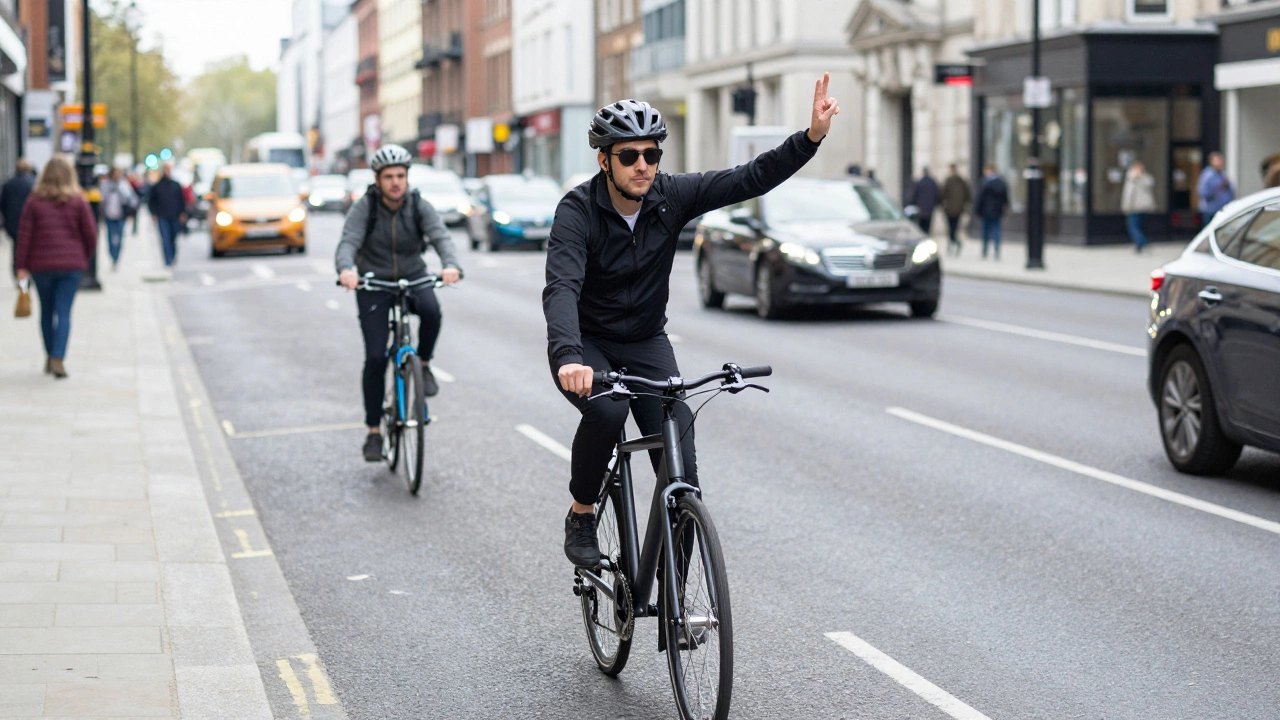
- Signal your turns and stops clearly using hand gestures.
- Maintain a steady line of travel to help drivers anticipate your path.
- Follow the flow of traffic and obey all road signs to avoid confusion.
- Communication with fellow cyclists prevents pile-ups in group rides.
Why Predictability Trumps Everything Else
Imagine you're driving a car and a cyclist suddenly swerves across three lanes to avoid a pothole without looking. Even the most attentive driver can't react in milliseconds to a move they didn't see coming. This is why Predictability is the foundation of all Cycling Routes safety. When you are predictable, you remove the guesswork for others. You aren't just a moving object; you're a coherent part of the traffic flow.
Think about it like a conversation. If someone stops talking mid-sentence and walks away, you're confused. Road traffic is the same. When you ride in a straight line and signal early, you're "talking" to the cars around you. A rider who drifts aimlessly or weaves between cars is essentially screaming nonsense at the traffic, and that's when accidents happen.
The Art of Signaling and Communication
Since you don't have blinkers or brake lights, your body is your communication tool. To stay predictable, you need to master a few basic moves. Don't wait until the last second to signal a turn; give the driver behind you at least three to five seconds to process the information. Extend your arm fully and clearly. If you're slowing down, a slight wave of the hand or a visible shift in posture helps.
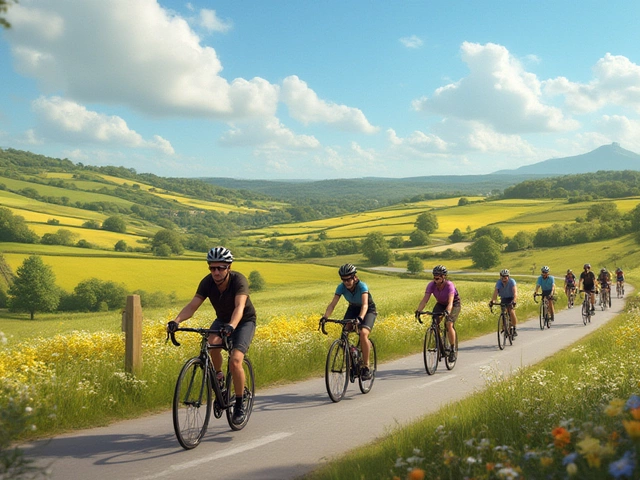
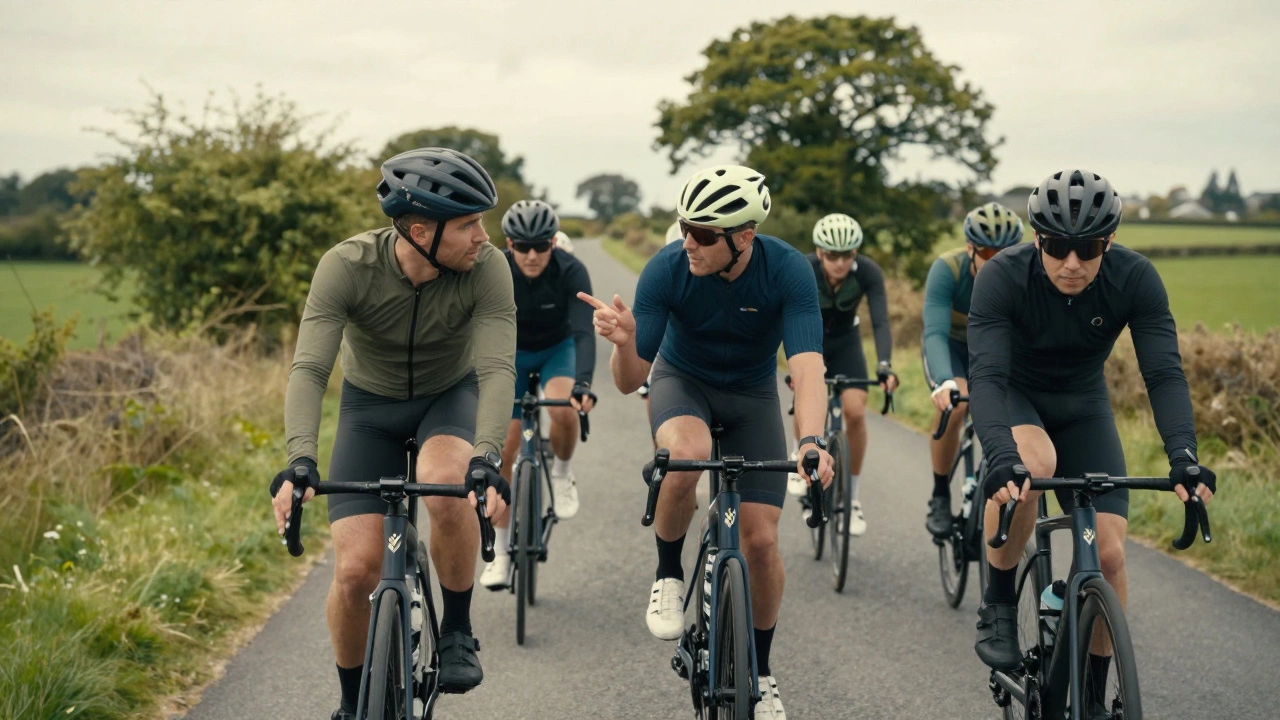
In a group setting, this becomes even more critical. You'll often hear experienced riders shout "Car up!" or "Slowing!" This verbal communication keeps the group from accordioning-where the front rider slows down and the last rider slams into them because they didn't see the change. Using Hand Signals in a group ensures that everyone knows exactly where the lead rider is going, which is essential for navigating tight corners or busy intersections.
Choosing and Navigating Safe Cycling Routes
Your choice of path dictates how much you need to rely on predictability. High-traffic arterial roads require maximum vigilance, while dedicated Bike Lanes allow for a bit more breathing room. However, the rule remains: don't assume a bike lane makes you invisible or immune. Drivers often overlook these lanes when turning right, creating a dangerous "blind spot" scenario.
| Route Type | Risk Level | Primary Communication Need | Predictability Focus |
|---|---|---|---|
| City Streets | High | Hand signals & Eye contact | Lane positioning |
| Dedicated Cycle Paths | Low | Audible warnings (Bells) | Passing etiquette |
| Rural/Country Roads | Medium | Visibility (Lights/Gear) | Consistent shoulder riding |
| Mountain Bike Trails | Medium | Voice alerts ("Rider up!") | Trail direction/flow |
When planning your ride, look for routes that offer "separated infrastructure." This means there's a physical barrier between you and the cars. While it feels safer, don't let it make you lazy. Even on a separated path, a sudden stop to look at a map can cause a collision if the riders behind you aren't expecting it. Always pull over completely if you need to check your navigation.
Positioning Yourself for Maximum Visibility
Where you place your bike on the road tells a story. If you're hugging the curb too tightly, you might be tempted to swerve suddenly to avoid a piece of glass or a parked car door. This "last-second dodge" is the opposite of predictability. Instead, take the lane when it's safer to do so. By riding in the center of the lane on narrow roads, you force drivers to see you and wait until it's safe to pass.
This doesn't mean being aggressive; it means being visible. When you take the lane, you're essentially saying, "I am here, and I am occupying this space." This prevents drivers from trying to squeeze past you in a gap that's too small, which often leads to "sideswiping." Just remember to move back toward the edge when you see a line of cars waiting to pass and there's a safe gap to do so.
Dealing with the Unexpected: Potholes and Hazards
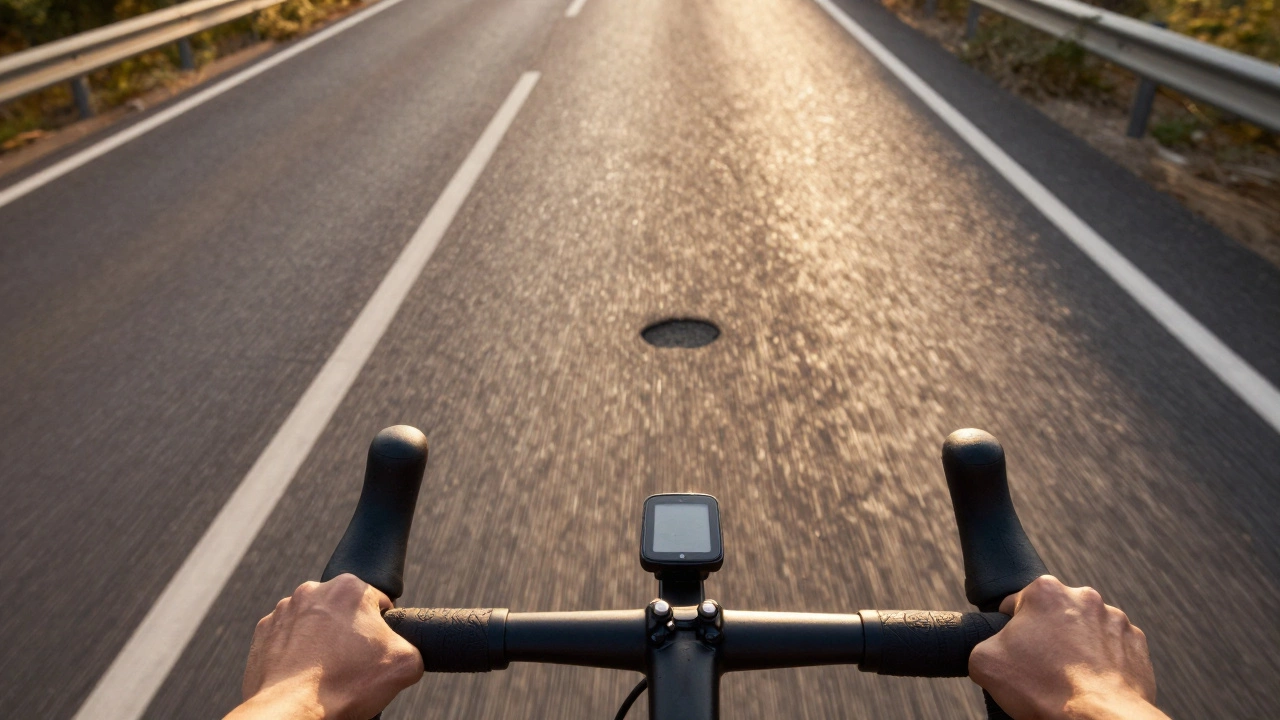
Roads are rarely perfect. You'll encounter Road Hazards like potholes, gravel, or drainage grates. The instinct is to jerk the handlebars away the moment you see the hole. Instead, scan ahead. If you see a hazard 20 feet away, you can make a gradual, smooth adjustment to your line. This gives the driver behind you time to adjust their speed or position.
If you absolutely must make a sudden move, try to do it with a quick glance over your shoulder. If you make eye contact with a driver before you swerve, they are much more likely to react correctly. It's a small human connection that can prevent a major accident. Remember, a driver can't react to a move they don't see; your goal is to make your a-to-b movement as linear and logical as possible.
The Social Contract of the Road
Cycling is a social activity, even when you're alone. You're entering into a silent agreement with every other road user. When you follow the rules of the road-stopping at red lights, not riding against traffic, and signaling-you build trust. When cyclists act unpredictably, it reinforces negative stereotypes and makes the road more hostile for everyone.
Think about the times you've been frustrated by a driver. Usually, it's because they did something unexpected. The same applies to you. Be the rider that drivers describe as "easy to follow." When you are predictable, you're not just protecting yourself; you're making the road safer for the person in the car and the pedestrian on the sidewalk. It's a win-win for everyone's safety.
What if a driver ignores my hand signals?
If you notice a driver isn't acknowledging your signal, the safest move is to assume they haven't seen you. Avoid making the turn or the move until you have made eye contact or the driver has clearly slowed down. Your safety is more important than keeping a schedule; it's better to wait five seconds for a driver to notice you than to guess their intentions.
Is it always legal to take the lane?
In many regions, taking the lane is legal and encouraged when the lane is too narrow to safely share with a car (usually less than 9-10 feet). Check your local laws, but generally, if riding on the shoulder forces you into dangerous debris or puts you too close to the curb, moving toward the center is a safety necessity. The key is to do it predictably and without aggression.
How do I signal a stop effectively?
While there isn't a universal "stop" hand signal like there is for turning, the best way to signal a stop is through your body language and braking. Gradually slow down so your brake lights (if you have them) or your slowing momentum is obvious. A slight wave of the hand toward the ground or a clear look over your shoulder can also signal to riders behind you that you're preparing to halt.
Should I ride with the flow of traffic or against it?
Always ride with the flow of traffic. Riding against traffic is one of the most unpredictable things a cyclist can do. Drivers expect vehicles to move in one direction; a bike coming at them from the wrong way creates a high-stress situation and significantly increases the chance of a head-on collision, especially at intersections.
What's the best way to communicate with pedestrians?
Use your voice and your bell. A friendly "On your left!" is the standard way to alert pedestrians of your presence before you pass. Avoid using a bell aggressively; a short, polite ring is usually enough to let someone know you're there without startling them into stepping into your path.
Next Steps for New Riders
If you're just starting out, don't try to master everything at once. Start by riding in a quiet neighborhood to practice your hand signals until they feel like second nature. Once you're comfortable, try a route with a dedicated bike path to get a feel for how different users interact. Finally, move to busier roads, keeping the rule of predictability at the front of your mind. If you ever feel overwhelmed by traffic, it's perfectly okay to pull over and take a breath-being calm is the first step to being predictable.
You might like