

Marathon Recovery Progress Tracker
Enter your race date above to see where you are in the physiological recovery process.
Recommended Activity Today:
Key Recovery Milestones
- Days 1-3: Acute inflammation and peak muscle soreness.
- Week 1: Initial cellular repair and restoration of glycogen stores.
- Weeks 2-4: Structural tissue repair and return to light activity.
- Month 1-3: Full hormonal and systemic recovery for high-intensity training.
The truth is that marathon recovery isn't a single event; it's a phased process. While you might feel "fine" after ten days, your internal systems are often still working overtime. If you jump back into a hard workout too soon, you're not just risking a tweaked hamstring; you're fighting against a body that is chemically depleted.
The First 72 Hours: Managing the Chaos
Immediately after a race, your body is in a state of crisis. Muscle Damage is the most obvious issue. During a marathon, you experience microscopic tears in your muscle fibers, and your intercellular fluid leaks into the surrounding tissue, causing that signature swelling and stiffness. This is often accompanied by a spike in Cortisol, the stress hormone that breaks down tissue to provide energy during the race.
During these first three days, don't even think about "training." Your only job is to facilitate blood flow and manage inflammation. Active recovery-like a very slow 20-minute walk or some light stretching-is better than sitting on the couch all day. Static sitting allows metabolic waste to pool in your legs, which actually makes the soreness last longer. Think of it as "greasing the joints" rather than exercising.
Week One: The Cellular Cleanup
By day four, the initial "cannot-walk-down-stairs" phase usually fades. However, your Glycogen Stores-the primary fuel source for your muscles-are likely still depleted. Even if you ate a massive pasta dinner after the race, it takes several days of consistent carbohydrate intake to fully saturate the muscles again.
This is the week where most runners make the mistake of "testing the waters" too early. You might feel a burst of energy on day five and decide to go for a 3-mile jog. While it might feel okay, your tendons and ligaments are still fragile. The connective tissue recovers slower than the muscles because it has less blood flow. A study on endurance athletes showed that while muscle strength returns quickly, the structural integrity of the Tendon can remain compromised for up to two weeks post-effort.
| System | Recovery Time | Primary Goal |
|---|---|---|
| Muscle Fibers | 3-7 Days | Protein synthesis and repair |
| Energy (Glycogen) | 2-5 Days | Carbohydrate reloading |
| Connective Tissue | 2-4 Weeks | Collagen remodeling |
| Immune System | 1-2 Weeks | Reducing systemic inflammation |
| Hormonal Balance | 4-8 Weeks | Cortisol normalization |
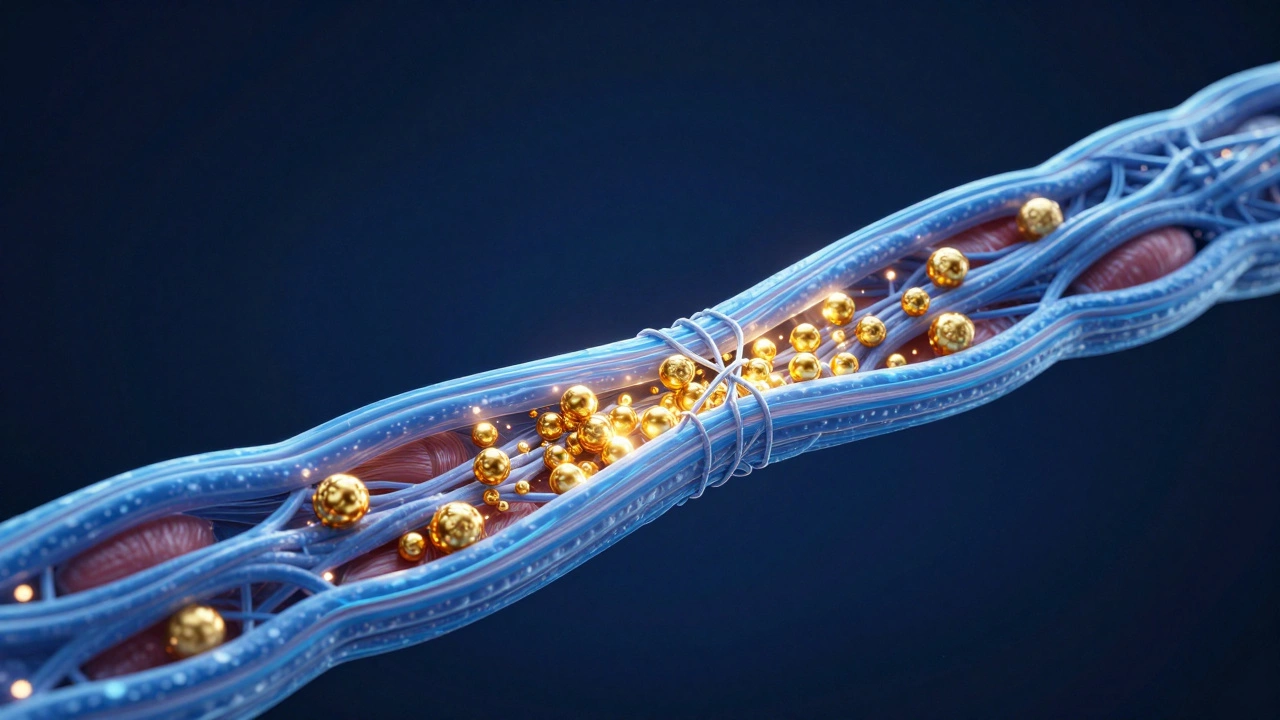
The One-Month Mark: Returning to the Routine
Between two and four weeks post-race, you enter the structural repair phase. This is where you can start introducing Zone 2 Training, which is low-intensity exercise where you can easily maintain a conversation. This keeps the cardiovascular system ticking without adding significant stress to the joints.
Why wait so long? Because of the "open window" effect. After a marathon, your Immune System is suppressed for several days. This is why so many runners catch a sudden cold or respiratory infection a week after their race. If you push too hard in week two, you're not just risking an injury; you're inviting a sickness that could sideline you for another month. Focus on sleep and high-quality proteins like salmon, eggs, or lentils to provide the amino acids necessary for tissue rebuilding.
The Deep Recovery: Why Some Take Months
For many, the "recovery" ends when they can run again. For the elite or the very dedicated, recovery ends when the Endocrine System fully resets. A marathon is a systemic shock. It affects your thyroid and adrenal glands. If you've pushed through a "wall" or suffered from severe dehydration, your body may remain in a state of low-level fatigue for months.
This is often seen as "stale" legs. You can run the miles, but you can't hit the paces. Your heart rate might be higher than usual for the same effort. This is a sign that your mitochondria-the powerhouses of your cells-are still recovering from the oxidative stress of the race. Pushing through this phase often leads to burnout or chronic fatigue. The best approach here is to spend a few weeks doing cross-training, such as swimming or cycling, which provides a cardiovascular stimulus without the pounding impact of running.

Practical Recovery Checklist
To make sure you aren't guessing, use this framework to guide your return to the road:
- Days 1-3: Walk 20 minutes daily. Hydrate with electrolytes. Sleep 8+ hours.
- Days 4-7: Light yoga or swimming. No running. Focus on anti-inflammatory foods (blueberries, turmeric, omega-3s).
- Week 2: First "test run" (2-3 miles, very slow). If any joint pain appears, stop immediately.
- Week 3: Gradually increase distance by 10-20% per week. Avoid speed work or hill repeats.
- Week 4: Reintroduce light tempo efforts if feeling 100% refreshed.
Common Recovery Pitfalls to Avoid
One of the biggest traps is the "post-race vacuum." You've spent 16 weeks training for one specific day, and once it's over, you lose all structure. Some runners stop moving entirely, while others try to start a new training plan for a second race too quickly. Both extremes are dangerous.
Avoid the urge to use ice baths for days on end. While a cold plunge immediately after a race can help numb pain, excessive icing later on can actually slow down the natural inflammatory process that is required for muscle growth and repair. Your body needs some heat and blood flow to heal. Instead of freezing your legs, try compression socks or a gentle massage to encourage lymphatic drainage.
When can I start running again after a marathon?
Most runners can start very light jogging after 7 to 10 days. However, this depends on how your body feels. If you have lingering joint pain or extreme fatigue, wait two weeks. Start with a "test run" of 2 miles at a very slow pace to see how your tendons react before increasing distance.
Is it normal to feel tired for weeks after the race?
Yes, it is very common. While muscle soreness disappears quickly, systemic fatigue-affecting your hormones and central nervous system-can last for a month or more. This is often called the "marathon hangover." It's a signal that your body needs more rest and nutrient-dense food.
Should I take a total break from all exercise?
Total bed rest is usually not recommended. "Active recovery" is far more effective. Gentle walking, swimming, or light stretching keeps blood flowing to the damaged tissues, which speeds up the removal of waste products and delivers fresh nutrients to the muscles.
What are the best foods for marathon recovery?
Focus on a mix of high-quality proteins (chicken, fish, tofu) to repair muscle fibers and complex carbohydrates (sweet potatoes, quinoa, brown rice) to refill glycogen stores. Don't forget omega-3 fatty acids from walnuts or flaxseeds to help reduce systemic inflammation.
Can I do strength training immediately after a marathon?
Avoid heavy lifting for at least 7-14 days. Your muscles are already stressed and your connective tissues are weakened. Heavy weights can easily lead to strains or tears. Stick to light mobility work or core stability exercises until your legs feel completely normal during daily activities.
Next Steps for Your Comeback
If you're feeling great and want to move forward, don't just start another plan. Take a week to reflect on your race. Where did you struggle? Was it your fueling or your pacing? Use this low-intensity period to work on your weaknesses. If your calves were tight, spend more time on ankle mobility. If you hit a wall at mile 20, look into your carbohydrate intake during your next training block. Recovery is the best time to perform a "post-game analysis" and build a stronger foundation for your next goal.
You might like