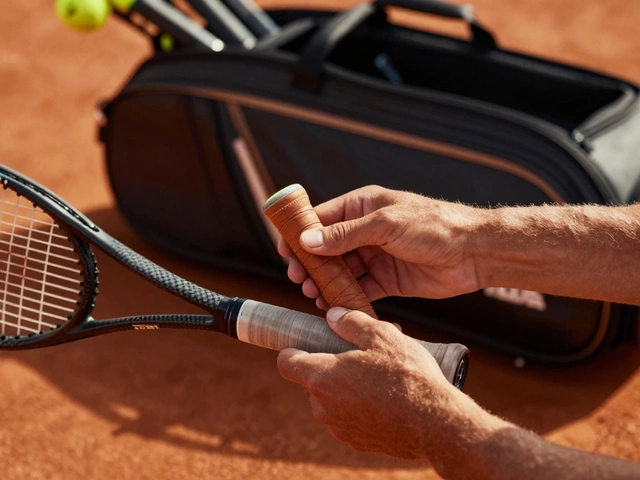
Do Athletes Use Their Own Equipment? The Truth About Sponsorships and Personal Gear

Athlete Equipment Cost Estimator
Estimated Annual Personal Equipment Costs
Imagine stepping onto the court for a championship match. Your shoes feel like they were molded specifically for your feet. Your racket has the exact weight distribution you’ve trained with for years. Now, imagine finding out that every single item in your kit was paid for by a corporation, and you aren’t allowed to swap them out without risking a hefty fine. This is the reality for most elite competitors. But does this mean athletes never use their own stuff? Not exactly. The answer is messy, expensive, and deeply tied to how much money an athlete makes.
The short answer is: it depends on who you are. A top-tier tennis star or an NBA veteran likely uses gear provided by sponsors, but they often pay out of pocket for custom modifications or backup items. Meanwhile, a college runner or a semi-pro cyclist might be buying every sock and shoe themselves. Let’s break down why this happens and where the lines are drawn between "sponsored" and "owned."
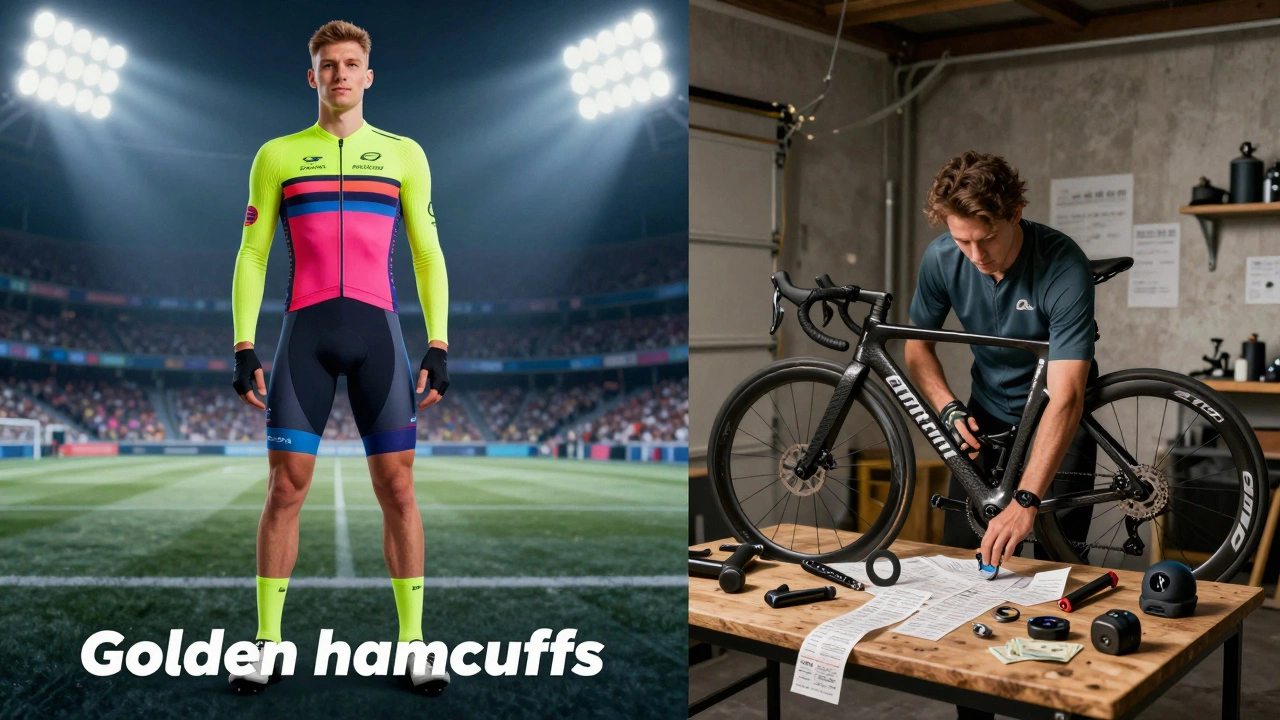
The Golden Handcuffs of Sponsorship Deals
For the biggest names in sports, equipment isn't just a tool; it's a contract obligation. When Nike signs a deal with LeBron James, it’s not just handing over free sneakers. It’s a multi-million dollar partnership where LeBron agrees to wear Nike products exclusively during games and public appearances. In exchange, he gets millions in cash, royalties, and marketing support.
This creates a situation called "exclusivity." If an athlete is under an exclusivity clause, they legally cannot wear a competitor’s brand. So, if a soccer player is sponsored by Adidas, they can’t show up to training wearing Puma boots, even if those Pumas are sitting in their closet because they bought them personally. The risk of breaching the contract is too high. Companies spend fortunes on these deals, and they expect return on investment through visibility.
- Exclusivity Clauses: Most major contracts forbid wearing rival brands.
- Appearance Fees: Athletes are often paid extra to wear specific gear in photoshoots or commercials.
- Performance Bonuses: Some deals include bonuses if the athlete wins titles while using the sponsor's product.
However, "using" the gear doesn't always mean the athlete pays zero dollars. Often, the sponsor provides the base model, but the athlete pays for customizations. A golfer might get free Titleist balls, but if they want a specific shaft flex or grip texture that isn't standard, they might order it from a local fitter and pay for it themselves. Why? Because perfection matters more than saving $50.
The Reality for Mid-Level and College Athletes
Step away from the Super Bowl or Wimbledon, and the picture changes drastically. For the vast majority of athletes, sponsorship is a privilege, not a right. If you’re playing Division I college basketball, you might get a stipend or some free apparel from a team sponsor, but you’re unlikely to have a personal endorsement deal. You’re probably buying your own warm-up clothes, your own headphones, and sometimes even your own game-day shoes if the team budget is tight.
In sports like cycling and triathlon, the cost of entry is incredibly high. A decent carbon fiber bike can cost $3,000 to $5,000. Aerodynamic helmets, power meters, and specialized clothing add thousands more. Unless you’re in the World Tour (the highest level of professional cycling), you are likely funding your own career. Many pro cyclists work second jobs or rely on family support to buy their own equipment. They might get small discounts from local bike shops, but they aren’t getting free bikes from Specialized or Trek.
| Athlete Level | Typical Funding Source | Common Expenses Paid By Athlete |
|---|---|---|
| Elite Pro (Top 100) | Sponsorships & Salaries | Custom fittings, travel, coaching, taxes |
| Mid-Tier Pro | Mix of Salary & Personal Funds | Bikes/Gear, maintenance, insurance, lodging |
| College/Amateur | Personal Savings/Family | Everything except maybe team uniforms |
The "Kit Bag" Strategy: Mixing Free and Bought
Even when athletes are fully sponsored, they often maintain a "kit bag" of personal items. Why? Because reliance on a single source can be risky. What if the sponsor delays shipping? What if the new model performs poorly? Smart athletes keep backups.
Tennis players are famous for this. While they might be contracted to serve with Wilson balls, they might practice with Penn balls because they prefer the felt durability. Or, they might buy their own recovery tools-like percussion massagers or compression boots-because their sponsor only covers sport-specific gear, not wellness equipment.
Consider Serena Williams. Throughout her career, she had massive deals with companies like Li-Ning and later Nike. Yet, reports suggest she often tested dozens of prototypes and sometimes purchased off-the-shelf versions of competitors' shoes to compare fit. She didn't wear them in matches, but she owned them. This highlights a key distinction: owning equipment vs. competing with it.
Customization: Where Money Changes Hands
One area where athletes almost always spend their own money is customization. Off-the-rack gear rarely fits perfectly. A boxer might need gloves with slightly larger knuckle padding to protect old injuries. A baseball player might want a bat with a specific balance point that the manufacturer doesn't produce standardly.
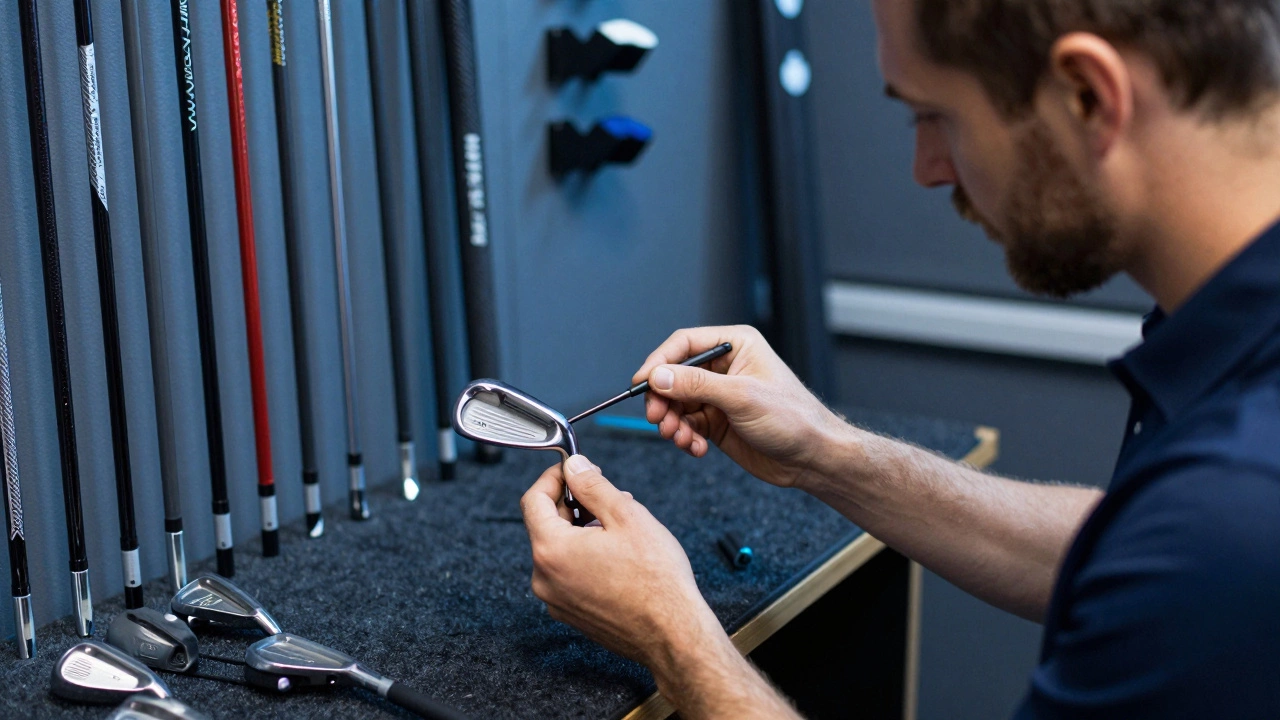
In golf, this is huge. A club fitter will adjust lie angles, loft, and swing weights. While the golf ball sponsor provides the balls, the clubs are often built by independent fitters who charge the athlete directly. The PGA Tour allows players to use any club brand, so many pros build their own sets rather than accepting a full set from a sponsor. They might take a sponsorship check for wearing the logo, but they pay the fitter to make sure the iron feels right in their hands.
- Fit Adjustments: Altering shoe tongue height or collar padding.
- Component Swaps: Replacing stock grips on rackets or handles on bats.
- Specialty Items: Buying specific mouthguards or eye protection not covered by team doctors.
The Rise of Independent Brands and Direct-to-Consumer
The landscape is shifting. With the rise of direct-to-consumer brands and social media, mid-level athletes have more leverage than before. An Instagram influencer who runs marathons might not be a Boston Qualifier, but if they have 50,000 followers, a smaller shoe brand might send them free gear in exchange for posts. This blurs the line between "buying your own" and "getting sponsored."
Additionally, some athletes are starting their own brands. Stephen Curry launched his own line within Under Armour, giving him creative control. He still wears UA gear, but he owns a piece of the intellectual property. This is different from simply being a face for a brand; it’s equity. These athletes are investing their own money into design and marketing, effectively becoming part-owner of the equipment they use.
Risks of Using Personal Gear
Why would an athlete ever choose to buy their own gear if they could get it free? Sometimes, they don’t have a choice. But sometimes, they do. There’s a psychological benefit to owning your tools. When you pay for something, you tend to care for it better. More importantly, there’s no pressure to perform for a sponsor. If you lose a big race wearing your own shoes, you don’t owe anyone an apology. If you lose wearing sponsored gear, the headline reads "Brand X Fails Star Athlete," which can lead to contract renegotiations or drops.
There’s also the issue of consistency. Sponsors change. One year you’re with Brand A, the next you’re with Brand B. Switching mid-career can disrupt muscle memory. Some older athletes stick with their own trusted gear during transitions to ensure performance doesn’t dip while they adapt to new technology.
Conclusion: It’s a Spectrum, Not a Binary
So, do athletes use their own equipment? Yes, but rarely in competition at the highest levels due to contractual obligations. However, in training, in lower tiers of sport, and in the realm of customization, personal ownership is the norm. The myth that pros get everything for free ignores the complexity of modern sports business. At the top, gear is a currency. Below that, it’s an expense. And everywhere in between, it’s a strategic decision about performance, comfort, and financial survival.
Do Olympic athletes get free equipment?
Many Olympic athletes receive gear from national governing bodies or corporate sponsors, but not all. High-profile stars like Simone Biles or Usain Bolt have major endorsement deals covering their gear. However, athletes in less commercialized sports (like fencing or archery) often fund their own equipment costs through grants, fundraising, or personal savings. The Olympics provide medals and housing, but rarely individual sporting goods unless specified by the country's Olympic committee.
Can a sponsored athlete wear a different brand in private?
It depends on the contract. Most exclusivity clauses apply to public appearances, competitions, and social media. Wearing a rival brand in your backyard or at a private gym is usually fine. However, if a photo leaks online showing you in a competitor's gear, the sponsor could claim breach of contract. Athletes are advised to keep non-sponsor gear strictly private to avoid legal trouble.
Why do some pros buy their own golf clubs?
Golfers often prioritize fit over branding. While they may have a ball sponsorship, their club contract might be loose or non-existent. Many pros visit independent club fitters who build custom sets based on swing data. The pro pays for the fitting and the components because the performance gain outweighs the cost. Also, mixing brands (e.g., TaylorMade drivers with Callaway irons) is common if it suits their game, and sponsors rarely cover mixed-brand setups.
Do college athletes have to buy their own shoes?
Often, yes. While teams may have uniform sponsors providing jerseys and shorts, footwear is frequently left to the athlete. Some schools have budgets for shoes, but many do not. Top recruits might get personal deals with brands, but the average college player buys their own cleats, running shoes, or basketball sneakers. This can cost hundreds of dollars per season.
What happens if an athlete breaks their sponsored gear?
Sponsors typically replace broken or worn-out gear as part of the agreement. Athletes submit requests for new items regularly. However, if an athlete loses gear or damages it through negligence (rather than normal wear and tear), they might be asked to reimburse the company. Contracts vary, but generally, sponsors want the athlete looking good, so they are quick to provide replacements for legitimate needs.
You might like