Rugby in Brazil: Reality Check Quiz
Think you know how rugby fits into Brazilian culture? Football is king, but there's a growing scene underneath. Take this quick quiz to see if you understand the reality of the sport in Brazil.
Loading question...
You probably know football is religion in Brazil. You might have heard about volleyball or mixed martial arts. But if you ask a random person on the streets of Rio de Janeiro about rugby, they will likely stare at you blankly. Is it popular? The short answer is no, not by mainstream standards. But that simple "no" misses the fascinating reality. Rugby exists in Brazil, and it is growing, just not in the way you might expect.
If you are looking for packed stadiums like those seen during the Six Nations or the Super Rugby Pacific finals, you won't find them here. However, if you dig deeper into the grassroots level, university clubs, and niche communities, you will discover a passionate, tight-knit scene. This article breaks down exactly where rugby stands in Brazil today, why it struggles to compete with football, and what makes its future surprisingly bright.
The Current State of Rugby Popularity
To understand the landscape, we need to look at numbers. According to World Rugby, Brazil has approximately 10,000 registered players. Compare this to Argentina’s hundreds of thousands or even neighboring Uruguay’s strong rugby culture, and the gap seems massive. Yet, for a country of over 215 million people, 10,000 active participants represent a dedicated core.
Brazilian Rugby operates largely outside the spotlight of national television. It does not dominate prime-time slots. Instead, it thrives in specific pockets: major cities like São Paulo, Rio de Janeiro, and Curitiba. Universities play a huge role here. Many students encounter rugby through physical education programs or student unions rather than traditional youth academies.
Why the low visibility? Simple competition. Football (soccer) consumes almost all media attention, sponsorship money, and athletic talent in Brazil. A talented young athlete usually chooses between becoming a footballer, a volleyball player, or perhaps a judoka. Rugby rarely enters that initial consideration list unless the family has existing ties to the sport.
How Brazilians Actually Play Rugby
Despite the lack of fame, the quality of play is improving. The Brazilian Rugby Confederation (CBRu) manages the national teams and domestic competitions. Their goal isn't necessarily to beat New Zealand next year but to build a sustainable structure.
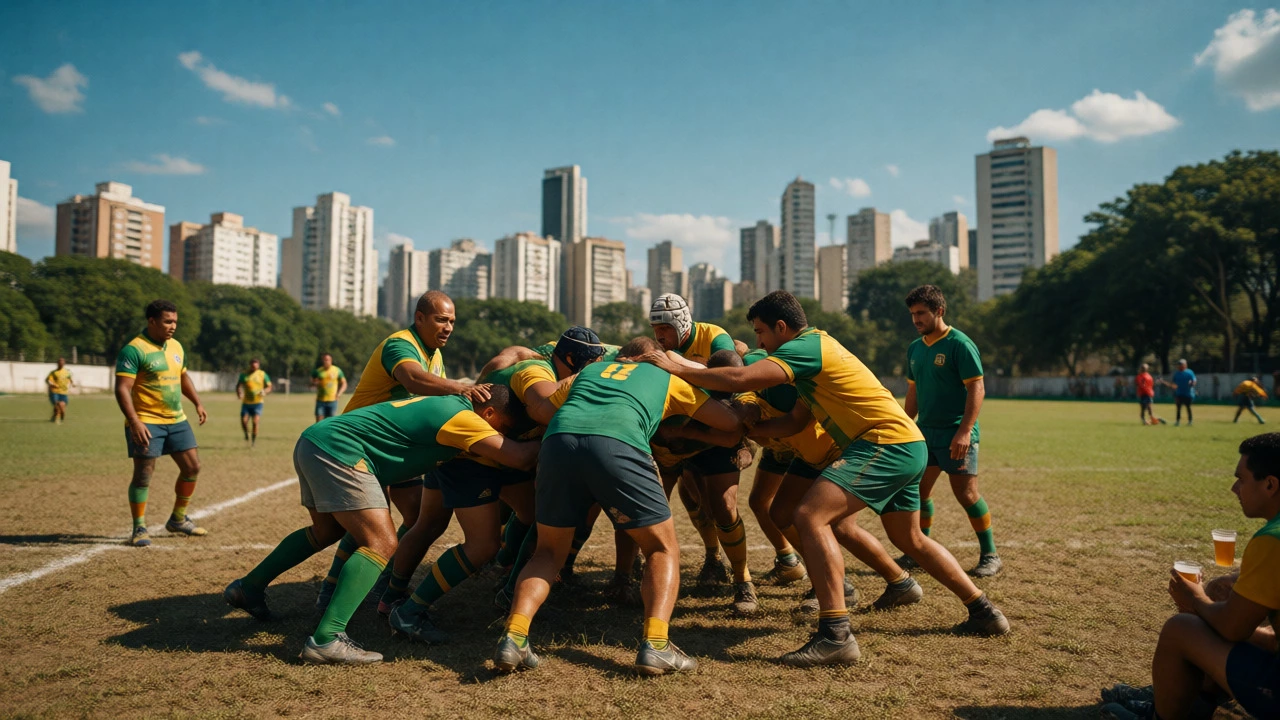
Most domestic matches happen in local club championships. These games often take place on multi-use fields shared with football teams. The atmosphere is intimate. Friends and family gather around small pitches. There is no massive corporate hospitality tent, just beer, food, and intense physical contest.
- Clubs: Over 100 registered clubs operate across the country, mostly concentrated in the southeast region.
- Leagues: The top tier is the Super 8 Championship, featuring teams from São Paulo and other hubs.
- National Teams: Known as the Tupis (men) and Yaras (women), they compete in regional South American tournaments.
The women's game deserves special mention. In many ways, women's rugby in Brazil is more progressive and visible than the men's game. Female athletes often face less stigma regarding contact sports, and international success helps boost their profile. The Yaras have qualified for recent World Cup qualifiers, drawing attention to the potential of female athletes in the region.

Why Football Dominates Everything Else
You cannot discuss any sport in Brazil without addressing the elephant in the room: football. It is not just a sport; it is a cultural identity. From favelas to luxury apartments, everyone kicks a ball. This dominance creates several barriers for rugby:
- Infrastructure: Most schools and municipalities build football courts because they are cheap and universally understood. Rugby requires specific posts and larger, maintained grass fields, which are rarer.
- Talent Pipeline: Coaches scout football talent from age five. Rugby coaching networks are smaller and less established.
- Media Coverage: If a rugby match airs on TV, it is usually late-night or online-only. Football gets daily news segments.
However, this dominance also offers an opportunity. Many former footballers transition to rugby later in life. They bring elite fitness, spatial awareness, and competitive drive. This cross-pollination strengthens the rugby ranks without requiring a complete overhaul of the youth system.
International Presence and Recent Successes
Brazil has been making waves in lower-tier international competitions. The Tupis have competed in the Americas Rugby Championship and various repechage tournaments aiming for the Rugby World Cup. While they haven't reached the main tournament yet, their performances against Chile, Paraguay, and Colombia show steady improvement.
| Country | Registered Players (Approx.) | Main Competitions | World Ranking Trend |
|---|---|---|---|
| Brazil | ~10,000 | Super 8, South American Championships | Rising steadily |
| Argentina | >400,000 | Super Rugby, URC | Elite Global Tier |
| Uruguay | ~30,000 | Regional Leagues | Stable Mid-Tier |
| Chile | ~20,000 | Regional Leagues | Competitive Challenger |
The data shows Brazil is catching up to neighbors like Chile and Uruguay in terms of infrastructure investment, though still far behind Argentina. The key metric isn't just player count but retention rates. More players are staying involved beyond university years, creating a mature adult league structure.
Cultural Barriers and Misconceptions
Ask someone why they don't play rugby, and you might hear, "It looks too dangerous," or "I don't understand the rules." These are real hurdles. Unlike football, where you can pick up a ball anywhere and play, rugby requires understanding offside lines, rucks, and mauls. For a casual observer, this complexity is intimidating.
There is also a perception issue. Rugby is sometimes viewed as an elitist sport associated with private schools and expatriate communities. This image is changing, thanks to community outreach programs. Local clubs now offer free taster sessions in public parks, breaking down the socioeconomic barriers.
Another misconception is that rugby lacks speed. Brazilians love fast-paced action. When introduced to sevens rugby-the Olympic format-many convert quickly. Sevens is faster, simpler to follow, and fits well within the Brazilian appetite for dynamic sports. This format serves as the perfect gateway drug for new fans.
The Future Outlook
So, is rugby going to become the second most popular sport in Brazil? Probably not soon. But will it continue to grow? Yes. Several factors point toward sustained growth:
- Olympic Exposure: Rugby Sevens inclusion in the Olympics brings global attention. Brazilian viewers watch Olympic events closely, providing a rare window of exposure.
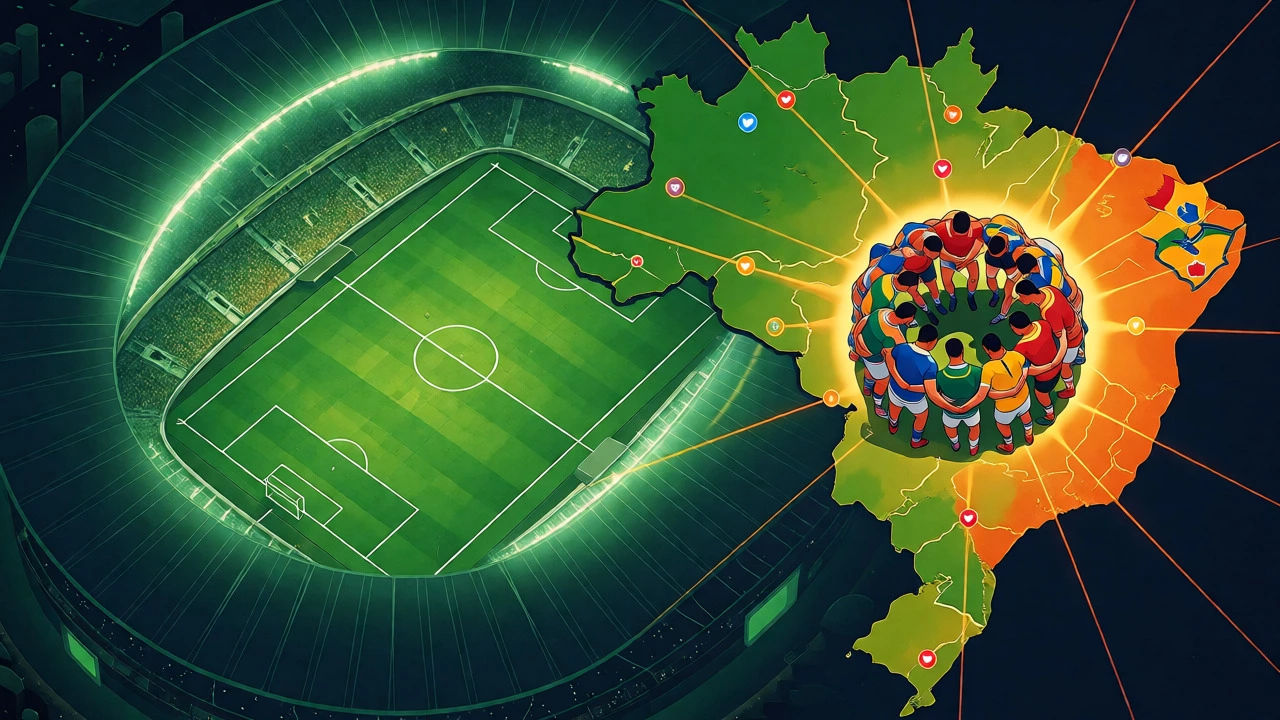
- Digital Community: Social media groups dedicated to rugby in Brazil help connect isolated clubs. Fans share highlights, organize meetups, and recruit new players online.
- Corporate Interest: As the middle class grows, some brands see rugby as a niche marketing opportunity with loyal, affluent audiences.
The path forward involves leveraging the passion already present. It doesn't require beating football at its own game. It requires carving out a distinct identity-one based on camaraderie, physicality, and inclusivity. For the thousands who play, rugby isn't just a hobby; it's a lifestyle choice that sets them apart in a sea of football fans.
If you visit Brazil and want to catch a match, check local listings in São Paulo or Rio. You won't find ticket scalpers or massive crowds. But you will find enthusiastic supporters, high-quality tackles, and a warm welcome. That intimacy is something the big leagues often lose.
Is rugby played professionally in Brazil?
Most rugby in Brazil is semi-professional or amateur. Very few players earn a full-time living solely from playing rugby domestically. Many balance jobs with training. However, top national team players may receive stipends or support from the CBRu and sponsors.
Which city has the best rugby scene in Brazil?
São Paulo generally has the largest concentration of clubs and resources due to its size and economic power. Rio de Janeiro and Curitiba also have strong, historic clubs. The southeast region dominates the domestic league structure.
Do Brazilians understand the rules of rugby?
General public knowledge is low compared to football. However, among younger generations and urban populations, awareness is growing, especially for Rugby Sevens due to Olympic coverage. Understanding complex union rules remains limited to those actively involved.
Has Brazil ever qualified for the Rugby World Cup?
No, the Brazilian men's team (Tupis) has not yet qualified for the main Rugby World Cup tournament. They frequently participate in qualification rounds but have faced stiff competition from stronger regional rivals like Argentina and Uruguay.
Is women's rugby more popular than men's in Brazil?
While participation numbers for men are higher overall, women's rugby has gained significant momentum and positive media attention recently. The women's national team has shown competitive promise, helping to break gender stereotypes in contact sports within the country.
You might like