Here is the hard truth that most fitness influencers won’t tell you: you cannot spot-reduce fat. If you do a thousand crunches a day but eat poorly, your abs might get stronger, but they will remain hidden under a layer of belly fat. This frustration drives millions of people to search for quick fixes, but biology doesn't care about our urgency. To actually burn stomach fat, you need to lower your overall body fat percentage while simultaneously building muscle and managing stress hormones.
The good news? You don't need magic pills or extreme starvation diets. You need a strategy that addresses diet, movement, sleep, and stress. Let’s break down exactly how to tackle this stubborn area effectively and safely.
Understanding the Two Types of Belly Fat
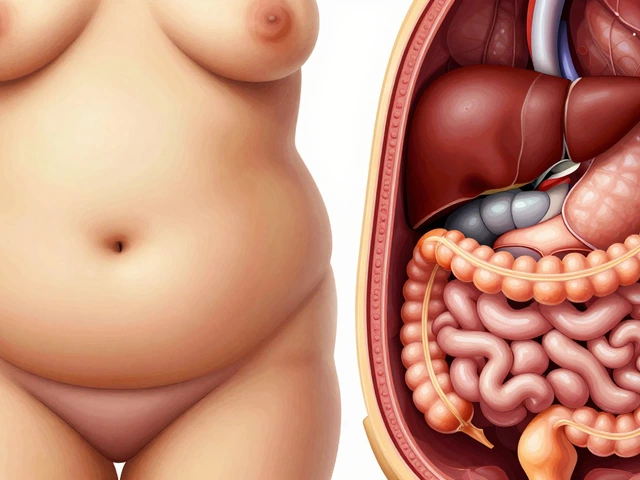
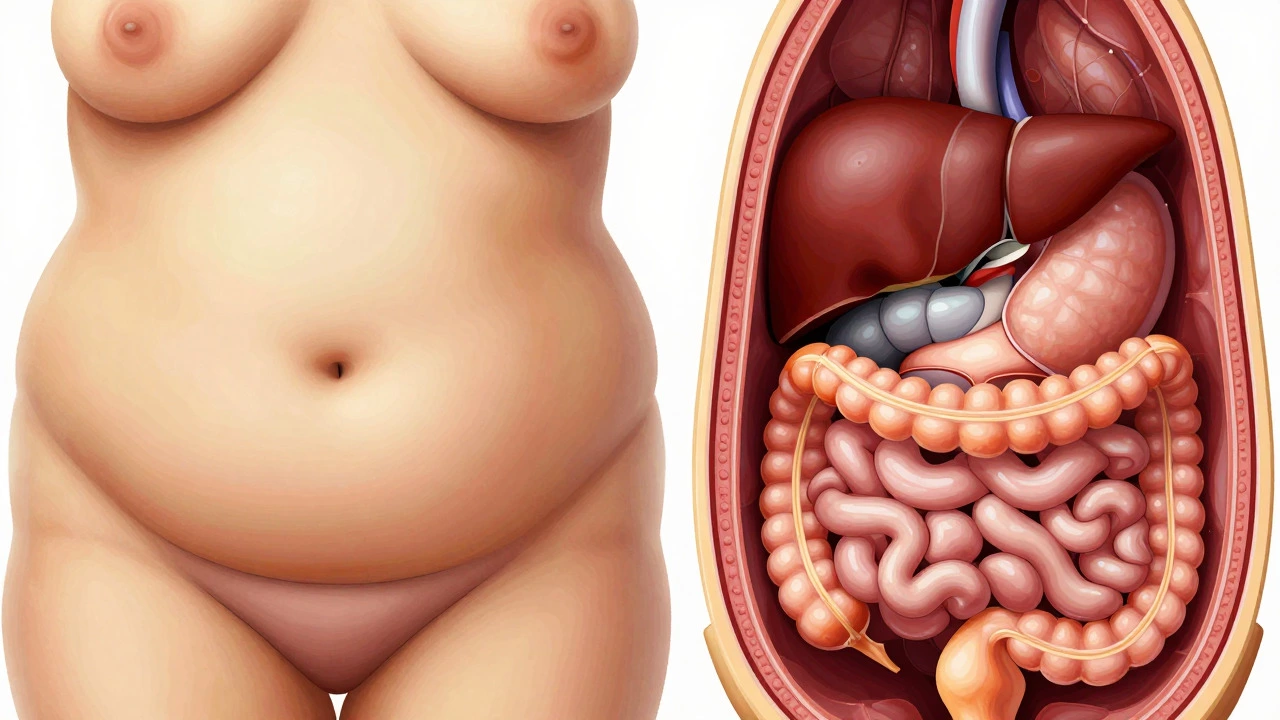
Before you start counting calories, it helps to know what you are fighting against. There are two distinct types of fat stored in your abdomen, and they behave very differently.
First, there is subcutaneous fat. This is the soft, squishy fat that sits just under your skin. It’s the kind you can pinch. While it might not look great in swimwear, it is relatively harmless from a health perspective. It responds well to standard calorie deficits and exercise.
Then there is visceral fat. This is the dangerous stuff. It wraps around your internal organs like your liver and intestines. You can’t pinch it because it’s deep inside. Visceral fat is metabolically active, meaning it releases inflammatory substances that increase your risk of heart disease, type 2 diabetes, and high blood pressure. The silver lining? Visceral fat is often the first to go when you make lifestyle changes. It is more responsive to diet and exercise than subcutaneous fat.
The Foundation: Nutrition and Caloric Deficit
You can have the best workout routine in the world, but if your diet is off, you won’t see results. Burning stomach fat starts with a caloric deficit-consuming fewer calories than your body burns. However, not all calories are created equal.
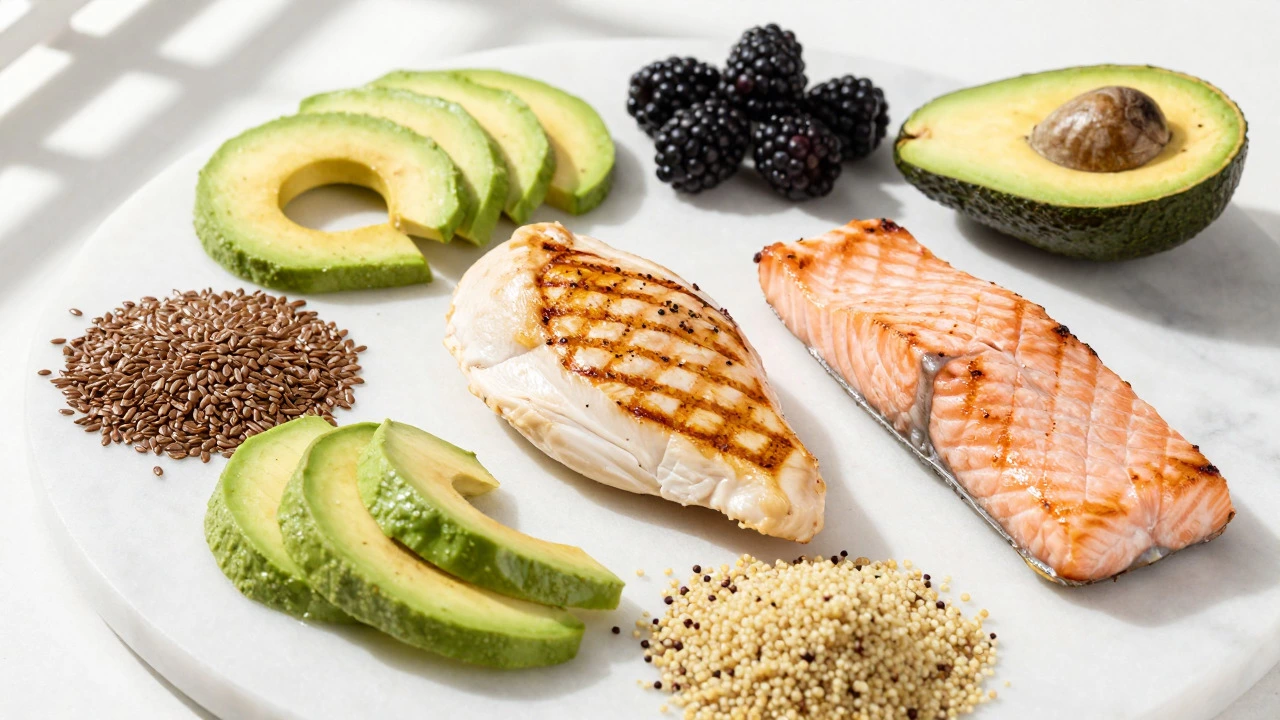
- Prioritize Protein: Protein is king when it comes to fat loss. It keeps you full longer than carbs or fats, and it has a higher thermic effect, meaning your body burns more calories digesting it. Aim for lean sources like chicken breast, fish, tofu, or legumes at every meal. A study published in the American Journal of Clinical Nutrition found that higher protein intake significantly reduced hunger and helped maintain muscle mass during weight loss.
- Cut Added Sugars and Refined Carbs: Sugar, especially fructose, is directly linked to increased belly fat. When you consume too much sugar, your liver converts the excess into fat. Swap white bread and pastries for whole grains like oats, quinoa, and brown rice. These provide fiber, which slows digestion and stabilizes blood sugar levels.
- Eat More Fiber: Soluble fiber mixes with water to form a gel that slows down food as it passes through your digestive system. This helps you feel full. Foods rich in soluble fiber include flax seeds, avocados, legumes, and blackberries.
Don't fall for the trap of "healthy" snacks that are loaded with hidden sugars. Read labels. If a granola bar has more sugar than a candy bar, it’s not helping your cause.
Exercise Strategy: Beyond Crunches
If you think doing sit-ups will melt away your belly, think again. Core exercises strengthen the muscles underneath, but they don’t burn the fat on top. To burn stomach fat, you need to engage in activities that raise your heart rate and build overall muscle mass.
- Strength Training: Building muscle increases your resting metabolic rate. This means you burn more calories even when you’re sitting on the couch. Focus on compound movements like squats, deadlifts, lunges, and push-ups. These exercises recruit multiple muscle groups, including your core, leading to greater calorie expenditure.
- High-Intensity Interval Training (HIIT): HIIT involves short bursts of intense activity followed by rest periods. It’s incredibly effective for burning fat in a short amount of time. For example, sprint for 30 seconds, then walk for 60 seconds. Repeat for 15-20 minutes. Research shows HIIT can be more effective than steady-state cardio for reducing abdominal fat.
- Moderate Cardio: Walking, jogging, swimming, or cycling are excellent for burning calories and improving cardiovascular health. Aim for at least 150 minutes of moderate-intensity cardio per week. Don’t underestimate the power of a daily 30-minute walk. It reduces cortisol levels and aids digestion.
Consistency beats intensity. It’s better to work out moderately four times a week than to go all-out once and then burn out for a month.
The Hidden Culprits: Stress and Sleep
You can eat clean and exercise regularly, yet still struggle with belly fat. Why? Because of cortisol. Cortisol is your body’s primary stress hormone. When you are stressed, your adrenal glands pump out cortisol, which signals your body to store fat, particularly in the abdominal area. This was an evolutionary survival mechanism, but in modern life, chronic stress leads to chronic belly fat.
Manage stress through mindfulness practices like meditation, deep breathing exercises, or yoga. Even ten minutes of mindful breathing a day can lower cortisol levels.
Sleep is equally critical. Lack of sleep disrupts the hormones that regulate hunger: ghrelin (which makes you hungry) and leptin (which tells you you’re full). When you’re sleep-deprived, ghrelin spikes, and leptin drops, leading to cravings for high-calorie, sugary foods. Aim for seven to nine hours of quality sleep each night. Keep your bedroom cool, dark, and screen-free to improve sleep quality.
Hydration and Alcohol Intake
Water is essential for metabolism. Sometimes, thirst masks itself as hunger. Drinking water before meals can help you eat less and stay fuller longer. Aim for at least eight glasses a day, or more if you are active.
Alcohol is another major contributor to belly fat. Not only does it contain empty calories, but it also pauses fat burning. When you drink alcohol, your body prioritizes breaking it down over burning fat. Beer, in particular, is often dubbed "liquid bread" due to its high carbohydrate content. Limiting alcohol intake or choosing lower-calorie options like wine or spirits with zero-carb mixers can make a significant difference.

Creating a Sustainable Plan
Burning stomach fat is a marathon, not a sprint. Crash diets lead to muscle loss and a slower metabolism, making it easier to regain weight later. Focus on sustainable habits that you can maintain for life.
| Strategy | Action Item | Why It Works |
|---|---|---|
| Diet | Create a moderate caloric deficit; prioritize protein and fiber. | Reduces overall body fat and preserves muscle mass. |
| Exercise | Combine strength training, HIIT, and moderate cardio. | Increases calorie burn and boosts metabolism. |
| Sleep | Get 7-9 hours of quality sleep nightly. | Regulates hunger hormones and reduces cortisol. |
| Stress Management | Practice meditation, yoga, or deep breathing. | Lowers cortisol levels linked to abdominal fat storage. |
| Hydration | Drink water before meals and limit sugary drinks. | Controls appetite and supports metabolic processes. |
Track your progress, but don’t obsess over the scale. Take measurements of your waistline and take progress photos. Sometimes the scale doesn’t move because you are gaining muscle while losing fat, which is a win.
Common Pitfalls to Avoid
Be wary of supplements promising rapid fat loss. Most are ineffective or unsafe. Detox teas and wraps might remove water weight temporarily, but they don’t burn fat. Also, avoid eliminating entire food groups unless medically necessary. Balance is key. Allow yourself occasional treats so you don’t feel deprived, which often leads to binge eating.
Finally, be patient. Genetics play a role in where your body stores and loses fat. Some people lose belly fat quickly; others take longer. Trust the process. Consistent effort in diet, exercise, sleep, and stress management will yield results.
Can I lose belly fat in one week?
Losing significant fat in one week is unrealistic and often unhealthy. You might lose some water weight, which could show up on the scale, but true fat loss takes time. A safe rate of weight loss is 1-2 pounds per week. Focus on long-term habits rather than quick fixes.
Do crunches help burn stomach fat?
Crunches strengthen your abdominal muscles, but they do not specifically burn the fat covering them. To reveal your abs, you need to lower your overall body fat percentage through a combination of diet, cardio, and strength training. Think of crunches as sculpting the statue, while diet and cardio remove the clay.
What is the best exercise for burning belly fat?
There is no single "best" exercise, but High-Intensity Interval Training (HIIT) and compound strength training exercises like squats and deadlifts are highly effective. They burn more calories and boost metabolism compared to isolated exercises like crunches. Combining these with moderate cardio provides the best results.
How does stress affect belly fat?
Chronic stress raises cortisol levels, a hormone that encourages fat storage in the abdominal area. High cortisol can also increase appetite and cravings for sugary, high-fat foods. Managing stress through relaxation techniques is a crucial part of reducing belly fat.
Is visceral fat more dangerous than subcutaneous fat?
Yes, visceral fat is considered more dangerous because it surrounds internal organs and is metabolically active. It releases inflammatory substances that increase the risk of heart disease, type 2 diabetes, and other health issues. Subcutaneous fat, while aesthetically concerning, poses fewer direct health risks.
You might like