Running Shoe Size Calculator
Your Details
Recommended Running Shoe Size
Visual Fit Guide
Target gap: ~½ inch (1.3 cm) between longest toe and shoe end
Fit Assessment Checklist
Key Measurements
Length Adjustment
+0.5
Swelling Factor
Low
Brisker Risk
Low
Enter your details and click calculate to see your recommended running shoe size with a visual fit guide.
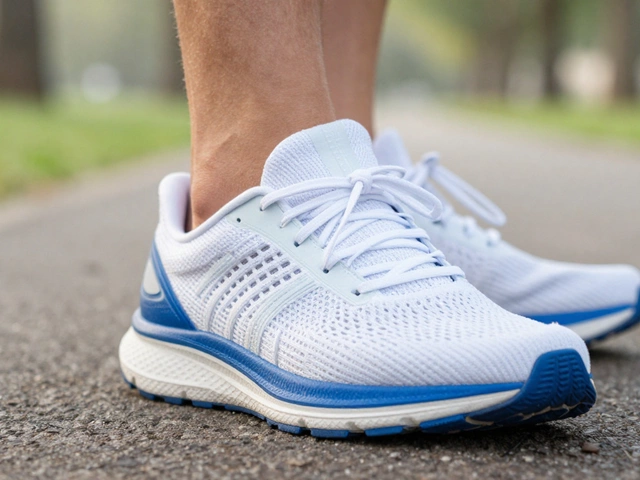
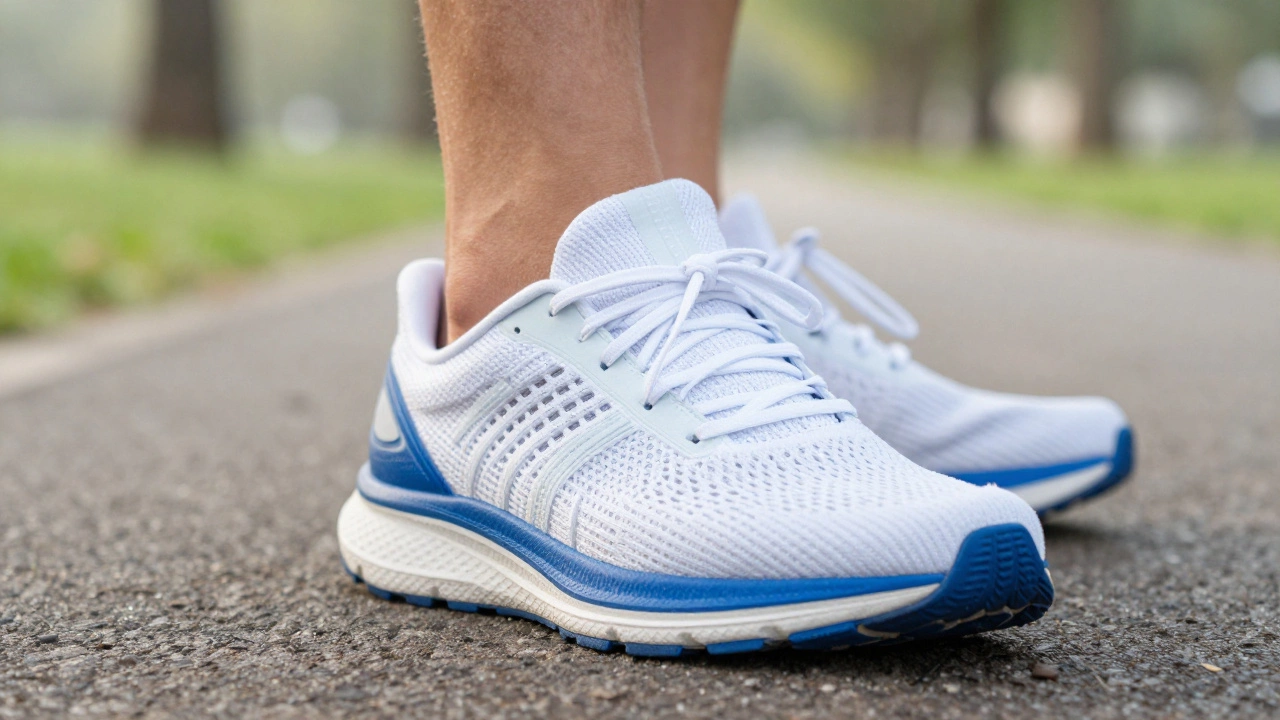
You’ve just laced up your new pair of running shoes is footwear designed specifically for the activity of running, offering cushioning and support. You’re excited. The colors are fresh, the midsole feels plush, and you’re ready to crush that morning jog. But ten minutes in, something feels off. Your toes are jammed against the front. Or maybe they’re sliding around too much, causing friction. Sound familiar?
If you’ve ever wondered whether you should buy running shoes a size bigger than your everyday sneakers, you aren’t alone. It’s one of the most common debates in the running community. The short answer? Yes, usually. But it’s not as simple as just grabbing the next whole size up. Getting this wrong can lead to black toenails, blisters, or worse-chronic foot pain that keeps you off the pavement.
Why Your Feet Need Extra Room When Running
Your feet behave differently when you run compared to when you walk or sit at your desk. Two main physiological changes happen during a run: swelling and forward motion.
First, gravity and impact cause blood to pool in your lower extremities. Over a 5K or a marathon, your feet can swell significantly. If your shoes are tight at mile zero, they’ll be painfully restrictive by mile three. Second, the repetitive heel-strike and toe-off motion pushes your foot forward inside the shoe. Without adequate space, your toes constantly collide with the toe box. This isn’t just uncomfortable; it’s damaging.
The general rule of thumb among podiatrists and running coaches is the "thumb width" test. You should have about a thumb’s width (roughly half an inch or 1.3 centimeters) of space between your longest toe and the end of the shoe. This buffer zone absorbs the shock of your foot sliding forward and accommodates swelling without compressing your digits.
Whole Size vs. Half Size: What’s the Right Jump?
So, do you go up a full size? A half size? It depends on your current fit and the brand. Most runners find that going up half a size from their standard street shoe size is the sweet spot. Going up a full size often creates too much volume, leading to heel slippage and instability. Your foot needs to feel secure, not like it’s floating in a boat.
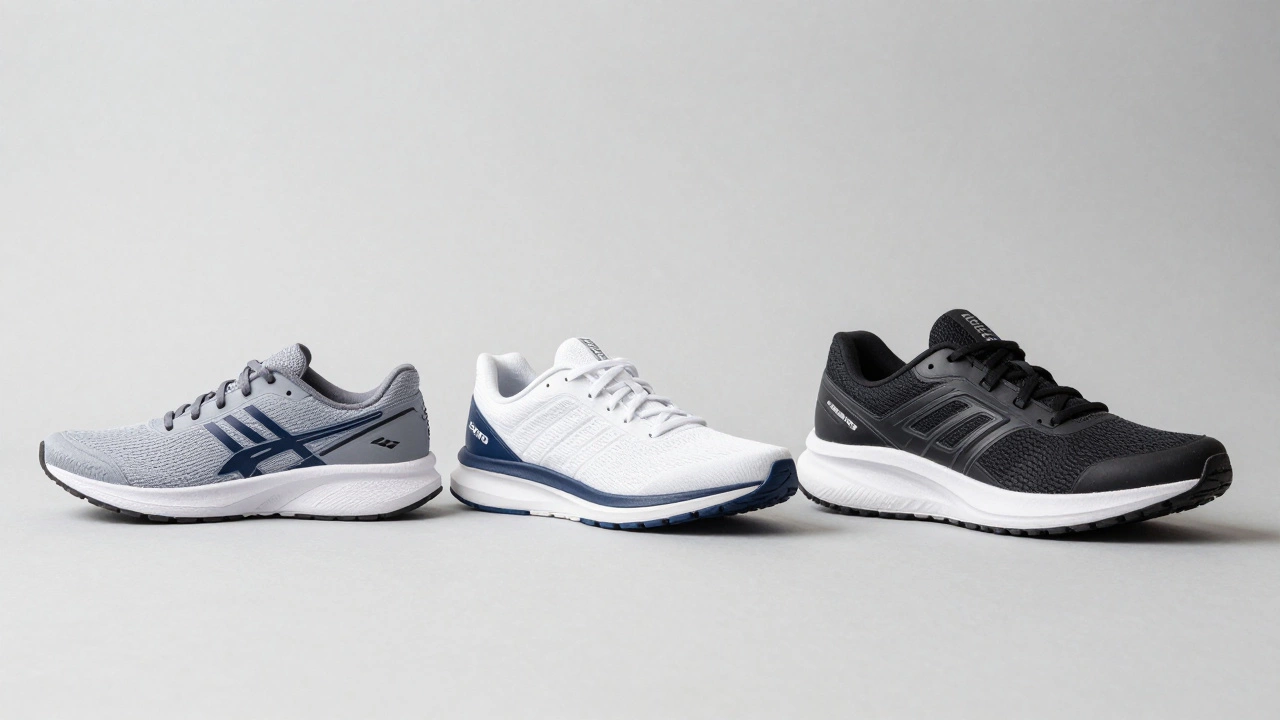
However, brands vary wildly. A Nike Pegasus might fit true to size, while a Hoka Clifton could run narrow. Always try them on if possible. If you’re buying online, check the specific brand’s sizing chart. Some European brands use different last shapes (the mold used to make the shoe), which can affect how much room is available in the forefoot.
| Brand Category | Typical Fit | Recommended Adjustment |
|---|---|---|
| Performance Racing (e.g., Adidas Adizero) | Slim, Snug | Half to Full Size Up |
| Daily Trainers (e.g., Brooks Ghost) | Standard | Half Size Up |
| Max Cushion (e.g., New Balance Fresh Foam) | Roomy | True to Size or Half Size Up |
| Trail Runners (e.g., Salomon Speedcross) | Narrow Heel, Wide Toe | Half Size Up |
The Dangers of Buying Too Big
While buying too small is dangerous, buying too big has its own set of risks. If there’s too much space, your foot will slide excessively with every step. This friction is the primary cause of blisters. You might also experience heel slippage, where your heel lifts out of the shoe with each stride. This forces your ankle muscles to work overtime to stabilize your foot, potentially leading to tendonitis or Achilles issues.
Additionally, a shoe that’s too large compromises your control. On technical trails or uneven city streets, you need precise feedback from the ground. Excessive volume dulls this sensation, making you more prone to rolling an ankle because you can’t feel the terrain properly under your foot.
How to Test for the Perfect Fit
Finding the right size isn’t just about looking at the number on the box. Here’s a practical checklist to ensure your running shoes fit correctly:
- The Thumb Test: Stand up with your weight evenly distributed. Press down on the toe box. You should feel about a thumb’s width of space between your longest toe and the shoe’s end.
- The Wiggle Room Check: Your toes should be able to wiggle freely. If they feel cramped side-to-side, the shoe is too narrow, even if the length is correct. Consider wide-width options instead of sizing up further.
- The Heel Lock: Lace up your shoes tightly. Walk or jog in place. Your heel should stay locked in place without slipping up and down. If it slips, the shoe is likely too long or too wide in the heel counter.
- The Arch Support Alignment: Feel where the shoe’s arch support sits. It should align perfectly with the arch of your foot. If it’s too far forward or back, it won’t provide the necessary support, leading to plantar fasciitis.
Pro tip: Always try on running shoes in the afternoon or evening. Your feet naturally swell throughout the day due to activity and heat. Trying them on in the morning might lead you to buy a size that feels fine then but becomes painful after a few hours of running.
Special Considerations: Wide Feet and High Arches
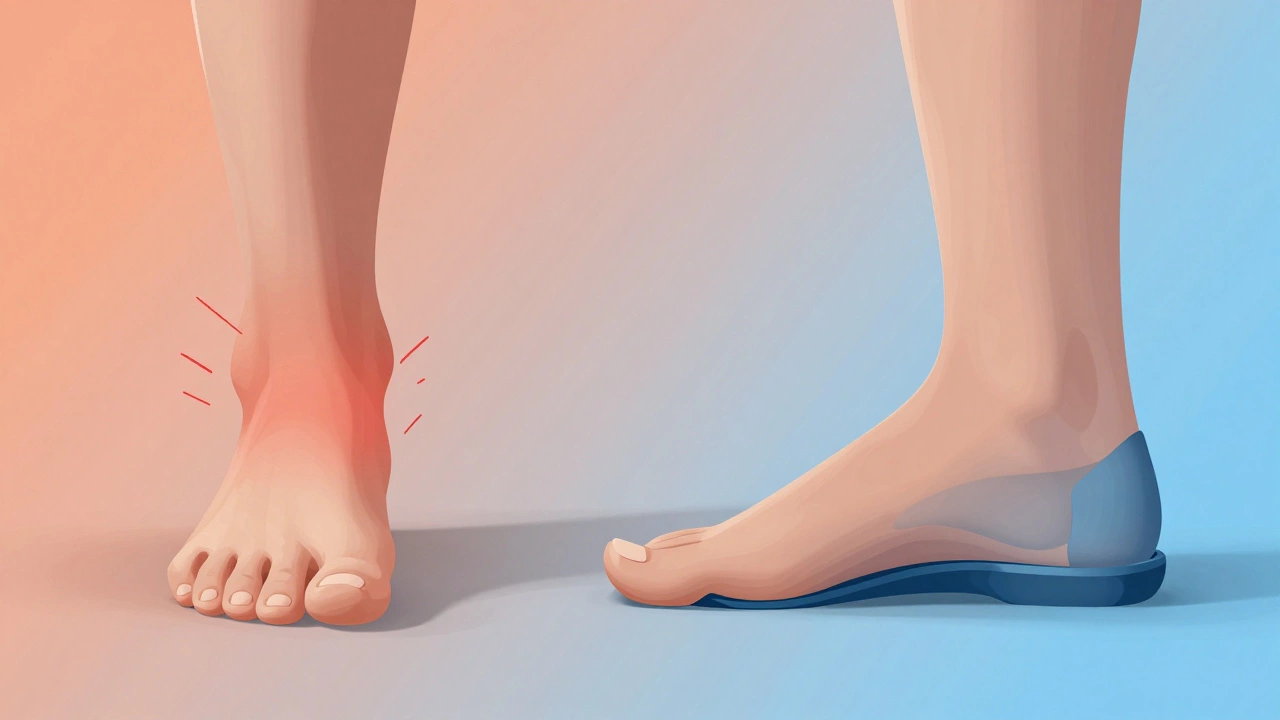
If you have wide feet, simply sizing up might not solve the problem. A larger size gives you more length, but it doesn’t necessarily give you more width in the ball of the foot. In fact, it might make the shoe too loose in the heel. Look for brands that offer wide (W) or extra-wide (XW) widths. Brands like Altra, Topo Athletic, and New Balance are known for accommodating wider foot shapes without requiring you to sacrifice length precision.
For those with high arches, the issue is often stability. High arches don’t absorb shock as well as neutral arches, so you need shoes with good cushioning. Ensure the midsole isn’t too soft; a firmer ride can help prevent overpronation issues that sometimes accompany high arches.
When to Replace Your Running Shoes
Even the best-fitting shoe will lose its shape over time. The foam midsole compresses, and the upper material stretches. Most running shoes last between 300 to 500 miles. If you notice the foam feeling flat, or if you start experiencing new aches in your knees or shins, it might be time for a new pair. Don’t wait for the sole to wear through; internal breakdown happens long before the external tread disappears.
Should I size up if I plan to wear thick socks?
Yes. If you run in cold weather or prefer thick wool socks, account for that extra bulk. Try on the shoes with the exact socks you plan to wear during your runs. A thin liner sock might allow for a snugger fit, but thick socks require that extra half-size to prevent constriction.
Do women need to size up differently than men?
The principle remains the same: half a size up from your street shoe. However, women’s feet tend to be narrower in the heel and wider in the forefoot relative to length. If you find men’s shoes fit better, consider trying them, but keep in mind the lack of gender-specific arch support. Many brands now offer gender-neutral fits that address these proportions.
What if my two feet are different sizes?
It’s very common to have one foot slightly larger than the other. Always fit the shoe to your larger foot. For the smaller foot, you can add a thicker insole or use a tighter lacing pattern to secure it. Ignoring the size difference can lead to discomfort and imbalance in your stride.
Can I stretch running shoes to make them bigger?
Not really. Modern running shoes are made from synthetic meshes and foams that don’t stretch like leather. While they may break in slightly and become more flexible, they won’t increase in length or width significantly. If they’re too tight, they’ll stay too tight. Return them and get a larger size or a wider width.
Is it okay to run in shoes that are slightly too small?
No. Running in shoes that are too small can cause serious injuries like stress fractures, neuromas, and chronic nail damage. The pressure on your toes increases exponentially with impact. Never compromise on length. If you’re between sizes, always choose the larger one.
You might like