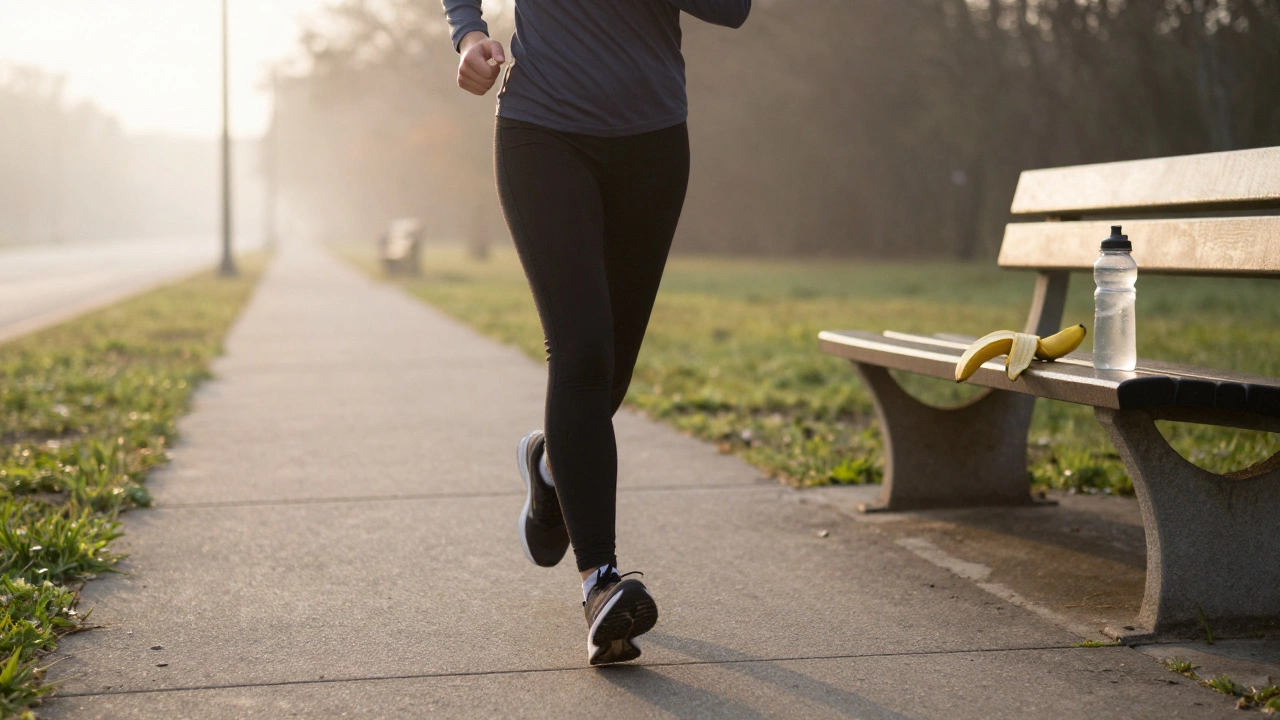
Working out on an empty stomach may burn more fat during exercise, but it doesn't lead to more fat loss overall. Learn when fasted workouts help-and when they hurt your progress.
When you do fasted cardio, exercise performed after an overnight fast, typically before breakfast. Also known as morning cardio on an empty stomach, it’s a popular strategy for people trying to lose fat without changing their diet drastically. The idea is simple: if your body hasn’t eaten for 8–12 hours, your glycogen stores are low, so you might tap into fat for fuel instead. But does that actually mean more fat loss? Not necessarily—and here’s why it’s not as straightforward as it sounds.
Fasted cardio relates closely to fat burning, the process of using stored body fat as energy during physical activity. But fat burning during a workout isn’t the same as long-term fat loss. Studies show that while you might burn a higher percentage of fat during a fasted session, over the full day, total calories burned and overall fat loss are about the same as working out after eating. What really matters is your total energy balance—not whether you did your run before toast or after.
It also connects to exercise on empty stomach, a method some use to improve metabolic flexibility—the body’s ability to switch between carbs and fat for fuel. For endurance athletes, this can be useful. For someone trying to lose weight, it’s less about the timing and more about consistency. If you feel dizzy, weak, or can’t push hard during fasted cardio, you’re probably not burning more fat—you’re just burning out.
People who try fasted cardio often think it’s a shortcut. But the truth? It’s just one tool. If you hate it, skip it. If you feel great doing it before work, keep going. There’s no magic. What works for one person might leave another exhausted. Some folks do better with a small banana before a run. Others prefer to wait until lunch. Your body’s not a lab—don’t treat it like one.
Look at the posts below. You’ll find real talk on what actually changes after months of training, how to tone your tummy without crunches, and why workout length matters more than whether you did it before coffee. You’ll see how gear, recovery, and simple habits stack up over time—not whether you ran on an empty stomach.
Working out on an empty stomach may burn more fat during exercise, but it doesn't lead to more fat loss overall. Learn when fasted workouts help-and when they hurt your progress.