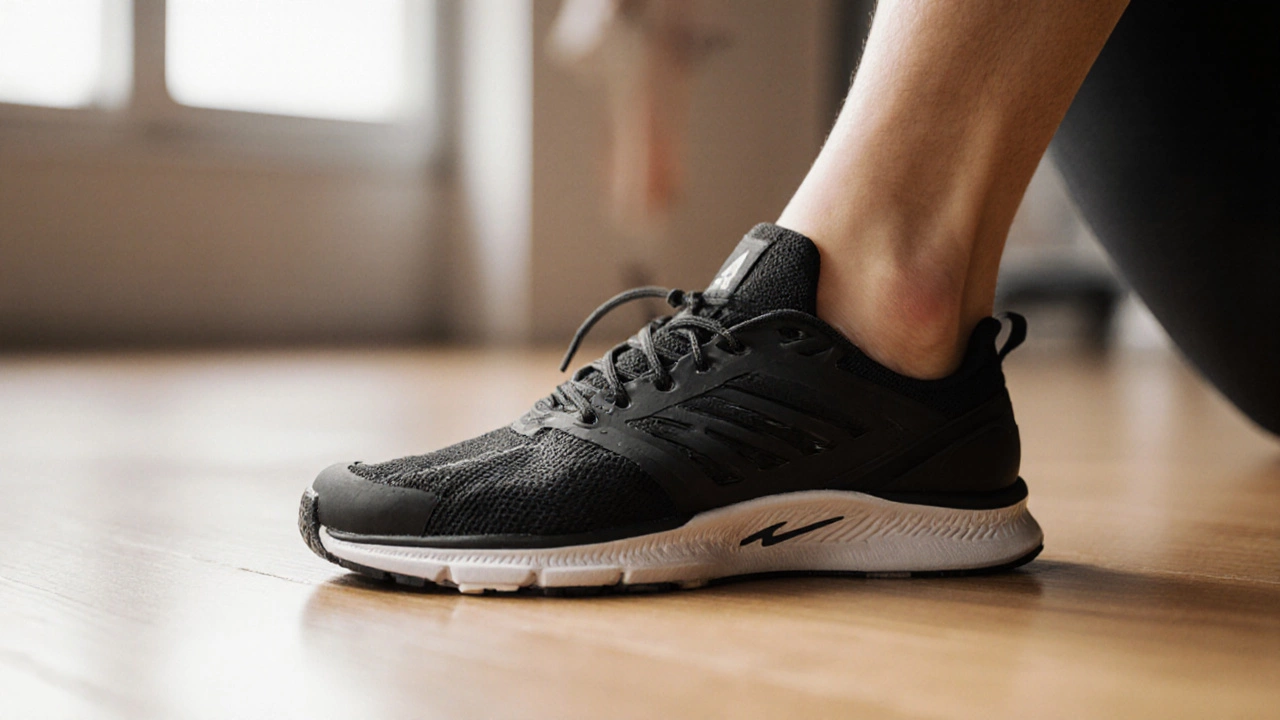
Should you buy running shoes a size bigger? The answer isn't simple. Learn why bigger isn't always better, how to find the perfect fit, and what really causes foot pain while running.
When it comes to shoe size for running, the correct fit is the difference between a great run and a painful one. Also known as running shoe sizing, it’s not just about matching your casual shoe size—your feet expand when you run, and ignoring that can lead to blisters, black toenails, or even stress fractures.
Many people grab their usual sneaker size and assume it works for running, but that’s a mistake. Your running shoes, a specialized type of athletic footwear designed to absorb impact and support motion, need extra room—especially in the toe box. Most runners need at least a half-size larger than their everyday shoes. And it’s not just length; foot measurement, including width, arch height, and toe shape matters just as much. A shoe that’s too narrow can pinch your toes, while one that’s too wide lets your foot slide, causing friction and instability.
Try this: go shopping in the afternoon, when your feet are at their largest after a day of activity. Wear the same socks you run in. Stand up, wiggle your toes, and make sure there’s a thumb’s width of space between your longest toe and the front of the shoe. Walk around the store, then jog in place if you can. If your heel slips or your toes hit the front, keep looking. Brands vary—Nike, Brooks, Asics—they all fit differently. What works for your friend won’t necessarily work for you.
Don’t trust online size charts blindly. Even if you’ve bought the same model before, sizes can change between seasons. And if you’re between sizes, go up. It’s better to have a little extra room than to squeeze your feet during a long run. Your running fit, how well your shoe matches your foot’s shape and movement is more important than the number on the box.
Running isn’t just about miles—it’s about staying injury-free. The right shoe size helps your feet land properly, reduces strain on your knees and hips, and lets you focus on your rhythm instead of discomfort. You don’t need the flashiest shoe or the most expensive brand—just one that fits your foot like it was made for it.
Below, you’ll find real-world advice from runners who’ve learned the hard way—what to look for, what to avoid, and how to measure your feet properly. Whether you’re new to running or have been at it for years, getting your shoe size right is one of the simplest ways to make every run better.
Should you buy running shoes a size bigger? The answer isn't simple. Learn why bigger isn't always better, how to find the perfect fit, and what really causes foot pain while running.