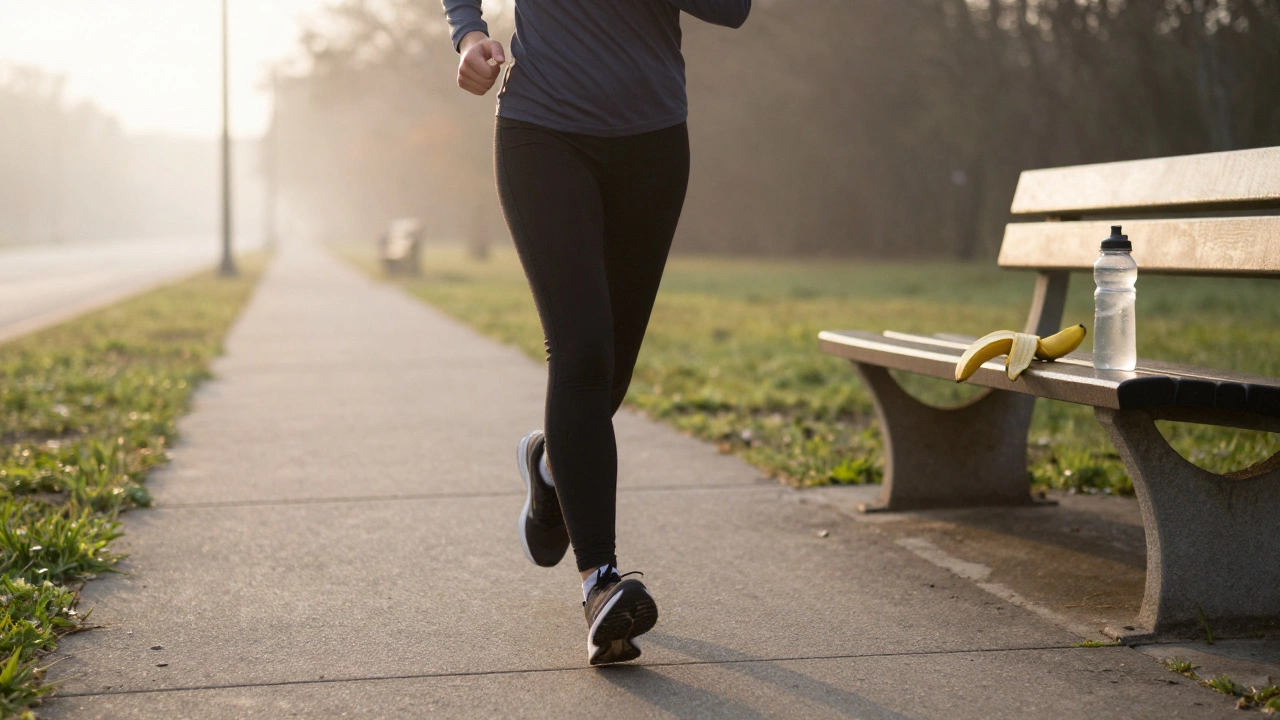
Working out on an empty stomach may burn more fat during exercise, but it doesn't lead to more fat loss overall. Learn when fasted workouts help-and when they hurt your progress.
When you workout on empty stomach, exercising without eating for several hours, often first thing in the morning. Also known as fasted training, it’s a practice many use to burn more fat—but does it actually work better than training after eating? The idea sounds simple: no food in your system means your body has to tap into stored fat for energy. But your body doesn’t work like a calculator. It’s smarter, messier, and more adaptive than that.
People who try fasted cardio, doing steady-state cardio like jogging or cycling without eating first often report feeling lighter and more focused. But here’s the catch: if you’re lifting weights or doing high-intensity intervals, you might hit a wall. Your muscles need glycogen, and without recent carbs, your power drops. Studies show you can burn slightly more fat during a fasted session, but over the whole day, total calorie burn is about the same as eating first. What matters more is consistency, recovery, and how you feel during the workout.
morning workouts, exercising before breakfast are popular because they’re easy to stick to—no time conflicts, no post-workout hunger crashes. But if you’re dragging through your session, skipping sets, or feeling dizzy, you’re not winning. Some people thrive on empty-stomach training. Others crash. It’s not about rules—it’s about your body’s signals. If you feel strong, energized, and recover well, keep going. If you’re tired, irritable, or losing muscle, eat a small snack before you train.
And don’t forget exercise before eating, the broader practice that includes fasted training but also covers light activity on an empty gut, like a walk or mobility routine. Not every workout needs to be intense. A 20-minute walk before breakfast still counts. It gets your blood moving, wakes up your metabolism, and sets a positive tone for the day—all without stressing your system.
There’s no universal answer. Your goals, your schedule, your energy levels, and your body’s response decide what works. The best workout is the one you can do consistently. If you’re trying to lose fat, focus on your overall calorie balance, not just whether you trained before toast. If you’re building strength, fuel matters. If you’re just trying to feel better, moving in the morning—even without food—is a win.
Below, you’ll find real stories and science-backed tips from people who’ve tried fasting before exercise. Some saw results. Others didn’t. All of them learned something about their own bodies. Whether you’re curious, skeptical, or already doing it, there’s something here that’ll help you train smarter—not just harder.
Working out on an empty stomach may burn more fat during exercise, but it doesn't lead to more fat loss overall. Learn when fasted workouts help-and when they hurt your progress.