2026 Tennis Season Planner
Plan your viewing schedule or simulate a player's season. Filter events by court surface to see how the tour transitions throughout the year.
Ever tried to plan a summer vacation only to realize you’ve missed the biggest match of the year because you didn’t know when it happens? You are not alone. The tennis calendar is a beast. It doesn’t just follow the seasons; it follows a specific hierarchy of prestige, surface changes, and points accumulation that can confuse even seasoned fans.
If you want to understand the order of the tennis tournaments, you need to look beyond just dates. You have to understand the rhythm of the sport. From the red clay of Europe in spring to the hard courts of North America in the fall, every tournament plays a role in the narrative of the professional tour. This guide breaks down exactly how the ATP (men’s) and WTA (women’s) calendars stack up, why the order matters, and what you should be watching for in 2026.
The Hierarchy: Why Some Tournaments Matter More
Before diving into the months, let’s talk about weight. Not all tennis tournaments are created equal. The order is dictated by two main factors: ranking points and prize money. At the very top sit the four Grand Slams, which are the most prestigious annual tournaments in tennis, offering the highest ranking points and prize money. These are the mountains everyone climbs toward.
Beneath them are the Masters 1000 events on the ATP tour and the WTA 1000 events on the women’s side. These are mandatory for top players and serve as critical tune-ups for the Slams. Below that, you have the 500s and 250s, which make up the bulk of the weekly grind. Understanding this hierarchy helps explain why a player might skip a smaller event in February but will travel anywhere for an Australian Open qualifier.
| Tier | ATP Name | WTA Name | Points (Winner) | Purpose |
|---|---|---|---|---|
| Grand Slam | Grand Slam | Grand Slam | 2000 | Ultimate prestige & title |
| Mandatory Elite | Masters 1000 | WTA 1000 | 1000 | Ranking protection & Slam prep |
| Mid-Tier | ATP 500 | WTA 500 | 500 | Consistency building |
| Standard | ATP 250 | WTA 250 | 250 | Rising stars & qualifiers |
January-February: The Hard Court Opener
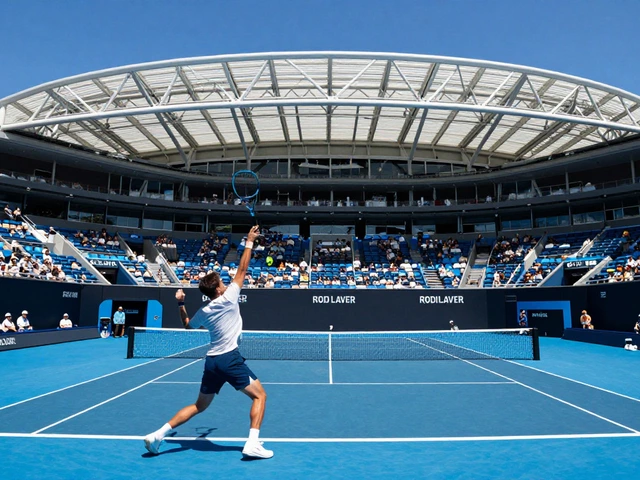
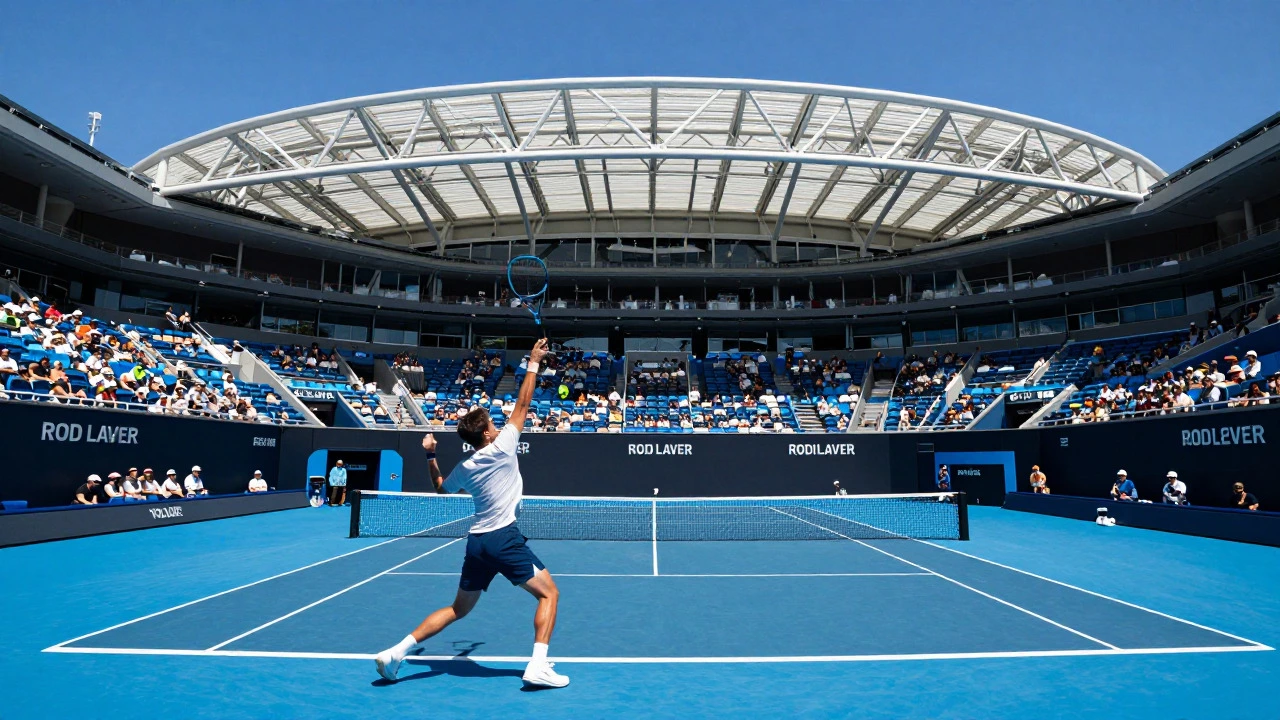
The new year starts with a bang, literally. The circuit kicks off in Asia and Australia, primarily on slow hard courts. This is where players test their fitness after the holiday break. The standout event here is the Australian Open, held in Melbourne, Australia during mid-January. As the first Grand Slam of the year, it sets the tone for the entire season. Winning this title often gives a player massive momentum heading into the European clay swing.
Following the Australian Open, the tour moves to South America and then back to North America for indoor hard court events. These tournaments are crucial for players who struggle with outdoor conditions or those looking to climb the rankings quickly without the physical toll of extreme heat. By late February, we see the Indian Wells Masters in California. Known as the "Super Slam" due to its size and star power, this event usually marks the unofficial start of the serious competitive season.
March-April: The Transition to Clay
As March ends, the sun gets hotter, and the balls get fluffier. The tour shifts from the fast hard courts of the US Southwest to the slower surfaces of Miami and then, critically, to Europe. The Miami Open serves as the final major hard-court stop before the surface change. After this, players begin transitioning to clay.
In April, the focus moves entirely to Europe. Players like Carlos Alcaraz and Novak Djokovic historically use this period to fine-tune their sliding techniques. The Madrid Open and Rome Masters are the key events here. These are not just warm-ups; they are high-stakes battles where players earn significant points to protect their seeding at the next Grand Slam. If you’re following the order, notice how the intensity ramps up right before May.
May-June: The Red Clay King
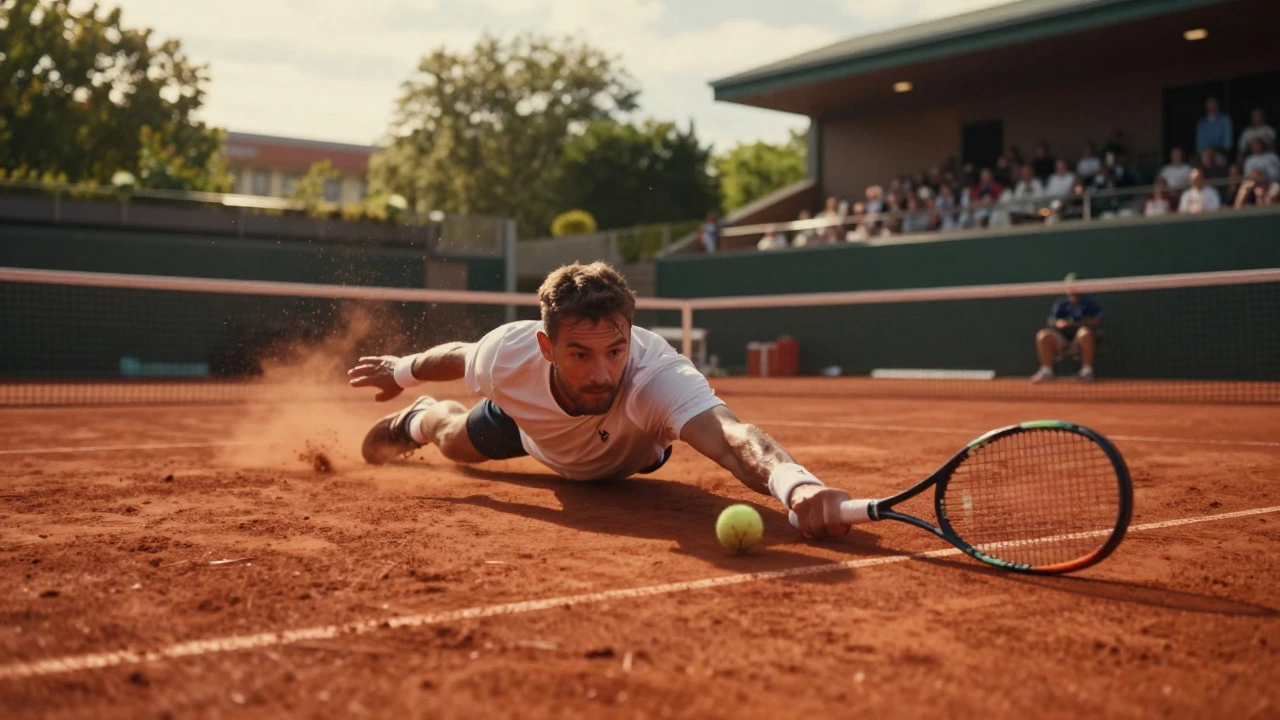
May is sacred in tennis. It belongs to the French Open, also known as Roland Garros, played on the red clay of Paris. This is widely considered the most physically demanding Grand Slam. Matches can last five hours, and the low-bouncing ball favors defensive baseliners and heavy spin hitters. The order of play here is brutal, with long rallies testing endurance more than raw power.
Leading up to the French Open, the Italian Open in Rome is the final checkpoint. Winners here often enter Paris as favorites. After the dust settles in Paris, there is a brief respite in June. Some players take time off to recover from the grueling clay season, while others head to grass court exhibitions or smaller tournaments to adjust their game for the faster surface ahead.
June-July: Grass and Wimbledon
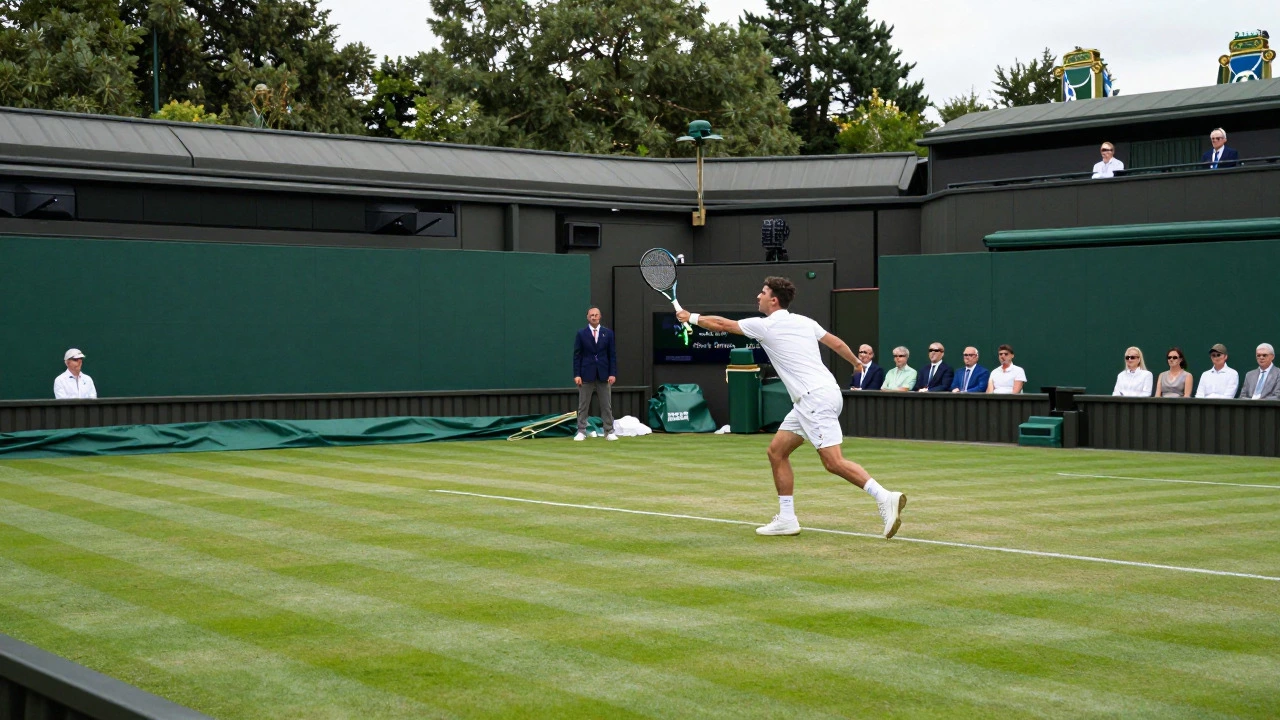
Just weeks after the French Open, the tour switches gears again. This time, it’s to grass. The transition is jarring for many players. The ball skids low and bounces unpredictably, favoring big servers and aggressive net-rushers. The lead-up includes events in Halle, Queen’s Club, and Eastbourne, which serve as practice grounds for the ultimate goal: Wimbledon, held in London in late June and early July.
Wimbledon is steeped in tradition. White clothes only. No advertising on players’ shirts. Strawberries and cream. But beneath the pageantry lies one of the most competitive fields in sports. Because the surface is so fast, upsets are common. A player who struggled on clay might dominate here if they have a strong serve. The order of importance peaks here, with the winner earning immense prestige and a spot in the year-end finals contention.
August: The North American Hard Court Swing
Summer in North America means heat, humidity, and hard courts. The Canadian Open (often rotating between Toronto and Montreal) and the Cincinnati Masters form a double-header that tests players’ mental toughness. These tournaments are packed with top-ranked players trying to regain form after Wimbledon or prepare for the final Grand Slam.
This period is also marked by the Olympic Games, which occur every four years. In 2028, Los Angeles will host the Olympics, but in non-Olympic years, this stretch is purely about ranking points. The pace is relentless, with tournaments happening back-to-back. Fatigue management becomes a key strategy for coaches and players alike.
September-October: The Final Push
September brings the fourth and final Grand Slam: the US Open in New York City. Played on fast hard courts under the lights of Arthur Ashe Stadium, this tournament is famous for its electric atmosphere and night matches. It concludes the Grand Slam portion of the year. Afterward, many top players take a short break to rest before the Asian swing.
From September through October, the tour moves to Asia and China. Events in Beijing, Shanghai, and Tokyo offer substantial prize money and points. These tournaments are vital for players aiming to secure a spot in the year-end finals. The competition remains fierce, but the stakes shift slightly toward securing financial bonuses and maintaining top-10 status.
November: The Year-End Finale
The season culminates in November with the ATP Finals and WTA Finals. Only the top eight players (or teams, in doubles) qualify based on their performance throughout the year. This round-robin format followed by knockout stages determines who finishes as the world number one. It is the ultimate reward for consistency over the entire calendar year. For many veterans, this is the final chance to cement their legacy before the long winter break.
Why the Order Matters for Fans
Understanding the sequence of tournaments helps you appreciate the strategic decisions players make. Why did a top seed withdraw from a 500-level event? They might be saving energy for a Masters 1000. Why is a young player dominating in January but fading in May? They may lack the experience to handle the physical demands of clay. The order of the tennis tournaments is not arbitrary; it is a carefully structured progression that tests different skills, endurance levels, and mental fortitude at each stage.
What is the correct order of the Grand Slams?
The Grand Slams are played in this order: Australian Open (January), French Open (May-June), Wimbledon (June-July), and US Open (August-September). This sequence reflects the changing surfaces from hard to clay to grass and back to hard.
When does the tennis season officially start and end?
The professional tennis season typically begins in early January with events in Australia and Asia. It concludes in November with the ATP and WTA Finals. There is no official "off-season," but most players take a break in December.
Are there any tournaments skipped by top players?
Yes, top players often skip lower-tier 250-level events to manage fatigue and injury risk. However, Grand Slams and Masters 1000/WTA 1000 events are generally mandatory or highly recommended for maintaining ranking points and sponsorship obligations.
How do surface changes affect the tournament order?
Surface changes dictate the flow of the season. Hard courts dominate the start and end of the year, clay occupies the spring, and grass is a brief summer interlude. Players must adapt their games significantly between these periods, influencing who performs best at each stage.
What is the significance of the year-end finals?
The year-end finals feature the top eight players of the season. Winning this tournament provides a huge boost in ranking points and prestige, often determining who closes the year as the world number one. It rewards consistency across all surfaces and tournaments.
You might like