The Big 5 Workout Builder
Select exercises to build your session. Aim for a mix of lower body, push, and pull movements.
Squat
Deadlift
Bench Press
OH Press
Pull / Row
Select exercises from the left to see your plan here.
You walk into the gym, see rows of intimidating machines and free weights, and feel that familiar wave of confusion. Should you start on the treadmill? Do you need to know how to use every cable machine? The truth is, you don't need fifty different moves to get fit. You need five. These five foundational compound exercises cover every major muscle group in your body, boost your metabolism, and build functional strength that actually helps you in daily life.
Think of these moves as the alphabet of lifting. Once you master them, you can spell out any workout routine you want. Whether you are in Calgary or anywhere else, the physics of human movement doesn't change. Here is exactly what they are, why they work, and how to do them right without hurting yourself.
Why Compound Movements Beat Isolation Machines
Before we list the exercises, let's talk about why these specific five matter. Most beginners make the mistake of doing bicep curls and leg extensions because they look easy. But those are isolation exercises-they only target one muscle at a time. Compound exercises require multiple joints and muscle groups to work together. This mimics real-world movement patterns like picking up groceries, climbing stairs, or playing with your kids.
When you perform a compound lift, your body releases more testosterone and growth hormone than it does during isolation work. You burn more calories per rep because more muscles are engaged. It’s efficient. If you only have 45 minutes to train, you cannot afford to spend ten minutes just working your triceps. You need moves that give you maximum return on investment.
The Squat: King of Lower Body Strength
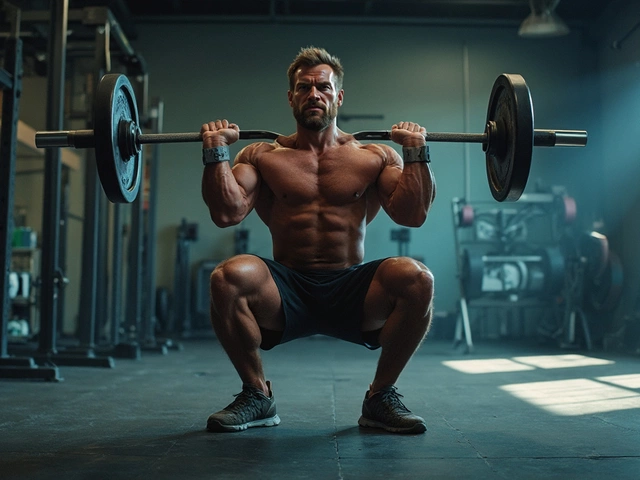
If you could only do one exercise forever, most coaches would say it’s the squat. It targets your quadriceps, hamstrings, glutes, and core all at once. A proper Barbell Back Squat builds lower body power and improves bone density, which is crucial as you age.
Stand with feet shoulder-width apart. Place the barbell across your upper back (not your neck). Brace your core as if someone is about to punch you in the gut. Push your hips back first, then bend your knees. Keep your chest up and back straight. Go down until your thighs are parallel to the floor, then drive through your heels to stand back up. Don't let your knees cave inward. If you're new, try a goblet squat holding a dumbbell at your chest-it’s easier to balance and teaches you the same pattern.
The Deadlift: Total Body Powerhouse
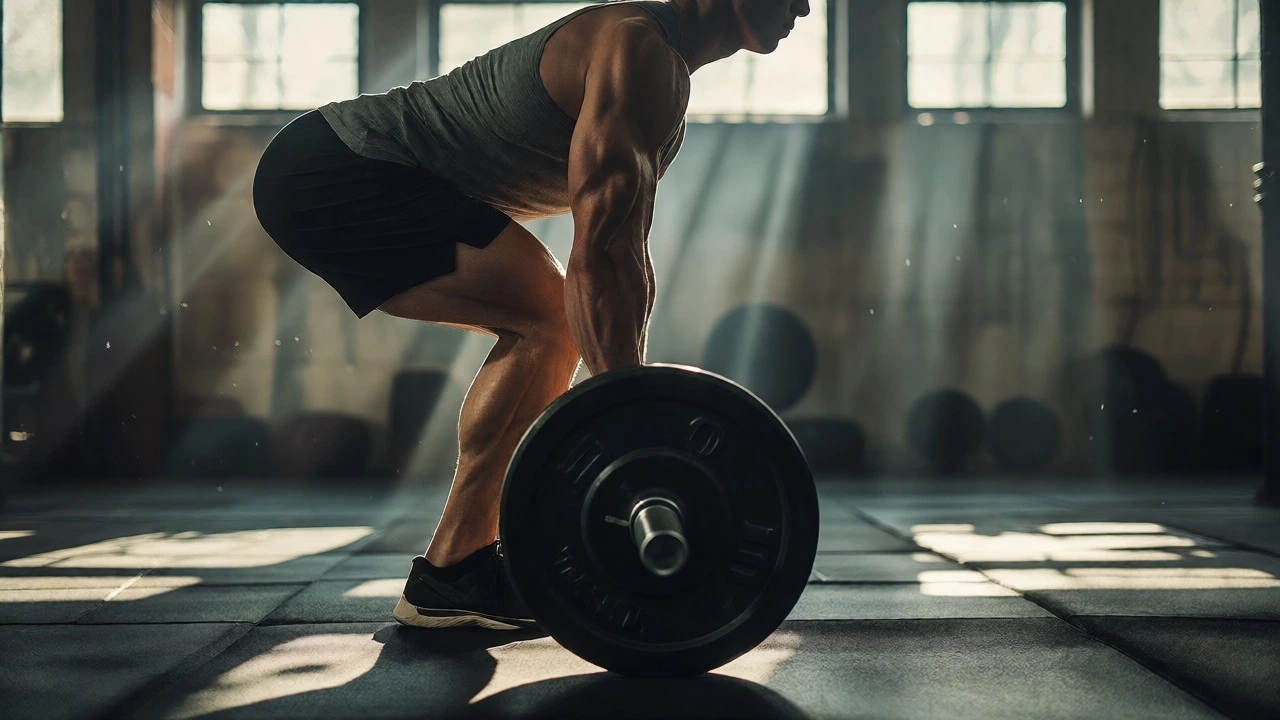
The deadlift is often misunderstood. People think it’s just a back exercise. It’s not. It’s a hip-hinge movement that strengthens your entire posterior chain-your glutes, hamstrings, erector spinae, and traps. It’s arguably the best test of raw strength.
Start with the bar over your mid-foot. Bend at the hips and knees, gripping the bar just outside your legs. Keep your spine neutral-no rounding your back. Drive through your feet to lift the weight, keeping the bar close to your shins. Stand tall by squeezing your glutes at the top. Then, push your hips back to lower the weight. Never drop the bar; control it. If your lower back hurts, you’re likely rounding it or using too much weight. Start light. Form beats ego every single time.
The Bench Press: Upper Body Pushing Strength
For many, the bench press is the ultimate status symbol, but it’s also a highly effective builder of chest, shoulder, and tricep strength. It’s a horizontal pushing movement, essential for pushing doors open, moving furniture, or performing push-ups.
Lie flat on the bench with your feet planted firmly on the floor. Grip the bar slightly wider than shoulder-width. Lower the bar slowly to your mid-chest, tucking your elbows slightly toward your ribs (about a 45-degree angle) rather than flaring them out like wings. This protects your shoulders. Press the bar up explosively until your arms are extended. If you find the bar path awkward, consider the Dumbbell Bench Press. It allows for a more natural range of motion and corrects muscle imbalances between your left and right sides.
The Overhead Press: Functional Shoulder Stability
Shoulder pain is the number one complaint among gym-goers, often caused by poor pressing mechanics. The Overhead Press (OHP) fixes this by forcing your rotator cuff and core to stabilize the load while your deltoids and triceps do the heavy lifting. It’s strictly vertical pushing.
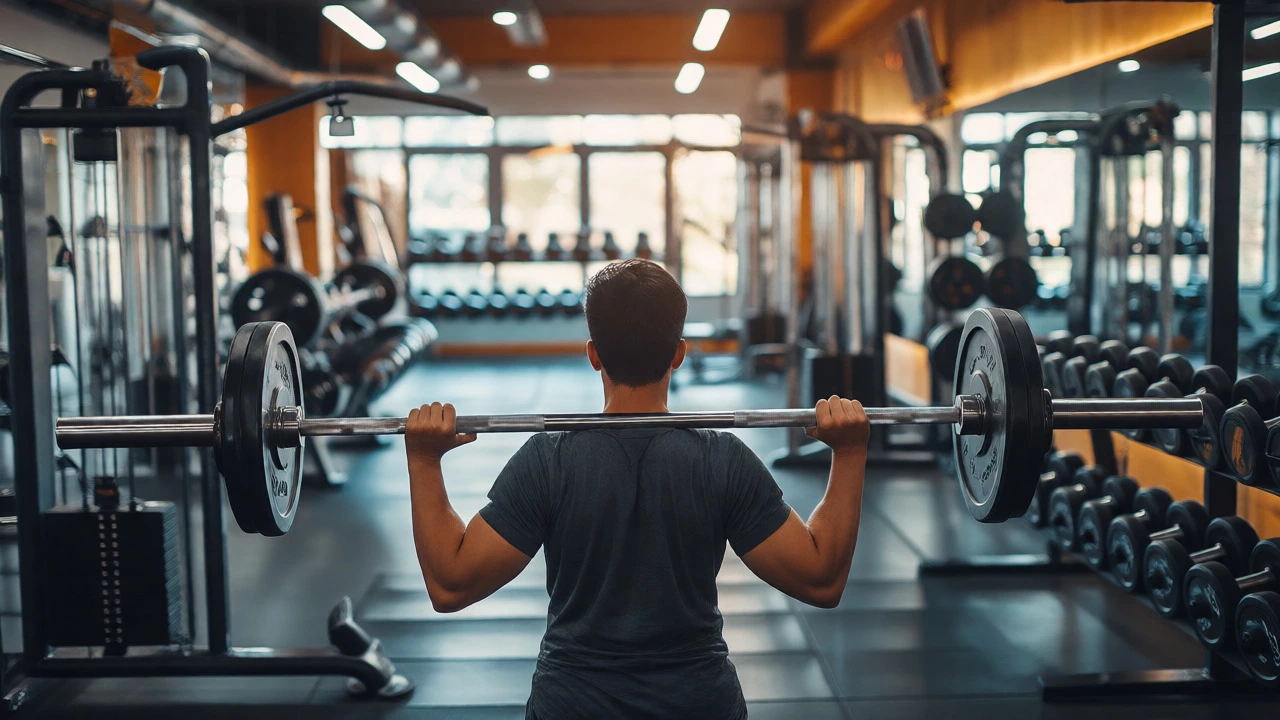
Stand with feet shoulder-width apart, holding the bar at collarbone height. Squeeze your glutes and abs to prevent arching your back. Press the bar straight up overhead until your arms are locked out. Your head should move slightly forward as the bar passes your face, then back into line. Lower it under control. If standing feels unstable, do it seated against a back support. But remember, the instability of standing OHP builds better core strength.
The Pull-Up or Row: Vertical and Horizontal Pulling
We spend so much time pushing things away from us that we forget to pull things toward us. Neglecting pulling movements leads to rounded shoulders and bad posture. You need both a vertical pull (like a pull-up) and a horizontal pull (like a row). Since we are limited to five total exercises, you can alternate these or pick the one that fits your current goals.
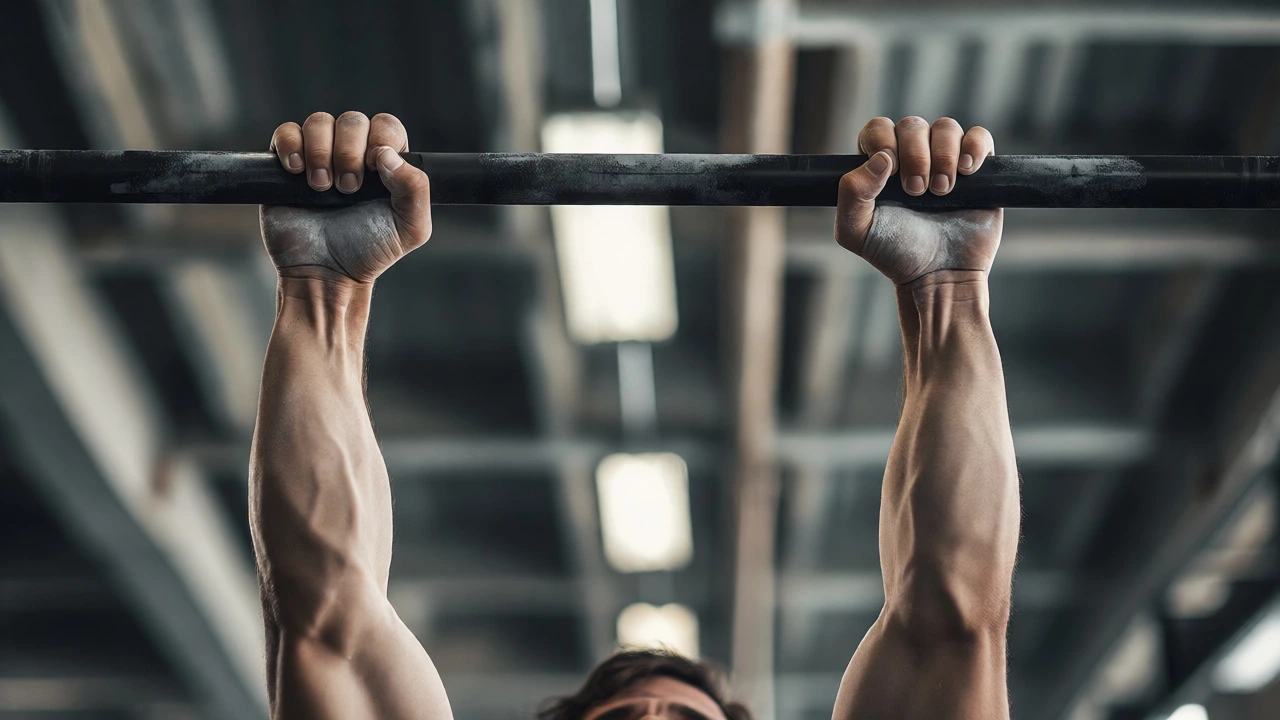
A Pull-Up targets your lats, biceps, and rear delts. Hang from a bar with an overhand grip, pull your chest toward the bar by driving your elbows down, then lower yourself slowly. If you can’t do one yet, use an assisted machine or resistance bands. Alternatively, the Barbell Bent-Over Row builds thickness in your back. Hinge at the hips, keep your back flat, and pull the bar to your lower ribcage. Both are critical for counteracting the "desk slump" many office workers suffer from.
How to Structure Your Weekly Routine
Knowing the exercises is half the battle. Knowing when to do them is the other half. You don't need to do all five every day. In fact, that’s a recipe for burnout. A simple full-body split works wonders for beginners and intermediates alike.
| Day | Exercise | Sets x Reps | Focus |
|---|---|---|---|
| Monday | Squat, Bench Press, Row | 3 x 8-10 | Strength & Hypertrophy |
| Wednesday | Deadlift, Overhead Press, Pull-Up | 3 x 6-8 | Power & Posterior Chain |
| Friday | Squat, Bench Press, Row | 3 x 8-10 | Volume & Technique |
This rotation hits every muscle group twice a week, which research suggests is optimal for muscle growth. Rest days are non-negotiable. Muscles grow while you sleep, not while you lift. If you skip rest, you skip gains.
Common Mistakes That Stall Progress
Even with perfect exercises, bad habits kill results. The biggest error is chasing weight too fast. Ego lifting leads to injury. If you can’t complete three clean reps with good form, the weight is too heavy. Drop it. Another common issue is ignoring warm-ups. Jumping straight into a heavy squat cold is dangerous. Spend five minutes on dynamic stretching-leg swings, arm circles, and bodyweight squats-to lubricate your joints.
Also, stop copying influencers blindly. Just because someone has huge arms doesn’t mean their program suits your biomechanics. Listen to your body. Sharp pain means stop. Muscle soreness means you worked hard. There’s a difference.
Tools and Equipment You Actually Need
You don’t need fancy gadgets. For these five moves, you primarily need access to a barbell, a rack, a bench, and a pull-up bar. Most commercial gyms provide these. If you train at home, invest in a power rack and adjustable dumbbells. They take up little space but offer endless progression options. Wear flat-soled shoes for stability during squats and deadlifts. Running shoes with squishy heels are terrible for lifting-they create instability.
Progression is key. How do you keep getting stronger? Add small amounts of weight each week. Even 2.5 pounds makes a difference over six months. Track your lifts in a notebook or app. What gets measured gets managed.
Do I need to do cardio along with these exercises?
It depends on your goals. If you want to lose fat, adding 20-30 minutes of low-intensity cardio (like walking on an incline) after your weights can help create a calorie deficit. However, strength training alone significantly boosts your resting metabolic rate. If you're focused purely on building muscle, prioritize recovery over excessive cardio.
Can beginners really do deadlifts safely?
Yes, provided you learn proper technique. Start with a trap bar or kettlebell deadlift to reduce spinal load. Focus on hinging at the hips rather than squatting. Many beginners round their backs because they lack hamstring flexibility. Stretch regularly and consider hiring a trainer for one session to check your form.
What if I can't do a pull-up yet?
Don't worry. Use the assisted pull-up machine, attach a resistance band to the bar, or do negative pull-ups (jump up, lower yourself slowly). Lat pulldowns are a good substitute initially, but aim to progress toward unassisted pull-ups as they engage more stabilizer muscles.
How long should I rest between sets?
For strength-focused lifts like squats and deadlifts, rest 2-3 minutes. This allows your nervous system to recover so you can lift heavy again. For hypertrophy (muscle growth) work like presses and rows, 60-90 seconds is sufficient. Adjust based on how you feel-if you're gasping for air, take longer.
Are these exercises suitable for women?
Absolutely. Women benefit equally from compound movements. They build lean muscle, improve bone density (critical for preventing osteoporosis), and enhance metabolic health. There is no physiological reason for women to avoid barbells or heavy weights.
You might like