Belly Fat Burner Estimator
Spot reduction is a myth. Use this tool to estimate which activities yield the highest total calorie deficit for your specific profile.
Your Profile & Activity
Estimated Results
You’ve tried crunches. You’ve done endless planks. Maybe you even bought that vibrating belt that promised to shake your abs into submission. Yet, when you look in the mirror or pinch your midsection, that stubborn layer of belly fat remains. Here’s the uncomfortable truth: spot reduction is a myth. You cannot tell your body exactly where to burn fat next. If you could, we’d all have six-packs after doing ten minutes of sit-ups. The real question isn’t how to target the belly directly, but rather which exercises trigger the highest total calorie expenditure and hormonal response to shrink fat stores everywhere, including the gut.
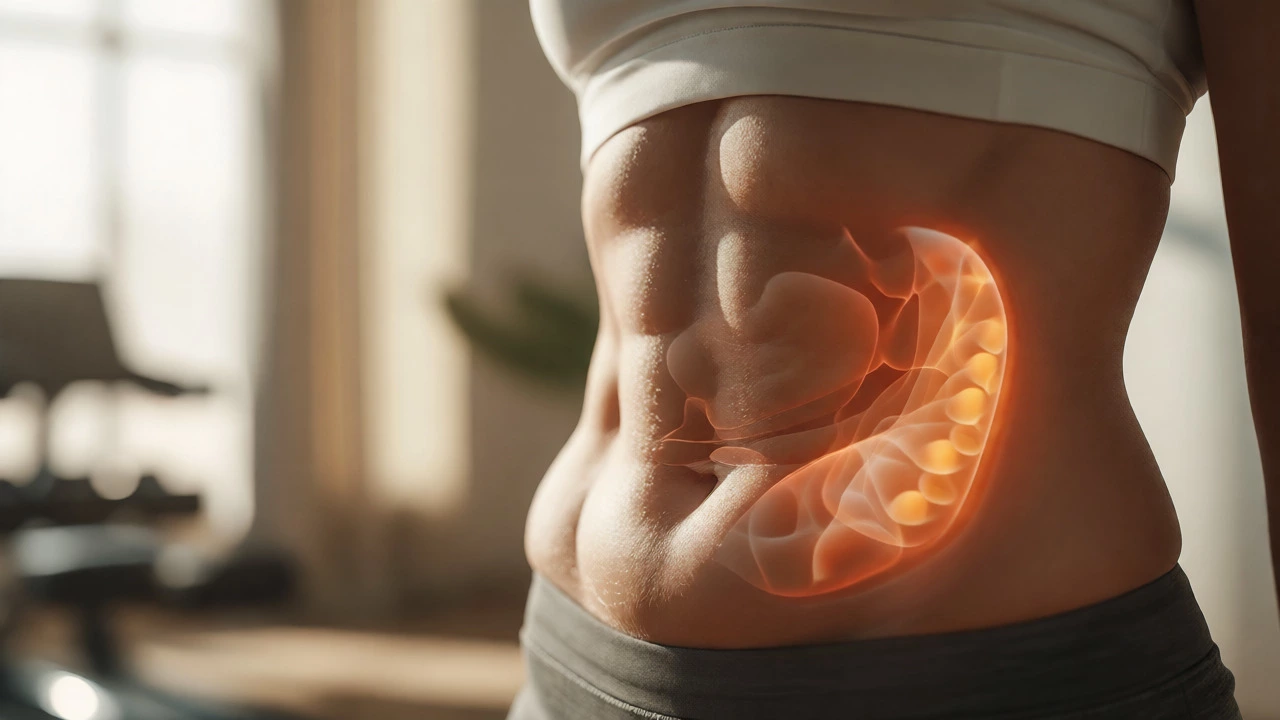
Belly fat comes in two forms: subcutaneous (the jiggly stuff under the skin) and visceral (the dangerous kind wrapping around your organs). Visceral fat responds best to high-intensity efforts and consistent movement. So, if you want to flatten your stomach, you need to stop thinking about "ab exercises" and start thinking about "fat-burning engines." Let’s break down what actually works, backed by physiology, not fitness influencer hype.
The Myth of Spot Reduction
Before we pick exercises, let’s kill the biggest misconception in fitness. When you do a bicep curl, your bicep gets stronger, but the fat on top of it doesn’t necessarily melt away faster than the fat on your back. Your body draws energy from fat cells systemically, based on genetics and hormones, not local muscle activity. Think of your body like a bank account. Doing crunches is like making deposits into a specific branch, but withdrawals happen across the whole network. To reduce the balance in the "belly" branch, you need to increase overall spending (calorie deficit).
This means your ab workouts are for building muscle definition, not for burning the fat covering them. If you build strong abs but keep the fat layer thick, you’ll just have a strong core hidden under softness. Therefore, the most effective strategy combines two things: creating a large calorie deficit through intense movement and preserving lean muscle mass so your metabolism stays high while you lose weight.
High-Intensity Interval Training (HIIT)
If you’re short on time, High-Intensity Interval Training (HIIT) is your best friend. It involves short bursts of near-maximal effort followed by brief recovery periods. Why does it work so well for belly fat? Because it creates an "afterburn" effect, technically known as Excess Post-exercise Oxygen Consumption (EPOC). After a hard HIIT session, your body continues to burn calories at an elevated rate for hours as it repairs muscles and restores oxygen levels.
A study published in the Journal of Obesity found that participants doing HIIT lost significantly more visceral fat than those doing steady-state cardio over the same period. But here’s the catch: you have to go hard. Jogging for 45 minutes while checking your phone won’t cut it. You need to push until you can barely speak. Try this simple protocol:
- Warm-up: 5 minutes of light jogging or dynamic stretching.
- Work Interval: 30 seconds of sprinting, burpees, or battle ropes at 90% effort.
- Rest Interval: 60 seconds of walking or slow marching.
- Repeat: 8-10 rounds.
- Cool-down: 5 minutes of gentle stretching.
Do this two or three times a week. It’s brutal, but it’s efficient. And because it spikes your heart rate dramatically, it improves insulin sensitivity-a key factor in reducing abdominal fat storage.

Strength Training: The Metabolic Engine
Cardio burns calories while you move. Strength training burns calories while you move and while you sleep. Muscle tissue is metabolically expensive; it requires more energy to maintain than fat tissue does. By building muscle, you raise your Basal Metabolic Rate (BMR), meaning you burn more calories at rest. This is crucial for long-term belly fat loss because diets often fail due to metabolic adaptation-your body slows down its calorie use when you eat less. Strength training counteracts this slowdown.
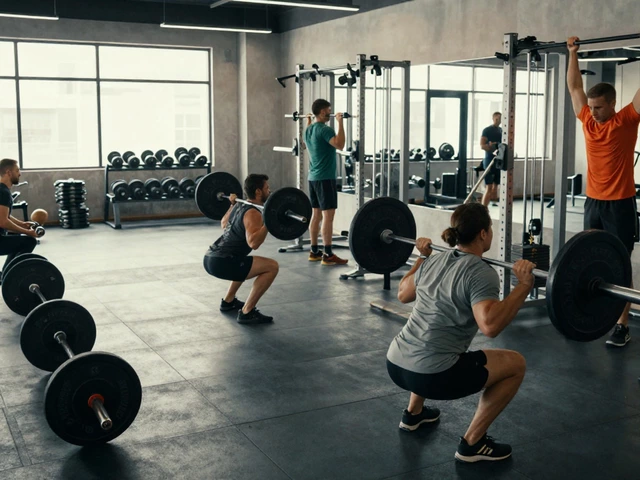
Focus on compound movements that recruit multiple large muscle groups. These exercises demand massive amounts of energy. Squats, deadlifts, overhead presses, and pull-ups are far more effective for fat loss than isolated machine curls or leg extensions. They also release growth hormone and testosterone, both of which help mobilize fat stores. Aim for full-body resistance training sessions three times a week. Keep rest periods relatively short (60-90 seconds) to keep your heart rate up, blending strength benefits with some cardio effects.
| Exercise Type | Calorie Burn During | Afterburn Effect (EPOC) | Muscle Preservation | Time Efficiency |
|---|---|---|---|---|
| Steady-State Cardio | Moderate | Low | Low (can cause muscle loss) | Low (requires longer duration) |
| HIIT | High | High | Moderate | Very High |
| Strength Training | Moderate-High | Moderate-High | High | Moderate |
| Yoga/Pilates | Low-Moderate | Low | Low-Moderate | Low |
Walking: The Underrated Powerhouse
Don’t laugh. Walking might be the most underrated tool for losing belly fat, especially if you’re overweight or new to exercise. High-intensity workouts spike cortisol, the stress hormone. Chronically elevated cortisol encourages fat storage specifically in the abdominal area. If you’re already stressed from work, life, or lack of sleep, adding intense HIIT might backfire, keeping your belly fat locked in place.
Walking lowers cortisol while still burning calories. It’s low-impact, sustainable, and doesn’t require recovery days. Aim for 7,000-10,000 steps daily. This non-exercise activity thermogenesis (NEAT) accounts for a significant portion of daily calorie burn. For many people, increasing daily step count yields better belly fat results than forcing themselves through painful gym sessions they dread. Start where you are. Walk during lunch breaks. Take stairs. Park further away. Consistency beats intensity when it comes to lifestyle habits.

Diet Is Still King
You can’t out-train a bad diet. This cliché exists because it’s true. You can do 30 minutes of HIIT and burn 300-400 calories. That’s one medium muffin. One beer. A handful of chips. If you’re trying to lose belly fat, your kitchen matters more than your gym bag. Focus on protein intake. Protein has a high thermic effect, meaning your body uses more energy digesting it compared to carbs or fats. It also keeps you fuller longer, preventing snacking.
Cut back on added sugars and refined carbs. These spike insulin, which promotes fat storage. Instead, fill half your plate with vegetables, a quarter with lean protein, and a quarter with complex carbs like oats or sweet potatoes. Hydration matters too. Sometimes thirst signals are mistaken for hunger. Drinking water before meals can reduce calorie intake naturally.
Putting It All Together
So, what’s the ideal routine? There is no single "best" exercise. The best plan is one you can stick to. However, a balanced approach looks like this:
- Strength Train: 2-3 times per week using compound lifts.
- Add HIIT: 1-2 times per week for 20 minutes max.
- Walk Daily: Hit 8,000+ steps every day.
- Eat Clean: Prioritize protein and whole foods, manage portions.
- Sleep Well: Aim for 7-9 hours. Poor sleep increases ghrelin (hunger hormone) and decreases leptin (fullness hormone).
Remember, visceral fat goes first. It’s metabolically active and responds quickly to these changes. Subcutaneous fat (the pinchable kind) takes longer and is genetically determined. Be patient. Track progress with measurements and photos, not just the scale. Muscle weighs more than fat, so you might look slimmer while the number stays the same.
Can I lose belly fat without going to the gym?
Absolutely. Bodyweight exercises like burpees, mountain climbers, jump squats, and plank variations can provide enough intensity to burn fat. Combined with a calorie-controlled diet and increased daily walking, you can see significant results without ever touching a dumbbell. Consistency is key, not equipment.
How long does it take to see results?
Most people notice reduced bloating within 2 weeks. Visible changes in waist circumference typically appear after 4-8 weeks of consistent effort. Visceral fat may decrease noticeably earlier, improving health markers like blood pressure and cholesterol before visual changes become obvious.
Is running good for belly fat?
Yes, running is effective, especially interval sprints. Steady-state jogging helps with cardiovascular health and calorie burn, but intervals are superior for targeting visceral fat due to the higher EPOC effect. However, ensure you’re not overtraining, as excessive running can elevate cortisol, potentially hindering belly fat loss.
Do ab exercises burn belly fat?
No, not directly. Ab exercises strengthen and define the underlying muscles but do not significantly burn the fat covering them. They should be included for core stability and aesthetics, but rely on full-body movements and diet for actual fat loss.
Why am I gaining belly fat despite exercising?
Common reasons include eating back burned calories, poor sleep quality, high stress levels (elevated cortisol), or insufficient protein intake. Also, check if you’re retaining water due to high sodium intake or menstrual cycle fluctuations. Reassess your diet and stress management strategies.
You might like