Tiger's Early Years: Knowledge Check
Loading question...
Quiz Complete!
Tiger Woods childhood wasn't exactly a typical suburban upbringing. While other kids were playing T-ball or riding bikes, Tiger was being put through a rigorous, almost experimental training program designed by his father. He didn't just "play" golf; he was immersed in it from the moment he could stand.
The First Swing and Early Exposure
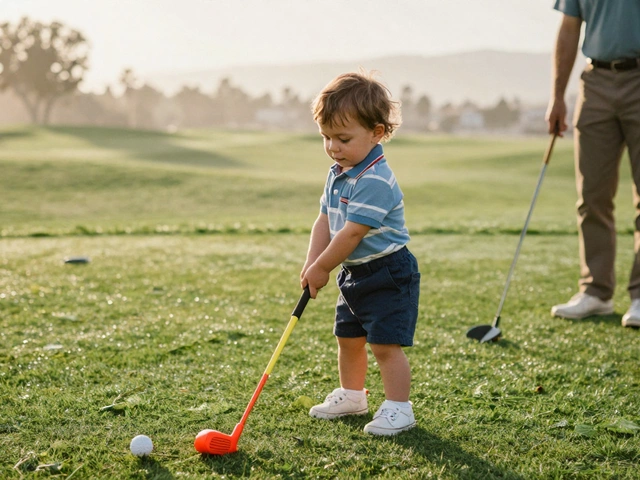
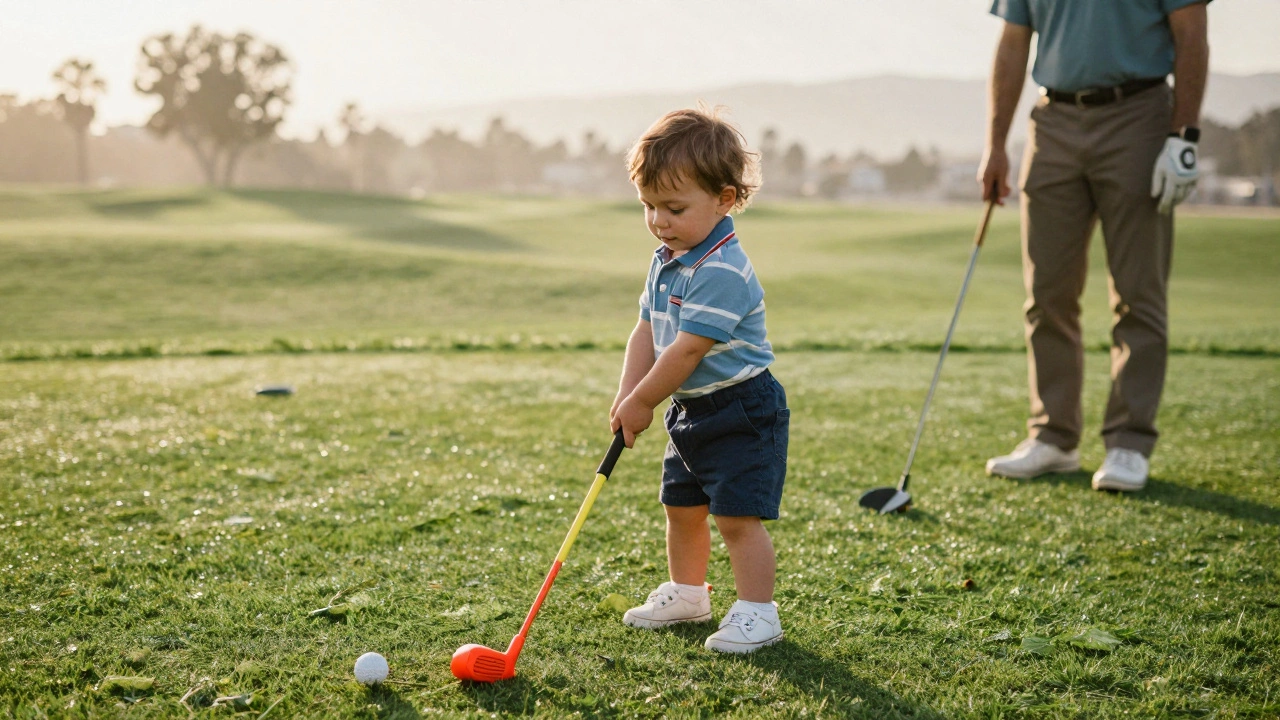
Tiger didn't start with a full set of clubs. In fact, his first experience with the game involved a plastic club and a lightweight ball. Tiger Woods is a professional golfer widely regarded as one of the greatest to ever play the sport, but his start was humble. By the age of two, he was already hitting balls. His father, Earl Woods, wasn't just a dad; he was a former Green Beret who applied military precision to his son's athletic development.
Earl didn't want Tiger to just be good; he wanted him to be mentally bulletproof. This meant introducing him to the game through a process of "psychological conditioning." Instead of just praising Tiger for a good shot, Earl would often challenge him, asking if he was "scared" of a certain shot or daring him to hit a target. This created a competitive fire in Tiger that most kids don't develop until their teenage years.
The Training Grounds: Beyond the Putting Green
Tiger's early training happened largely at El Dorado Golf Course in California. This wasn't just a place to play rounds; it was a laboratory. Earl Woods focused on the fundamentals: grip, stance, and a repeatable swing. But he also integrated other sports. Tiger played basketball and baseball, which helped him develop the hand-eye coordination and agility needed for the physical demands of a professional golf swing.
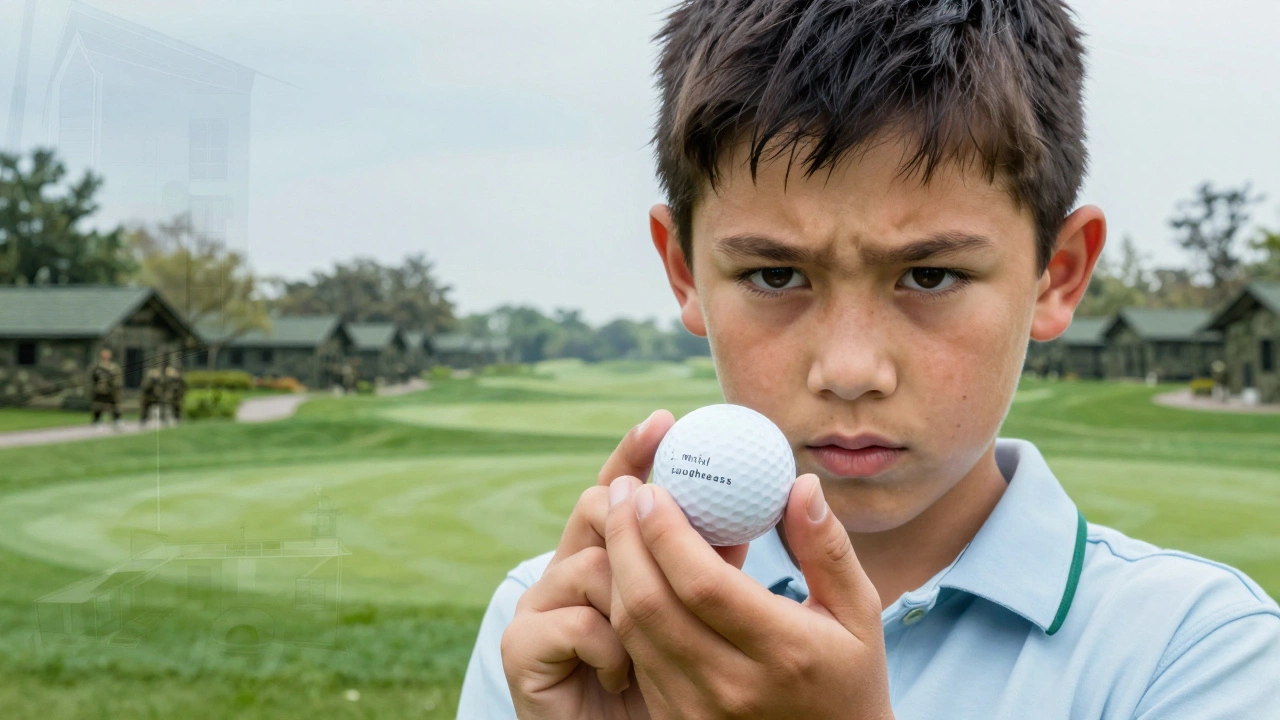
One of the most fascinating parts of his childhood was the focus on "mental toughness." Earl would sometimes move the goalposts-literally and figuratively-to see how Tiger would react to frustration. If Tiger got angry after a bad shot, Earl wouldn't soothe him. Instead, he'd tell him to focus and execute the next shot. This taught Tiger how to compartmentalize failure, a skill that later allowed him to stay calm during high-pressure Sunday afternoons at The Masters.
| Feature | Typical Junior Player | Tiger's Childhood Approach |
|---|---|---|
| Start Age | 6 - 10 years old | 2 years old |
| Primary Coach | Club Pro / Local Teacher | Father (Earl Woods) |
| Mental Focus | Fun and hobby-based | Psychological conditioning |
| Training Volume | Weekly lessons | Daily immersion |
| Goal | Social play / High school golf | World-class dominance |
Making the Transition to Competitive Play
By the time Tiger reached his pre-teen years, he wasn't just playing for fun; he was dominating. He began entering junior tournaments, where the gap between him and his peers was staggering. He didn't just win; he blew the competition away. This period was crucial because it transitioned him from a "prodigy" to a legitimate competitor. He learned how to manage a scorecard and how to handle the expectations of a crowd-even if that crowd was just a few curious parents at a local club.
One of the key turning points was his move into Amateur Golf. While most kids his age were struggling with puberty and basic swing mechanics, Tiger was refining his short game. He spent hours on the putting green, treating the greens like a puzzle. He learned how to read the slope and speed of the grass, a skill that would eventually make him one of the best putters in the history of the PGA Tour.
The Role of the Family Support System
While Earl Woods provided the discipline and the roadmap, Tiger's mother, Kultida, provided the emotional balance. The dynamic between the two parents was essential. While Earl pushed the boundaries of what a child could achieve, Kultida ensured that Tiger remained a kid in some capacity. This balance prevented burnout, which is a common tragedy for child prodigies in high-pressure sports.
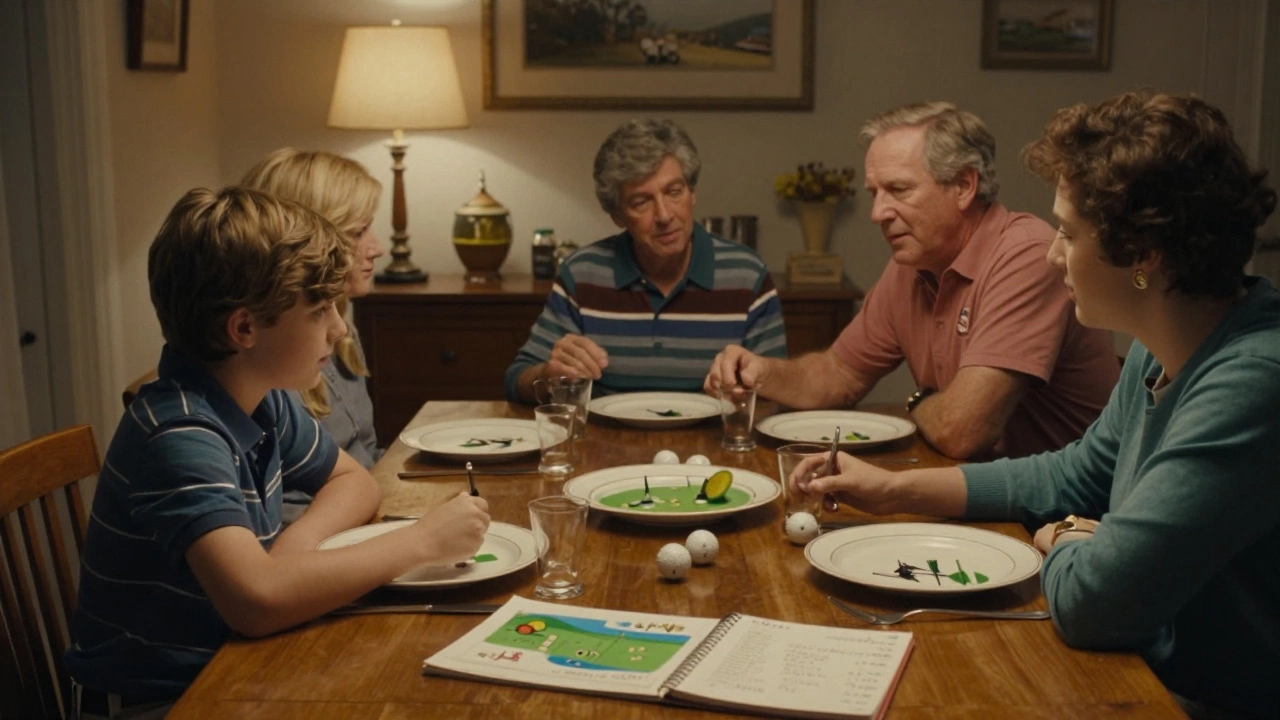
The Woods household was a place where golf was the primary language. Dinner table conversations weren't just about school; they were about wind speed, club selection, and the physics of a fade shot. This level of immersion meant that by the time Tiger entered his teens, he didn't need to "learn" golf-he lived it. The game was an extension of his identity.
Lessons for Parents of Young Athletes
Looking at Tiger's childhood, there are a few takeaways for anyone raising a sporty kid. First, early exposure is great, but the *method* of exposure matters. Earl Woods didn't just hand Tiger a club; he taught him *how* to learn. The focus on mental resilience over raw talent is why Tiger succeeded where other child stars failed. He didn't just have a great swing; he had a great mind.
However, it's worth noting that the "Tiger method" is extreme. Not every child wants to spend their toddler years under the scrutiny of a military-style training regimen. The key was the synergy between Tiger's natural talent and Earl's ambition. Tiger loved the game, which made the hard work feel like play. Without that internal passion, the pressure might have been too much.
The Legacy of the Child Prodigy
When Tiger eventually turned pro, the world saw a finished product, but that product was decades in the making. Every clutch putt and every long drive was a result of those early days in California. He proved that the combination of extreme early start, psychological conditioning, and unwavering family support could create a paradigm shift in a sport.
He didn't just play golf as a kid; he mastered the art of competition before he could even drive a car. That early start allowed him to enter the professional ranks with a level of confidence and technical proficiency that the game had never seen before. It changed how junior golf is taught worldwide, leading to the rise of more specialized academies and a more athletic approach to the swing.
At what exact age did Tiger Woods start golfing?
Tiger Woods started hitting golf balls at the age of two. His father, Earl Woods, introduced him to the game using plastic clubs and lightweight balls to ensure he could handle the equipment safely while learning the basic motion of a swing.
Who taught Tiger Woods how to play golf?
His father, Earl Woods, was his primary instructor. Earl combined his knowledge of the game with military-style discipline and psychological training to develop Tiger's skills and mental toughness from a very young age.
Did Tiger Woods play other sports as a child?
Yes, Tiger played several other sports, including basketball and baseball. His father encouraged this because it helped him develop overall athleticism, balance, and coordination, which are critical for maintaining a powerful and stable golf swing.
Was Tiger Woods' childhood training typical?
No, it was far from typical. While many kids play golf, Tiger's training involved intense psychological conditioning and a level of daily immersion that is rare. He was trained to handle pressure and frustration long before most children enter competitive sports.
Which golf course did Tiger Woods practice at as a kid?
Tiger spent a significant amount of his early years practicing and playing at El Dorado Golf Course in California, where he honed his fundamentals and began competing in junior events.
You might like