TGR Course Finder
Find the perfect Tiger Woods-designed course for your next trip. Filter by location, playing style, or public access availability.
Filter Options
Course Details
Quick Stats
- Location:
- Designer Role:
- Best For:
You might assume that because Tiger Woods is the most dominant figure in modern golf history, he owns a sprawling empire of private clubs where he tees off whenever he pleases. The reality is far more nuanced and, frankly, more interesting for anyone looking to book a round or understand the business side of the sport. Tiger doesn’t just buy courses; he designs them, partners with major developers, and occasionally holds minority stakes in specific ventures. If you are hunting for a place to play on a layout crafted by his hand, you need to know which properties actually carry his name versus those that merely feature his likeness.
The Distinction Between Owning and Designing
Before we list the courses, let’s clear up a common misconception. When people ask what golf courses Tiger owns, they often conflate financial ownership with creative control. In the golf industry, these are two very different things. Most of the famous "Tiger Woods" courses are developed through TGR Design, his design firm established in 2008. TGR Design does not typically hold the deed to the land. Instead, they license their brand and expertise to developers like Robert Francis Property Management (RFPM) or local municipalities. Tiger gets paid for the design fee and potentially retains a small equity stake or royalty interest, but he isn’t writing the check for the entire property.
This model allows TGR to have a global footprint without the massive capital burden of owning dozens of high-end resorts. It also means that when you visit a "Tiger Woods Course," you are playing a product of his vision, but the day-to-day operations, maintenance budgets, and club rules are dictated by the actual owners. This distinction matters if you are trying to get an invitation to a member-only event or negotiate a tee time. You aren’t calling Tiger’s office; you’re calling the general manager of the resort.
Flagship Properties Designed by TGR
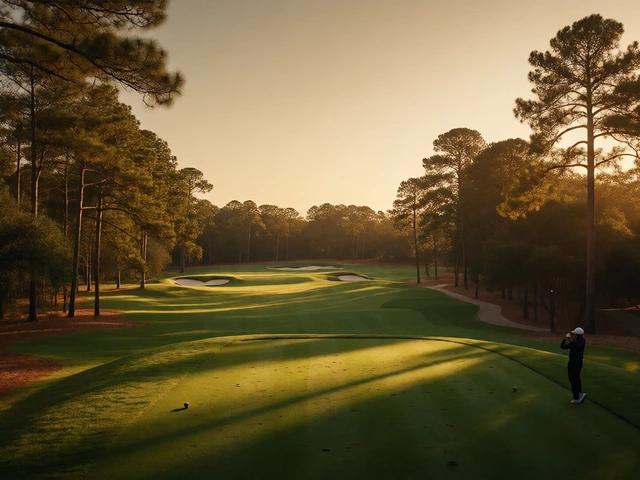
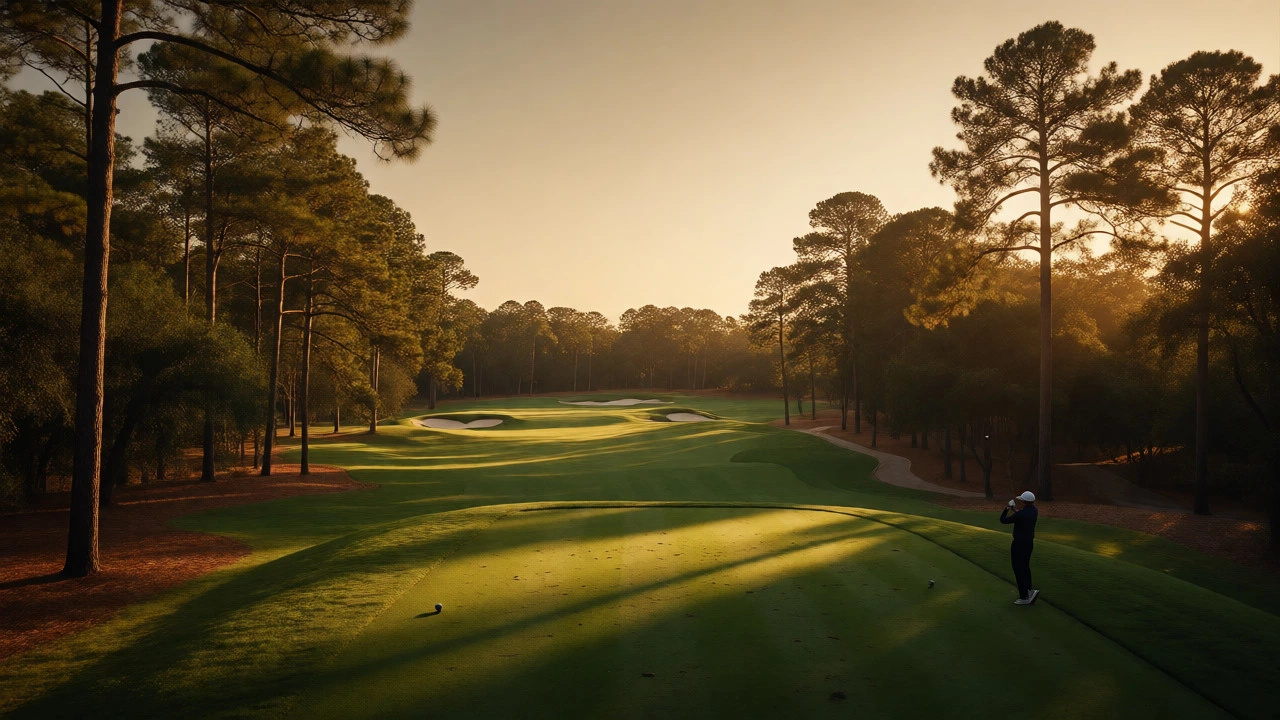
If you want to play a course that screams Tiger Woods, look no further than Bluejack National in Montgomery, Texas. This is arguably the closest thing to a spiritual home for Tiger outside of Augusta. Located north of Houston, Bluejack National was designed specifically for Tiger’s family and friends, featuring a championship course and a par-3 course called The Range. While Tiger doesn’t own the whole development, his involvement was personal. He worked closely with architect Gil Hanse to ensure every bunker and green complex reflected his preferences. It’s exclusive, expensive, and undeniably authentic.
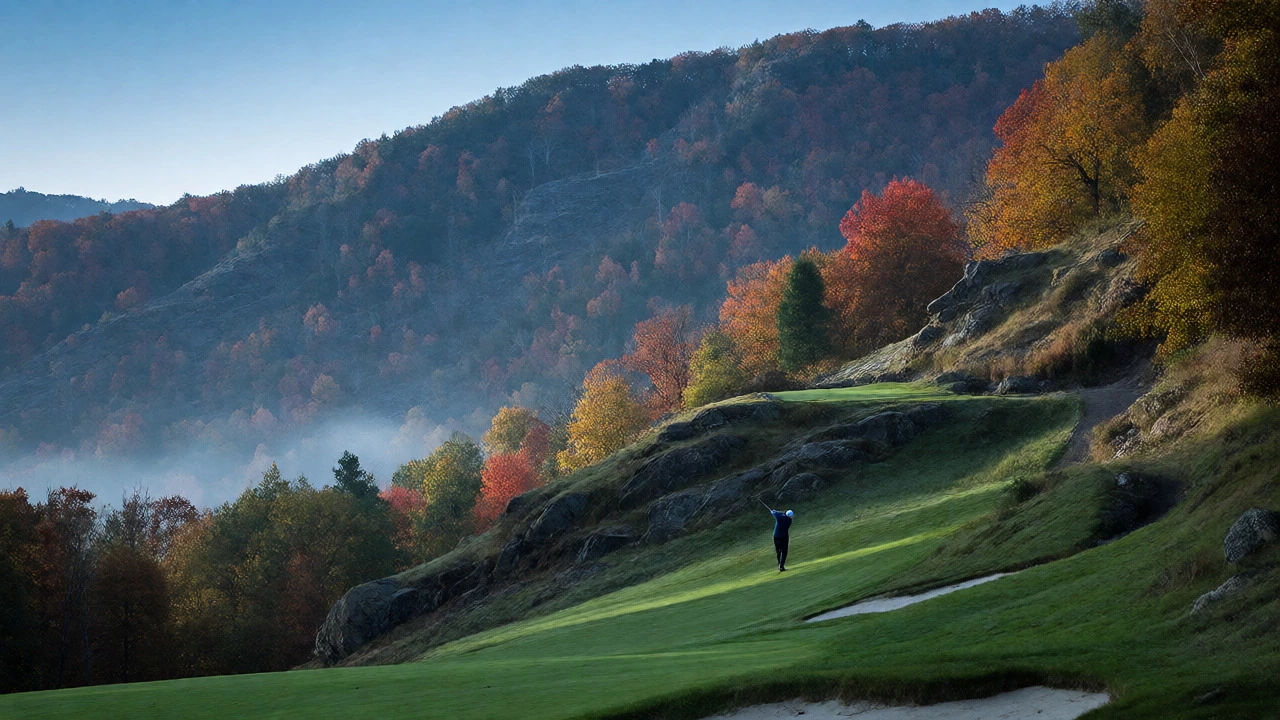
Another standout is The Cliffs at High Carolina in Boone, North Carolina. This mountain course is a beast. It plays over 7,500 yards from the back tees and features dramatic elevation changes that test even the best ball-strikers. TGR Design collaborated with the developer to create a layout that respects the rugged Appalachian terrain while providing strategic shot values. Unlike many flat, parkland-style courses, High Carolina requires precise club selection and wind management. It’s open to the public, though tee times can be scarce during peak foliage season.
Then there is Punchbowl Golf Club in Los Angeles, California. This one is unique because it’s not a traditional full-length course. Punchbowl is a nine-hole, floodlit facility built into a former reservoir site. It’s designed for after-work rounds and social play. Tiger envisioned it as a community hub where golf could be accessible and fun rather than stuffy and formal. It’s a great example of how TGR adapts its design philosophy to urban environments. If you’re in LA and want a quick, well-designed round under lights, this is the spot.
International Footprint and Partnerships
Tiger’s influence extends well beyond US borders. One of his most significant international projects is Saudi Aramco Team Series venues and related developments in Saudi Arabia. While he hasn’t designed every hole himself, his partnership with the Public Investment Fund has led to several new layouts. For instance, the Red Sea Global projects include courses co-designed by TGR. These courses are part of luxury resorts aimed at attracting global tourists. The design ethos here focuses on sustainability and integrating the course with the natural desert landscape, using native grasses and minimal water usage.
In Asia, Cape Kidnappers Golf Course in Hawke's Bay, New Zealand is another gem. Although originally designed by Tom Doak, Tiger was heavily involved in the final routing and green complexes. It’s consistently ranked among the top 100 courses in the world. The links-style holes along the coastline offer breathtaking views and challenging winds. Playing here feels less like a manicured American parkland and more like a walk on the British Isles, but with the precision of modern agronomy.
Don’t overlook Le Chateau de Chantilly in France. Tiger redesigned the historic La Grande Course to bring it up to modern championship standards. This project was about respecting history while adding contemporary strategy. The chateau setting provides a backdrop that few other courses can match, combining French elegance with rigorous golf challenges.
Comparison of Key TGR Design Courses
To help you decide which course fits your travel plans or skill level, here’s a breakdown of some key attributes.
| Course Name | Location | Style | Accessibility | Key Feature |
|---|---|---|---|---|
| Bluejack National | Montgomery, TX | Championship | Private/Resort | Personal family project |
| The Cliffs at High Carolina | Boone, NC | Mountain Links | Public | Elevation changes |
| Punchbowl Golf Club | Los Angeles, CA | Nine-Hole Urban | Public | Floodlit night golf |
| Cape Kidnappers | Hawke's Bay, NZ | Links | Public | Coastal views |
| Al Hamra Golf Club | Ras Al Khaimah, UAE | Desert Resort | Public | Luxury amenities |
Does Tiger Own Augusta National?
This is the big question everyone asks. No, Tiger Woods does not own Augusta National Golf Club. It is a private club owned by its members, including prominent figures like Bill Gates and Warren Buffett. Tiger won his fifth Masters there in 2019, cementing his legacy, but he has no ownership stake. He is a member, which grants him access, but he cannot sell the course or change its policies unilaterally. The club operates on a strict tradition-based model, resisting commercialization despite its massive revenue from the Masters Tournament.
Similarly, he doesn’t own Pebble Beach or St Andrews. Pebble Beach is owned by the Pebble Company (backed by various investment groups), and St Andrews is managed by the R&A Trust. Tiger’s relationship with these courses is purely competitive and historical. His victories there are part of his lore, but not his balance sheet.

The Business Model Behind TGR Design
Why would Tiger choose licensing over ownership? It comes down to risk and reach. Owning a golf course is capital-intensive. Land acquisition, construction, irrigation systems, and ongoing maintenance costs can run into tens of millions of dollars. By partnering with developers, TGR minimizes financial exposure while maximizing brand visibility. They get to put their name on high-profile projects across six continents without tying up cash flow.
Moreover, this model allows for faster expansion. A developer brings the land and money; TGR brings the marketing power and design credibility. Developers pay a premium for the "Tiger Woods" label because it drives real estate sales and hotel bookings. Studies in hospitality marketing show that properties associated with celebrity designers see higher occupancy rates and average daily rates. For Tiger, it’s a win-win: he stays active in the sport he loves, influences course architecture trends, and earns substantial income without managing a staff of hundreds.
How to Book a Round on a TGR Course
If you’re eager to play one of these courses, timing and booking strategy matter. Here are some practical tips:
- Book Early: Popular TGR courses like Cape Kidnappers or Bluejack National fill up months in advance, especially during shoulder seasons (spring and fall).
- Check Membership Status: Some courses, like Bluejack, prioritize members and guests. You may need a referral or to stay at the associated hotel to secure a tee time.
- Consider Weekday Play: Weekend rates are significantly higher. If you can flex your schedule, weekdays offer better availability and lower prices.
- Look for Packages: Many TGR properties are part of larger resorts. Booking a room-and-golf package often includes perks like cart fees waived or discounted merchandise.
Also, keep an eye on special events. Sometimes, courses close for tournaments or corporate buyouts. Always verify availability directly with the pro shop rather than relying solely on third-party booking sites, which may not reflect last-minute closures.
Future Projects and What’s Next
Tiger’s portfolio continues to grow. Recent announcements highlight new projects in Florida and Europe. In Florida, TGR is working on residential communities centered around custom-designed courses, targeting affluent buyers who want a lifestyle integrated with golf. In Europe, there are rumors of partnerships in Spain and Portugal, leveraging the region’s year-round weather and tourism infrastructure.
One trend to watch is the focus on sustainability. Modern TGR designs increasingly incorporate eco-friendly practices, such as solar-powered irrigation, recycled water systems, and native plantings that reduce pesticide use. This aligns with broader industry shifts toward environmental responsibility and appeals to a younger generation of golfers who care about their carbon footprint.
Does Tiger Woods personally fund the construction of his courses?
Generally, no. Most TGR Design courses are funded by third-party developers or investors. Tiger provides the design expertise and branding, receiving a design fee and sometimes a small equity stake or royalty percentage. This allows him to expand his portfolio without bearing the full financial risk of property ownership.
Can the public play at Bluejack National?
Yes, but it is primarily a private club and resort. Public access is limited and usually requires staying at the Bluejack Lodge or being invited by a member. Tee times are highly competitive and expensive compared to standard public courses.
Are all Tiger Woods courses difficult to play?
Not necessarily. While many TGR designs feature championship tees that challenge pros, they often include multiple tee boxes to accommodate different skill levels. Courses like Punchbowl are designed for casual play, while others like High Carolina demand serious strategic thinking and physical endurance.
What is TGR Design?
TGR Design is Tiger Woods' golf course architecture firm, founded in 2008. It collaborates with architects and developers to create new courses and renovate existing ones. The firm focuses on strategic design elements that reward creativity and punish poor decision-making, reflecting Tiger's own playing style.
Did Tiger design any courses outside the United States?
Yes, TGR has projects worldwide, including in New Zealand (Cape Kidnappers), France (Chantilly), Saudi Arabia, and the UAE. These international designs often adapt to local climates and landscapes, offering diverse playing experiences ranging from coastal links to desert oases.
You might like