Gym Nutrition Planner
Select your options and click the button to see what you should eat.
Recommended Foods
💡 Pro Tip
You’ve just finished a brutal set of squats. You’re sweating, your legs feel like jelly, and you’re starving. But what do you actually eat? Grabbing a donut feels good in the moment, but it won’t help those muscles grow. Eating plain chicken breast might be effective, but who wants to chew through dry protein when they’re exhausted? The truth is, there isn’t one single "magic" gym food. Your best choice depends entirely on when you are eating relative to your workout.
Think of your body like a high-performance car. You wouldn’t put cheap sludge in the tank before a race, and you wouldn’t ignore the engine oil after driving hard. Nutrition fuels your training and repairs the damage. If you’re lifting weights or doing cardio at the gym, what you eat matters as much as how you lift. Let’s break down exactly what to put on your plate so you stop guessing and start seeing results.
Pre-Workout Fueling: Energy Without the Crash
Eating before the gym is tricky. Too much food, and you’ll feel sluggish or nauseous during your lifts. Too little, and you’ll run out of gas halfway through your session. The goal here is simple: provide quick energy that your body can use immediately.
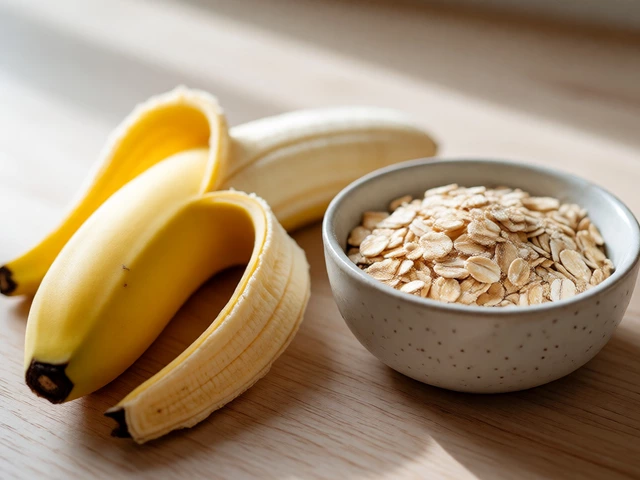
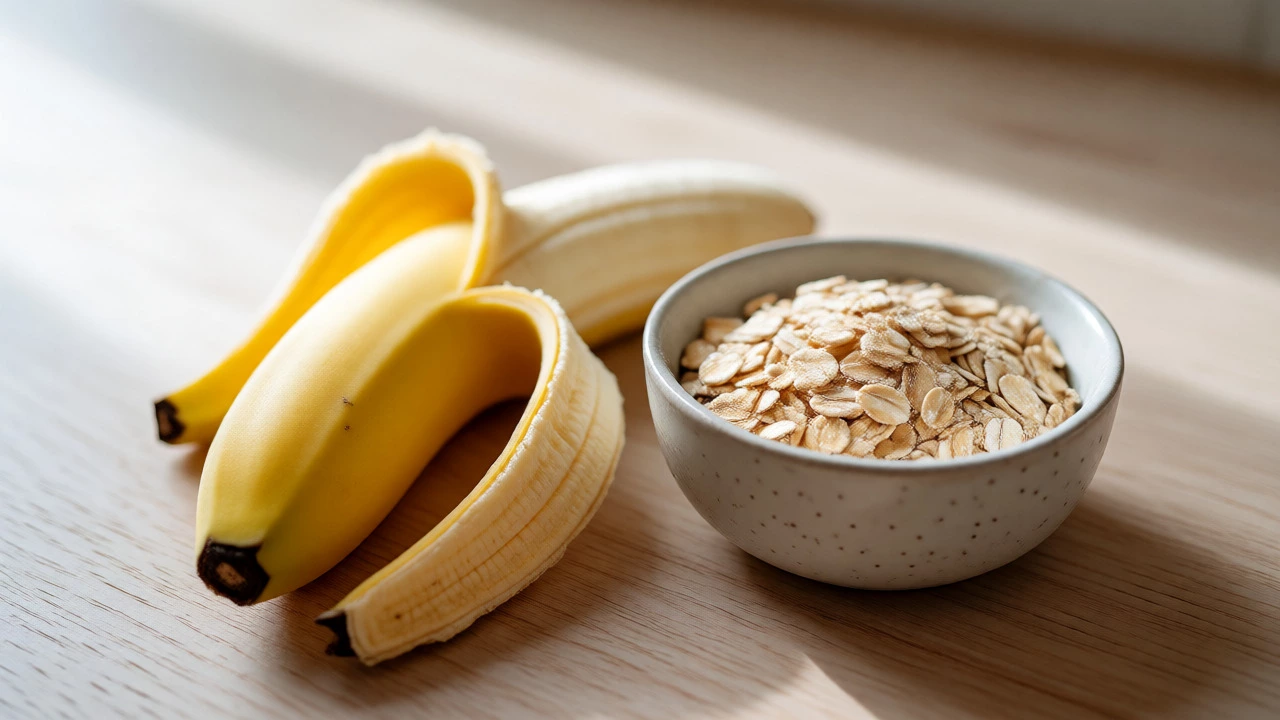
Bananas are arguably the most popular pre-workout snack for a reason. They are packed with simple carbohydrates and potassium, which helps prevent muscle cramps. A medium banana provides about 27 grams of carbs and digests quickly, giving you steady energy without sitting heavy in your stomach. It’s nature’s original energy bar.
If you have more time-say, two hours before your workout-you need something more substantial. Look for complex carbohydrates paired with a moderate amount of protein. Oatmeal is a powerhouse here. It releases energy slowly, keeping your blood sugar stable while you train. Top it with a scoop of whey protein or some Greek yogurt to add amino acids that protect your muscles from breaking down during intense effort.
What about caffeine? Many people rely on coffee or pre-workout supplements. Caffeine is a proven ergogenic aid, meaning it genuinely improves performance by reducing perceived effort. However, tolerance builds up fast. If you drink three coffees a day, your morning cup won’t give you that extra edge anymore. Use it strategically, not habitually.
Post-Workout Recovery: Repair and Rebuild
This is where most people mess up. After training, your muscles are damaged (in a good way) and your glycogen stores (energy reserves) are depleted. You need to fix this window efficiently. The old myth about an "anabolic window" closing 30 minutes after exercise has been debunked; you have several hours to refuel. But sooner is generally better if you want to optimize recovery.
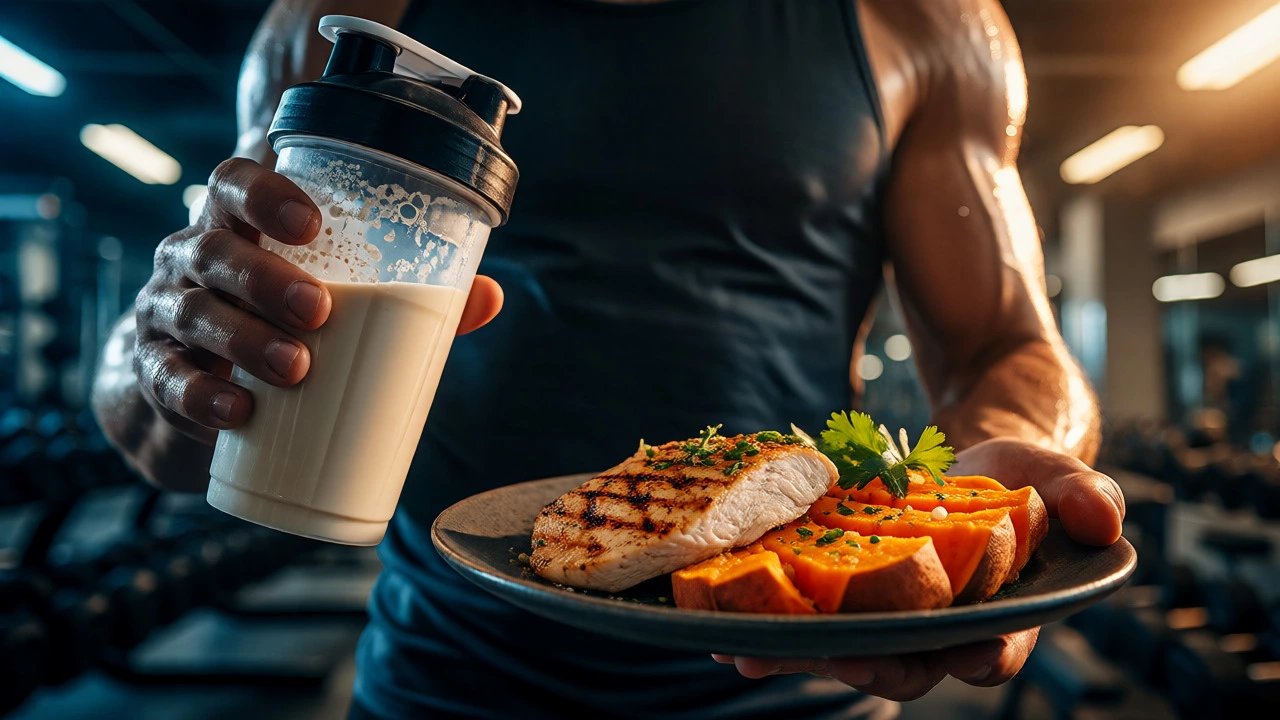
Whey Protein remains the gold standard for post-workout nutrition because of its absorption rate. It hits your bloodstream fast, delivering leucine-a key amino acid that triggers muscle protein synthesis. If you hate shakes, eggs are a solid alternative. Three whole eggs provide high-quality protein and healthy fats, though the fat slows digestion slightly compared to isolate powder.
Protein alone isn’t enough. You must replenish glycogen. Carbohydrates spike insulin, which acts as a shuttle, helping drive nutrients into muscle cells. White rice, sweet potatoes, or even fruit work well here. Don’t fear carbs post-workout; your body needs them to recover. Skipping carbs after a heavy leg day often leads to prolonged soreness and fatigue the next day.
The Role of Hydration and Electrolytes
We often overlook water, yet even mild dehydration (1-2% loss of body weight) significantly drops strength and power output. You lose fluids through sweat, and along with them, electrolytes like sodium, potassium, and magnesium. Water alone doesn’t always replace these lost minerals.
If you’re sweating heavily, especially in a hot gym or during long sessions, consider adding electrolytes. Coconut water is a natural option rich in potassium, though it lacks sufficient sodium for heavy sweaters. For most gym-goers, salting your meals adequately covers sodium needs. If you’re running on Calgary’s winter trails or pushing hard in a HIIT class, a pinch of sea salt in your water bottle can make a noticeable difference in endurance.
Comparing Popular Gym Foods
Not all foods serve the same purpose. Choosing the right one depends on your timing and goals. Here is a breakdown of common options based on their nutritional profile and utility.
| Food Item | Best Timing | Key Benefit | Digestion Speed |
|---|---|---|---|
| Banana | Pre-Workout (30-60 mins) | Quick carbs, potassium for cramp prevention | Fast |
| Oatmeal | Pre-Workout (2-3 hours) | Sustained energy, fiber keeps you full | Slow/Medium |
| Whey Protein | Post-Workout | Rapid amino acid delivery for repair | Very Fast |
| Greek Yogurt | Pre or Post | High protein, probiotics for gut health | Medium |
| Chicken Breast | Main Meal (Anytime) | Lean protein source, low fat | Medium/Slow |
| Nuts (Almonds) | Snack (Away from Workout) | Healthy fats, satiety | Slow |
Foods to Avoid Before Training
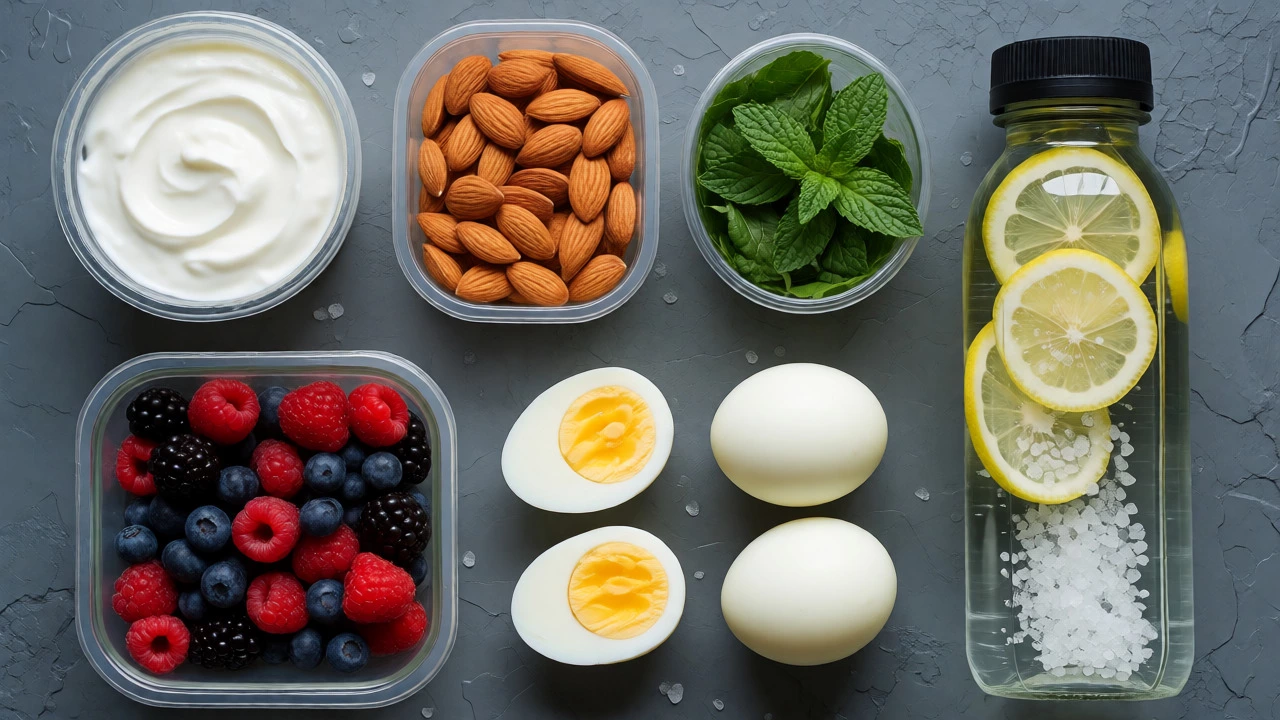
Just as important as knowing what to eat is knowing what to skip. High-fat foods take a long time to digest. If you eat a burger or a handful of almonds right before lifting, your blood flow will be diverted to your digestive system rather than your muscles. This can lead to cramping, bloating, and poor performance.
Similarly, avoid high-fiber vegetables like broccoli or beans immediately before a workout. While healthy, they cause gas and bloating in many people. Save your salad for dinner or lunch, not for 45 minutes before you hit the squat rack. Sugar crashes are another pitfall. Candy bars give you a quick spike in energy followed by a sharp drop, leaving you tired mid-session. Stick to whole-food carbs like fruit instead.
Building a Sustainable Routine
Consistency beats perfection. You don’t need expensive superfoods or exotic ingredients. The best gym food is the food you enjoy and can stick with long-term. In Calgary, we have access to great local produce and meats. Rotating your proteins prevents boredom and ensures a wider range of micronutrients.
Listen to your body. Some people thrive on intermittent fasting and train fasted, drinking only black coffee. Others feel dizzy without breakfast. There is no universal rule. Track how you feel. Do you have more energy when you eat oats? Does chicken sit heavier than fish? Adjust accordingly. Start with small changes. Add a banana before your session for a week. See if your reps increase. Then try adjusting your post-workout shake. Small tweaks compound over months.
Remember, nutrition supports training, it doesn’t replace it. No amount of protein powder will build muscle if you aren’t progressively overloading your muscles in the gym. Conversely, perfect training can’t out-train a terrible diet. Find the balance that works for your lifestyle, and you’ll see progress faster than you expect.
Is it okay to work out on an empty stomach?
Yes, for many people, training fasted is fine, especially for low-to-moderate intensity cardio. However, for high-intensity resistance training, having some carbohydrates beforehand usually improves performance and prevents muscle breakdown. Experiment to see which makes you feel stronger.
How much protein should I eat after the gym?
Aim for 20-40 grams of high-quality protein within a few hours of finishing your workout. This amount is sufficient to maximize muscle protein synthesis for most adults. Consuming more than this in one sitting doesn’t necessarily provide additional benefits for muscle growth.
Do I need supplements if I eat real food?
No, supplements are not mandatory. You can get all necessary nutrients from whole foods. Supplements like whey protein or creatine offer convenience and specific benefits (like rapid absorption or increased strength), but they are meant to supplement a solid diet, not replace it.
What is the best carb source for pre-workout?
Simple carbohydrates like bananas, white rice cakes, or applesauce are ideal close to your workout because they digest quickly. Complex carbs like oatmeal or brown rice are better if you are eating 2-3 hours before training, providing sustained energy release.
Should I eat fat before my workout?
Generally, keep fat intake low immediately before training. Fat slows down digestion, which can cause discomfort or sluggishness during exercise. Save high-fat foods like nuts, avocados, or fatty meats for meals further away from your gym session.
You might like