What Are the Characteristics of Sports Equipment? Key Features That Make Gear Perform

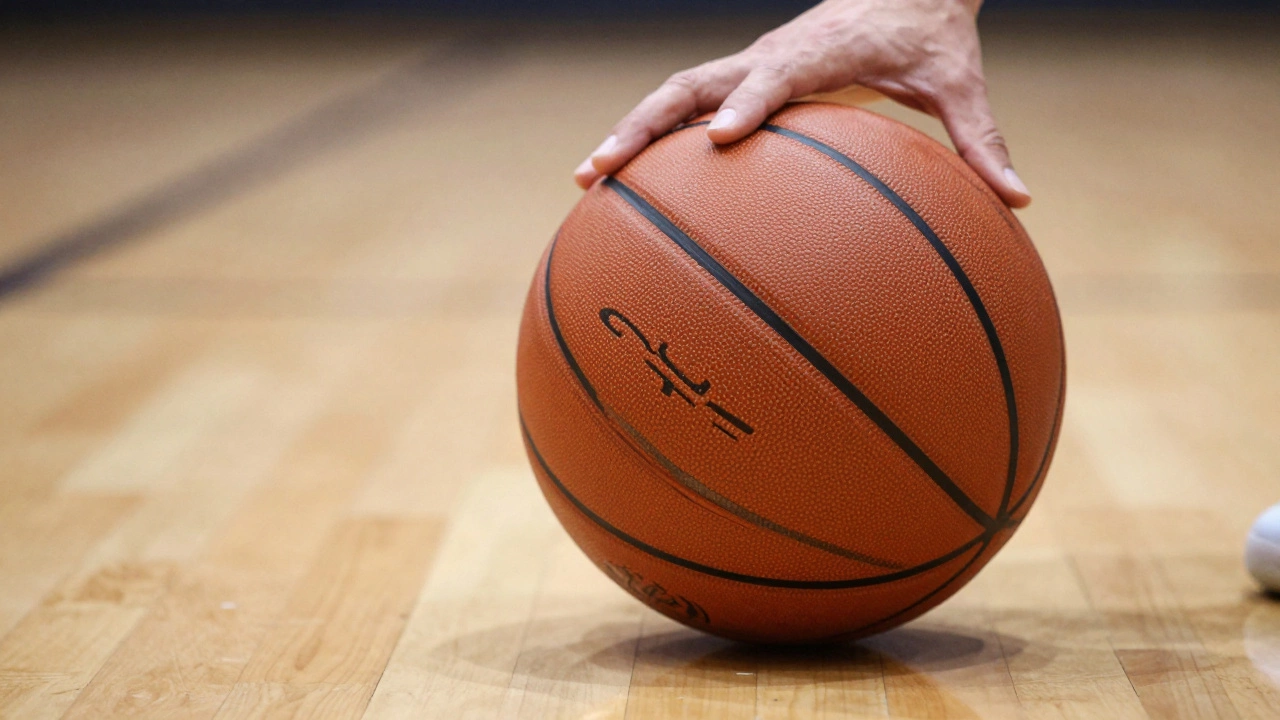
Not all sports equipment is created equal. A cheap basketball feels different in your hands than a game-used NBA ball. A budget running shoe won’t give you the same support as a pair designed for marathon training. The difference isn’t just price-it’s in the design, materials, and purpose built into every piece of gear. Understanding the characteristics of sports equipment helps you choose what actually works for your sport, your body, and your goals.
Performance-Driven Design
Sports equipment is built to solve a specific physical problem. A tennis racket’s string pattern isn’t random-it’s engineered to maximize spin or control. A soccer ball’s panel shape and seam depth affect how it curves in flight. Even something as simple as a baseball glove has a pocket depth and webbing style chosen for the player’s position. These aren’t afterthoughts. They’re the result of decades of athlete feedback and biomechanical testing.
Take golf clubs. A driver’s clubhead is designed with a low, deep center of gravity to launch the ball higher with less spin. A putter’s sole is weighted to glide smoothly over grass without digging. These aren’t decorative details. They’re functional choices that directly impact performance. If you’re buying equipment, ask: What physical action is this meant to improve? The answer tells you if the design fits your needs.
Material Science Matters
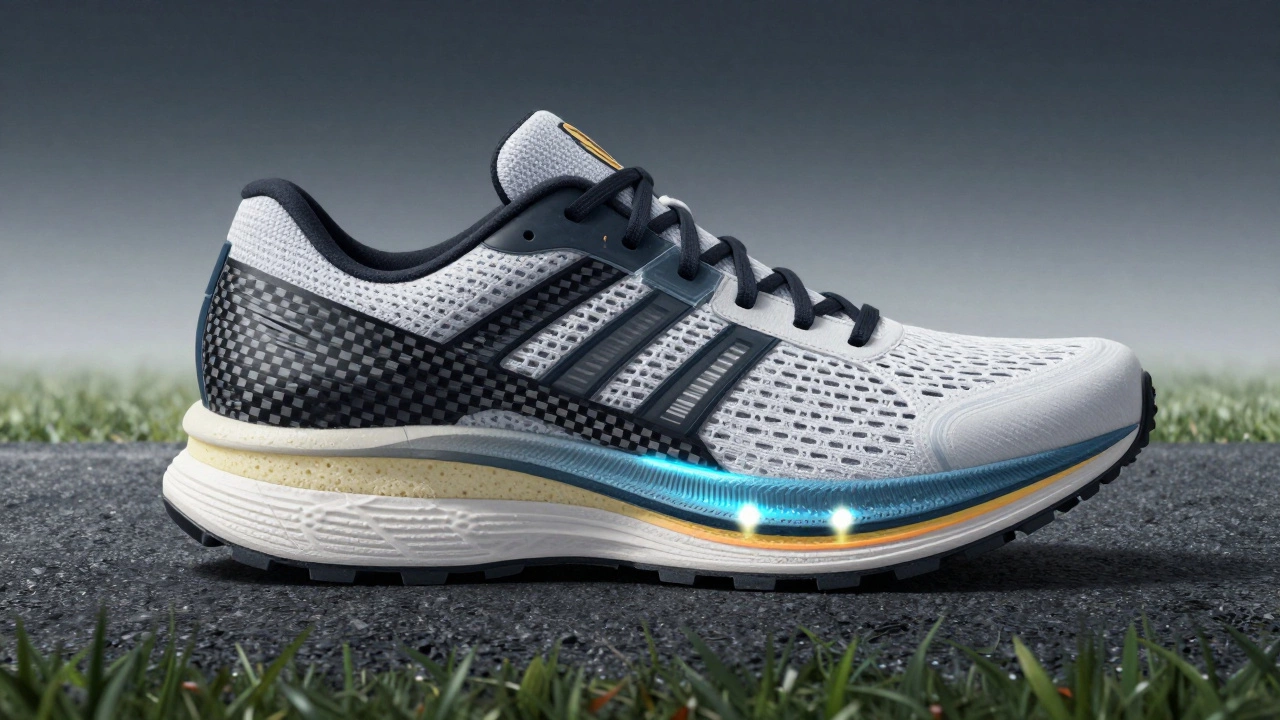
The materials used in sports equipment have evolved dramatically. Carbon fiber isn’t just light-it’s stiff enough to transfer energy efficiently in a cycling pedal or a hockey stick. High-density foam in running shoes absorbs impact without breaking down over miles. Modern synthetic leather on soccer balls resists water and maintains shape in rain, unlike old leather balls that turned into soggy bricks.
Even the stitching matters. A basketball stitched with polyester thread holds up to thousands of bounces. A volleyball with hand-stitched panels offers better control than a machine-sewn one. Materials aren’t chosen for cost-they’re chosen for how they perform under stress. A $200 pair of running shoes isn’t expensive because of the brand logo. It’s expensive because of the engineered midsole foam, the woven upper that breathes and supports, and the rubber compound on the outsole that grips wet pavement without wearing out in six months.
Fit and Ergonomics
Equipment that doesn’t fit well doesn’t perform well. A helmet that shifts during impact won’t protect your head. A glove that’s too tight restricts blood flow and reduces dexterity. A bike saddle that’s too wide causes chafing; too narrow, and it puts pressure on sensitive areas.
Proper fit isn’t about size alone. It’s about shape, weight distribution, and movement freedom. Ski boots are molded to your foot’s arch and ankle alignment. Hockey skates have a heel lock that prevents slippage during sharp turns. Even a baseball bat’s grip size affects swing speed and control. If you’re trying out gear, don’t just try it once. Move. Jump. Swing. Twist. See if it stays where it should.
Weight and Balance
Weight isn’t just about how heavy something feels. It’s about where that weight is located. A baseball bat with a heavy end is harder to swing quickly but hits harder. A lightweight bat gives you faster bat speed but less power. That’s why pros choose bats based on their swing style-not just strength.
The same applies to rackets, clubs, and even protective gear. A football helmet with weight concentrated at the front can cause neck strain. A tennis racket with a head-heavy balance gives more power on groundstrokes but is harder to handle at the net. Balance affects how your body moves, how tired you get, and even how accurate you are.
Durability Under Stress
Sports equipment takes punishment. A soccer ball gets kicked at 70 mph. A basketball gets slammed against the backboard 500 times in a game. A pair of cleats digs into turf and asphalt every step. Equipment must survive this without breaking, warping, or losing function.
That’s why testing matters. Manufacturers don’t just guess how long gear will last. They run machines that simulate thousands of impacts, flex tests, and weather cycles. A quality running shoe might be tested over 1,000 miles before release. A hockey stick is bent and twisted until it fails-so they know the breaking point.
When you buy gear, look for signs of durability: reinforced stitching, double-layered materials, and manufacturer warranties. A $50 pair of gym gloves that fall apart after two weeks isn’t a bargain. It’s a waste of money.
Regulations and Standards
Not every piece of equipment is up for debate. Many sports have strict rules about what you can use. In basketball, the ball must be size 7 for men’s play and weigh between 20 and 22 ounces. In tennis, racket strings can’t be more than 2.7 inches apart. In cycling, bikes must meet UCI weight limits.
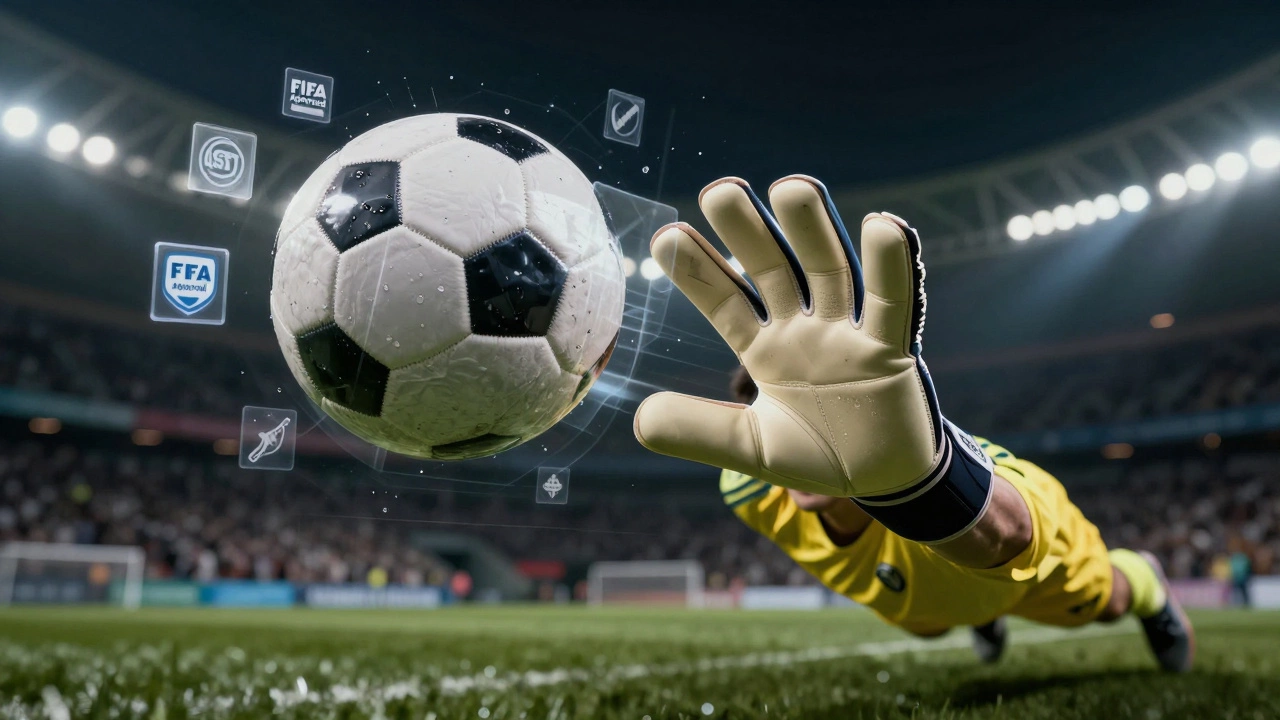
These aren’t arbitrary. They ensure fairness and safety. Using an illegal racket in a tournament could get you disqualified. Wearing non-certified shin guards in youth soccer puts you at risk. Always check the official rules for your sport before buying gear. Look for certification marks like FIFA Approved, ASTM, or NOCSAE on the product.
Specialization by Sport and Position
There’s no one-size-fits-all in sports equipment. A midfielder’s soccer cleats are different from a goalkeeper’s. A point guard’s basketball shoes are built for quick cuts, while a center’s have extra ankle support. Even within the same sport, gear varies by skill level and playing style.
Beginners often need more forgiveness in their gear-softer cushioning, larger sweet spots, lighter weights. Advanced players want precision: tighter control, less vibration, higher responsiveness. Don’t buy gear just because it’s popular. Buy it because it matches how you play.
Comfort and Safety Go Hand in Hand
Good equipment doesn’t just help you play better-it keeps you safe. Padded shoulder pads in football aren’t just for show. They reduce the force of collisions. Mouthguards prevent jaw fractures. Compression sleeves improve blood flow and reduce muscle fatigue.
Comfort isn’t optional. If your gear hurts, you won’t perform. Blisters from ill-fitting shoes, chafing from rough seams, numbness from tight straps-all these things distract you and limit your ability to train or compete. The best gear feels like a second skin: supportive, breathable, and unnoticeable until you need it.
How to Choose the Right Equipment
Here’s how to cut through the noise when buying sports gear:
- Know your sport’s official rules and requirements.
- Identify your playing style-are you power-focused, technical, or endurance-based?
- Test the gear in motion, not just by holding it.
- Check materials: Look for high-performance fabrics, reinforced stitching, and certified components.
- Don’t assume price equals quality. A $150 shoe might be overkill if you only play twice a week.
- Read reviews from real users-not just marketing claims.
The right equipment doesn’t make you a better athlete. But it removes barriers-so you can focus on your training, your technique, and your game.
What are the most important characteristics of sports equipment?
The most important characteristics are performance-driven design, material quality, fit and ergonomics, weight and balance, durability, compliance with regulations, and specialization for the sport or position. These factors determine how well the equipment supports your movements, protects your body, and lasts under pressure.
Does expensive sports equipment always perform better?
Not always. High price often reflects brand, marketing, or advanced materials-but not always better performance for your needs. A beginner doesn’t need a $300 tennis racket. A casual runner doesn’t need a carbon-fiber shoe. Match the equipment to your skill level and usage. Sometimes a mid-range product with solid reviews performs better than a premium one you don’t need.
How do I know if sports equipment fits me properly?
Try it while moving. For shoes, walk, jog, and pivot. For gloves, make a fist and open it repeatedly. For helmets, shake your head side to side-there should be no movement. Gear should feel secure but not tight. If you feel pressure points, numbness, or slipping after five minutes, it’s not the right fit.
Why do some sports have strict equipment rules?
Rules ensure fairness and safety. If one player used a heavier bat or a ball with extra spin, it would give them an unfair advantage. Safety standards prevent injuries-for example, helmets must pass impact tests, and shin guards must cover specific areas. These rules keep competition equal and athletes protected.
Can I use the same equipment for multiple sports?
Sometimes, but rarely well. A pair of running shoes might work for walking or light gym workouts, but they won’t give you the lateral support needed for basketball. A soccer ball is too heavy and hard for indoor volleyball. Using the wrong gear can lead to injury or poor performance. Stick to sport-specific equipment unless the activity is very similar and the gear is labeled as multi-sport.
When you understand what makes sports equipment work, you stop guessing. You start choosing-based on function, not fashion. That’s how you play smarter, stay safer, and get the most out of every practice, every game, every season.
You might like