What Element Is Used in Sports Equipment? A Guide to Modern Materials

Sports Material Selector
Select your primary sport and what matters most to you to find the ideal material for your gear.
Titanium
High strength-to-weight ratio, corrosion-resistant.
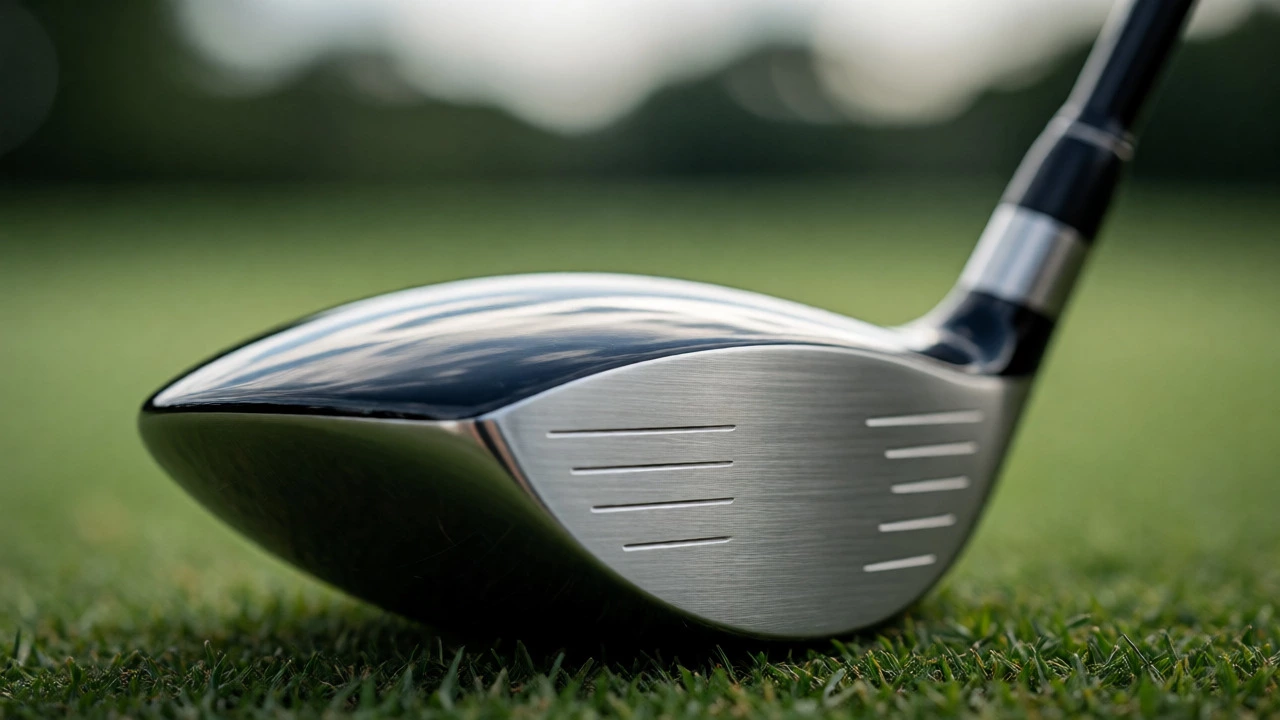
Based on your selection of Golf and Maximum Performance, Titanium offers the best coefficient of restitution for drivers, allowing for larger sweet spots and faster ball speeds without excessive weight.
You probably don't think about the periodic table when you're strapping on your cleats or swinging a driver. But if you look closely at what makes modern sports equipment perform better than it did twenty years ago, you'll find specific chemical elements doing the heavy lifting. It’s not just about "strong metal" anymore. It's about weight-to-strength ratios, corrosion resistance, and how a material reacts to impact.
The truth is, there isn't one single element that answers this question. Instead, different sports rely on different elemental combinations to solve specific physical problems. A golfer needs stiffness without weight; a swimmer needs hydrodynamics; a boxer needs shock absorption. Let’s break down exactly which elements are hiding inside your gear and why they matter for your performance.
Why Material Science Matters More Than Brand Names
Before we name the elements, let's talk about why engineers obsess over them. In sports, every gram counts. If a tennis racket frame weighs an extra 10 grams, your arm fatigue increases significantly after two hours of play. If a bicycle frame flexes too much under power transfer, you lose speed. This is where material science bridges the gap between chemistry and athletic performance.
Engineers choose elements based on three main attributes:
- Density: How heavy the material is per unit of volume.
- Tensile Strength: How much pulling force it can take before breaking.
- Elastic Modulus: How stiff the material is (how much it bends under load).
For example, steel is strong but heavy. Aluminum is light but less stiff. Titanium offers a middle ground with incredible strength-to-weight ratios. Understanding these properties helps you realize why a $500 bat feels different from a $50 bat-it’s not just marketing; it’s atomic structure.
Titanium: The King of Lightweight Strength
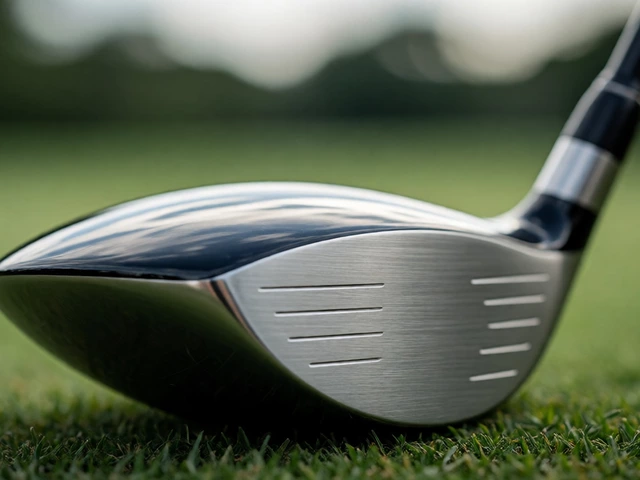
If you had to pick one "hero" element for high-end sports gear, it would likely be Titanium a transition metal known for its high strength-to-weight ratio and corrosion resistance. You’ll find it in premium golf clubs, high-end bicycle frames, and lacrosse sticks.
Why do manufacturers pay a premium for titanium? Because it allows them to make thinner walls in tubes and heads without sacrificing durability. In golf, titanium drivers allow for larger clubheads with a bigger "sweet spot." The face of the club can be made incredibly thin, which acts like a trampoline, launching the ball faster off the face. This is known as the coefficient of restitution (COR), and titanium maximizes it better than almost any other metal.
However, titanium has a downside: it’s expensive to process. It requires specialized welding techniques and casting methods. That’s why you mostly see it in professional or serious amateur gear, not beginner sets.
Carbon Fiber: Not an Element, But a Critical Composite
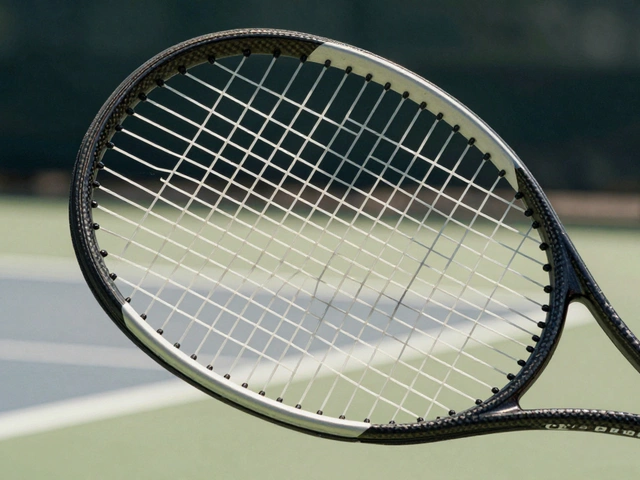
Technically, carbon is an element, but when people ask about "carbon fiber," they’re talking about a composite material. Still, Carbon the nonmetallic element that forms the backbone of high-performance composites is essential to mention because it dominates modern cycling, racing, and skiing equipment.
Carbon fiber isn’t just pure carbon atoms floating around. It’s carbon atoms bonded into crystals, woven into threads, and then embedded in resin. The result is a material that is stiffer than steel but lighter than aluminum. This is crucial for road bikes, where aerodynamics and climbing efficiency are paramount.
In sports like rowing or kayaking, carbon fiber hulls reduce drag and increase responsiveness. The key advantage here is directional strength. Engineers can lay up the carbon fibers to resist forces in specific directions-like the twisting motion of a paddle stroke-while keeping the overall weight minimal.

Aluminum Alloys: The Workhorse of Sports Gear
You can’t talk about sports equipment without mentioning Aluminum a lightweight, silvery-white metal that is abundant and easily machined. While it might seem basic compared to titanium or carbon, aluminum alloys are the backbone of accessible sports gear. From baseball bats to hockey sticks to entry-level bike frames, aluminum is everywhere.
Pure aluminum is actually quite soft. To make it useful for sports, it’s mixed with other elements like copper, magnesium, or zinc to create alloys. For instance, 6061-T6 aluminum is common in bicycle frames because it balances weldability with strength. 7000-series aluminum (often containing zinc) is used in aircraft-grade applications and some high-end ski poles.
The benefit of aluminum is cost-effectiveness and repairability. If you dent a titanium frame, it’s often game over. An aluminum frame can sometimes be straightened or welded by a skilled technician. Plus, it doesn’t corrode easily, making it perfect for outdoor gear exposed to rain and sweat.
Steel and Iron: Where Durability Beats Weight
Not every sport cares about saving ounces. Sometimes, you need raw impact resistance. This is where Iron the primary component of steel, providing hardness and magnetic properties comes into play. Steel is an alloy primarily made of iron and carbon.
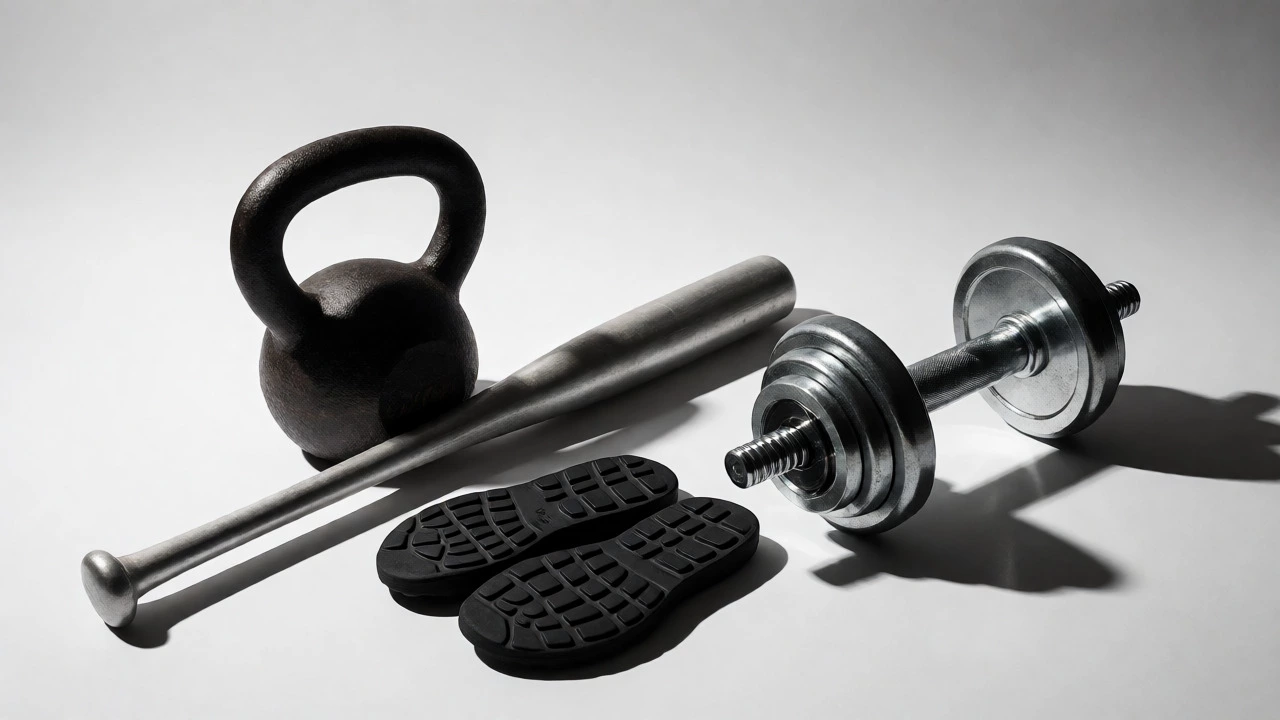
Look at boxing gloves. The inner padding might be foam, but the outer shell is often reinforced with synthetic leather backed by durable materials. However, look at the weights themselves. Dumbbells and kettlebells are cast iron. Why? Because iron is dense. You want that mass concentrated in a small space so you can lift heavy loads without having a giant, unwieldy object.
In field hockey, older sticks were made of wood, but modern elite sticks use composite materials. Yet, in goalkeeping, steel remains relevant for protective cages and frames because it won’t shatter upon impact with a hard rubber ball. The trade-off is weight, but in stationary or low-mobility equipment, weight matters less than survival.
Silicon and Rubber: Flexibility and Grip
Hard metals aren’t the only players. Silicon a chemical element used to create silicone rubbers and polymers plays a huge role in footwear and protective gear. Silicone-based compounds are used in shoe soles for grip and cushioning. They maintain their elasticity across a wide range of temperatures, unlike some natural rubbers that get brittle in cold weather.
Think about yoga mats or swimming caps. Many are made from thermoplastic elastomers (TPE) or silicone blends. These materials provide the necessary friction against the floor or water while being easy to clean and resistant to mold. Silicon also appears in advanced foams used in helmet liners, offering consistent shock absorption over thousands of impacts.
Comparing Key Elements in Sports Gear
To help you decide what gear suits your needs, here is a breakdown of the most common elements and their typical applications.
| Element/Material | Primary Benefit | Common Use Cases | Cost Level |
|---|---|---|---|
| Titanium | High strength-to-weight ratio, corrosion-resistant | Golf drivers, bike frames, lacrosse heads | High |
| Carbon (Fiber) | Extreme stiffness, low weight, customizable directionality | Racing bikes, skis, rackets, helmets | Very High |
| Aluminum | Lightweight, affordable, good thermal conductivity | Bike frames, baseball bats, ski poles | Low-Medium |
| Iron (Steel) | High density, extreme durability, impact resistance | Kettlebells, dumbbells, goal cages | Low |
| Silicon | Flexibility, temperature stability, grip | Shoe soles, grips, protective pads | Medium |
How to Choose the Right Material for Your Sport
So, does knowing the elements help you buy better gear? Absolutely. Here’s how to apply this knowledge next time you’re shopping.
If you are a golfer: Look for titanium faces if you want maximum distance and forgiveness. If you prefer control and feel, steel irons might still be better for you despite the weight penalty.
If you are a cyclist: Aluminum is great for reliability and value. Carbon fiber is best if you are chasing seconds and care about vibration damping. Titanium is a niche choice for long-distance riders who want comfort and longevity over pure speed.
If you are a runner: Pay attention to the midsole foam composition. While not always listed as an "element," the chemical structure of the foam (often involving nitrogen or carbon-based polymers) determines energy return. Nike’s ZoomX foam, for example, uses a Pebax polymer derived from petroleum products, offering high energy return.
If you are a swimmer: Check the fabric content. Polyurethane coatings (derived from petroleum elements) repel water better than nylon, reducing drag. This is why tech suits are banned in competition-they exploit these material advantages too heavily.
The Future: Smart Materials and Rare Earths
We are entering an era where equipment isn’t just passive. Sensors are being embedded directly into fabrics and frames. This involves rare earth elements like neodymium for magnets in sensors, or conductive silver threads woven into shirts to track heart rate.
Also, graphene-a single layer of carbon atoms-is starting to appear in high-end prototypes. It promises even greater strength and flexibility than current carbon fibers. While not yet mainstream due to manufacturing costs, keep an eye out for "graphene-infused" labels in running shoes and tennis rackets over the next few years.
Is titanium really better than carbon fiber?
It depends on the application. Titanium is more durable against impacts and easier to repair, making it great for frames that might crash. Carbon fiber is lighter and stiffer, making it superior for racing where every gram counts. Neither is universally "better"; they serve different performance goals.
Why is aluminum used so much if it's weaker than steel?
Aluminum is used because it is roughly one-third the weight of steel. For moving parts like bike wheels or baseball bats, weight reduction improves speed and reduces player fatigue. While steel is stronger per cubic inch, aluminum provides sufficient strength for most recreational sports at a fraction of the weight.
Does carbon fiber wear out?
Yes, but differently than metal. Metal fatigues gradually and may show cracks. Carbon fiber can suffer from delamination or hidden internal damage after significant impacts. Regular inspection is crucial. However, under normal use without crashes, a carbon frame can last decades.
Are there any health risks associated with these materials?
Generally, no. Finished sports equipment is safe. During manufacturing, workers must handle fine carbon dust or metal shavings carefully. Some athletes have skin sensitivities to nickel (often found in stainless steel alloys) or certain latex components in older gear, but modern hypoallergenic alternatives are widely available.
Which element is best for cold-weather sports?
Silicon-based materials and specific aluminum alloys perform well in cold. Some plastics become brittle in freezing temperatures, but silicon maintains flexibility. For skis and snowboards, the core materials (often wood or foam) and the top sheet resins are engineered to remain flexible in sub-zero conditions.
You might like