
Friendly Fight Identifier
Not sure what kind of "friendly fight" you are watching? Answer the questions below to identify the type of bout.
Key Characteristics:
You’re watching the news or scrolling through social media, and you see two heavyweights throwing hands in a ring. The crowd is cheering, but there’s no referee counting down a ten-count for a knockout. No championship belt is on the line. You might ask yourself: what is a friendly fight called? It’s a common question, especially if you’re new to combat sports. The answer isn’t just one word; it depends entirely on context, rules, and intent.
In the world of boxing, which is a combat sport involving two opponents wearing protective gloves and exchanging punches within a roped ring, not every bout is a grudge match for glory. There are specific terms for fights that prioritize skill demonstration, training, or entertainment over a strict win-loss record. Let’s break down the different types of "friendly" fights so you never get confused again.
The Most Common Term: Exhibition Match
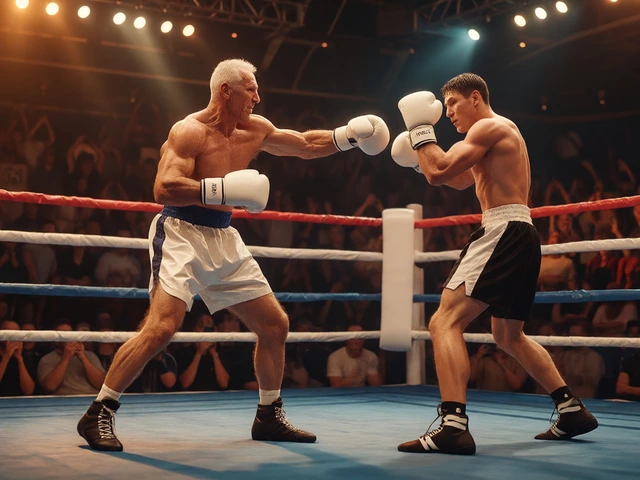
If you see professional boxers fighting in a non-title bout where the result doesn’t count toward their official records, you are likely watching an exhibition match. This is a boxing contest fought primarily for practice, demonstration, or charity rather than for a title or ranking.
Why do fighters do this? Sometimes, a retired legend wants to test their skills against a current star without risking their legacy. Other times, it’s a promotional event to raise money for a cause. The rules are often relaxed. Headgear might be mandatory, or rounds might be shorter. For example, when Mike Tyson returned to the ring in 2020 to face Roy Jones Jr., it was billed as an exhibition. Neither fighter’s professional record changed, regardless of who landed more clean shots.
| Type | Primary Goal | Affects Record? | Protective Gear |
|---|---|---|---|
| Exhibition Match | Entertainment/Charity | No | Variable (often larger gloves) |
| Sparring | Training/Skill Development | No | Mandatory (headgear, mouthguard) |
| Amateur Bout | Competition/Experience | Yes (Amateur Record) | Mandatory (Headgear, vest) |
Sparring: The Training Ground Version
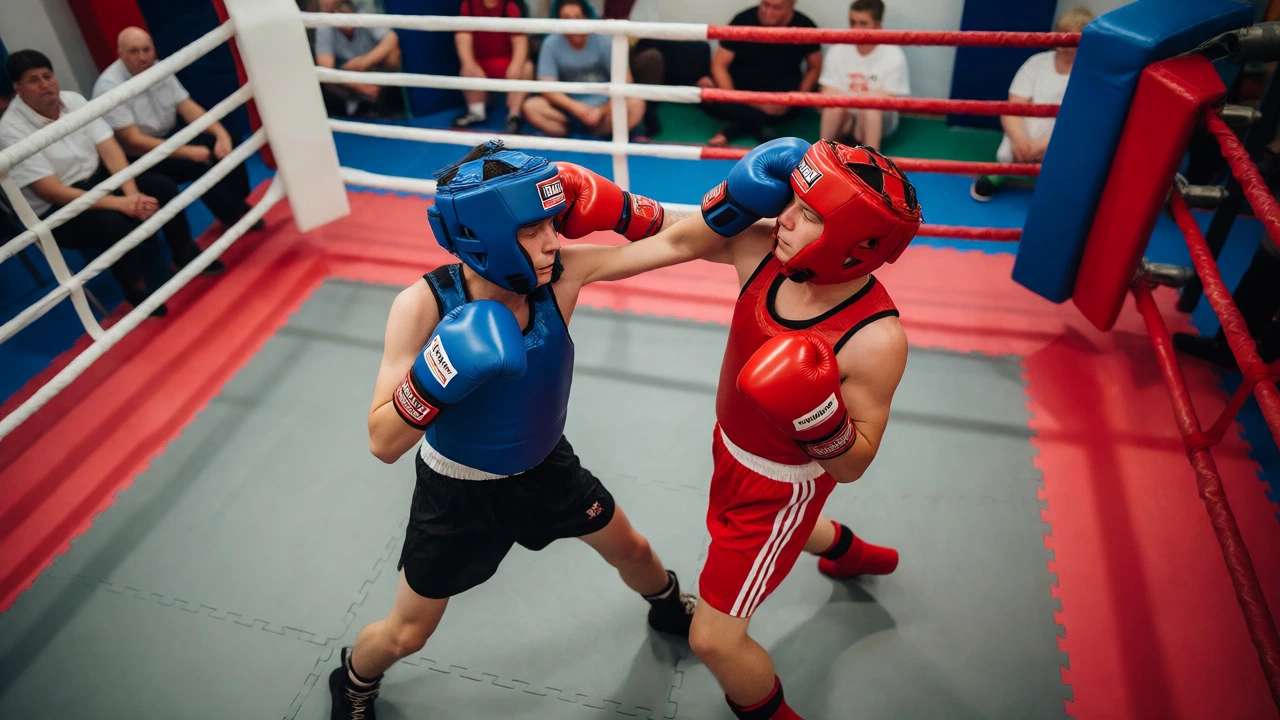
If the fight happens in a gym rather than a stadium, it’s almost certainly sparring. This is controlled practice between two partners to simulate real combat conditions. While it can look intense, the goal isn’t to knock your partner out cold. It’s to learn how to react under pressure.
There are different levels of sparring. "Light technical sparring" focuses on movement and accuracy with minimal power. "Hard sparring" simulates a real fight, but participants still wear headgear and use larger gloves (16oz or more) to protect each other. If you hear someone say, "I had a friendly spar today," they mean they trained hard but didn’t try to injure their partner. It’s a collaborative effort disguised as conflict.

Amateur vs. Professional: Where Does "Friendly" Fit?
A lot of people confuse amateur boxing with friendly fights. They aren’t the same. An amateur bout is a competitive match governed by strict rules where points are awarded for clean hits. These fights matter. They lead to Olympic qualifications and national titles. However, compared to professional fights, amateur bouts feel "friendlier" because:
- Headgear is required: In most amateur competitions, fighters must wear protective helmets, reducing the risk of cuts and concussions.
- Scoring systems: Judges award points for volume and accuracy, not just damage. This encourages activity rather than brutal knockouts.
- Safety first culture: Coaches often stop fights early if one fighter is overwhelmed, prioritizing long-term health over a dramatic finish.
So, while an amateur fight is competitive, it operates with a safety net that makes it less dangerous than a pro title fight. But don’t call it "friendly"-the athletes are trying to win.
Why Do Fighters Choose Non-Competitive Matches?
You might wonder why elite athletes would choose a path that doesn’t add wins to their resume. Several reasons drive this decision:
- Risk Management: A veteran boxer might take an exhibition against a younger, faster opponent. If they lose, it doesn’t hurt their stats. If they win, they prove they still have it.
- Promotional Value: High-profile exhibitions generate massive pay-per-view revenue. Think of the Mayweather vs. Logan Paul fight. It wasn’t a traditional pro bout, but it made millions.
- Testing New Skills: Fighters sometimes use exhibitions to experiment with new styles or weight classes without the pressure of a ranking system.
- Community Engagement: Local gyms often host "open spars" or charity exhibitions to bring fans closer to the sport.
Key Differences from Real Fights
To spot a friendly fight, look for these signs. First, check the rule set. Are the rounds shorter? Is the referee intervening more frequently to separate fighters? Second, observe the gear. Larger gloves (like 14oz or 16oz) suggest a focus on safety and padding rather than impact. Third, listen to the commentary. Announcers will explicitly state if the bout is "non-sanctioned" or "for exhibition purposes."
Also, note the atmosphere. In a true title fight, tension is palpable. Fans hold their breath during exchanges. In an exhibition, the vibe is often lighter, more like a show. Fighters might smile after a big exchange or wave to the crowd, signaling that the aggression is controlled.
Terminology Beyond Boxing
While we focus on boxing here, other combat sports have similar terms. In Mixed Martial Arts (MMA), which combines techniques from various martial arts disciplines including wrestling and striking, you’ll hear about "scrims" or "open mat" sessions. These are essentially sparring sessions open to multiple participants, often filmed for content creation. In Kickboxing, exhibitions are also common, particularly in promotional events featuring celebrities or influencers.
Understanding these nuances helps you appreciate the sport better. Not every punch thrown in anger is meant to destroy. Sometimes, it’s meant to teach, entertain, or celebrate.
Does winning an exhibition fight change a boxer's record?
No, winning or losing an exhibition match does not affect a professional boxer's official win-loss-draw record. Exhibitions are considered non-sanctioned bouts, meaning they are excluded from statistical databases maintained by major boxing commissions.
Is sparring the same as a friendly fight?
Not exactly. Sparring is a training exercise usually done in a gym setting between partners to improve skills. A friendly fight, often called an exhibition, is typically a public event with spectators, even if the outcome doesn't count toward records. Sparring is private; exhibitions are public performances.
Why do boxers wear bigger gloves in friendly matches?
Larger gloves (typically 14oz to 16oz) provide more padding, which reduces the force of impacts and lowers the risk of cuts and facial injuries. This allows fighters to throw harder combinations safely, making the action more entertaining for viewers while protecting the athletes' health.
Can a friendly fight turn into a real injury?
Yes. Even in exhibitions or sparring, accidents happen. Broken bones, concussions, and severe cuts are possible. While the intent is friendly, the physical nature of boxing means risks remain. That's why medical staff and referees are always present, even in non-competitive settings.
Are celebrity boxing matches considered exhibitions?
Most high-profile celebrity boxing matches are structured as exhibitions or special sanctioning bouts. Because the participants are not career professional boxers, the primary goal is entertainment and fundraising. Results rarely impact any official professional rankings.
You might like