Rugby Jackal Legality Checker
Check Your Jackal Play
Enter the key details of your jackal scenario to see if it's legal according to rugby rules.
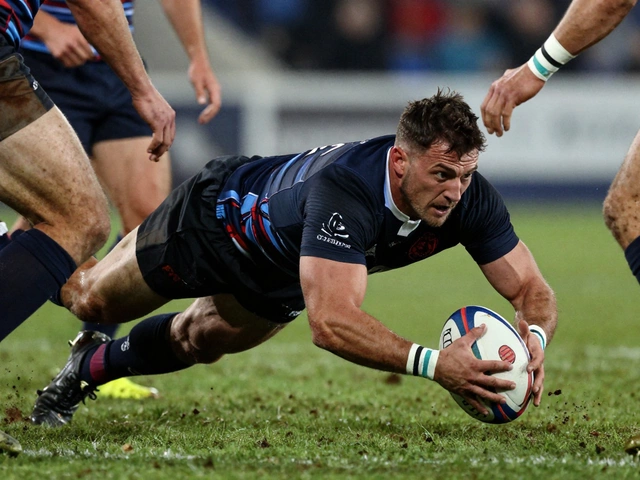
Ever watched a rugby match and seen a player dive on the ball right after a tackle, then suddenly snatch it away from the pile? That’s a jackal. It’s not a wild animal on the field-it’s a high-risk, high-reward move that can flip the entire momentum of a game. If you’ve ever wondered what a jackal is in rugby, you’re not alone. It’s one of those terms that sounds strange until you see it in action-and then you can’t unsee it.
What Exactly Is a Jackal in Rugby?
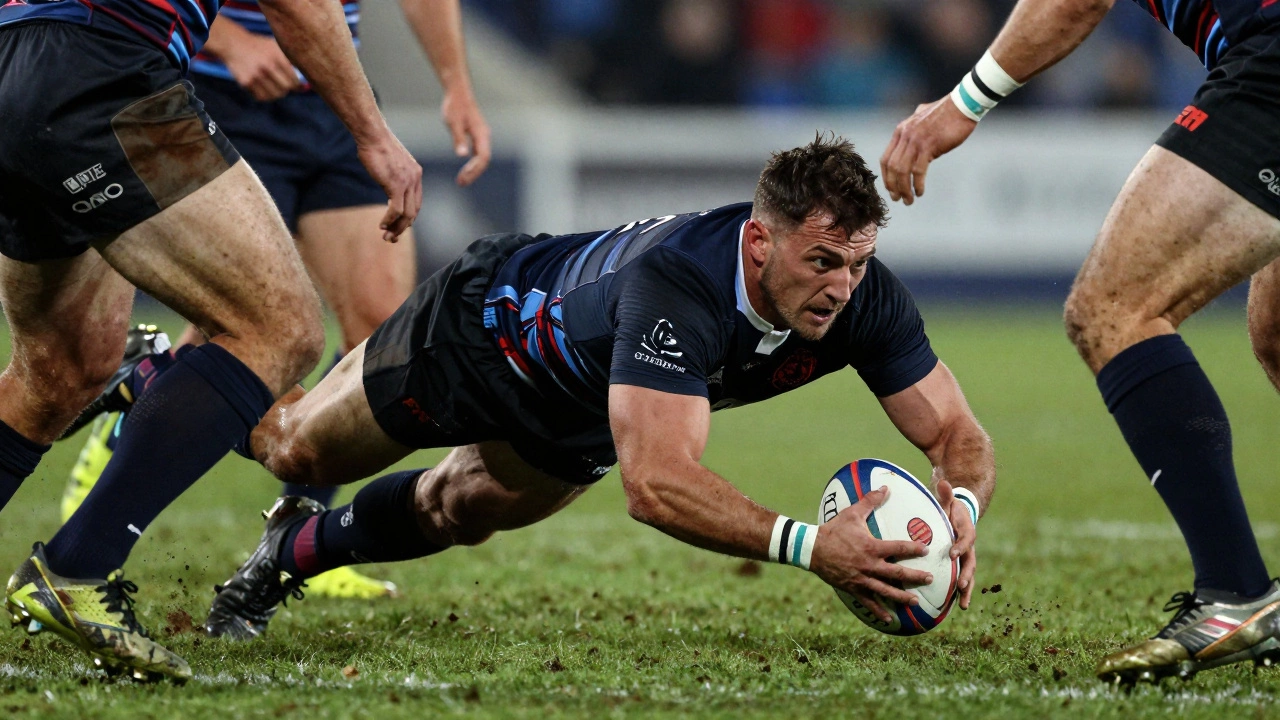
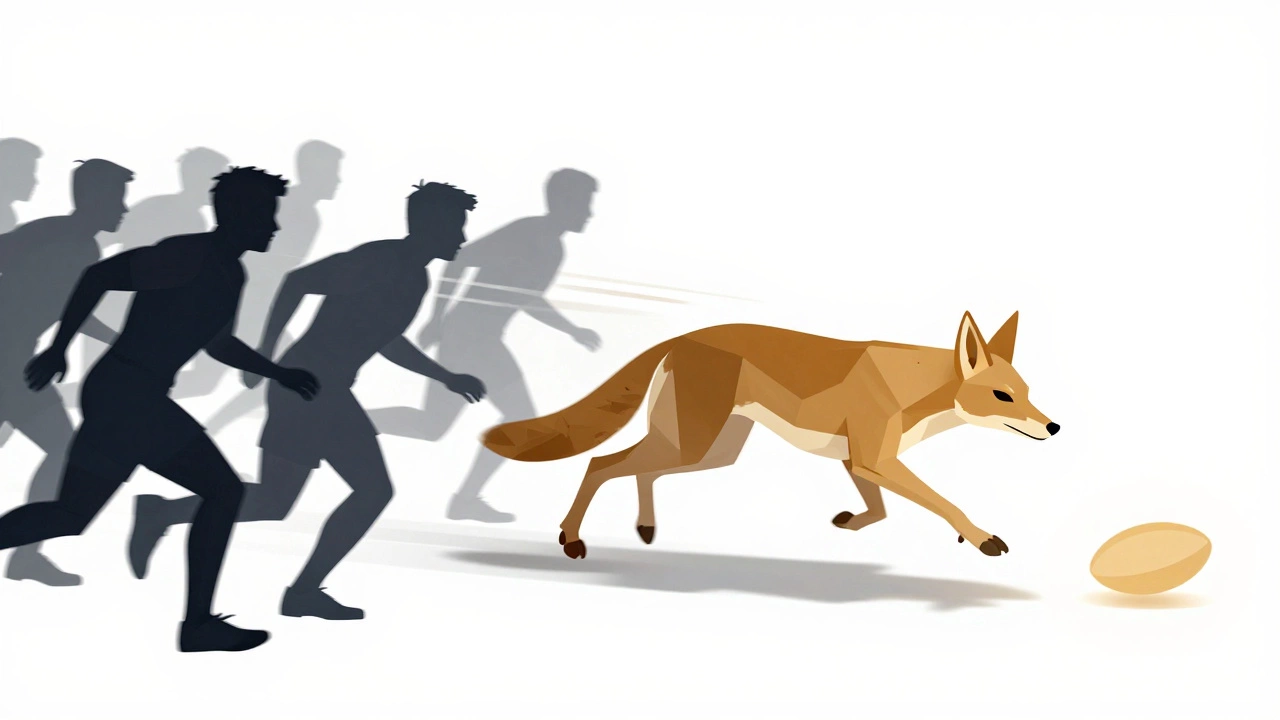
A jackal in rugby is a defensive player who legally steals the ball from the opposition immediately after a tackle, while the ball carrier is still on the ground and before the ruck forms. The player enters from the side, stays on their feet, and uses their hands to hook or pull the ball out of the tackle area. It’s called a jackal because, like the animal, the player is quick, sneaky, and targets the vulnerable moment right after the prey has been brought down.
This move only works if the player doesn’t use their body to drive into the tackle, doesn’t go to ground themselves, and doesn’t use their feet to move the ball. If they do, it’s a penalty. But when done right, it’s one of the most thrilling plays in rugby. Think of it as a tactical robbery-stealing possession without breaking the rules.
Why Do Teams Use the Jackal?
Teams use the jackal to disrupt the opposition’s momentum. After a tackle, the attacking team wants to quickly recycle the ball and keep the pressure on. The defending team’s goal? Stop that. A successful jackal forces the attack to reset, often resulting in a turnover. That means the defense gains possession without needing to win a lineout or scrum.
It’s especially effective against teams that rely on slow, methodical phases. If the opposition is slow to clear out their own players after a tackle, a fast jackal can steal the ball before the ruck even forms. In professional rugby, this happens in under two seconds. The best jackals are often flankers or No. 8s-players who are agile, have low centers of gravity, and read the game like chess masters.
In the 2023 Rugby World Cup, South Africa’s Siya Kolisi and New Zealand’s Ardie Savea combined for 17 turnovers via jackaling in just six matches. That’s not luck. That’s precision.
How to Execute a Legal Jackal
Not every dive for the ball works-and most end in penalties if done wrong. Here’s how to do it right:
- Wait for the tackle to be completed. The ball carrier must be on the ground, and the tackler must be released.
- Approach from the side, never from the front or back. Coming in from behind is a penalty for obstruction.
- Stay on your feet. If you go to ground, you can’t legally play the ball.
- Use your hands only. No arms, no shoulders, no body. You’re hooking or pulling the ball, not pushing or driving.
- Release immediately after gaining possession. Holding on too long invites a penalty for not releasing the ball.
It sounds simple, but the timing has to be perfect. Too early, and you’re offside. Too late, and the ruck forms and you’re out of luck. The best jackals train for this like snipers-they watch the ball, not the bodies.
Common Mistakes and Penalties
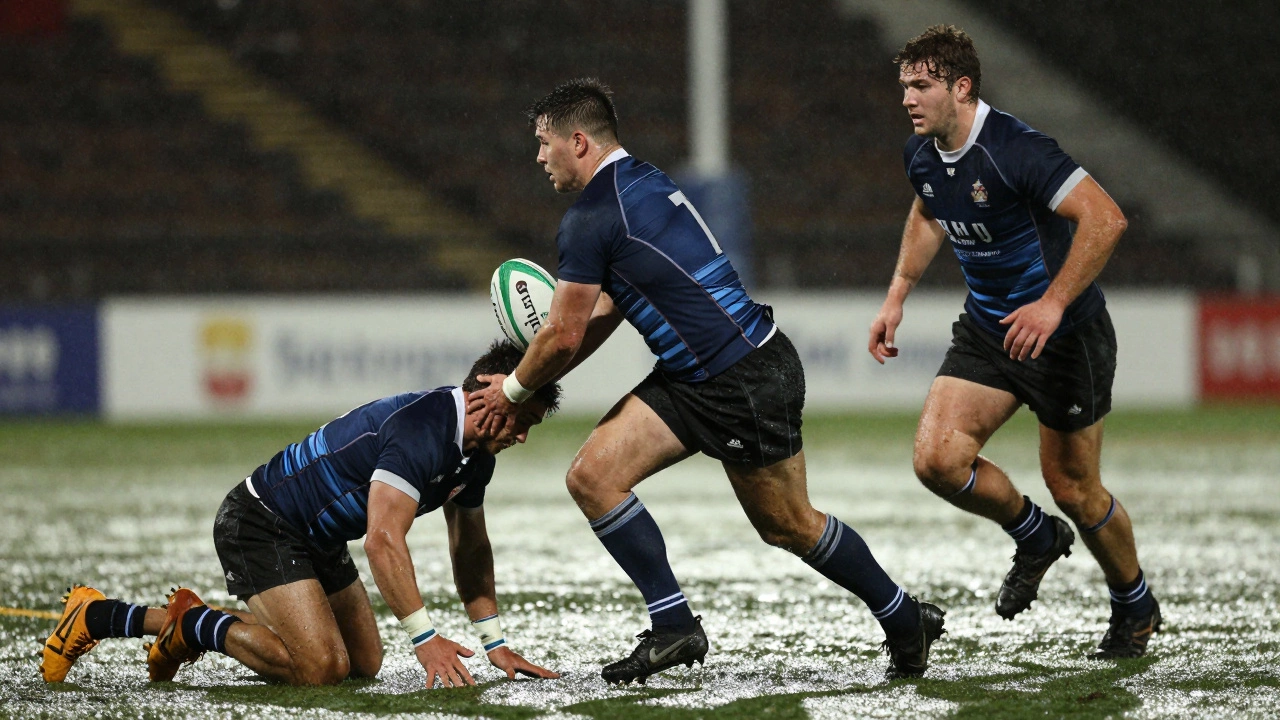
Most amateur players try to jackal and end up giving away penalties because they don’t understand the rules. Here are the most common errors:
- Going to ground-this is the #1 mistake. Once you’re on the floor, you can’t touch the ball legally.
- Using your body to clear out the tackler or ball carrier. That’s a penalty for collapsing the ruck or dangerous play.
- Coming in from the wrong side. If you enter from the direction the ball carrier was moving, you’re offside.
- Delaying the release after winning the ball. Referees expect immediate disposal.
In the 2024 Six Nations, 23% of all penalties in the breakdown area were due to illegal jackaling. That’s one out of every five breakdowns. Coaches now spend more time drilling jackal technique than scrum mechanics.
Who Are the Best Jackals in Rugby Today?
Some players make jackaling look effortless. Here are three who’ve mastered it:
- Sam Underhill (England)-Known for his lightning-fast reactions and perfect body position. He averages 4.2 jackals per match in international play.
- Sevu Reece (New Zealand)-Not a traditional flanker, but his timing and anticipation make him one of the most dangerous jackals in the back row.
- Tadhg Beirne (Ireland)-Uses his size and intelligence to dominate the breakdown. His jackals often lead to quick taps and counterattacks.
These players don’t just rely on speed. They study film. They know which scrum-halves are slow to clear the ball. They recognize when a forward is slow to roll away. That’s what separates the good jackals from the great ones.
How to Train to Be a Better Jackal
If you’re a player looking to improve your jackaling, here’s what works:
- Reaction drills-Set up a tackle bag with a ball underneath. Have a coach simulate a tackle, then sprint in to retrieve the ball. Time yourself. Aim for under 1.5 seconds.
- Footwork practice-Use ladder drills to improve low, quick steps. Jackaling requires staying on your toes, not plodding in.
- Video analysis-Watch professional matches and pause every time a tackle happens. Predict who will jackal. Then check if you were right.
- One-on-one breakdown sessions-Practice with a teammate. One tackles, one tries to jackal. Focus on staying on your feet and using only your hands.
Don’t just try to steal the ball. Learn to read the game. The best jackals don’t just react-they anticipate.
Why Jackaling Matters More Than Ever
Modern rugby is faster. Teams are pushing the pace. The average time between tackles in top-tier matches is now under 12 seconds. That means every turnover counts. A single jackal can turn defense into attack in one play.
Teams that win the breakdown by 3 or more turnovers per game win 78% of their matches, according to data from World Rugby’s 2025 performance report. Jackaling is no longer a flashy trick-it’s a core strategy. The best defenses don’t just stop attacks; they steal the ball and launch theirs.
Even in youth rugby, coaches are now teaching jackaling from U15 level. It’s no longer reserved for elite players. If you want to play at a high level, you need to know how to jackal-or how to defend against it.
Final Thought: It’s Not Just About Speed
Jackaling isn’t about being the fastest or strongest. It’s about being the smartest. It’s about knowing when to move, where to stand, and how to stay legal. It’s a skill that takes hours of repetition, film study, and mental preparation.
So next time you watch a match and see a player dive in and steal the ball, don’t just cheer. Watch how they did it. Are they on their feet? Did they come from the side? Did they use only their hands? If the answer is yes, you’re watching a master at work.
Is a jackal the same as a ruck?
No. A ruck is formed when one or more players from each team are on their feet and in contact, contesting the ball on the ground. A jackal happens before the ruck forms. The jackal steals the ball while the ball carrier is down and the ruck hasn’t yet been established.
Can a player jackal from the front or back?
No. Entering from the front or back is a penalty. The jackal must approach from the side, staying on their feet and using only their hands. Coming from behind is considered obstruction; coming from the front is offside.
Why do referees allow jackaling if it looks dangerous?
Referees allow it because it’s legal under the rules-as long as the player stays on their feet and doesn’t use their body to drive into the tackle. The danger comes when players break the rules. That’s why referees are trained to spot illegal jackaling, and penalties are given when rules are violated.
Do all rugby positions jackal?
Technically, any player can jackal, but it’s mostly done by flankers and No. 8s. These players are positioned near the breakdown and have the speed and agility to get there quickly. Centers and fullbacks rarely jackal unless the play breaks down.
Is jackaling used in sevens rugby?
Yes, and it’s even more critical. With fewer players on the field and faster play, turnovers are gold. Jackaling in sevens is faster and more frequent. Players often have to jackal while running at full speed, making it one of the most demanding skills in the game.
You might like