Half Marathon Recovery Timeline Calculator
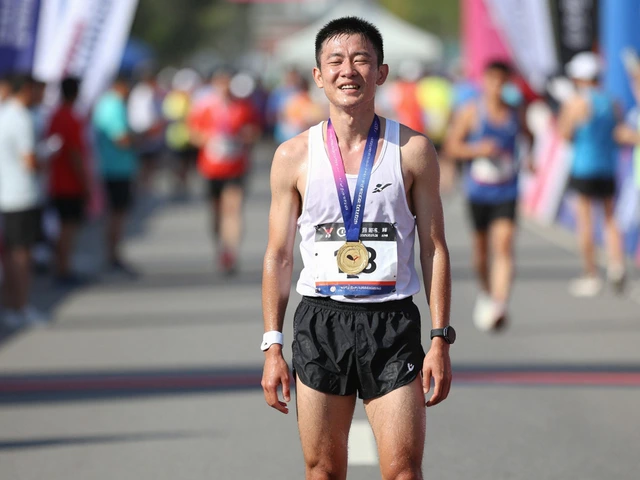
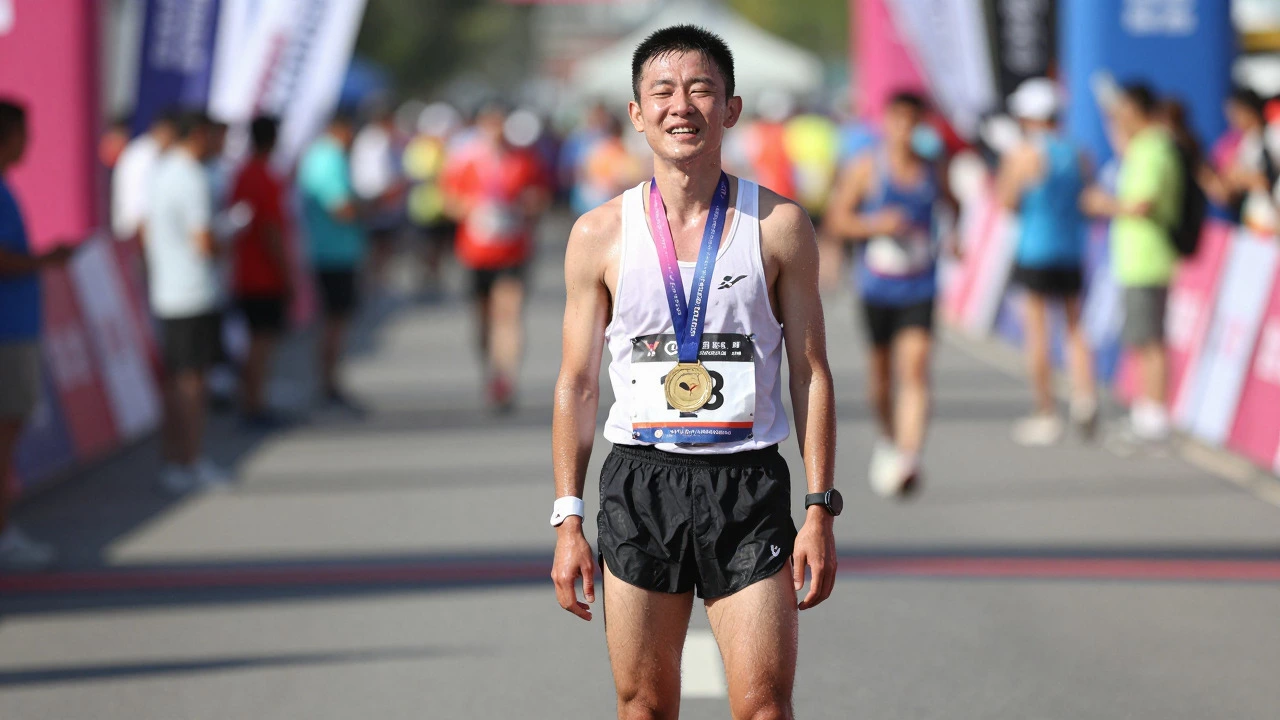
You just crossed the finish line. The clock stopped, the medal is around your neck, and for a brief, euphoric moment, you feel invincible. But then, about twenty minutes later, the magic fades. Your legs feel like lead, your stomach turns at the sight of a banana, and you realize that the race isn't actually over-it’s just shifted from the asphalt to your biology. Understanding what happens to your body in the 48 hours after a half marathon is crucial. It’s not just about resting; it’s about actively managing a complex physiological storm that determines how fast you bounce back.
The Immediate Aftermath: Hours 0-2
In the first two hours post-race, your body is in a state of acute shock and repair. You might still be buzzing from endorphins, but underneath the surface, your systems are screaming for help. Your core temperature is likely elevated, and your heart rate is slowly dropping from its peak exertion levels. This is the "golden window" for immediate recovery.
Your muscles have sustained microscopic tears-this is inevitable with 13.1 miles of pounding. These tears trigger an inflammatory response, which is actually a good thing because it signals the body to start rebuilding stronger fibers. However, this inflammation also causes swelling and stiffness. If you sit down immediately and stay there, blood pools in your lower extremities, leading to dizziness or even fainting (vasovagal syncope). Keep moving gently. Walk around. Let gravity help return blood to your heart and brain.
Why should I keep walking after crossing the finish line?
Walking prevents blood from pooling in your legs, which can cause dizziness or fainting. It also helps flush out metabolic waste products like lactate more efficiently than sitting still.
The Crash: Hours 2-6
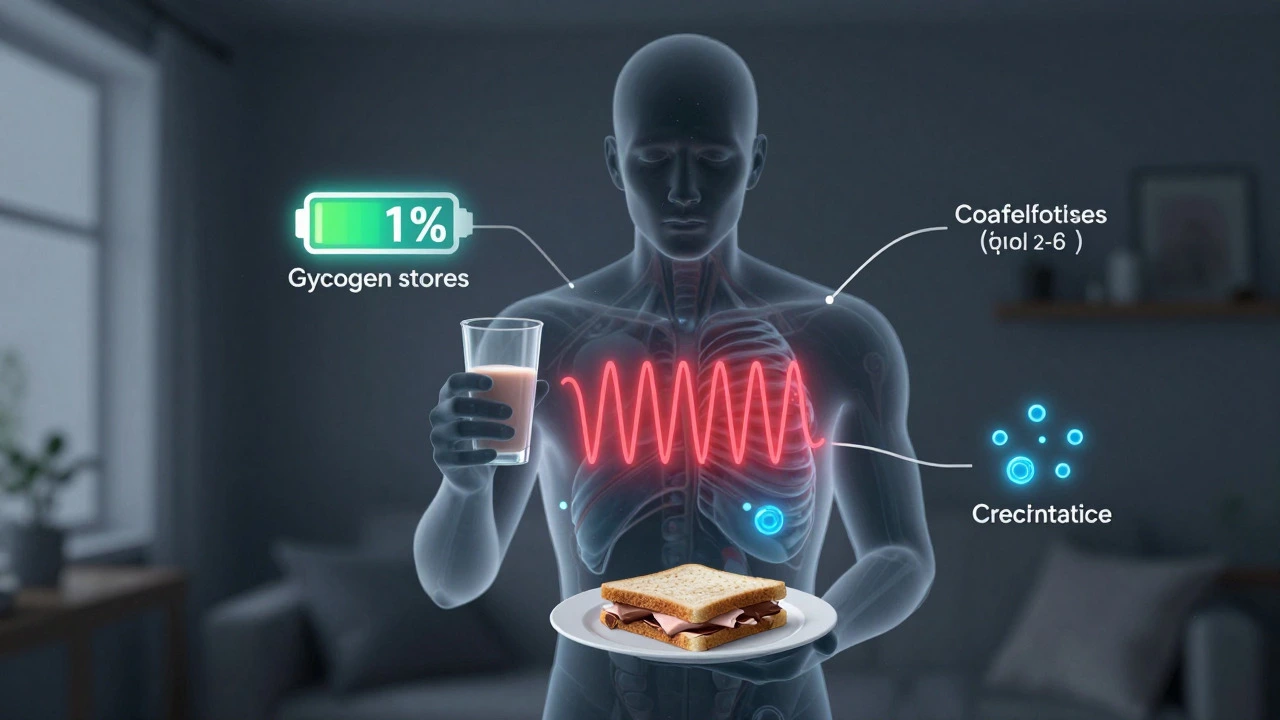
This is often the most uncomfortable phase. The adrenaline wears off, and reality sets in. You may experience nausea, particularly if you consumed too much sports drink or solid food during the final miles. Your glycogen stores-the primary fuel source for your muscles-are depleted. Think of glycogen as your body’s battery; right now, it’s at 1%. Without replenishment, your body starts breaking down protein (muscle tissue) for energy, which you definitely want to avoid.
Hormonally, your cortisol levels (the stress hormone) are sky-high. Cortisol suppresses the immune system temporarily, making you susceptible to colds or infections in the days following the race. You might also notice tremors or shakiness. This isn’t just fatigue; it’s hypoglycemia (low blood sugar) combined with electrolyte imbalance. Sodium, potassium, and magnesium have been lost through sweat. Replacing these isn’t optional; it’s essential for nerve function and preventing cramps.
- Fuel Up: Aim for a 3:1 or 4:1 ratio of carbohydrates to protein within 30 minutes of finishing. A chocolate milk shake or a turkey sandwich works perfectly here.
- Hydrate Strategically: Don’t just chug water. Use an electrolyte solution. Check your urine color; it should be pale yellow, not clear (over-hydration) or dark amber (dehydration).
- Cool Down: If you’re overheated, use cool (not ice-cold) showers to gradually lower your core temperature without shocking your system.
The Onset of DOMS: Hours 6-24
Delayed Onset Muscle Soreness (DOMS) typically peaks between 24 and 72 hours after intense exercise. By hour six, you’ll start feeling the initial twinges. This isn’t lactic acid-that clears out within an hour of stopping. DOMS is caused by the inflammation around the micro-tears in your muscle fibers. As fluid accumulates in the damaged areas, pressure builds on pain receptors.
Your central nervous system (CNS) is also fried. Running a half marathon requires significant neural drive to recruit muscle fibers. Now, your CNS needs time to reset. You might feel mentally foggy, irritable, or unusually tired. Sleep becomes critical here. Growth hormone, which repairs tissues, is primarily released during deep sleep. If you sacrifice sleep to celebrate, you slow down your recovery significantly.
Movement is medicine during this phase. Active recovery-like a gentle 20-minute walk, light yoga, or easy cycling-increases blood flow to the muscles without causing further damage. This delivers oxygen and nutrients needed for repair while helping remove inflammatory markers. Static stretching can help relieve tightness, but don’t force it. Listen to your body’s limits.
| Timeframe | Primary Goal | Actionable Steps |
|---|---|---|
| 0-2 Hours | Stabilize & Cool Down | Walk gently, hydrate with electrolytes, eat carb/protein snack |
| 2-6 Hours | Replenish Glycogen | Full meal, continue hydration, elevate legs if swollen |
| 6-24 Hours | Reduce Inflammation | Active recovery (light movement), prioritize sleep, foam rolling |
| 24-48 Hours | Repair & Regenerate | Deep rest, anti-inflammatory foods, monitor soreness levels |
The Peak Soreness: Hours 24-48
By the second day, you’re likely at the peak of your physical discomfort. Walking down stairs might feel like climbing Mount Everest. Your quads, hamstrings, and calves are tender to the touch. This is when many runners make the mistake of doing nothing. Complete inactivity can lead to stiffness and prolonged recovery. Instead, focus on mobility.
Your body is now in full repair mode. Satellite cells-stem cells found in muscles-are activating to fuse with existing muscle fibers and create new ones. This process requires energy and specific nutrients. Increase your intake of anti-inflammatory foods like fatty fish (salmon, mackerel), berries, leafy greens, and turmeric. Omega-3 fatty acids help reduce inflammation naturally.
Massage therapy or self-myofascial release (foam rolling) can be beneficial, but be gentle. Aggressive massage on inflamed muscles can worsen the damage. Light foam rolling helps break up adhesions and improves circulation without causing additional trauma. Hydration remains key; dehydrated muscles recover slower and are more prone to cramping.
Mentally, this is also a transition period. The excitement of the race has faded, and the reality of training again looms. Use this time to reflect on your performance, but don’t beat yourself up. Recovery is part of the process. Acknowledge the effort you put in and give your body the respect it deserves by resting adequately.

Nutrition and Hydration Strategies
What you eat and drink in the 48 hours post-race directly impacts your recovery speed. Carbohydrates are non-negotiable. They replenish glycogen stores, which can take up to 24 hours to fully restore if neglected. Protein provides the amino acids necessary for muscle repair. Aim for 20-30 grams of protein per meal.
Electrolyte balance is equally important. Sodium helps retain fluid and prevent hyponatremia (low blood sodium), which can occur if you only drink plain water. Potassium supports muscle function and prevents cramps. Magnesium aids in relaxation and sleep. Consider adding bananas, avocados, or nuts to your diet for natural potassium and magnesium sources.
Avoid alcohol in the first 24 hours. Alcohol is a diuretic, meaning it increases urine production and worsens dehydration. It also interferes with protein synthesis, slowing down muscle repair. Save the celebratory beer for day three or four when your body has stabilized.
When to Worry: Signs of Overtraining or Injury
While soreness is normal, some symptoms warrant attention. Sharp, localized pain rather than general muscle ache could indicate a strain or tear. Swelling that doesn’t subside with elevation and compression might suggest a more serious injury. Persistent nausea, extreme fatigue, or a rapid resting heart rate could signal overtraining syndrome or illness.
If you experience chest pain, shortness of breath unrelated to exertion, or severe headache, seek medical attention immediately. These are not typical post-race symptoms. Trust your instincts. If something feels wrong, it probably is. Better to err on the side of caution and consult a healthcare professional than to push through a potential injury.
How long does it take to fully recover from a half marathon?
Most runners feel relatively normal within 3-5 days, but full physiological recovery, including glycogen replenishment and muscle repair, can take up to two weeks depending on individual fitness levels and recovery practices.
Can I run again the next day after a half marathon?
It’s generally recommended to wait at least 2-3 days before resuming regular running. If you must move, opt for a very short, easy walk or light jog for no more than 10-15 minutes to promote blood flow without stressing the muscles.
Is ice bathing effective for post-race recovery?
Ice baths can reduce pain and inflammation in the short term, but some studies suggest they may blunt the adaptive response of muscle growth. For most recreational runners, contrast showers (alternating hot and cold water) offer similar benefits with less discomfort.
Why do I feel sick after running a half marathon?
Post-race nausea is common due to reduced blood flow to the digestive system during exertion, combined with the consumption of gels or drinks that sit in the stomach. Eating heavy meals too soon after finishing can exacerbate this feeling.
How much protein do I need after a race?
Aim for 20-30 grams of high-quality protein within the first hour post-race, followed by similar amounts at subsequent meals over the next 48 hours to support muscle repair and regeneration.
Recovering from a half marathon is as important as the training itself. By understanding the biological processes occurring in your body during those critical 48 hours, you can make informed decisions that accelerate healing and prepare you for your next challenge. Listen to your body, fuel it wisely, and give it the rest it needs. Your future runs will thank you.
You might like