Squat Fat Loss Estimator
Your Parameters
Estimated Results
Enter your details and click calculate to see the impact of your squat routine.
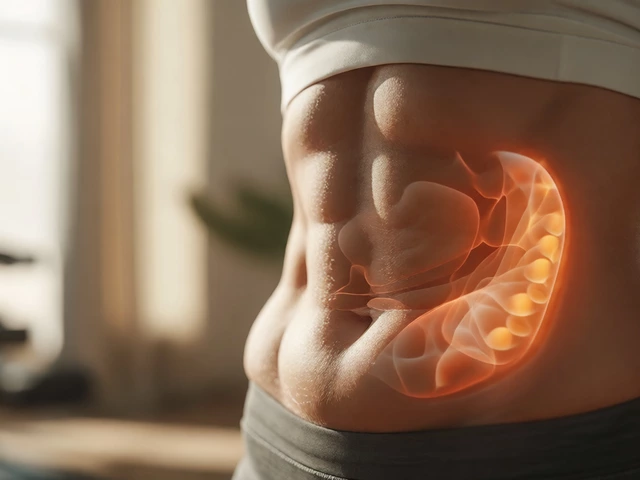
Here is the short answer that might disappoint you: no. Doing hundreds of squats every day will not magically melt the stubborn layer of fat around your midsection. It is a myth that has persisted in gyms for decades, often sold alongside expensive supplements or miracle machines. However, saying squats don't help with belly fat is only half the story. While they won't target abdominal fat directly, they are one of the most powerful tools you have to change your body composition overall.
To understand why squats matter for your waistline, we first need to debunk the concept of spot reduction, which is the false belief that exercising a specific muscle group burns fat from that exact area. Science has repeatedly shown that when you lose fat, it comes off your entire body based on genetics, hormones, and age, not based on which muscles you are working. You cannot tell your body to burn fat from your stomach by doing crunches or squats. Instead, you create a calorie deficit, and your body decides where to pull energy from. For many people, the abdomen is often the last place fat leaves.
Why Squats Are Still Essential for Weight Loss
If squats don't burn belly fat directly, why do fitness experts recommend them so highly? The answer lies in efficiency and intensity. Squats are a compound lower-body exercise that engages multiple large muscle groups simultaneously. Unlike an isolation exercise like a bicep curl, a squat recruits your quadriceps, hamstrings, glutes, calves, and even your core stabilizers. Because these are some of the largest muscle groups in your body, working them requires significant energy expenditure.
Think of it this way: if you want to heat up a room, you use a large furnace, not a small candle. Large muscles act like that furnace. By engaging the legs and glutes, you burn more calories during the workout than you would with upper-body isolation movements. Furthermore, building muscle mass through resistance training increases your basal metabolic rate (BMR). This means you burn more calories at rest, twenty-four hours a day, simply because maintaining new muscle tissue costs your body energy. Over time, this elevated metabolism contributes to overall fat loss, including in the abdominal region.
The Role of Compound Movements in Metabolism
Compound movements are exercises that involve two or more joints and multiple muscle groups. Alongside squats, examples include deadlifts, lunges, and overhead presses. These exercises trigger a hormonal response that can aid in fat loss. Heavy compound lifting stimulates the release of growth hormone and testosterone, both of which play roles in muscle preservation and fat oxidation.
When you perform squats with proper form and progressive overload-gradually increasing weight or reps over time-you signal your body to build lean muscle. This process, known as hypertrophy, changes your body's ratio of fat to muscle. Even if the scale doesn't move dramatically, your body composition shifts. You may find your jeans fitting looser around the waist while your thighs feel stronger. This is the hallmark of successful recomposition, where you lose fat and gain muscle simultaneously.
| Exercise Type | Calorie Burn (Per Session) | Muscle Engagement | Afterburn Effect (EPOC) |
|---|---|---|---|
| Bodyweight Squats | Moderate | High (Legs, Glutes, Core) | Moderate |
| Weighted Barbell Squats | High | Very High (Full Lower Body + Core) | High |
| Abdominal Crunches | Low | Low (Abs Only) | Low |
| Running (Steady State) | High | Moderate (Legs, Cardiovascular System) | Low to Moderate |
How to Perform Squats Correctly
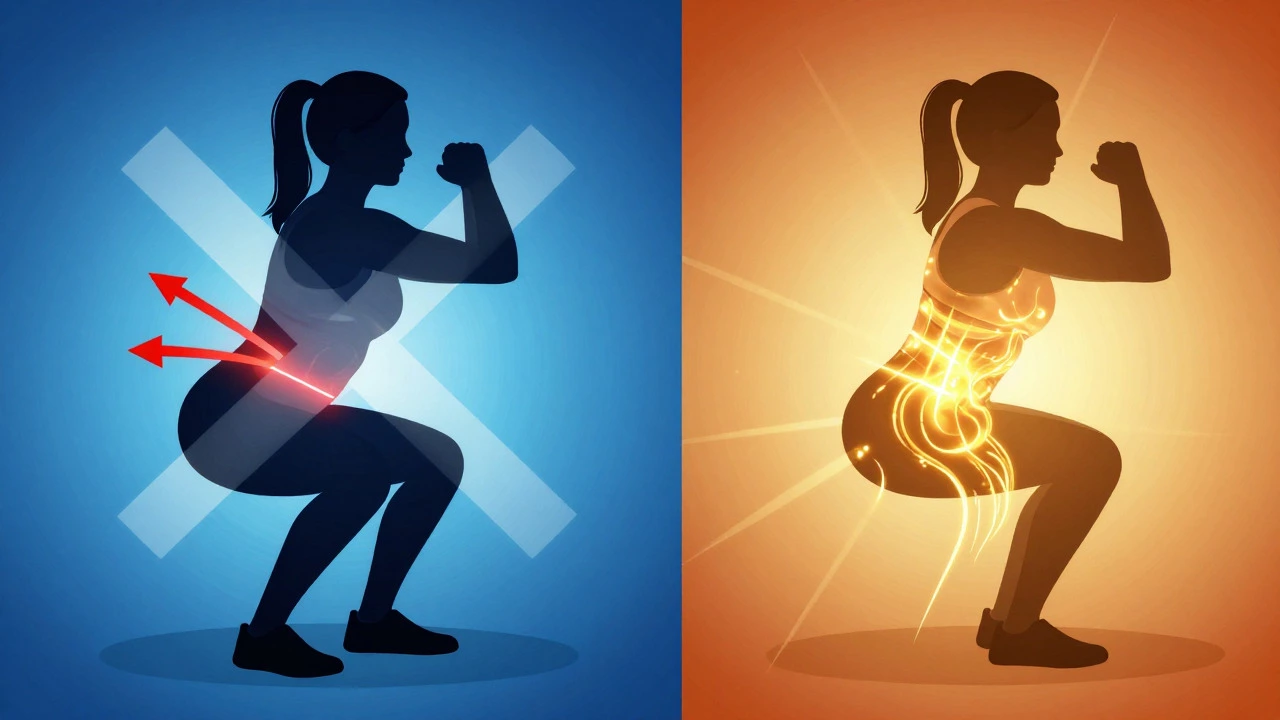
To get the metabolic benefits of squats without injuring yourself, form is non-negotiable. Many people avoid squats because they fear knee pain or back strain, but these issues usually stem from poor technique rather than the movement itself. Here is how to execute a basic bodyweight or goblet squat:
- Stance: Stand with your feet shoulder-width apart. Point your toes slightly outward, about 15 to 30 degrees. This position allows your hips to open properly.
- Bracing: Take a deep breath into your belly and brace your core as if someone is about to punch you in the stomach. This creates intra-abdominal pressure that protects your spine.
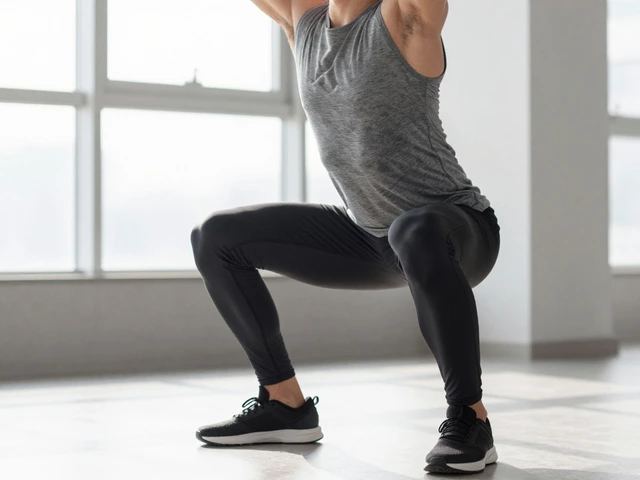
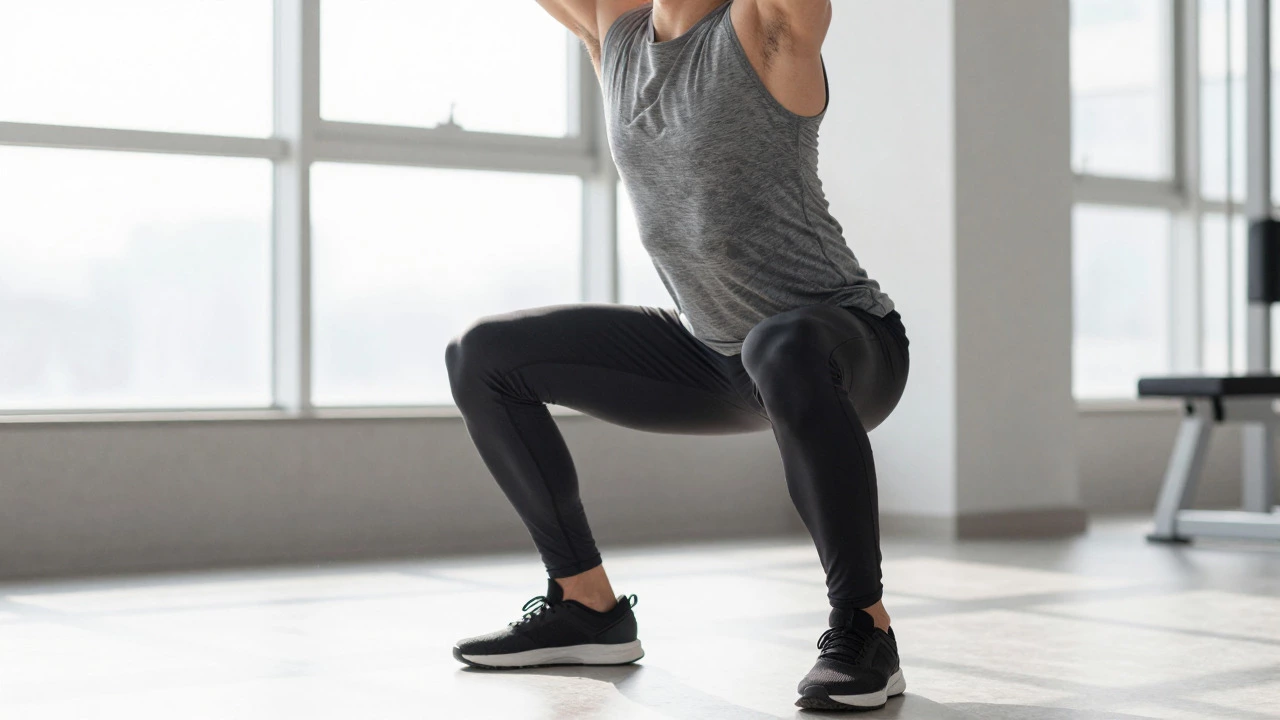
- Descent: Initiate the movement by pushing your hips back and bending your knees simultaneously. Keep your chest up and your back straight. Imagine you are sitting back into a chair.
- Depth: Lower yourself until your hip crease drops below the top of your knee (parallel). If your mobility is limited, go as low as you can while keeping your heels on the ground and your back upright.
- Ascent: Drive through your entire foot, focusing on pushing the floor away. Exhale as you stand back up, squeezing your glutes at the top.
A common mistake is letting the knees cave inward (valgus collapse). To prevent this, actively push your knees outward throughout the movement. Another error is rounding the lower back (butt wink). If you find yourself rounding, try placing a small weight plate under your heels to improve ankle mobility.
Diet: The Missing Link for Belly Fat
You can squat every day, but if your diet is off, the belly fat will remain. Caloric deficit is the state of consuming fewer calories than your body expends, forcing it to use stored fat for energy. This is the single most important factor in losing belly fat. Without a caloric deficit, no amount of exercise will result in visible fat loss.
However, not all calories are created equal. A diet high in processed sugars and refined carbohydrates can spike insulin levels, which promotes fat storage, particularly around the midsection. Prioritize whole foods: lean proteins, vegetables, fruits, whole grains, and healthy fats. Protein is especially crucial because it helps preserve muscle mass while you are in a deficit. Aim for 1.6 to 2.2 grams of protein per kilogram of body weight daily. This ensures that the weight you lose comes from fat stores, not your hard-earned muscle tissue.
Integrating Squats into Your Routine
To maximize fat loss, combine squats with other forms of exercise. A balanced routine should include:
- Strength Training: Perform squats and other compound lifts 3 to 4 times per week. Focus on progressive overload by adding weight or reps each week.
- Cardiovascular Exercise: Add moderate-intensity cardio, such as brisk walking or cycling, for 150 minutes per week. Alternatively, incorporate high-intensity interval training (HIIT) for shorter, more intense sessions.
- Core Work: While crunches won't burn belly fat, strengthening your core improves posture and stability. Include planks, bird-dogs, and dead bugs in your routine to support heavy lifting.
Consistency is key. Do not expect dramatic changes in a week. Fat loss is a gradual process. Track your progress with photos, measurements, and how your clothes fit, rather than relying solely on the scale. Remember that stress and sleep also play significant roles. High cortisol levels from chronic stress can lead to increased abdominal fat storage. Aim for 7 to 9 hours of quality sleep per night to regulate hormones and support recovery.
Common Myths About Squats and Fat Loss
Let’s address a few misconceptions that might be holding you back. First, the idea that "leg day" makes you bulky. Unless you are genetically predisposed and eating in a massive surplus, squats will tone and strengthen your legs, not turn you into a bodybuilder overnight. Second, the belief that you need to sweat profusely to burn fat. Sweating is just thermoregulation; it is not a direct indicator of fat loss. You can burn fat in a cool room just as effectively as in a sauna suit.
Another myth is that women should avoid heavy squats because they will lose their feminine shape. In reality, strong glutes and legs enhance athletic performance and confidence. Building muscle in the lower body can create an hourglass figure by balancing the proportions of your silhouette. Embrace the strength you are building.
Conclusion: The Holistic Approach
So, do squats reduce belly fat? Not directly. But they are a cornerstone of an effective fitness strategy that leads to overall fat loss. By building muscle, boosting metabolism, and burning calories, squats contribute to a leaner physique. Combine them with a nutritious diet, adequate sleep, and consistent effort, and you will see results. Stop looking for shortcuts and start trusting the process. Your future self will thank you for putting in the work today.
How many squats should I do a day to lose belly fat?
There is no magic number. Since squats do not target belly fat specifically, doing 100 or 1,000 squats daily will not yield different results than doing fewer, heavier squats. Focus on quality over quantity. Aim for 3-4 sets of 8-12 repetitions with challenging weight, performed 3-4 times a week, combined with a caloric deficit.
Can I lose belly fat without doing squats?
Yes. Any exercise that creates a calorie deficit can lead to fat loss. However, skipping squats means missing out on the metabolic benefits of training large muscle groups. Other compound exercises like deadlifts, lunges, and step-ups can provide similar benefits.
Do weighted squats burn more fat than bodyweight squats?
Generally, yes. Weighted squats require more energy and stimulate greater muscle growth, which boosts your metabolism more significantly than bodyweight versions. They also engage your core stabilizers more intensely due to the added load.
Will squats make my thighs bigger?
Squats will strengthen and tone your thighs. Whether they become significantly larger depends on your genetics, diet, and training volume. For most people, especially beginners, squats lead to a firmer, more defined appearance rather than excessive bulk.
Is it safe to do squats every day?
For bodyweight squats, daily practice can be safe if your form is good and you listen to your body. However, for heavy weighted squats, allow at least 48 hours of rest between sessions to let your muscles recover and grow. Overtraining can lead to injury and stalled progress.
You might like