Swimming Weight Loss Calculator
Estimate your calorie burn and weekly weight loss potential. Remember, swimming is effective, but nutrition plays a critical role in actual fat loss.
Your Workout Details
Estimated Impact
Calories Burned Per Session
0 kcalWeekly Calorie Deficit
0 kcal/weekPotential Weight Loss
0 lbs per month*
*Assumes 3,500 kcal = 1 lb of fat and no increase in food intake.
Enter your details to see how swimming can help your weight loss journey.
You’ve probably heard the old joke: swimmers are always hungry because they’re burning so many calories. But is that actually true? If you’re staring at a pool lane and wondering if treading water or doing laps will actually help you shed those extra pounds, you’re not alone. It’s a common question, especially for people who hate running but want an effective cardio workout.
The short answer is yes, swimming is a highly effective full-body exercise that can significantly contribute to weight loss when combined with proper nutrition. However, it’s not magic. You don’t just jump in, splash around for ten minutes, and watch your waistline shrink. There’s science behind why it works, specific ways to structure your workouts, and common traps that stop people from seeing results. Let’s break down exactly how swimming impacts your body, how many calories you’re actually torching, and how to make it work for your goals.
Why Swimming Burns More Calories Than You Think
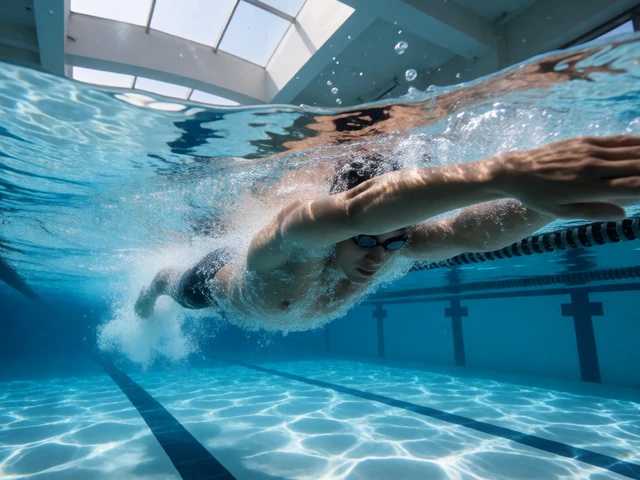
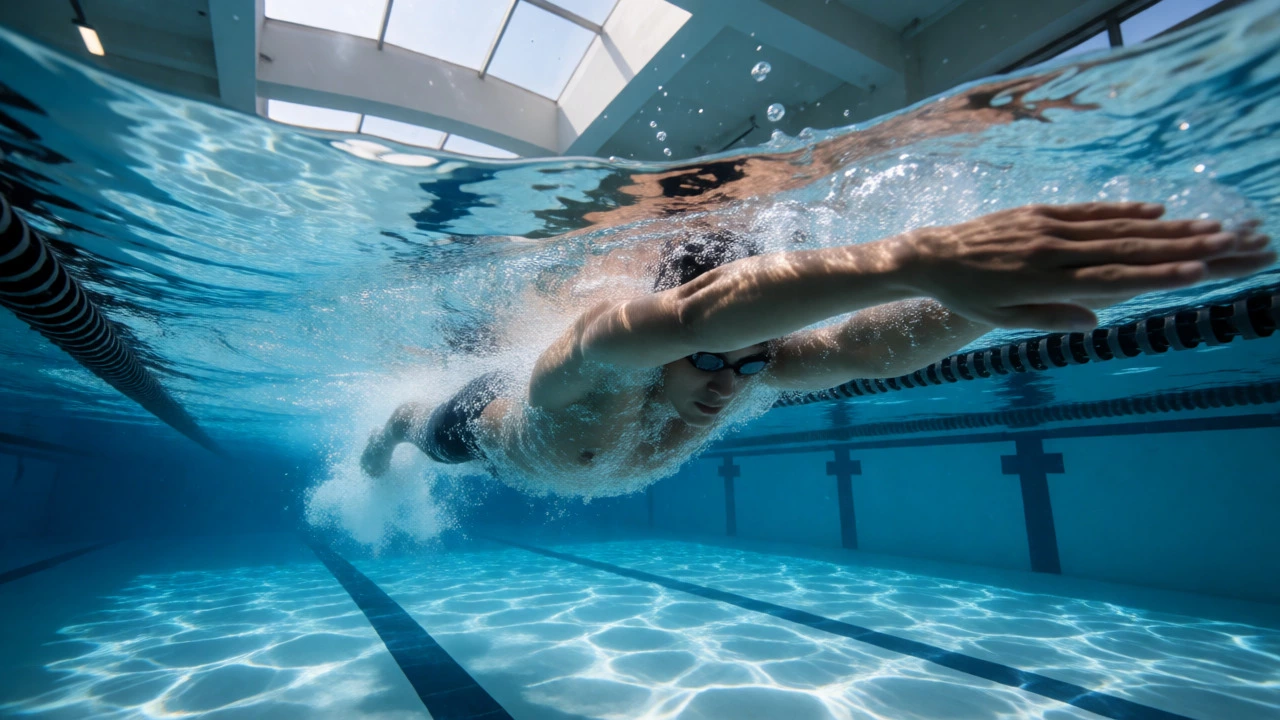
When you compare swimming to other cardio exercises, the numbers often surprise people. Running on land relies heavily on gravity and leg strength. Swimming, however, forces every major muscle group to work against water resistance. Water is roughly 800 times denser than air, which means every stroke, kick, and pull requires more energy expenditure than moving through air.
According to data from Harvard Health Publishing, a 155-pound person can burn approximately 372 calories in 30 minutes of moderate freestyle swimming. Compare that to walking at a brisk pace (4 mph), which burns about 167 calories in the same timeframe. That’s more than double the calorie burn for similar perceived effort levels. Why? Because water provides constant resistance in all directions. Your core has to stabilize your body, your arms and legs push against heavy fluid, and your lungs work harder to manage breathing patterns under pressure.
But here’s the catch: intensity matters. Leisurely backstroke while chatting with friends won’t trigger massive fat loss. To tap into that high-calorie-burning potential, you need to keep your heart rate elevated. This brings us to the concept of EPOC-Excess Post-exercise Oxygen Consumption. High-intensity swimming intervals create an oxygen debt that keeps your metabolism elevated for hours after you exit the pool. Unlike steady-state jogging, where calorie burn drops sharply once you stop, intense swimming keeps you burning fuel long after you’ve dried off.
The Cold Water Myth: Does Temperature Affect Fat Loss?
You might have read that swimming in cold water helps you lose weight faster because your body burns calories to stay warm. While technically true, this effect is often exaggerated. In a heated indoor pool (around 78-82°F or 25-28°C), the thermogenic effect is minimal. Your body doesn’t expend significant energy maintaining temperature in these conditions.
However, open-water swimming in cooler temperatures does increase caloric expenditure slightly. The body activates brown adipose tissue (BAT) to generate heat, which burns glucose and lipids. But don’t rely on shivering to melt fat. The primary driver of weight loss in swimming remains mechanical work-moving your limbs against resistance-not thermal regulation. If you’re swimming in a standard community pool, focus on speed and duration, not water temperature.
How to Structure Your Swim Workouts for Maximum Burn
Most beginners make the mistake of swimming at a slow, steady pace for too long. This builds endurance but plateaus quickly. To maximize weight loss, mix up your routine. Here’s a simple framework that balances technique, intensity, and recovery.
| Stroke Type | Estimated Calories Burned | Muscle Groups Targeted | Intensity Level |
|---|---|---|---|
| Freestyle (Moderate) | ~372 kcal | Lats, Shoulders, Core, Legs | High |
| Breaststroke (Leisure) | ~295 kcal | Chest, Inner Thighs, Glutes | Moderate |
| Backstroke | ~295 kcal | Back Muscles, Hamstrings | Moderate-High |
| Butterfly | ~450+ kcal | Full Body, Especially Core | Very High |
| Water Walking/Aqua Jogging | ~150-200 kcal | Legs, Core Stability | Low-Moderate |
Start with intervals: Instead of swimming one continuous lap, try sprinting for 25 meters, then resting for 15 seconds. Repeat this eight times. Then take a two-minute rest and repeat the cycle. This mimics HIIT (High-Intensity Interval Training) principles on land but with less joint stress.
Incorporate drills: Use kickboards to isolate leg muscles or pull buoys to focus on upper body strength. These tools change the resistance profile and force different muscles to engage, preventing adaptation.
Track your time, not just distance: Aim to decrease your time over a set distance week by week. For example, if it takes you 10 minutes to swim 400 meters now, aim for 9 minutes next month. This progressive overload ensures you’re constantly challenging your cardiovascular system.
Why Swimmers Often Overeat (And How to Stop)
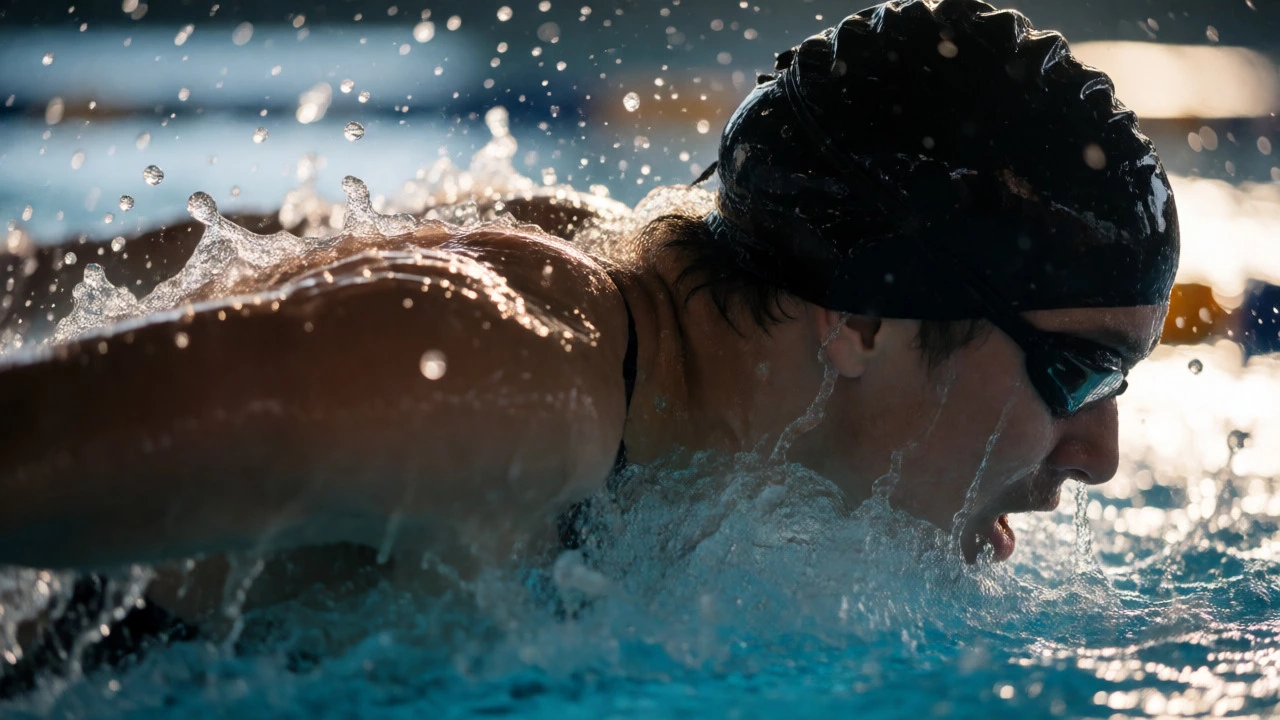
This is the biggest hurdle for most people trying to lose weight via swimming. Research suggests that swimming may stimulate appetite more than land-based exercises. Why? When you run, your body temperature rises, which can suppress hunger hormones like ghrelin. In water, your body stays cool, and the hydrostatic pressure on your abdomen might signal hunger differently.
A study published in the International Journal of Obesity found that participants who swam burned calories but didn’t compensate as effectively for their food intake compared to walkers. They ate more post-swim snacks without realizing it. One banana and a sports drink can easily erase the calories burned during a moderate 30-minute session.
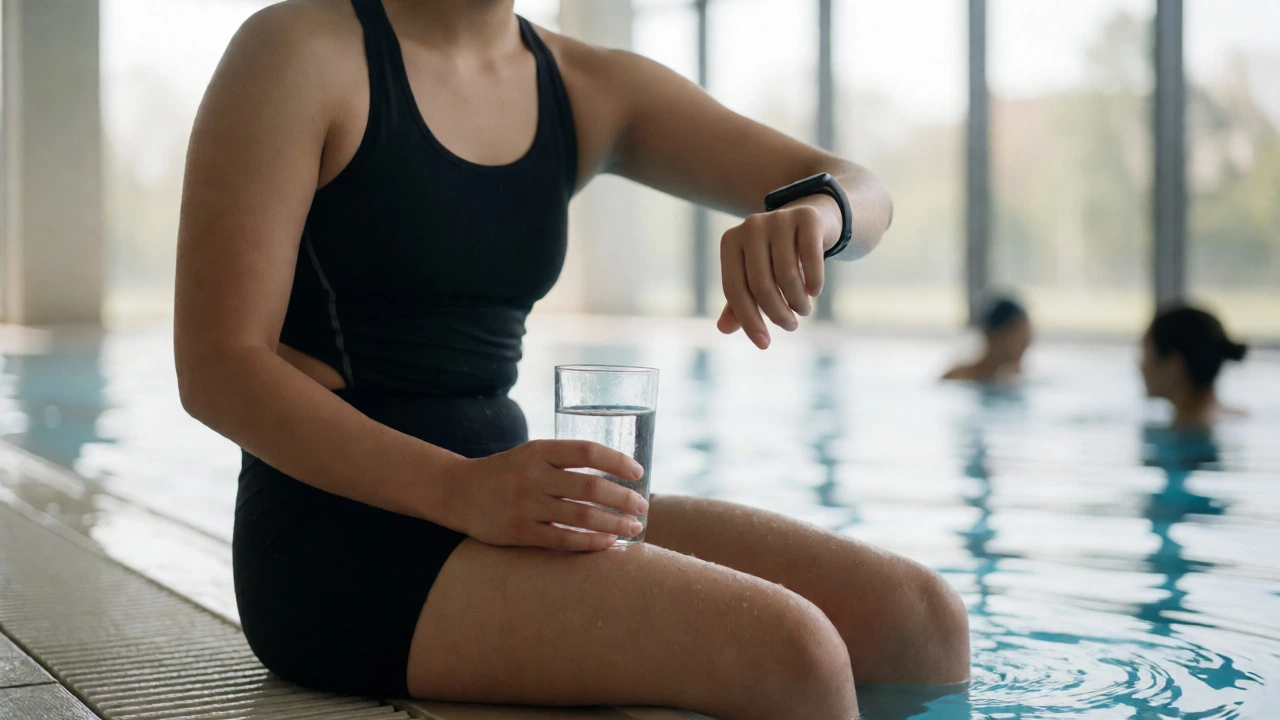
To counteract this, plan your post-swim meal before you get in the water. Have a protein-rich snack ready, such as Greek yogurt with berries or a hard-boiled egg. Avoid sugary drinks unless you’re training for more than 60 minutes. Hydrate with water during your session; thirst is often mistaken for hunger.
Benefits Beyond the Scale: Body Composition and Health
Weight loss isn’t just about the number on the scale. Swimming changes your body composition in ways that other exercises might miss. It promotes lean muscle growth across the entire body. Since water supports your weight, you can perform movements with greater range of motion, leading to better flexibility and posture correction.
For individuals with arthritis, obesity, or previous injuries, swimming offers a unique advantage: zero impact. Running puts repetitive stress on knees and ankles. Swimming eliminates this, allowing for longer, more frequent sessions without injury risk. Consistency beats intensity when it comes to long-term weight management. If swimming allows you to exercise five days a week instead of three due to lower joint pain, you’ll likely see better results over six months.
Additionally, swimming improves lung capacity and cardiovascular efficiency. As your VO2 max increases, your body becomes more efficient at using oxygen, which enhances overall metabolic health. This systemic improvement supports fat loss indirectly by making daily activities easier and reducing sedentary behavior.
Common Mistakes That Stall Progress
- Ignoring Technique: Poor form creates drag. If your hips sink while freestyling, you’re fighting the water instead of gliding through it. Take a few lessons to refine your stroke. Efficient swimming allows you to go longer and faster with less fatigue.
- Over-relying on Kickboards: Kicking burns calories, but it also spikes heart rate quickly, causing early fatigue. Balance kicking sets with pulling sets to ensure balanced development and sustained effort.
- Skipping Warm-ups: Jumping straight into sprints can lead to muscle strains. Spend 5-10 minutes gently swimming or stretching in the shallow end to prepare your muscles.
- Neglecting Nutrition: You cannot out-swim a bad diet. Track your calorie intake honestly. Many people assume they burned 500 calories when they actually burned 250, leading to overeating.
Sample Beginner Weekly Plan
If you’re new to swimming for weight loss, start slow. Three sessions per week is sufficient to see changes within 4-6 weeks.
- Day 1 (Endurance): 5-minute warm-up (easy swim). 10 x 50-meter swims at moderate pace with 20-second rest between each. 5-minute cool-down.
- Day 2 (Strength/Drills): 5-minute warm-up. 4 sets of: 50m kick (with board), 50m pull (with buoy), 50m full stroke. Rest 30 seconds between sets. Cool-down.
- Day 3 (HIIT): 5-minute warm-up. 8 rounds of: Sprint 25m fast, rest 15 seconds. Rest 1 minute between rounds. Cool-down.
Adjust based on how your body feels. If you’re exhausted, swap a HIIT day for active recovery like gentle backstroke. The goal is consistency, not destruction.
Is swimming better than running for weight loss?
It depends on your preferences and physical condition. Swimming burns comparable or higher calories per hour and is low-impact, making it sustainable for people with joint issues. Running may be more accessible and cheaper. Choose the activity you enjoy enough to do consistently.
How many times a week should I swim to lose weight?
Aim for 3-5 sessions per week. Each session should last at least 30 minutes. Consistency is key; swimming twice a week may maintain fitness, but four to five times yields noticeable weight loss results when paired with a calorie-controlled diet.
Does swimming reduce belly fat specifically?
No exercise targets fat loss in one specific area (spot reduction). Swimming reduces overall body fat percentage, including visceral fat around the abdomen, through consistent calorie deficit and improved metabolic health.
Do I need special gear to start swimming for weight loss?
Essentials include a well-fitting swimsuit, goggles, and a cap. Optional but helpful tools include a kickboard and pull buoy to vary workouts. Anti-chlorine shampoo helps protect hair health during frequent sessions.
Can non-swimmers use swimming for weight loss?
Yes. Aqua jogging, water aerobics, and treading water provide excellent cardiovascular benefits without requiring advanced stroke techniques. Start in the shallow end and build confidence gradually.
You might like