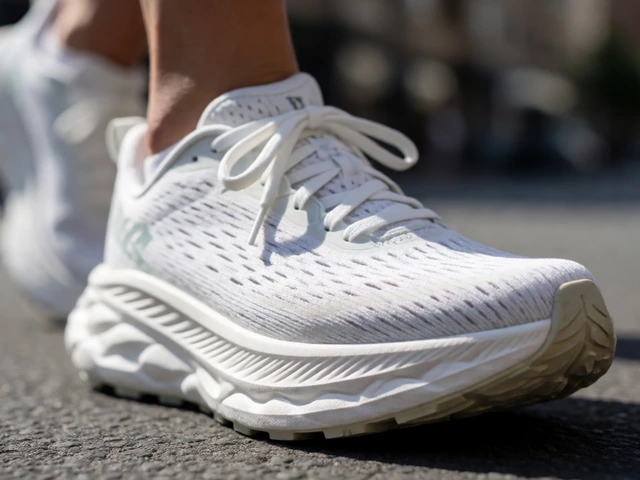
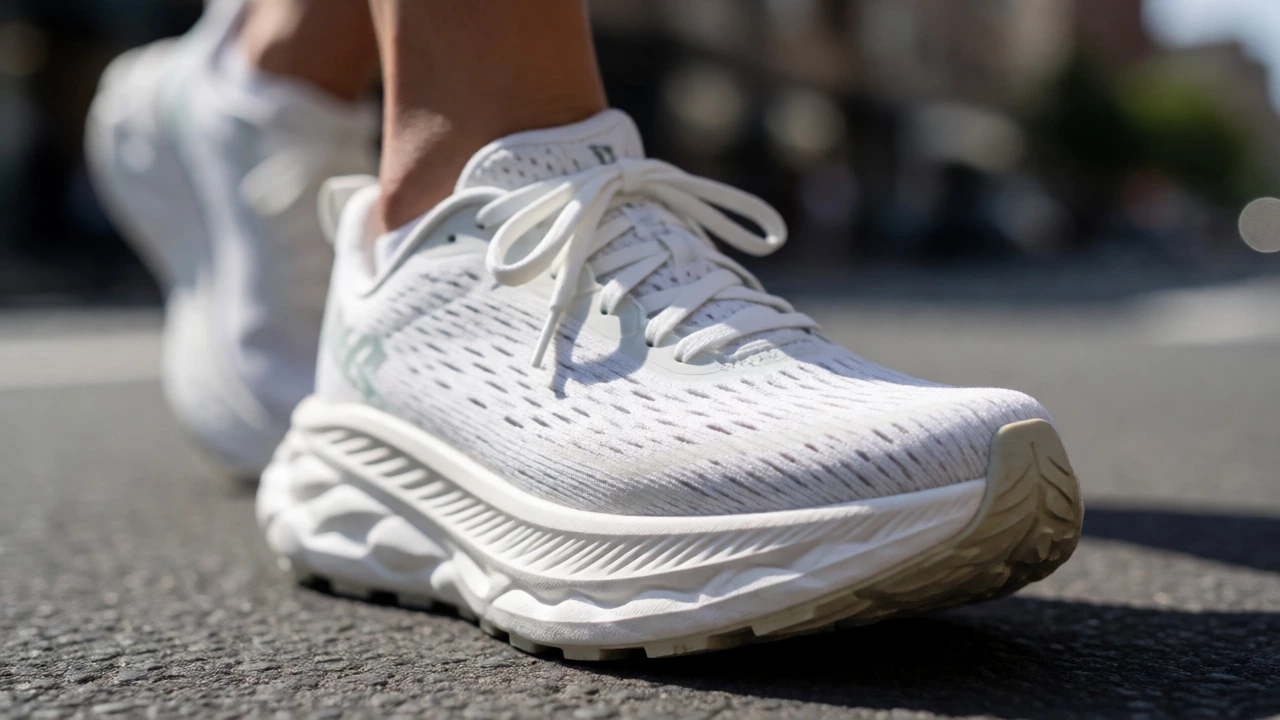
Hoka Shoe Lifespan Estimator
The standard advice says "300 to 500 miles," but your reality depends on your weight, terrain, and gait. Use this tool to estimate when your specific pair of Hokas is truly done.
Enter your details and click "Estimate Lifespan" to see results.
--
Estimated Miles Remaining
Why this estimate?
You just spent over $140 on a pair of Hoka maximalist running shoes known for their thick EVA foam midsoles and meta-rocker geometry, and you want to get your money’s worth. But here is the annoying truth: there is no single number that applies to every runner. The standard advice says "300 to 500 miles," but if you weigh 220 pounds and run on concrete, your Hoka Clifton 9 might feel dead at 250 miles. If you are a lightweight trail runner using a Hoka Speedgoat 5 on soft dirt, you might squeeze out 600.
So, how do you know when it is actually time to toss them? It isn’t just about the odometer on your Garmin. It’s about compression set in the foam, rubber outsole wear patterns, and what your knees are telling you. Let’s break down exactly how long your specific pair of Hokas will last, why they fail, and how to spot the end-of-life signs before you get injured.
The General Rule vs. Your Reality
Most running shoe manufacturers, including Hoka, suggest replacing shoes between 300 and 500 miles. This range exists because running shoes are consumables made of organic polymers that degrade with heat, pressure, and time. However, treating this as a hard rule is a mistake. Think of it more like a guideline that needs adjusting based on three major variables: your weight, your terrain, and your gait.
If you are heavier, the foam compresses faster. Every step sends force through the midsole. For a 180-pound runner, that force is manageable. For a 250-pound runner, it is significantly higher, accelerating the breakdown of the ethylene-vinyl acetate (EVA) or supercritical foam used in newer models like the Hoka Bondi 8. Similarly, running on asphalt grinds down the rubber outsole much faster than running on a treadmill or a forest trail. If you have a supinating gait (rolling outward), you will likely see excessive wear on the lateral edge of the heel, which can compromise stability even if the cushioning still feels okay.
Lifespan by Popular Hoka Models
Not all Hokas are built the same. The amount of foam, the type of rubber, and the intended use case drastically change how long a shoe lasts. Here is a realistic look at the expected mileage for some of the most popular models in 2026.
| Model Name | Primary Use | Expected Mileage Range | Common Failure Point |
|---|---|---|---|
| Hoka Clifton 9 | Daily Training / Road | 300 - 450 miles | Midsole compression; upper mesh tearing near pinky toe |
| Hoka Bondi 8 | Max Cushion / Recovery | 350 - 500 miles | Outsole rubber wearing smooth in forefoot |
| Hoka Mach 6 | Tempo / Speed Work | 250 - 350 miles | Less durable rubber; foam loses responsiveness quickly |
| Hoka Speedgoat 5 | Trail Running | 400 - 600 miles | Vibram outsole lugs wearing down on rock/gravel |
| Hoka Arahi 7 | Stability / Support | 300 - 400 miles | J-Frame stability element losing integrity |
Notice the pattern? Performance-oriented shoes like the Mach 6 sacrifice durability for weight savings and energy return. They use lighter, less dense foams and thinner rubber outsoles. You pay for speed with longevity. Conversely, the Bondi 8 has so much material that it takes longer to break down, though the sheer volume of foam means it can feel "mushy" sooner if you are a heavy striker.
Why Foam Dies Before the Rubber
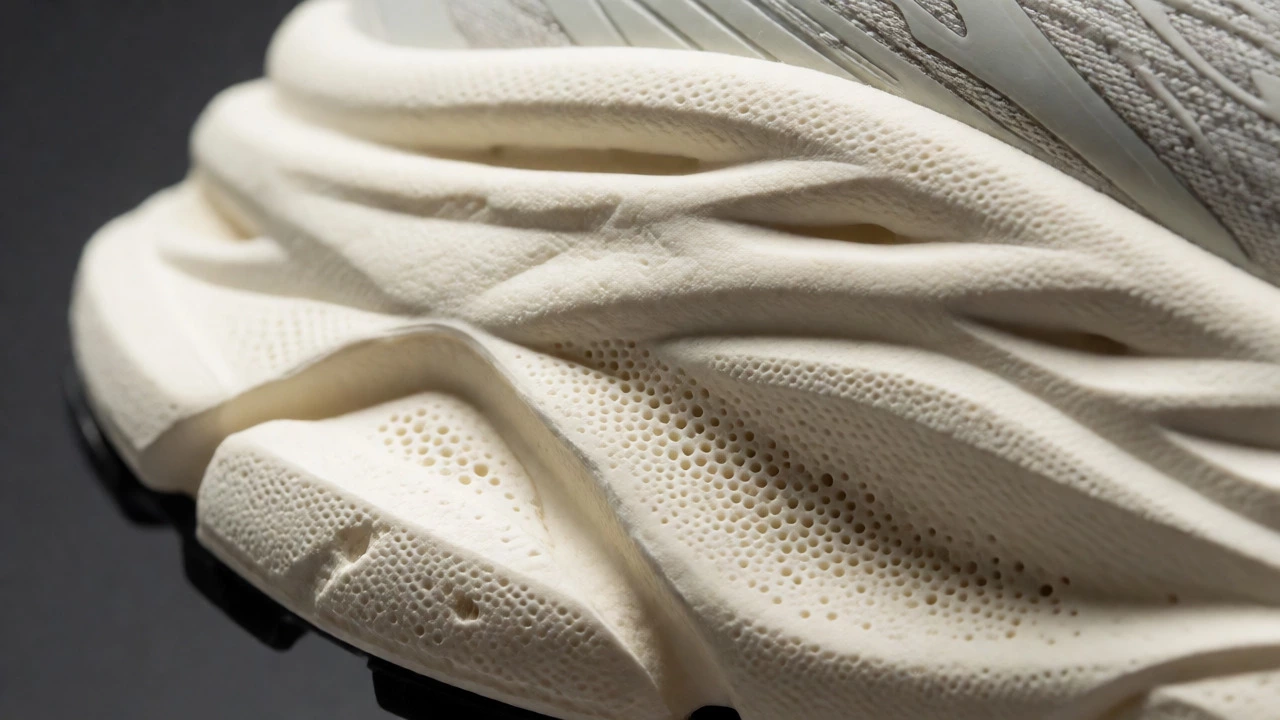
This is the biggest misconception about modern running shoes. People think a shoe is dead when the sole falls off or the holes appear in the mesh. With Hokas, the enemy is invisible: compression set.
The midsole foam is essentially a bunch of tiny air bubbles trapped in plastic. When you run, you crush those bubbles. Over time, they lose their ability to spring back. Even if the shoe looks brand new from the outside, the internal structure may be permanently collapsed. Once the foam hits its compression limit, it stops absorbing impact. That shock goes straight into your joints, hips, and lower back.
You can test this easily. Press your thumb firmly into the midsole of an old shoe versus a new one. On a new Hoka Rincon 4, the foam resists and bounces back instantly. On a retired pair, your thumb sinks in and stays there. If the rebound is gone, the protective value is gone, regardless of how many miles are on the clock.
Terrain Matters More Than You Think
Your environment dictates the wear rate. In Calgary, where I live, we deal with harsh winters and abrasive pavement. If you run exclusively on city streets, expect the lower end of the mileage estimates. Asphalt is rough. It acts like fine-grit sandpaper against the rubber outsole.
- Road Running: High abrasion. Expect 300-400 miles for most daily trainers. Watch for bald spots under the big toe and outer heel.
- Treadmill Running: Low abrasion, but high heat. Treadmill belts generate friction heat, which accelerates foam degradation. You might get 400+ miles, but the foam will feel flat sooner.
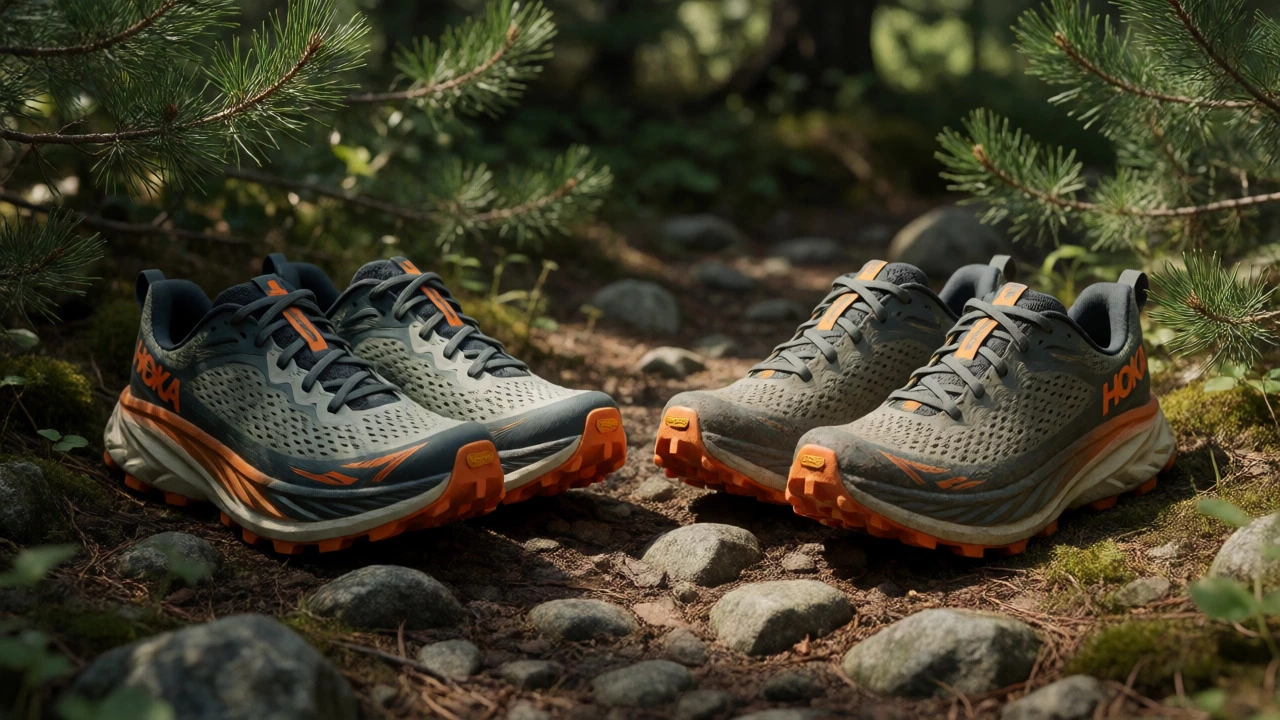
- Trail Running: Variable. Soft dirt preserves rubber, but rocks tear up the upper. The Speedgoat series uses Vibram Megagrip, which is tough, but sharp granite chips can slice through the midsole sidewalls.
- Winter/Salt: Salt corrodes adhesives and dries out leather/mesh uppers. If you run in slush, your shoes might delaminate (sole separates from upper) before the foam dies.
Signs Your Hokas Are Done
Don’t wait for pain. Pain is often a late-stage symptom. By the time your shins scream, your shoes have been failing you for weeks. Look for these physical cues instead.
- The Twist Test: Hold the shoe by the heel and toe and try to twist it like a dishrag. A healthy Hoka should resist twisting along the longitudinal axis. If it twists easily, the structural integrity is compromised.
- The Crease Check: Look at the flex point in the forefoot. Deep, permanent creases in the midsole indicate the foam has fractured internally. These cracks don’t heal, and they create weak points where the shoe could snap during a sprint.
- Asymmetric Wear: Flip the shoes over. Is one side worn down significantly more than the other? If the lateral heel is completely smooth while the medial side is intact, your alignment is shifting, or the shoe’s geometry is collapsing unevenly.
- Loss of Energy Return: This is subjective but real. If your easy runs suddenly feel laborious, or you feel like you’re trudging through mud despite the same pace, the foam has lost its resilience.
How to Make Them Last Longer
You can’t stop entropy, but you can slow it down. Here are practical ways to extend the life of your investment.
Rotate your shoes. This is the single most effective trick. Foam needs 24-48 hours to fully decompress after a run. If you wear the same pair every day, the foam never fully recovers, leading to permanent deformation. Buy two pairs and alternate them. Your feet will thank you, and each pair will last nearly twice as long individually.
Avoid unnecessary wear. Don’t wear your running shoes to walk the dog, go to the grocery store, or stand in line at coffee shops. Standing still puts static load on the foam, which is different from dynamic load. It compresses the material without allowing it to cycle properly. Save your Hokas for running only.
Store them correctly. Heat kills foam. Never leave your shoes in a hot car trunk in July or near a radiator in January. UV exposure also degrades the rubber compounds and fades the upper materials. Keep them in a cool, dry place.
Loosen the laces. It sounds trivial, but tying your shoes too tight restricts foot movement and creates excessive stress on the eyelets and upper fabric. It also changes how the foot interacts with the midsole. Loosen them before untying to prevent stretching the collar.
Frequently Asked Questions
Do Hokas last longer than Nike or Brooks?
Generally, yes, but with caveats. Because Hokas use more foam volume, there is simply more material to degrade. However, the softer foams can compress faster under heavy loads compared to firmer foams found in some Brooks models. Nike’s ZoomX foam is incredibly resilient but expensive and fragile in the outsole. In terms of raw mileage per dollar, Hokas often compete well because the high stack height delays the feeling of bottoming out.
Can I put my Hokas in the washing machine?
You can, but it shortens their lifespan. Agitation breaks down the glue bonds holding the outsole to the midsole, and heat from the dryer (or even warm water) accelerates foam degradation. Hand washing with mild soap and cold water is safer. Always air dry away from direct sunlight.
Is 500 miles too much for a Hoka?
For a lightweight runner on soft surfaces, no. For a heavier runner on concrete, yes. Most runners should start monitoring closely around 300 miles. If you experience any new joint pain or notice the shoe feels flat, retire them immediately, even if they haven't hit 500 miles yet.
Does the Hoka warranty cover wear and tear?
No. Warranties typically cover manufacturing defects, such as sole separation within the first few weeks or stitching failures. Normal compression of the foam and abrasion of the rubber outsole are considered expected wear and are not covered.
Which Hoka model lasts the longest?
The Hoka Gaviota and Hoka Bondi lines tend to have the highest durability due to their robust construction and thick rubber outsoles. Trail models like the Kaha 2 also last a long time because they are built with tougher materials to withstand outdoor abuse, though they are heavier.
You might like