Old Running Shoe Safety Checker
Answer these questions to determine if your current pair of running shoes is safe for walking or needs replacement.
Result
Analysis details...
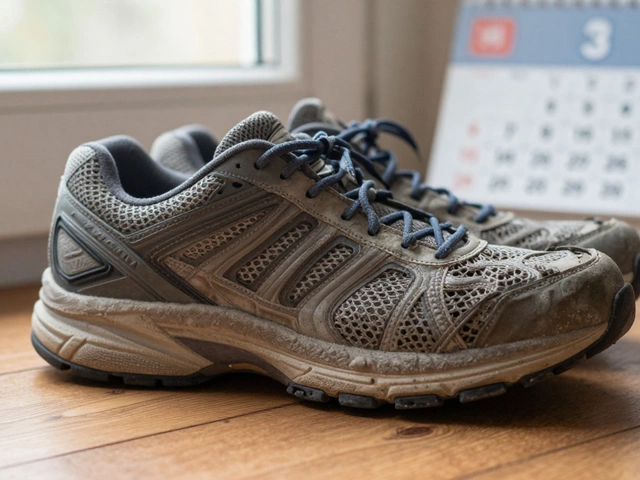
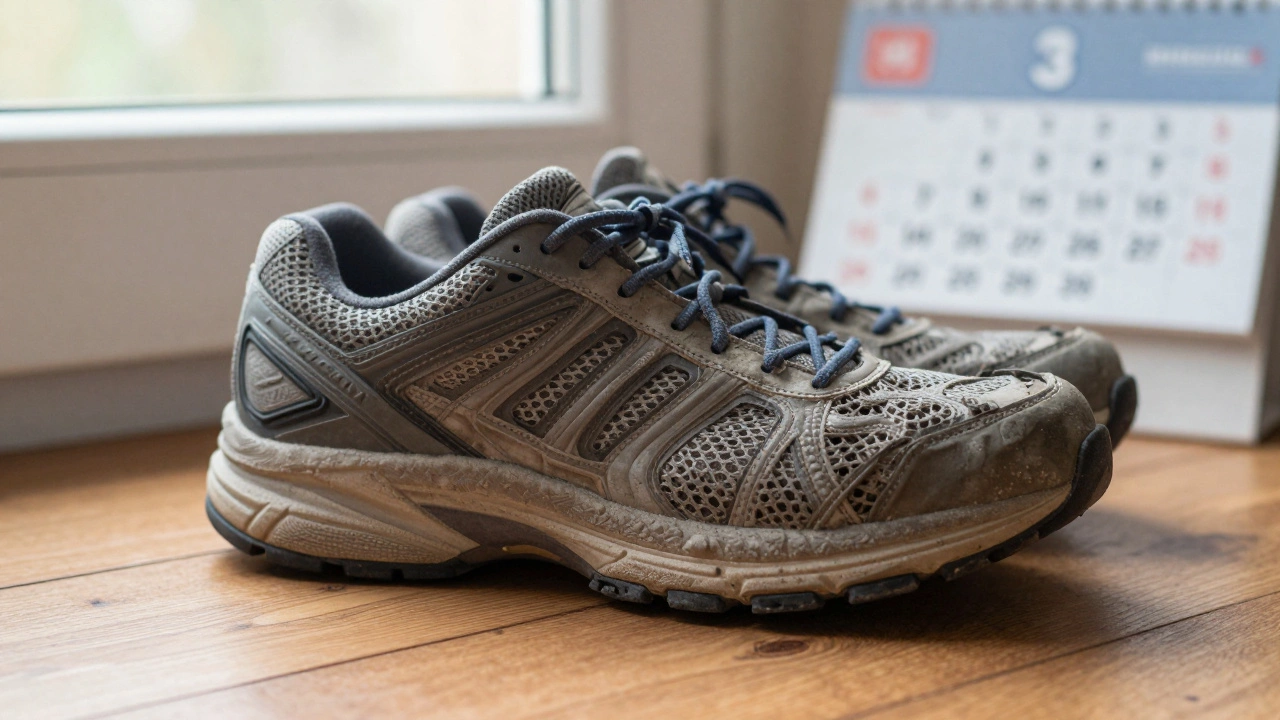
You’ve probably been there: you’re heading out for a casual stroll around the neighborhood or a quick trip to the grocery store, and your only pair of comfortable sneakers is a decade-old pair of running shoes. They look beat up, but they still fit. Is it actually safe to walk in them? The short answer is yes-but with some important caveats about how old they are and how much wear they’ve endured.
Walking is low-impact compared to running, which means your feet aren’t subjected to the same level of force. However, that doesn’t mean your footwear can be completely ignored. Worn-out shoes can lead to poor posture, joint pain, and even long-term injury if the support structures have collapsed. Let’s break down what “old” really means for your shoes, when it’s fine to keep wearing them, and when you should definitely retire them to the closet.
Understanding Shoe Lifespan: Miles vs. Years
The most common rule of thumb among podiatrists and running coaches is that running shoes last between 300 and 500 miles. This metric exists because the midsole-the foam layer that cushions your foot-compresses over time. Once that foam loses its ability to rebound, it no longer protects your joints from impact.
But here’s the catch: if you’re not running, you might never hit that mileage limit. Instead, time becomes the enemy. Even if you haven’t walked a single mile in your old shoes this year, the materials degrade. Rubber oxidizes, glue dries out, and foam cells collapse due to age alone. Most experts agree that shoes older than five to seven years are likely compromised, regardless of how many times you’ve worn them.
If your shoes are less than three years old and show minimal wear, they’re probably fine for light walking. But if they’re hanging on by a thread after five years, it’s time to consider retirement-even if they look decent on the outside.
The Hidden Dangers of Worn-Out Soles
When you buy new running shoes, the tread pattern provides traction, and the midsole offers shock absorption. Over time, both elements deteriorate. For walkers, the biggest risk isn’t slipping (though that’s a concern); it’s the loss of structural integrity.
- Midsole Compression: As the foam compresses, your foot sinks deeper into the shoe. This changes your biomechanics, potentially causing your arches to flatten more than usual, leading to plantar fasciitis or shin splints.
- Tread Wear: Smooth soles reduce grip, especially on wet surfaces like rain-slicked sidewalks or icy Calgary streets. A slip can result in ankle sprains or worse.
- Upper Breakdown: The mesh or leather upper loses its shape. If the heel counter (the stiff back part) collapses, your foot slides around inside the shoe, increasing friction and blister risk.
These issues might not cause immediate pain, but chronic discomfort often stems from small, cumulative stresses. Your body adapts to poor footwear by altering your gait, which can strain your knees, hips, and lower back over months or years.
How to Inspect Your Old Running Shoes
Before deciding whether to keep wearing your old runners, give them a thorough inspection. Look for these red flags:
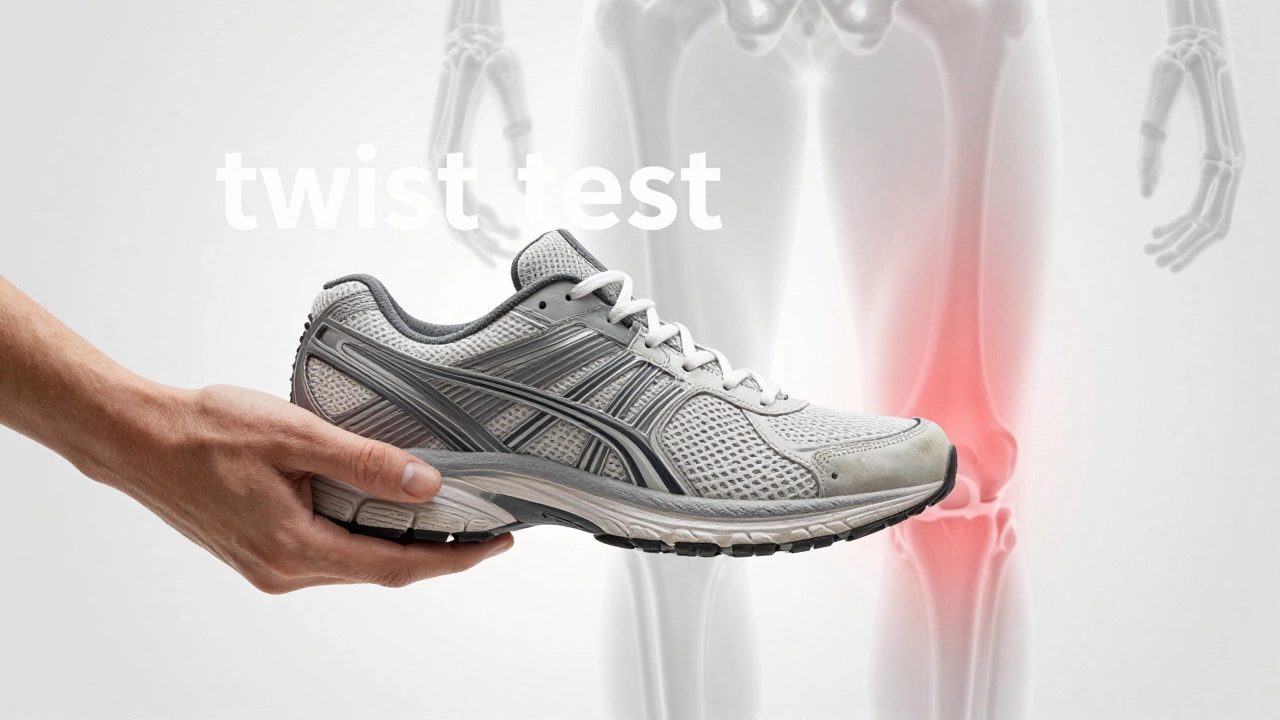
- Twist Test: Hold one end of the shoe and twist it gently. If it bends easily in the middle, the midsole has lost its torsional rigidity. A healthy shoe should resist twisting.
- Sole Inspection: Check the bottom for smooth spots. If the tread is gone in high-wear areas (usually under the ball of the foot or heel), traction is compromised.
- Insole Condition: Remove the insole. If it’s flattened, torn, or smells bad despite washing, it’s no longer providing adequate support or hygiene.
- Visual Cracks: Look for cracks in the foam midsole or separation between the sole and upper. These indicate structural failure.
If any of these tests fail, your shoes are past their prime. Don’t ignore the signs just because they’re familiar. Your feet deserve better.
Walking vs. Running: Why Walking Is Easier on Shoes
Here’s some good news: walking puts significantly less stress on your shoes than running does. When you run, your foot strikes the ground with force equivalent to 1.5 to 2.5 times your body weight. When you walk, that force drops to about 1.2 times your body weight. This reduced impact means the cushioning in your shoes degrades slower during walking.
Additionally, walking involves a different gait cycle. You spend more time with both feet on the ground, distributing pressure more evenly. This means you can often get more use out of a pair of shoes for walking than for running. However, this doesn’t mean you can wear them forever. The materials still age, and the support still diminishes.
If you primarily use your old running shoes for short walks around the house or neighborhood errands, they may remain functional longer than if you were using them for daily 5K runs. Context matters.
Alternatives to Throwing Away Old Shoes
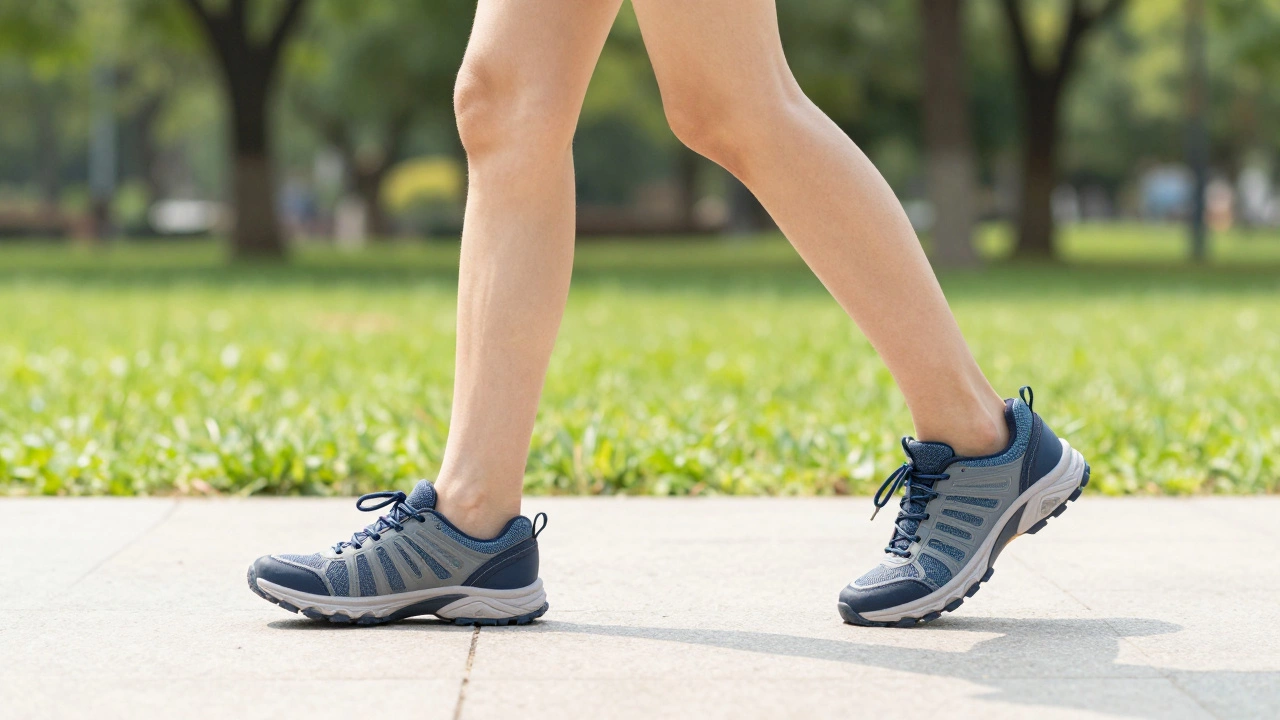
If your old running shoes are too worn for outdoor walking but still hold sentimental value or are in decent condition, don’t toss them immediately. Consider these alternatives:
- House Shoes: Use them strictly indoors where there’s no weather exposure or uneven terrain.
- Gardening or Yard Work: If they’re sturdy enough, they can handle dirt and grass without risking your safety on pavement.
- Donation: Some organizations accept gently used athletic shoes for recycling programs or donation to communities in need.
- Craft Projects: Get creative! Old sneakers can become planters, toy storage, or DIY art pieces.
This way, you extend their life responsibly while avoiding potential health risks from wearing degraded footwear outdoors.
| Sign | What to Look For | Risk Level |
|---|---|---|
| Smooth Soles | No visible tread pattern in high-wear zones | High (Slip Hazard) |
| Collapsed Midsole | Foam feels hard or compressed; shoe twists easily | Medium (Joint Stress) |
| Heel Counter Failure | Back of shoe bends inward when squeezed | Medium (Instability) |
| Upper Tears | Holes in mesh or separated seams | Low (Comfort Only) |
| Persistent Odor | Smell remains after cleaning | Low (Hygiene) |
Choosing the Right Shoes for Walking
If your old running shoes are truly done, what should you replace them with? While running shoes work well for walking, dedicated walking shoes offer specific benefits:
- Flexibility: Walking shoes bend at the ball of the foot, mimicking natural foot movement.
- Lighter Weight: Less bulk means less fatigue during long walks.
- Durable Outsoles: Designed for repetitive heel-to-toe motion rather than forward propulsion.
Brands like Brooks, New Balance, and ASICS offer excellent walking-specific models. If you prefer versatility, a neutral running shoe with moderate cushioning works fine too. Just ensure it fits properly-your feet swell throughout the day, so shop in the afternoon.
Can I walk in running shoes that are 10 years old?
Generally, no. After 10 years, the materials in most running shoes have degraded significantly, even if unused. The foam midsoles lose elasticity, and rubber soles become brittle. Walking in such shoes increases the risk of joint pain and instability. Replace them with newer footwear designed for current activity levels.
How do I know if my running shoes are too worn for walking?
Check for smooth soles, collapsed midsoles, or twisted flexibility. Perform the twist test: if the shoe bends easily in the middle, the support structure is failing. Also, inspect the heel counter-if it collapses when squeezed, your foot lacks stability. Any of these signs indicate replacement is needed.
Are old running shoes safe for indoor walking?
Yes, if they’re structurally intact. Indoor surfaces are flat and predictable, reducing slip hazards. However, if the midsole is fully compressed or the upper is torn, even indoor use may cause discomfort. Prioritize comfort and basic support over appearance.
Does walking in worn shoes cause knee pain?
It can. Worn-out shoes fail to absorb shock effectively, transferring impact forces to your knees and hips. Over time, this can exacerbate existing conditions like arthritis or contribute to new injuries. Proper cushioning helps maintain alignment and reduces joint stress.
Should I replace my running shoes every 6 months?
Not necessarily. Replacement depends on usage, not calendar time. If you walk lightly and rarely, your shoes may last several years. Frequent walkers or runners should monitor mileage (300-500 miles) and physical wear. Regular inspections are more reliable than fixed timelines.
You might like