Running Shoe Size Estimator
Measure your feet in the late afternoon while wearing running socks.
Your Estimated Running Size
US Men's
Fit Recommendation
- Gap Needed: Leave a thumb-width (~1.5cm) gap between your longest toe and the shoe end.
- Width: Standard width is usually sufficient.
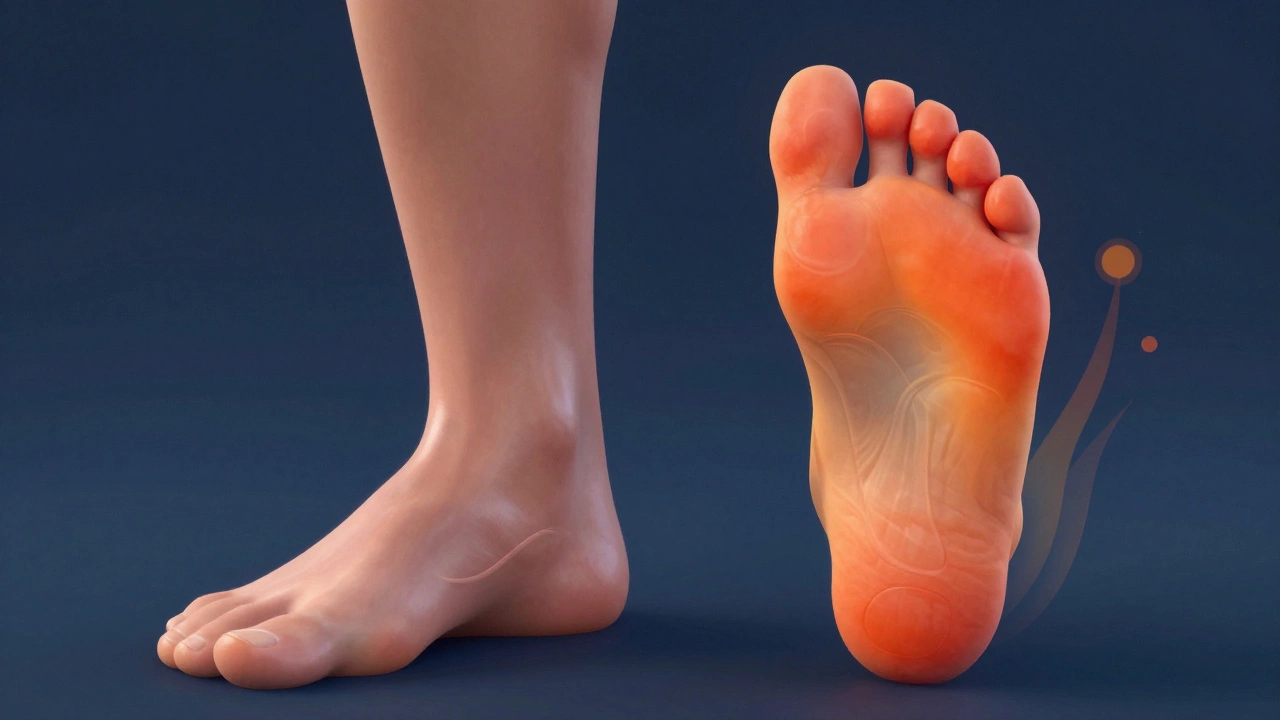
Visualizing the necessary toe room
Reference: Standard Sizing Chart
| Foot Length (cm) | US Men | US Women | UK | EU |
|---|---|---|---|---|
| 24.5 | 7 | 8.5 | 6 | 39 |
| 25.0 | 7.5 | 9 | 6.5 | 40 |
| 25.5 | 8 | 9.5 | 7 | 40.5 |
| 26.0 | 8.5 | 10 | 7.5 | 41 |
| 26.5 | 9 | 10.5 | 8 | 42 |
| 27.0 | 9.5 | 11 | 8.5 | 42.5 |
| 27.5 | 10 | 11.5 | 9 | 43 |
| 28.0 | 10.5 | 12 | 9.5 | 44 |
| 28.5 | 11 | 12.5 | 10 | 44.5 |
| 29.0 | 11.5 | 13 | 10.5 | 45 |
*Sizes are approximate averages. Always check specific brand charts.
There is nothing worse than hitting a familiar trail or track only to have your toenails turn black because your shoes were half a size too small. Or worse, dealing with blisters and hotspots because they were too loose. Getting the right running shoes size isn’t just about comfort; it is the single most important factor in preventing injury and improving your performance. Most people wear the wrong shoe size daily, often carrying over their casual sneaker size into their running gear without realizing that feet swell, change shape, and behave differently under load.
If you are still guessing based on the number printed on your casual sneakers, you are likely setting yourself up for pain. Your feet are not static objects. They expand throughout the day, they flatten out during impact, and they need room to move. This guide will walk you through exactly how to measure your feet, when to do it, and how to interpret the fit so you can run with confidence.
Why Running Shoe Sizing Is Different from Casual Shoes
You might be a size 10 in Nike Air Force Ones but a 10.5 in Brooks Ghosts. This inconsistency drives many runners crazy, but there is a logical reason behind it. Running places significantly higher stress on the foot than walking or standing around. When you strike the ground, your foot absorbs forces up to three times your body weight. This impact causes your arches to compress and your feet to spread outward slightly.
Furthermore, running generates heat. As your feet warm up during a long run, the tissues expand. If you buy a shoe that fits perfectly while you are sitting on the couch at home, it will likely feel tight after ten minutes of jogging. Experts generally recommend leaving a gap between your longest toe and the end of the shoe. This space prevents your toes from jamming against the front of the shoe when you go downhill or when your feet swell during endurance efforts.
| Feature | Casual Sneakers | Running Shoes |
|---|---|---|
| Toenail Clearance | Tight or snug fit preferred | Thumb-width gap required |
| Heel Lock | Minimal slippage acceptable | Zero slippage required |
| Width Accommodation | Often narrower for aesthetics | Must accommodate splay during stride |
| Sock Dependency | Variable | Must fit with specific running socks |
The Best Time to Measure Your Feet
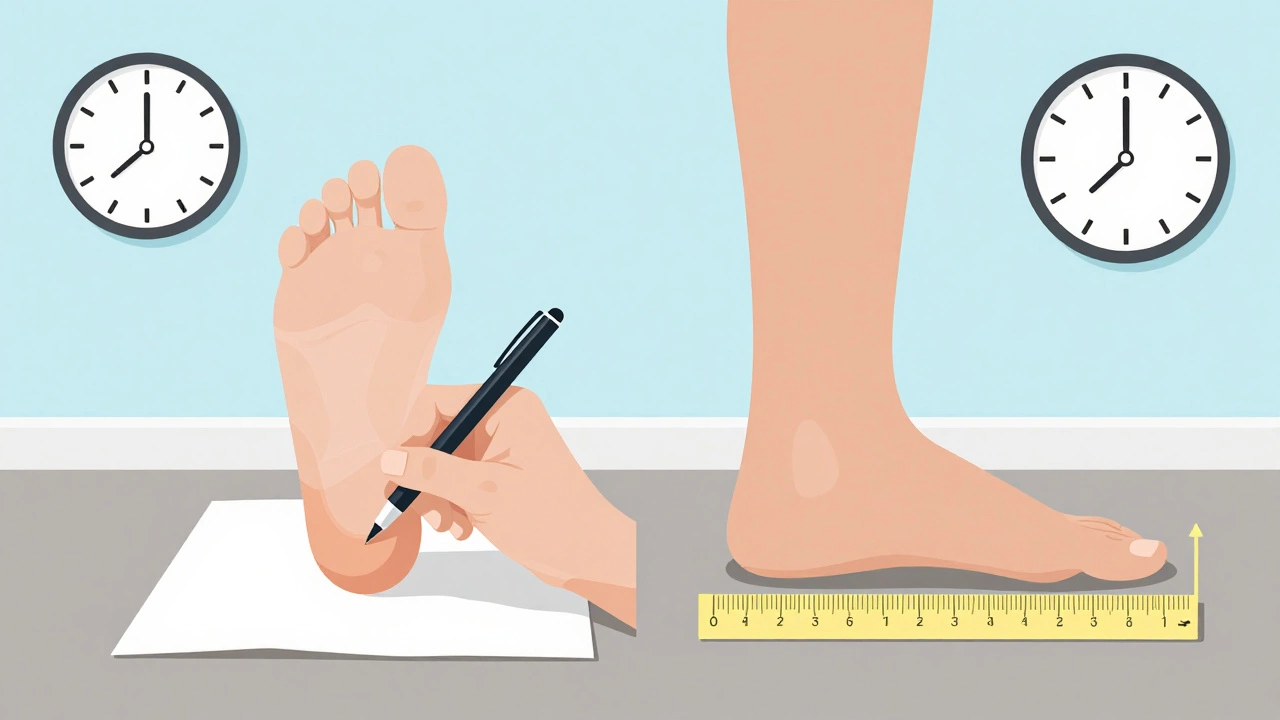
Timing is everything when it comes to sizing. If you measure your feet in the morning, you are measuring them at their smallest. By late afternoon or evening, gravity and daily activity cause fluid retention and tissue expansion. Your feet can grow by as much as half a size or more by the end of the day.
For the most accurate measurement, visit a specialty running store or measure your feet at home in the late afternoon. Ideally, do this after a short workout or a long day on your feet. This ensures you are accounting for the maximum volume your feet will reach during a run. If you are buying online, measure both feet. It is extremely common for one foot to be larger than the other. Always size for the larger foot to avoid cramping and discomfort.
How to Measure Your Feet at Home
You do not need expensive equipment to get an accurate measurement. You just need a piece of paper, a pen, a wall, and a ruler or tape measure. Here is the step-by-step process:
- Prepare the surface: Place the paper on a hard, flat floor. Do not use carpet, as it can compress and give inaccurate readings.
- Position yourself: Stand up with your heel against the wall. Make sure you are wearing the type of socks you plan to run in. Barefoot measurements can be misleading if you usually run with thick cushioned socks.
- Trace the outline: Have someone trace the outline of your foot while you stand normally. Keep your weight evenly distributed. If no one is available, sit on a chair, place your foot on the paper, and lean forward slightly to simulate weight bearing, then trace.
- Mark the length: Draw a line across the very tip of your longest toe. Note that for many people, the second toe is longer than the big toe. This is known as Greek foot shape.
- Measure the width: Mark the widest points of your forefoot (the ball of the foot). Measure the distance between these two points.
- Calculate: Measure the distance from the wall line to the toe line in centimeters or inches. Repeat for the other foot.
Once you have your measurements, convert them to standard shoe sizes using a brand-specific size chart. Remember, US sizes, UK sizes, and European sizes all differ. A US Men’s 9 is roughly a UK 8 and a EU 42, but this varies by manufacturer. Always check the specific brand’s conversion chart.
The "Thumb Rule" and The Wiggle Test
Numbers on boxes are guidelines, but the actual fit is what matters. Once you have tried on a pair of running shoes, perform the "thumb rule" test. With your foot inside the shoe, press down on the toe box. You should be able to fit your thumbnail (or about half an inch) between your longest toe and the end of the shoe.
This space is critical. Without it, your toes will hit the front of the shoe during downhill runs or when your foot slides forward due to fatigue. Additionally, perform the "wiggle test." Your toes should be able to spread and wiggle freely within the toe box. If they feel cramped or pressed against the sides, the shoe is too narrow or too small.
Pay attention to the heel. There should be zero slippage. If your heel lifts every time you take a step, you will develop blisters quickly. However, the midfoot should feel secure. Lacing techniques can help adjust the fit here. If the shoe feels tight across the top of your foot but the length is correct, try loosening the laces in the midfoot area or switching to a wider model.
Understanding Width and Foot Shape
Length is only half the equation. Many manufacturers offer standard widths (often labeled as B for men and D for women), but some brands like New Balance, Brooks, and ASICS offer Wide (2E) and Extra Wide (4E) options. If you have wide feet, forcing them into a standard width shoe can lead to bunions, neuromas, and general discomfort.
Consider your foot shape. Some people have high arches, while others have flat feet. While the shoe size doesn't change based on arch height, the support structure does. High-arched feet often need more cushioning and flexibility, while flat feet may benefit from stability features. However, the primary goal remains finding a shoe that accommodates the natural splay of your forefoot.
Should I size up or down for running shoes?
You should almost always size up. Because your feet swell during exercise and you need room for toe movement, going up by half a size is the standard recommendation. Never size down, even if the shoe feels snug initially, as this leads to black toenails and restricted circulation.
Do my feet get bigger as I age?
Yes. As we age, our arches tend to flatten and our feet spread wider. Gravity also plays a role over decades. It is common to increase your shoe size by half or a full size every few years. Re-measuring your feet annually is a good practice.
What if my left and right feet are different sizes?
This is very common. You should always buy shoes based on the larger foot. If the difference is significant (more than half a size), you may need to look for brands that offer asymmetric sizing or consult a specialist for custom orthotics to fill the gap in the smaller shoe.
How much do running shoes stretch over time?
Most modern running shoes are made from synthetic materials that do not stretch significantly. Leather shoes might break in and loosen slightly, but mesh and foam running shoes retain their shape. Do not buy a shoe expecting it to stretch to fit your foot.
Can I return running shoes if they don't fit?
Many specialty running stores and online retailers offer free exchanges for sizing issues. Check the return policy before purchasing. Some brands allow you to try on multiple sizes in-store for free. Always keep the original packaging and tags until you have tested the shoes on a short run.
You might like