Swimming Progression Estimator
Is 7 too old to start? Absolutely not! This tool helps you visualize the typical progression path for a beginner aged 6–8, based on cognitive and physical developmental advantages.
Typical Progression Stages
Note: These are general guidelines. Individual progress varies based on fear levels, practice frequency, and instructor quality.
- ✓ Entering/exiting pool safely
- ✓ Blowing bubbles & submerging face
- ✓ Floating with support
- 🏊 Unassisted gliding
- 🏊 Basic flutter kick
- 🏊 Retrieving objects from shallow depth
- 💧 Freestyle basics (arm recovery)
- 💧 Back float stability
- 💧 Treading water (5-10 seconds)
- 🥇 Swimming 25 meters freestyle
- 🥇 Basic breaststroke or backstroke
- 🥇 Jumping into deeper water confidently
Enter your child's details above to see their estimated swimming journey.
Parent Tip: The Age 7 Advantage
Children starting at age 7 often learn faster than toddlers because they understand multi-step instructions, have better muscle control, and can focus for longer periods. Cognitive maturity accelerates skill acquisition!
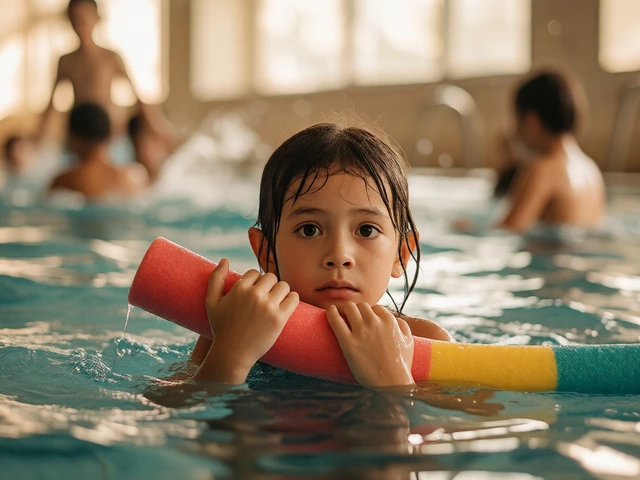
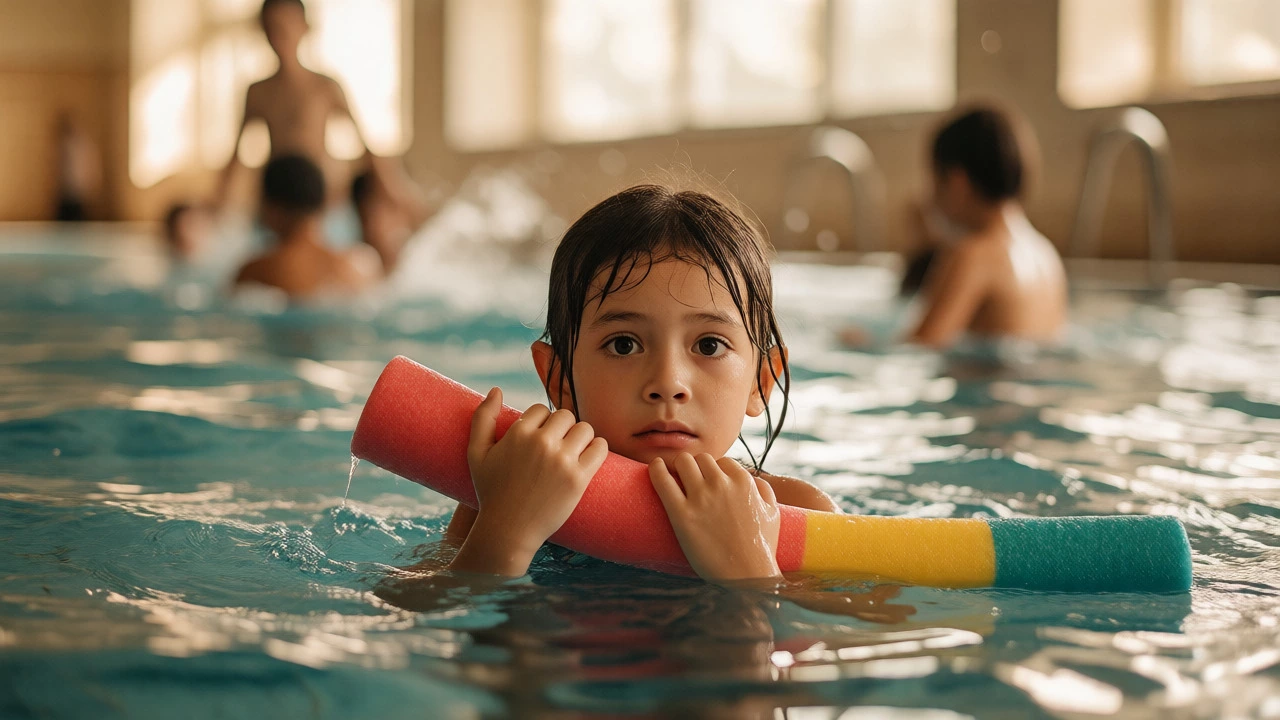
Think about the last time you saw a seven-year-old in a pool. Chances are, they were either splashing around with confidence or clinging to a noodle with wide eyes. If your child falls into that second group, you might be feeling a mix of guilt and panic. Did we miss the window? Is seven too late to start learning to swim? The short answer is absolutely not. In fact, many instructors argue that starting at this age can actually be easier than starting at three.
The idea that there is a strict "expiration date" on learning new skills is a myth, especially when it comes to water safety. While early exposure helps with comfort, cognitive development plays a huge role in actual skill acquisition. A seven-year-old understands instructions better, has more muscle control, and can focus for longer periods than a toddler. Let’s break down why age seven is actually a sweet spot, what realistic progress looks like, and how to navigate the process without turning swim lessons into a battle.
Why Age Seven Is Not Too Late (And Might Be Better)
We often hear that children should be in the water as soon as they can walk. This advice stems from drowning prevention statistics, which show that children under four are at high risk. However, risk mitigation is different from skill mastery. When a child starts formal lessons at seven, they bring distinct advantages that younger children lack.
First, consider cognitive maturity. Learning to swim isn't just about moving arms and legs; it's about coordinating breathing, buoyancy, and movement while managing fear. A five-year-old might understand "kick," but a seven-year-old understands the mechanics of why kicking creates propulsion. They can follow multi-step directions like "blow bubbles underwater, then lift your head to breathe." This ability to process complex instructions accelerates the learning curve significantly.
Secondly, physical coordination improves rapidly between ages five and eight. By seven, most children have developed the gross motor skills necessary for proper stroke technique. They can isolate their legs for flutter kicks and coordinate arm movements without flailing. You aren't fighting against their natural developmental stage; you're working with it. Many adults who learned to swim in their teens or twenties report that once they understood the physics, the skills clicked quickly. Imagine how much faster a seven-year-old can grasp those concepts compared to an adult battling deep-seated fears.
Realistic Timelines: What Progress Looks Like
If you enroll a seven-year-old in lessons today, don't expect them to do the backstroke by next week. Swimming is a cumulative skill set. It takes time to build trust in the water before technical proficiency can take hold. Here is a general framework based on typical progression rates for beginners aged 6-8.
| Stage | Timeframe | Key Skills Mastered | Common Challenges |
|---|---|---|---|
| Water Comfort | Weeks 1-4 | Entering/exiting safely, blowing bubbles, submerging face, floating on front/back with support. | Fear of face getting wet, holding breath instead of exhaling. |
| Basic Mobility | Months 2-3 | Unassisted gliding, basic flutter kick, retrieving objects from shallow depth. | Lifting head too high, sinking hips, panic when unsupported. |
| Stroke Introduction | Months 4-6 | Freestyle basics (arm recovery), back float stability, treading water for 5-10 seconds. | Inefficient breathing rhythm, poor body alignment. |
| Competency | Months 6-12+ | Swimming 25 meters freestyle, basic breaststroke or backstroke, jumping into deeper water. | Stamina issues, refining technique vs. just surviving. |
Notice the timeline spans months, not days. Drowning prevention experts recommend that children learn to tread water and swim across a pool (usually 25 feet) by age four, but if they haven't started yet, catching up by age nine or ten is entirely achievable. The goal isn't to become an Olympic athlete; it's to become water-safe.
The Psychology of Fear: Addressing the Elephant in the Pool
At seven, children are old enough to articulate their fears but young enough to still be influenced by parents' anxiety. If you are nervous about the water, your child will pick up on that. One of the biggest hurdles for older beginners isn't physical-it's psychological. They may have had a bad experience, like swallowing water or being pushed in unexpectedly, which created a trauma response.
To overcome this, avoid forcing the issue. Pushing a reluctant seven-year-old into the deep end usually results in regression, not progress. Instead, use gradual exposure. Start in the shallow end where they can stand comfortably. Play games that involve putting their face in the water, like collecting colored rings or playing "peek-a-boo" with goggles. Make the water feel like a playground, not a classroom.
It is also crucial to separate performance from safety. Praise effort, not speed. If your child tries to blow bubbles and fails, celebrate the attempt. This builds resilience. Remember, confidence is the precursor to competence. Once they trust that the water supports them, the technical skills come much faster.
Choosing the Right Instructor and Environment
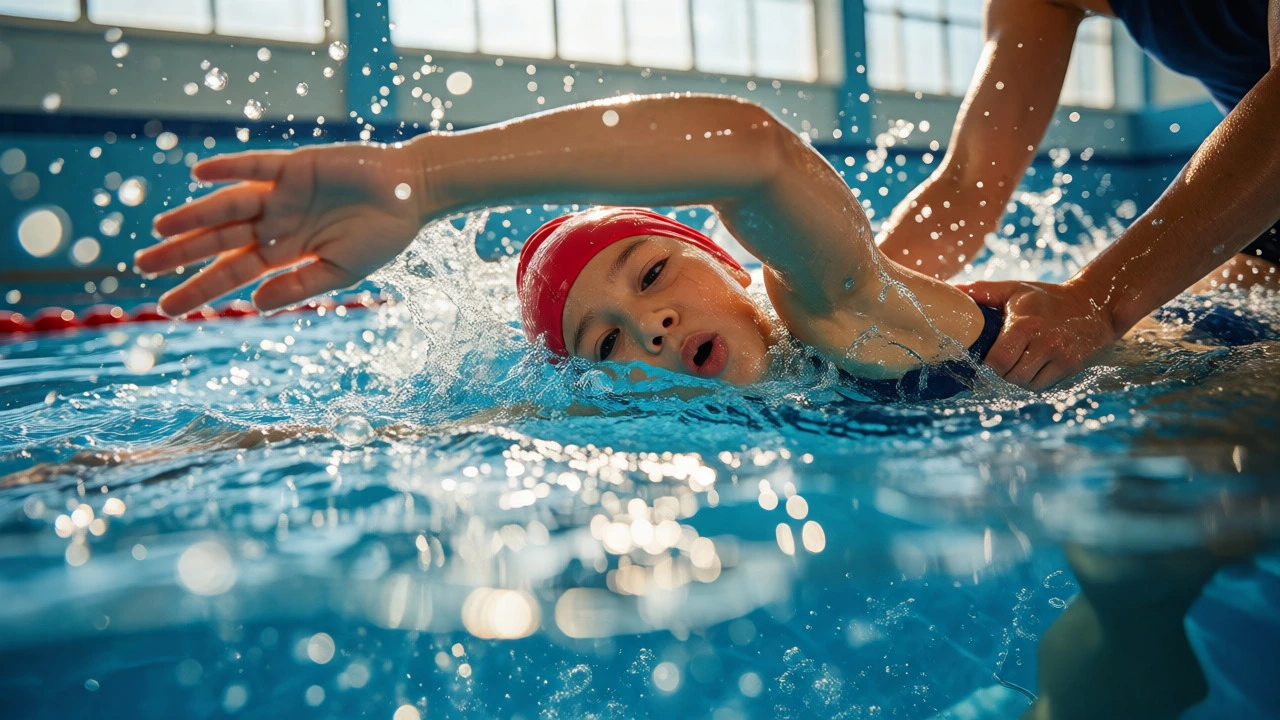
Not all swim schools are created equal, especially for older beginners. A class filled with twenty toddlers screaming might overwhelm a shy seven-year-old. Look for programs that offer small group sizes or private lessons initially. Private lessons allow the instructor to tailor the pace to your child's specific fears and abilities without the pressure of keeping up with peers.
Ask potential instructors these questions:
- How do you handle students who are afraid of putting their faces underwater?
- What is the ratio of students to instructors in the beginner classes?
- Do you use flotation devices, or do you teach unassisted buoyancy early on?
A good instructor will prioritize water safety skills over flashy strokes. Be wary of programs that promise "swimming in six weeks" without emphasizing survival skills like treading water and floating. Flotation devices like arm bands can sometimes hinder learning because they create a false sense of security and prevent proper body position. Ideally, the instructor should transition students to unassisted floating as soon as possible.
Practical Tips for Parents at Home
You don't need a pool to practice every day. Reinforcing lessons at home makes a massive difference. Since you live in Calgary, Canada, you know that outdoor swimming seasons are short, so indoor pool access is key. But even outside of pool time, you can help.
Start with shower games. Have your child practice blowing bubbles in the bath or shower. Get them comfortable with having water run over their head. Use goggles regularly so they see clearly underwater-this reduces fear significantly. Visibility changes everything. When they can see where they are going, the unknown becomes manageable.
Also, watch how you talk about swimming. Avoid saying things like "Don't worry, it won't hurt," which implies pain is expected. Instead, say "Let's see how long you can glide." Frame it as an experiment or a game. Keep sessions short and positive. If they cry or refuse to go in, don't force it. Take a break and try again another day. Consistency matters more than intensity.
When to Worry (And When Not To)
Some parents worry that their seven-year-old is behind because their friend already swims laps. Social comparison is natural, but irrelevant here. Every child develops at their own rate. However, there are signs that might indicate a deeper issue requiring professional attention.
If your child exhibits extreme panic attacks that don't subside after several weeks of gentle exposure, or if they have sensory processing difficulties that make water texture unbearable, consult a pediatrician or an occupational therapist. Some children have vestibular sensitivities that affect balance in water. These are treatable, and specialized swim therapists can help bridge the gap.
On the other hand, if your child is simply hesitant but participates when encouraged, that's normal. Resistance is part of the learning process. Give it time. Most seven-year-olds who start lessons will become competent swimmers within a year if they attend weekly classes and practice occasionally.
Final Thoughts on Water Safety
Is seven too old to learn to swim? No. Is it later than ideal for pure drowning prevention stats? Maybe slightly, but it's never too late to acquire life-saving skills. The benefits extend beyond safety. Swimming builds strength, coordination, and confidence. It provides a lifelong recreational activity that is low-impact and enjoyable.
So, sign up for those lessons. Buy the goggles. Go to the local community center pool. Expect some tears, probably some swallowed chlorine, and definitely some proud moments. Your seven-year-old isn't missing out on childhood; they're gaining a superpower. And honestly, watching them master their first independent lap is worth every minute of logistical hassle.
Can a 7-year-old learn to swim in one summer?
Yes, many children can achieve basic water competency, such as floating and swimming short distances, within one intensive summer program. However, mastering efficient strokes and endurance typically takes longer, often spanning multiple seasons or years of consistent practice.
Are flotation vests safe for teaching swimming?
Flotation vests keep heads above water but can encourage vertical body positions that hinder learning proper horizontal swimming techniques. They are great for open-water safety but less effective for teaching stroke mechanics compared to kickboards or unassisted practice.
What if my child refuses to put their face in the water?
This is common. Start by letting them splash water on their chin, then cheeks, then forehead. Use goggles to make it fun. Never force their head under. Gradual desensitization through play usually resolves this resistance within a few weeks.
How many lessons does it take to learn to swim?
On average, it takes 20 to 40 hours of instruction for a child to become water-safe. For a seven-year-old attending weekly 30-minute lessons, this could mean six months to a year of consistent attendance to reach basic competency.
Is it harder for adults to learn than for 7-year-olds?
Generally, yes. Adults often have more ingrained fears and less flexible bodies. Children at age seven have a neuroplasticity advantage and fewer psychological barriers, making them quicker learners in terms of overcoming initial hesitation.
You might like