Barefoot Running Transition Planner
Fill in your details to get a personalized transition plan.
Your feet have been walking on hard surfaces for years. Suddenly, you remove the thick cushioning and high heel drop of modern running shoes, and your body doesn't know what to do. This is the core dilemma behind barefoot running. It’s not just a trend; it’s a shift in how you interact with the ground that can either rebuild your natural mechanics or lead to painful stress fractures if done wrong.
Most runners ask this question after an injury or a plateau. The promise is real: stronger calves, better balance, and a more efficient stride. But the risk is equally real. Your Achilles tendon isn’t built for the sudden load change, and your metatarsals might protest the lack of protection. Before you toss your current pair into the closet, you need a clear picture of what changes biologically when you go barefoot or use minimalist gear.
What Actually Changes When You Run Barefoot?
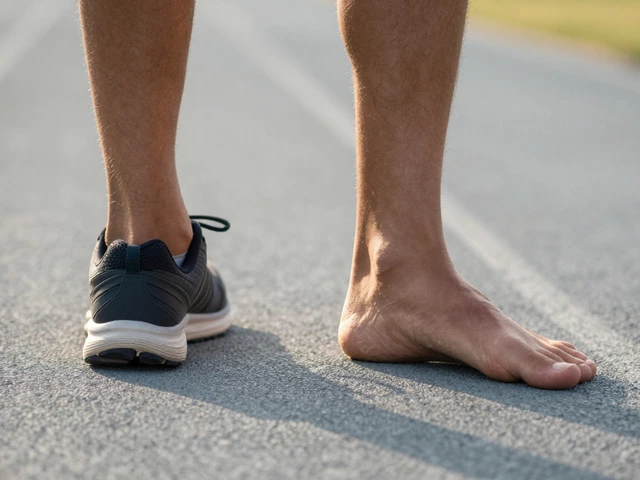
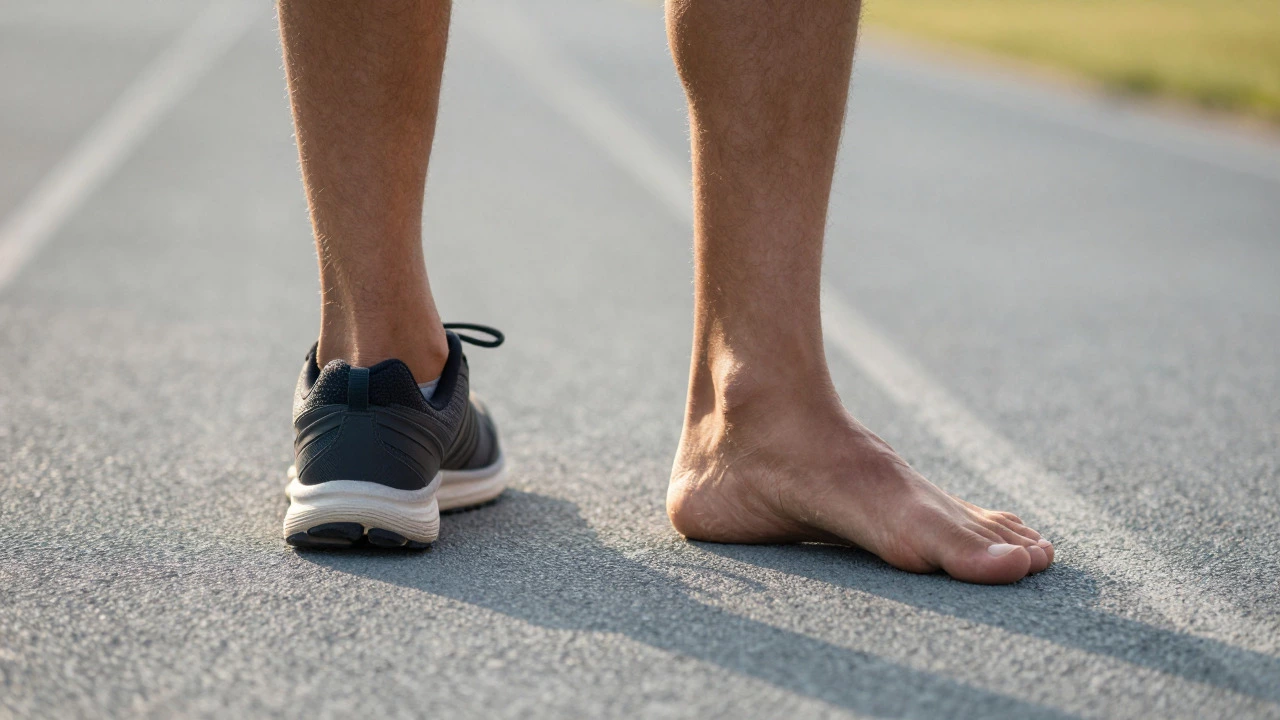
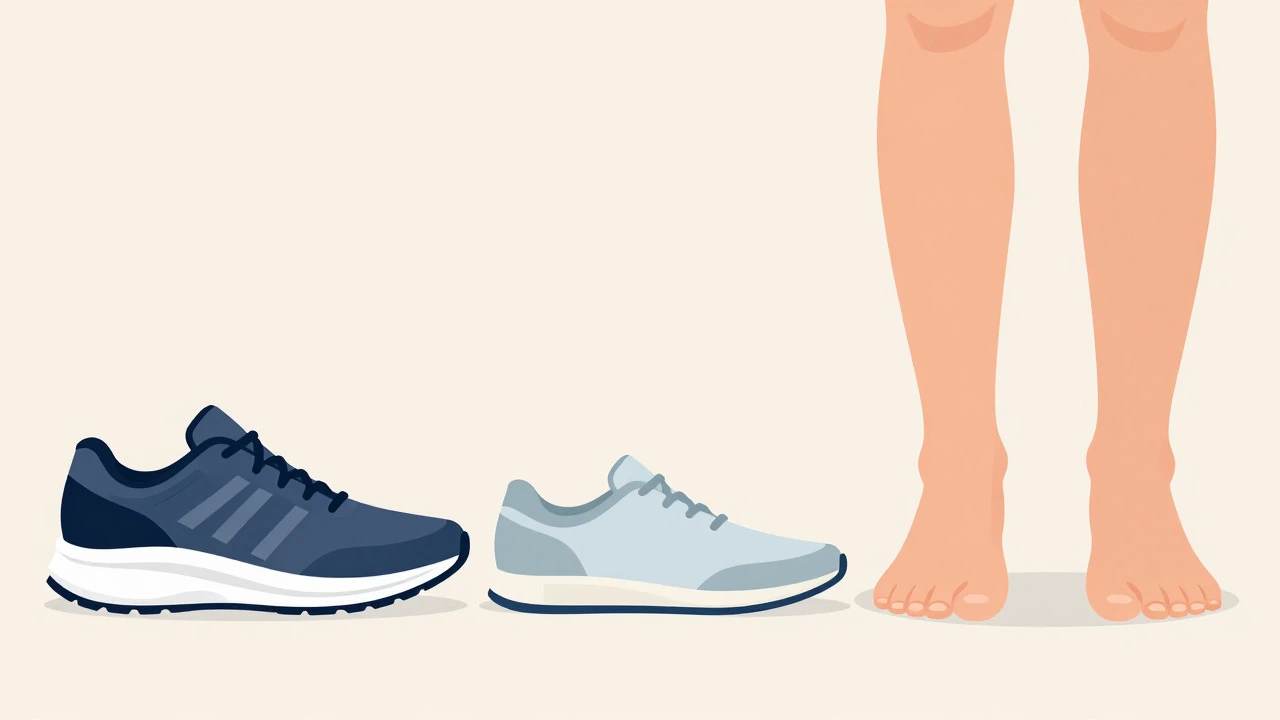
Barefoot running is a technique where runners wear no shoes or minimal footwear with a zero-drop sole and flexible upper. Unlike traditional running shoes, which often feature a heel-toe drop of 8-12mm and substantial midsole foam, barefoot running relies on your natural anatomy to absorb impact.
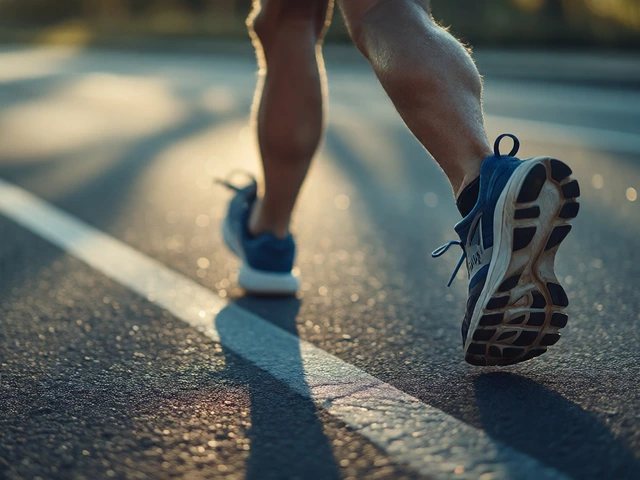
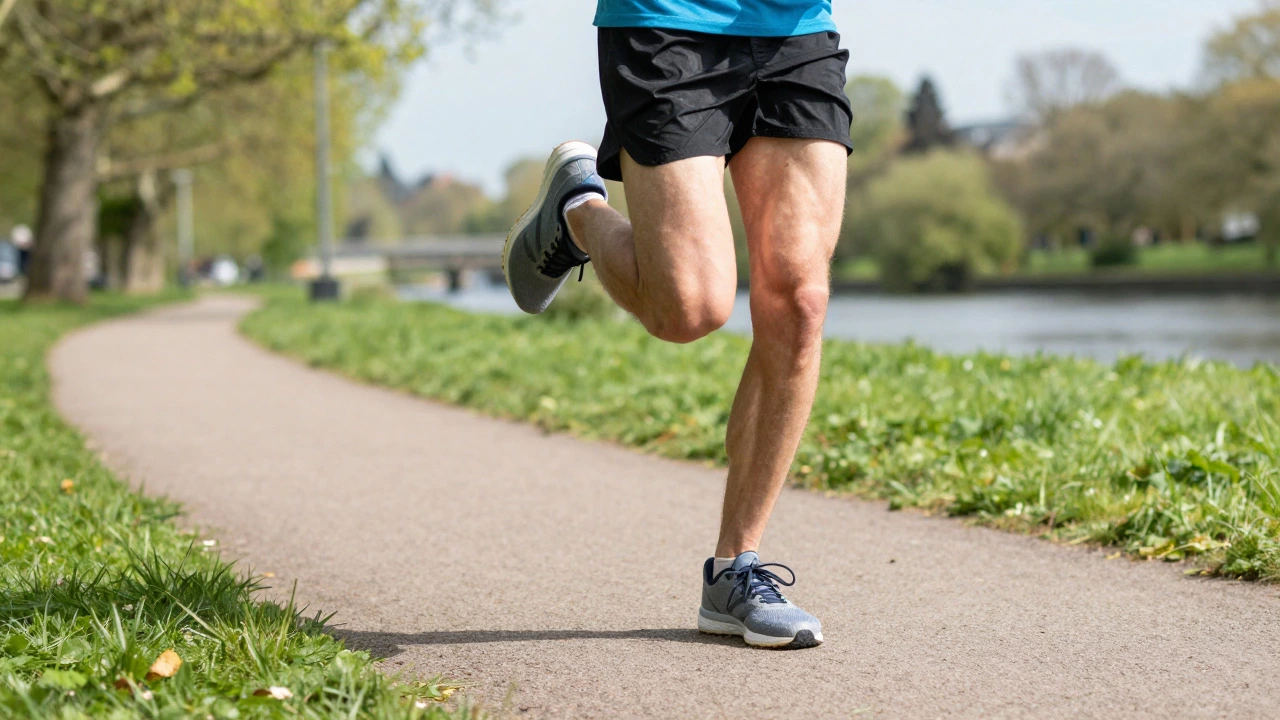
The most immediate change is your gait. In conventional shoes, many runners land on their heels because the elevated heel encourages a backward lean. In barefoot running, you instinctively land on your midfoot or forefoot. This shortens your stride length but increases your cadence (steps per minute). Studies from the University of Calgary suggest that this forefoot strike pattern reduces peak vertical forces on the knee and hip, potentially lowering the risk of joint-related injuries like runner’s knee.
However, the load shifts elsewhere. Your calf muscles and Achilles tendon take on more work. Think of it like switching from driving an automatic car to a manual one. The engine (your legs) has to engage more actively. If those muscles aren’t conditioned, they become the weak link. This is why many beginners report shin splints or plantar fasciitis within the first few weeks-not because barefoot running is bad, but because their bodies haven’t adapted yet.
Minimalist Shoes vs. True Barefoot: Which Is Right for You?
You don’t necessarily have to run completely shoeless, especially in cities like Calgary where pavement is unforgiving and debris is common. This is where Minimalist running shoes come in. These are designed to mimic the feel of bare feet while offering basic protection. Key features include a thin outsole (usually under 4mm), a wide toe box that allows toes to splay, and a zero-drop platform.
There is a spectrum of minimalism. On one end, you have ultra-thin trainers like the Vibram FiveFingers, which offer almost no structure. On the other, you have brands like Altra or Xero Shoes, which provide a bit more durability for road running without sacrificing the low profile. For most people transitioning from traditional shoes, a moderate minimalist shoe is the safest starting point. It protects against sharp rocks and cold asphalt while still forcing your foot to work harder than it did in your old cushioned pair.
| Feature | Traditional Running Shoe | Minimalist Shoe | Barefoot (No Shoe) |
|---|---|---|---|
| Heel Drop | 8-12mm | 0-4mm | 0mm |
| Sole Thickness | 30-40mm | 3-6mm | 0mm |
| Toe Box Shape | Narrow/Tapered | Wide/Natural | Natural Splay |
| Impact Absorption | High (Foam) | Low (Foot Muscles) | Lowest (Foot Muscles) |
| Road Safety | High | Moderate | Low |
The Transition Plan: How to Avoid Injury
This is the part most people skip, and it’s where they get hurt. Do not switch overnight. Your tendons adapt much slower than your muscles. While your quads might feel fine after two weeks, your Achilles tendon could be struggling three months later. A safe transition takes anywhere from 8 to 12 weeks.
- Weeks 1-2: Walk, Don't Run. Start by wearing your minimalist shoes or going barefoot around the house. Focus on standing on one leg to test your balance. Add 10 minutes of daily walking outside in your new gear. Pay attention to any hot spots in your arches or heels.
- Weeks 3-4: Short Intervals. Incorporate short runs. Keep them under 5 minutes. Aim for a cadence of 170-180 steps per minute. If your heart rate spikes too high, slow down. The goal is form, not speed.
- Weeks 5-8: Gradual Increase. Increase your barefoot/minimalist mileage by no more than 10% per week. Alternate between your old shoes and new ones for longer distances. This gives your feet a break while still building strength.
- Weeks 9-12: Full Integration. By now, your foot strength should be significantly improved. You can attempt full runs in minimalist gear, but listen to your body. If pain persists beyond a dull ache, revert to traditional shoes for a few days.
A critical rule of thumb: increase volume slowly, but keep intensity low during the transition. Avoid hills and sprinting until you’ve completed at least six weeks of consistent training. Hills place massive eccentric load on the Achilles, which is the last thing you want when it’s still adapting.
Strengthening Your Feet for the Switch
You can’t just expect your feet to handle the workload without preparation. Modern life has weakened our intrinsic foot muscles. To prepare for barefoot running, you need to rebuild this foundation. Two exercises stand out as essential:
- Short Foot Exercise: Stand barefoot. Without curling your toes, try to shorten your foot by drawing your metatarsal heads toward your heel. Hold for 5 seconds. Repeat 10 times, three times a day. This strengthens the arch support directly.
- Towel Scrunches: Place a small towel on the floor. Use your toes to scrunch it toward you. This builds grip strength in the small muscles of the foot, improving stability on uneven terrain.
Additionally, spend time doing calf raises. Since barefoot running engages the gastrocnemius and soleus muscles more intensely, strengthening them prevents cramping and strain. Aim for 3 sets of 15 reps daily. Consistency here pays off more than any expensive shoe ever will.
Who Should Avoid Barefoot Running?
While beneficial for many, barefoot running isn’t for everyone. If you have certain conditions, the lack of cushioning might exacerbate the problem rather than solve it. Be cautious if you fall into these categories:
- Plantar Fasciitis: If you currently suffer from chronic plantar fasciitis, removing support can be painful. Consult a physiotherapist before making the switch. They may recommend a gradual approach with specific orthotics first.
- Severe Overweight: Higher body weight increases impact forces. If you are significantly above average weight, the stress on your joints without cushioning might be too high initially. Focus on weight management and strength training first.
- Previous Stress Fractures: If you have a history of metatarsal stress fractures, the bone density needs to be stable. Ensure your bones are fully healed and strong enough to handle repetitive impact.
- Diabetic Neuropathy: If you have reduced sensation in your feet, you risk stepping on sharp objects or developing blisters without realizing it. True barefoot running is generally not recommended for this group.
If you have any of these issues, talk to a sports medicine doctor. They can assess whether your specific anatomy is ready for the change. It’s better to delay the switch by a month than to deal with a setback that keeps you off the track for six months.
Common Mistakes to Watch Out For
Even with a good plan, pitfalls exist. The most common mistake is trying to maintain your old speed. Your stride will naturally shorten, so your pace will drop slightly at first. Accept this. Speed comes back as your efficiency improves. Pushing for previous PRs during the transition is a fast track to injury.
Another error is ignoring surface quality. Running barefoot on smooth, flat tracks is ideal. Running on rough gravel or rocky trails requires more caution. Start on forgiving surfaces like grass or synthetic tracks. Avoid concrete sidewalks with cracks or loose stones. In Calgary, the paved paths along the Bow River are great for practice, but check them for debris first.
Finally, don’t neglect your warm-up. Cold muscles are less elastic. Spend five minutes doing dynamic stretches like leg swings and ankle circles before every session. This prepares your tendons for the increased range of motion required in a barefoot gait.
Frequently Asked Questions
Is barefoot running better than running in traditional shoes?
It depends on your goals and body. Barefoot running can improve foot strength and gait efficiency, reducing knee stress. However, it increases load on the calves and Achilles. For some, it reduces injuries; for others, it causes new ones. The "better" option is the one that fits your physiology and allows you to run consistently without pain.
How long does it take to adjust to barefoot running?
Most runners need 8 to 12 weeks for a safe transition. Tendons adapt slower than muscles, so rushing this process is the primary cause of injury. Stick to a gradual increase in mileage and avoid high-intensity efforts during this period.
Can I run barefoot on roads in a city like Calgary?
Yes, but with caution. City streets can have glass, nails, and uneven patches. Using minimalist shoes offers a safer compromise. If you choose to go truly barefoot, stick to well-maintained paths, parks, or tracks, and inspect the ground regularly. Wear socks with grip if you’re concerned about hygiene or minor abrasions.
Do I need special socks for barefoot running?
Not strictly, but many runners prefer thin, moisture-wicking socks to prevent blisters and pick up debris. Look for seamless socks specifically designed for minimalist shoes or barefoot activities. Thick athletic socks will ruin the sensory feedback you’re trying to develop.
What if my feet hurt after switching?
Dull muscle soreness is normal. Sharp pain in the heel, arch, or shin is a warning sign. Stop running and rest for a few days. Return to traditional shoes temporarily. If pain persists, see a physiotherapist. Ignoring sharp pain usually leads to chronic issues like plantar fasciitis or stress fractures.
You might like