Adidas Running Shoe Finder
Not sure which Adidas model is right for you? Answer these three questions to get a personalized recommendation.
Your Recommendation
TechShoe Name
Description goes here.
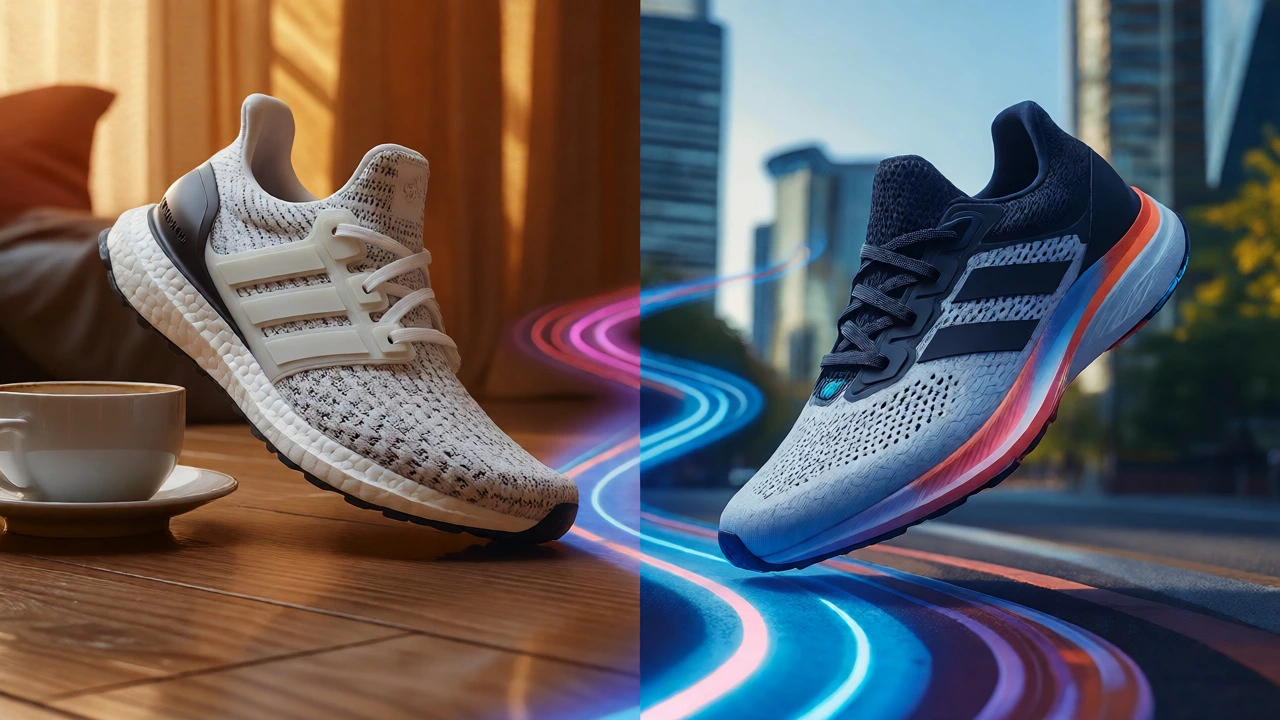
You’re standing in a shoe store or scrolling through an online catalog, staring at a pair of adidas sneakers that look sleek but feel like they belong on a runway rather than a trail. The question hits you: are these actually good for running, or just fashion statements with cushioning?
Here’s the short answer: yes, but it depends entirely on which model you pick. Adidas has spent the last decade shifting from lifestyle-focused designs to serious performance engineering. They aren’t just making shoes for walking to the coffee shop anymore; they’re competing directly with Nike and New Balance in the elite marathon space. But if you grab the wrong pair, you’ll end up with blisters by mile three.
The Short Answer: Key Takeaways
- For Daily Training: Look at the Ultraboost line. It’s durable, comfortable, and handles high mileage well.
- For Speed & Racing: Check out the Adizero series, especially models with Lightstrike Pro foam. These are lightweight and fast.
- For Beginners: Stick to neutral daily trainers. Avoid aggressive carbon-plated racers until you’ve built up some strength.
- Fitting Tip: Adidas tends to run slightly narrower than competitors like Brooks or ASICS. If you have wide feet, size up or look for "wide" variants.
Breaking Down the Tech: What Makes Them Tick
To understand if these shoes work for you, you need to know what’s under the hood. Adidas doesn’t use one type of foam; they have a whole menu of technologies designed for different purposes. Think of it like choosing fuel for your car-you wouldn’t put racing gasoline in a family SUV.
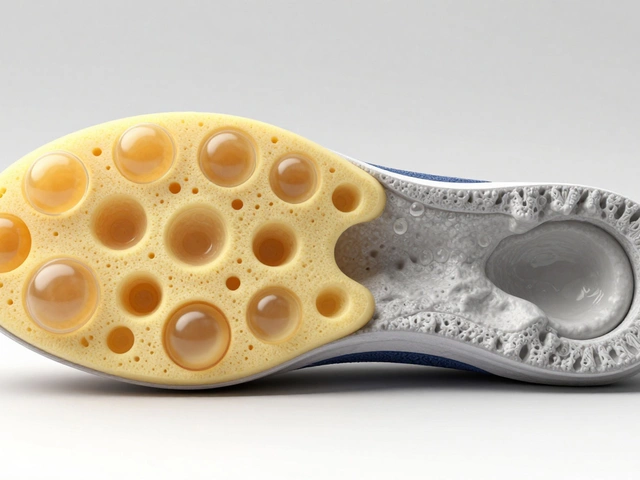
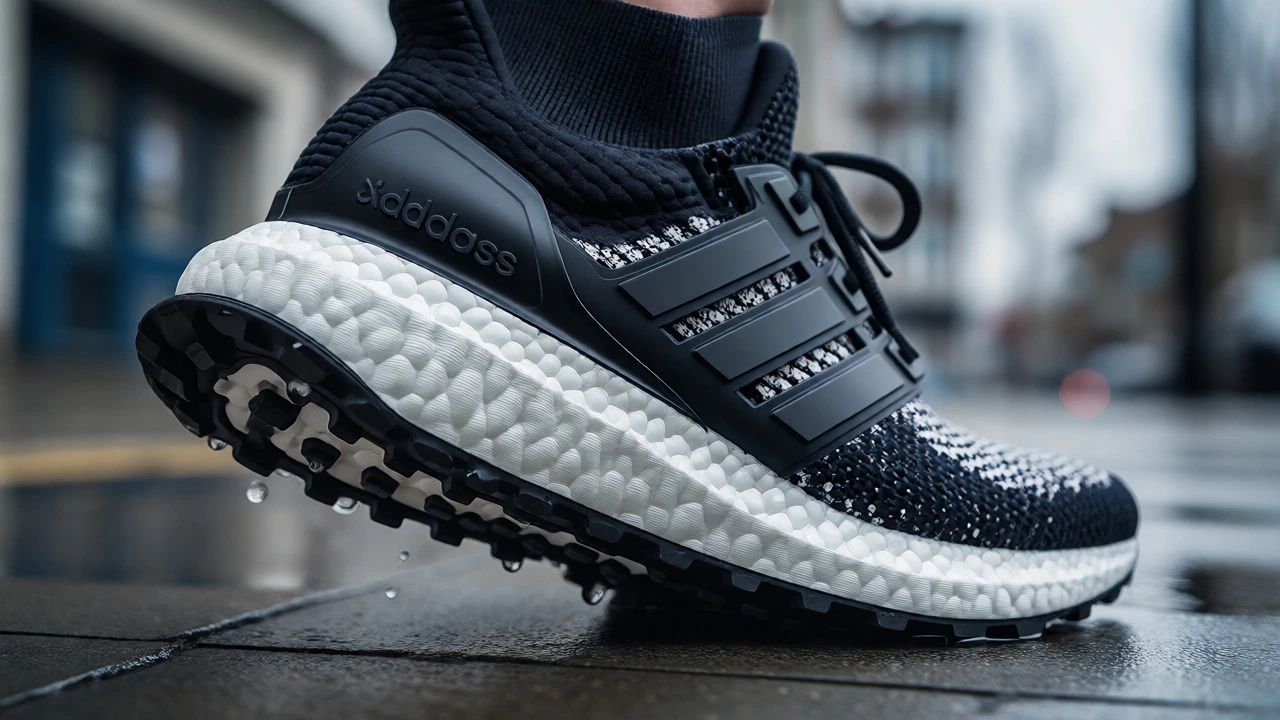
The most famous material is Boost. You’ve probably seen those little white pellets compressed together in the sole. This is thermoplastic polyurethane (TPU) expanded into beads. Unlike traditional EVA foam, which compresses and dies over time, Boost returns energy. When you hit the pavement, it springs back. It’s heavy, though. That weight is the trade-off for the bounce.
Then there’s Lightstrike. This is their newer, lighter alternative. It’s less bouncy than Boost but significantly lighter and more responsive. For runners who care about speed, this is often the better choice because you’re lifting less dead weight with every step. The top-tier version, Lightstrike Pro, adds nitrogen infusion for even more energy return without adding mass.
| Technology | Best For | Feel | Weight Profile |
|---|---|---|---|
| Boost | Daily jogging, comfort walks | Soft, pillowy, stable | Heavier |
| Lightstrike | Tempo runs, gym workouts | Firm, responsive | Medium-Light |
| Lightstrike Pro | Racing, interval training | Bouncy, energetic | Very Light |
The Ultraboost: Is It Actually a Runner?
Let’s address the elephant in the room. The Ultraboost is arguably the most recognizable running shoe on the planet. People wear them to brunch, to work, and yes, to the track. But is it a true runner?
I’ve logged hundreds of miles in various Ultraboost iterations. Here’s the reality: it’s a fantastic recovery and easy-day shoe. The upper is made of Primeknit, a sock-like fabric that wraps your foot snugly. It breathes well and adapts to your foot shape. The heel counter is stiff enough to keep you aligned, but not so rigid that it digs in.
However, don’t take an Ultraboost to a half-marathon race unless you love suffering slowly. The midsole is thick and soft. While that feels great at 5:00 PM after a long day at the office, it absorbs too much energy when you’re trying to push pace. You’ll feel sluggish around mile five. Use it for your Sunday long jog or post-workout cool-downs. It protects your joints and keeps you comfortable, which is exactly what you want on easy days.
Adizero: Where the Speed Lives
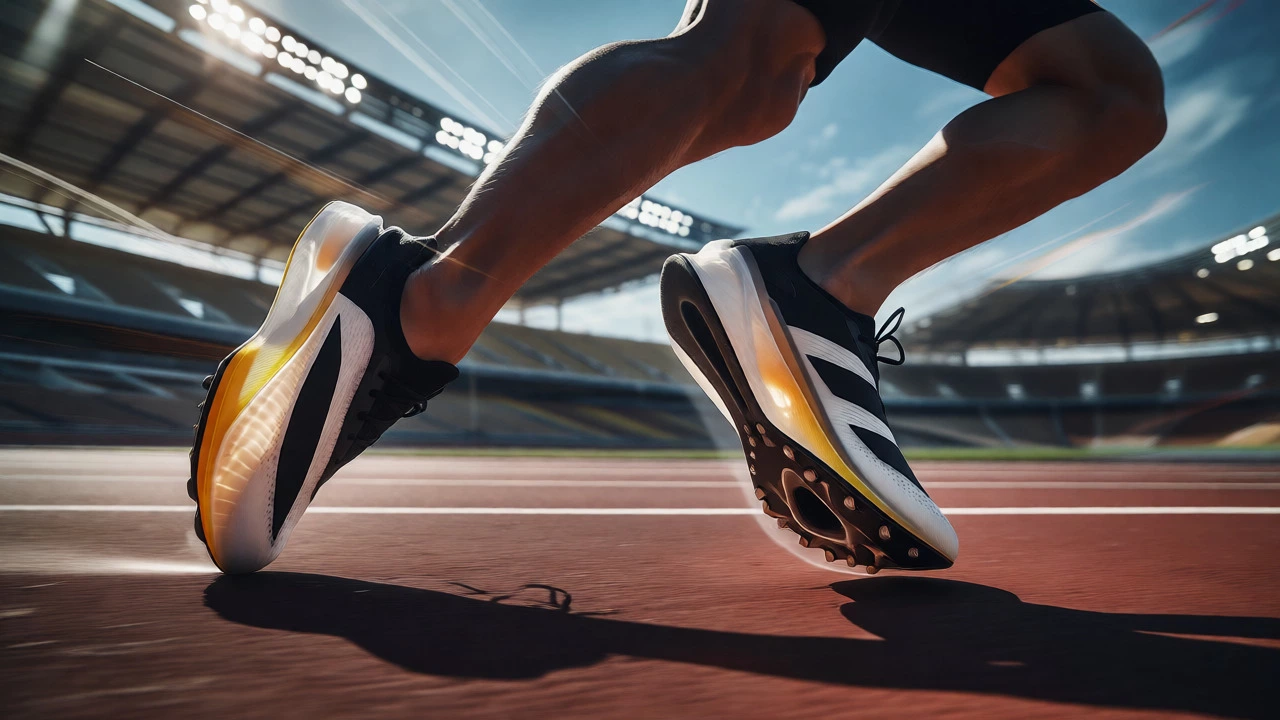
If you want to see where Adidas gets serious about performance, look at the Adizero line. This is where they challenge the dominance of other brands in competitive circles.
Take the Adizero Adios Pro as an example. This shoe features carbon rods embedded in the midsole. These rods act like levers, propelling you forward with each stride. The stack height is high-over 30mm in the heel-which provides massive cushioning while keeping the weight surprisingly low. Elite athletes wear these to break world records. You can wear them to break your personal best, provided you have the leg strength to handle the instability.
For most recreational runners, the Adizero Boston might be a smarter buy. It uses a mix of Boost and Lightstrike. It’s tougher than the pure racers but faster than the Ultraboost. It has a firmer ride, which helps with stability during tempo runs. If you’re looking for one shoe to do everything except sprint intervals, the Boston is a solid contender.
Fit and Sizing: The Calgary Cold Test
Sizing is where many people get burned. I live in Calgary, where winter runs mean dealing with cold toes and sometimes icy conditions. Shoe fit changes when you add thermal socks.
Adidas generally runs true to length but narrow in the forefoot. If you have splayed toes or bunions, standard Ultraboosts might feel tight after 30 minutes. I recommend trying them on in the evening when your feet are naturally swollen from the day’s activity. If you’re between sizes, go up half a size. There should be a thumb’s width of space between your longest toe and the end of the shoe.
Also, consider the climate. In wet conditions, mesh uppers soak up water instantly. Some newer models feature water-repellent treatments, but they aren’t waterproof boots. If you run in rain frequently, look for models with Gore-Tex membranes, usually labeled with a "GTX" suffix. They cost more, but dry socks are worth every penny when the temperature drops below freezing.
Pros and Cons: A Balanced View
No shoe is perfect. Here’s what you need to weigh before spending $180+ on a new pair.
Why You Should Buy Adidas
- Durability: The Continental rubber outsoles are legendary for grip. Even on wet pavement, they hold traction better than many competitors’ generic rubber compounds.
- Style: Let’s be honest, they look good. You can wear them off-duty without feeling like you’re still at the gym.
- Variety: From maximalist cushioning to minimalist flats, they cover all bases.
Why You Might Hesitate
- Price: Top-tier models like the Adios Pro are expensive. And unlike some brands, sales are rare and shallow.
- Narrow Fit: As mentioned, the narrow toe box isn’t for everyone.
- Overkill for Beginners: Buying a carbon-plated racer as your first shoe is a waste of money. You won’t benefit from the tech yet.
How to Choose Your Pair
Don’t just buy based on colorways. Match the shoe to your current training phase.
- Identify Your Goal: Are you training for a 5K, running daily for health, or preparing for a marathon?
- Pick the Category:
- Daily Trainer: Ultraboost or Solarboost.
- Speed Work: Adizero Boston or Takumi Sen.
- Racing: Adizero Adios Pro.
- Check the Drop: Most Adidas shoes have an 8-10mm drop (difference between heel and toe height). If you’re used to zero-drop shoes, transition slowly to avoid calf strain.
- Try Before You Buy: If possible, run in the store. Walk briskly. Do a few high knees. Feel how the heel locks in.
Remember, the "best" shoe is the one that lets you run consistently without injury. Adidas makes excellent products, but only if they match your biomechanics and goals. Start with a reliable daily trainer, log some miles, and then experiment with speed models once you’ve built a base.
Are adidas running shoes suitable for beginners?
Yes, particularly models like the Ultraboost or Duramo. They offer high levels of cushioning and stability, which help protect joints while your body adapts to the impact of running. However, beginners should avoid highly specialized racing shoes with carbon plates, as these require stronger muscles to control.
Do adidas shoes run big or small?
Adidas typically runs true to length but narrow in width. Many runners find they need to size up by half a size to accommodate wider feet or thicker socks. Always try them on later in the day when feet are slightly swollen for the most accurate fit.
What is the difference between Boost and Lightstrike?
Boost is heavier but offers superior energy return and durability, making it ideal for daily comfort. Lightstrike is lighter and firmer, providing a more responsive feel suited for faster paces and tempo runs. Lightstrike Pro is an advanced version that combines lightness with high energy return.
Can I use adidas Ultraboost for marathons?
You can, but it may not be optimal for racing. The Ultraboost is soft and protective, which is great for long distances, but its weight and energy absorption can make it feel sluggish when pushing hard. Many runners prefer lighter models like the Adizero Boston for long-distance races.
How long do adidas running shoes last?
Most adidas running shoes last between 300 to 500 miles depending on usage. Boost foam retains its properties longer than traditional EVA, so the shoe may feel usable even after the outsole wears down. Replace them when the tread is smooth or you feel increased joint pain.
You might like