What is Sports Footwear? A Practical Guide to Athletic Shoes

Sports Footwear Selector
Not sure which shoe to buy? Answer these questions to find the best category for your needs.
Select your preferences and click "Find My Shoe Match" to see recommendations.
Shoe Category
Description goes here...
You’ve probably stared at a wall of colorful boxes in a store, wondering why one pair costs $80 and another $250. It’s not just branding. Sports footwear is specialized athletic footwear designed to provide support, stability, and protection for specific physical activities. Unlike casual sneakers meant for walking to the coffee shop, these shoes are engineered with distinct materials and structures to handle the unique stresses of movement.
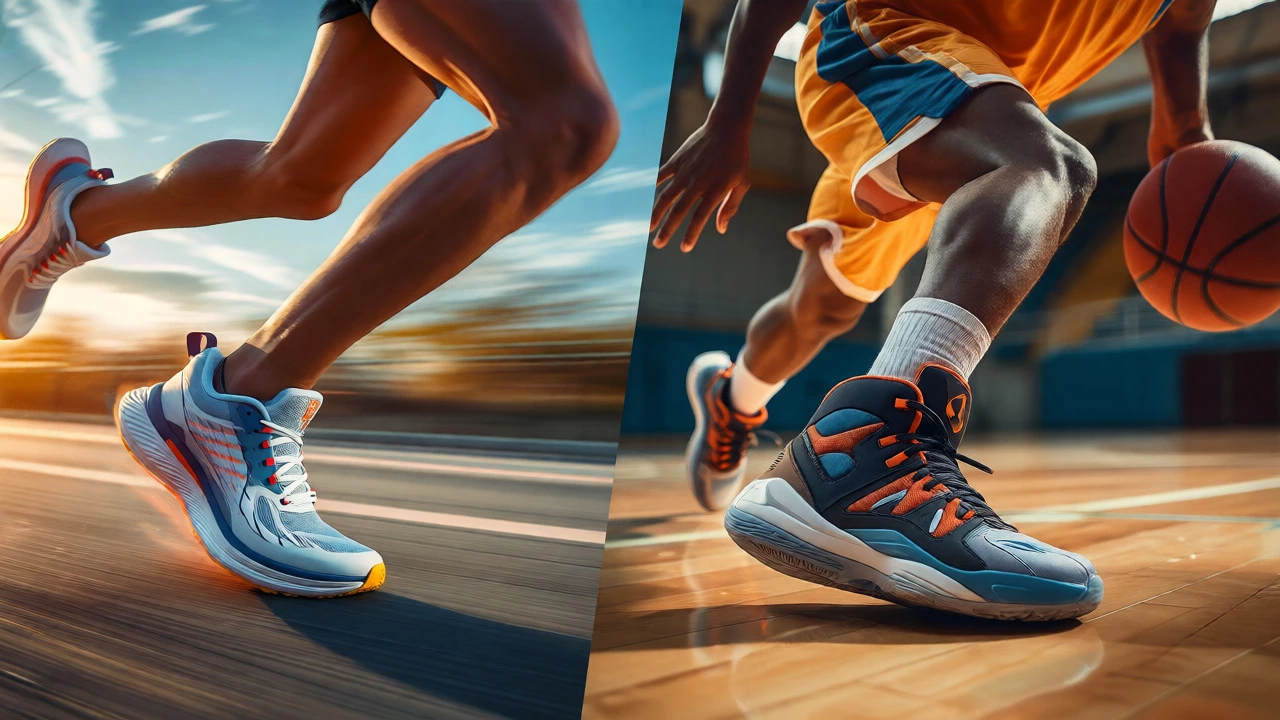
Think about it this way: if you wear basketball shoes for a long-distance run, your feet will pay the price. Why? Because basketball involves lateral (side-to-side) movements and jumping, while running is linear (forward). The shoe needs to match the job. This guide breaks down what actually makes a shoe "sporty," how to pick the right one, and where people commonly go wrong.
The Core Anatomy of Athletic Shoes
To understand sports footwear, you need to know what’s under the hood. Every athletic shoe shares three main components, but their composition changes based on the sport.
- The Upper: This is the part that holds your foot. In lightweight runners, it’s often mesh for breathability. In soccer cleats or wrestling shoes, it might be synthetic leather for durability and ball feel.
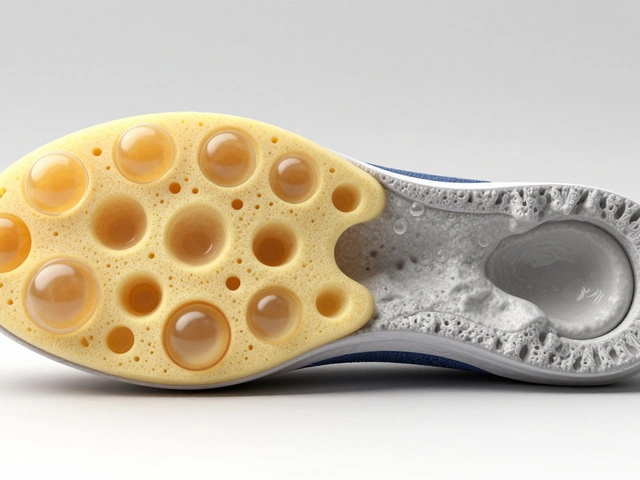
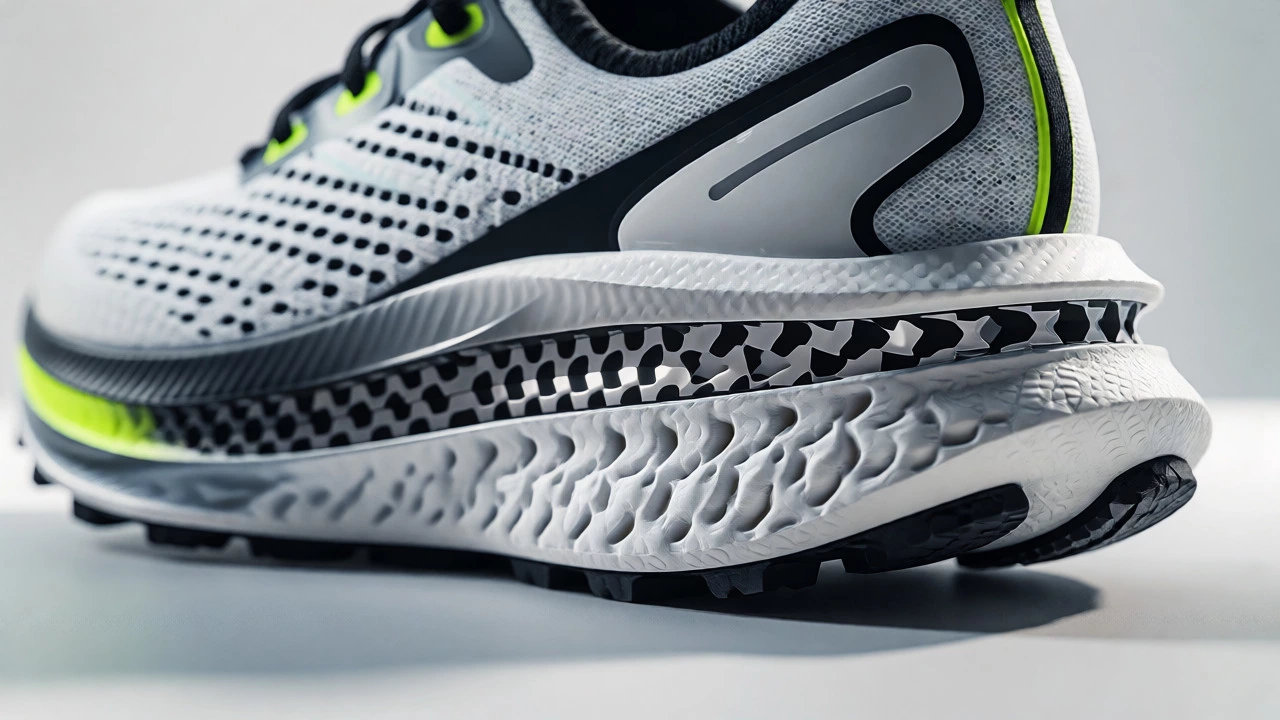
- The Midsole: This is the cushioning layer between the upper and the outsole. It’s usually made from EVA foam, polyurethane, or advanced compounds like Nike’s ZoomX or Adidas’ Boost. Its job is shock absorption and energy return.
- The Outsole: The rubber bottom that touches the ground. The tread pattern here dictates traction. Running shoes have shallow grooves for pavement; trail shoes have deep lugs for mud; indoor court shoes use gum rubber for grip on wood.
Understanding these parts helps you read product descriptions. If a site says "maximalist cushioning," they’re talking about a thick midsole. If they mention "zero-drop," the heel and toe are at the same height, promoting a natural stride.
Why One Shoe Doesn’t Fit All Activities
Your body moves differently depending on the sport. Sports footwear is categorized by these movement patterns. Using the wrong category increases injury risk and hurts performance.
| Sport Category | Movement Pattern | Key Feature | Best For |
|---|---|---|---|
| Running Shoes | Linear forward motion | Heel drop (6-12mm), flexible forefoot | Roads, tracks, treadmills |
| Cross-Trainers | Multidirectional (lateral + forward) | Flat sole, reinforced sides | Gym workouts, HIIT, aerobics |
| Basketball Shoes | Jumping, stopping, cutting | High ankle support, thick cushioning | Hardwood courts |
| Tennis Shoes | Lateral sliding, quick starts | Durable toe drag, low profile | Clay, hard, or grass courts |
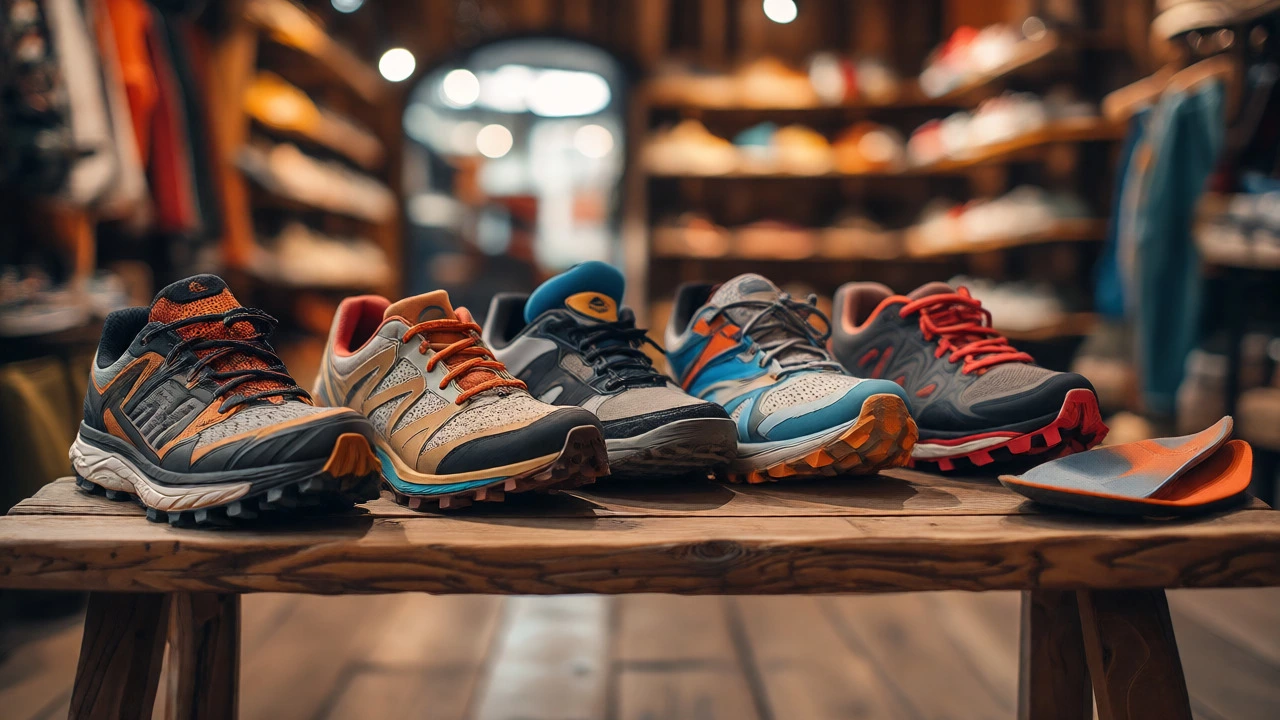
| Trail Runners | Uneven terrain, climbing | Aggressive lugs, rock plates | Hiking trails, mountain paths |
Notice the difference between cross-trainers and running shoes. Cross-trainers have a wider base and stiffer side walls to prevent your ankle from rolling when you do a lateral shuffle. Running shoes are narrow and soft, optimized for efficiency in one direction. Wearing running shoes for weightlifting? Bad idea. The squishy midsole creates instability under heavy loads.
Material Science: What’s Inside Matters
Manufacturers spend millions developing new foams and fabrics. You don’t need a degree in chemistry, but knowing the basics saves money.
EVA Foam: Ethylene-vinyl acetate is the standard. It’s light and cheap. Most budget-friendly shoes use this. It compresses over time, so replace them every 300-500 miles.
TPU Beads: Think Adidas Boost. These thermoplastic polyurethane pellets fuse together to create a springy, durable cell structure. They retain bounce longer than EVA but add weight.
Carbon Fiber Plates: Popular in marathon racing shoes. A stiff plate embedded in the midsole acts as a lever, propelling you forward. It’s efficient but expensive and less stable for casual jogging.
Knit vs. Mesh Uppers: Knit uppers (like Flyknit) hug the foot like a sock, reducing blisters. Traditional mesh offers better ventilation in hot climates. If you sweat heavily, prioritize airflow. If you have bunions, knit adapts better.
How to Choose the Right Pair for Your Feet
Brand loyalty is nice, but fit is king. Here’s a practical checklist before you buy:
- Know Your Arch Type: Wet test your foot. If you see a full footprint, you likely have flat feet (overpronation). Look for "stability" or "motion control" shoes. High arches? You need "neutral" or "cushioned" shoes to absorb impact since your feet don’t roll inward enough.
- Size Up Half a Size: Feet swell during exercise. Leave a thumb’s width of space between your longest toe and the shoe’s end. Tight toes lead to black nails and neuromas.
- Try Them On Late in the Day: Your feet are largest after being upright all day. Morning fittings often result in tight evening pain.
- Bring Your Socks: Wear the socks you’ll actually train in. Thick wool hiking socks change the fit completely compared to thin running liners.
Don’t rely solely on online reviews. A shoe that works for a friend with wide feet might pinch yours. If possible, visit a specialty store for a gait analysis. Many local shops offer this free service. They’ll film you running on a treadmill and recommend a category based on how your foot strikes the ground.
Common Mistakes People Make
Even experienced athletes mess up their gear selection. Here are the big ones:
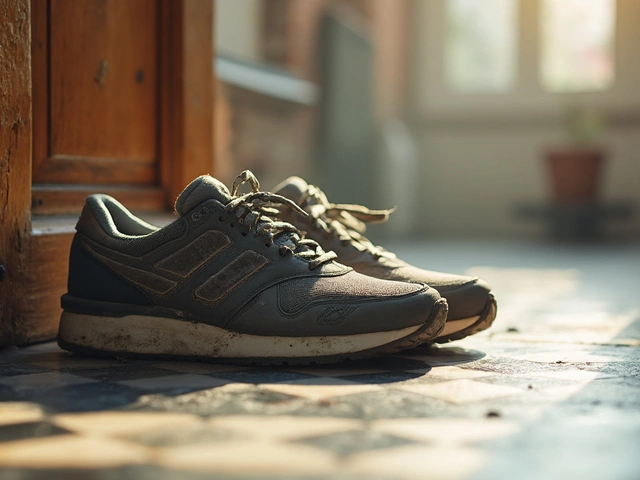
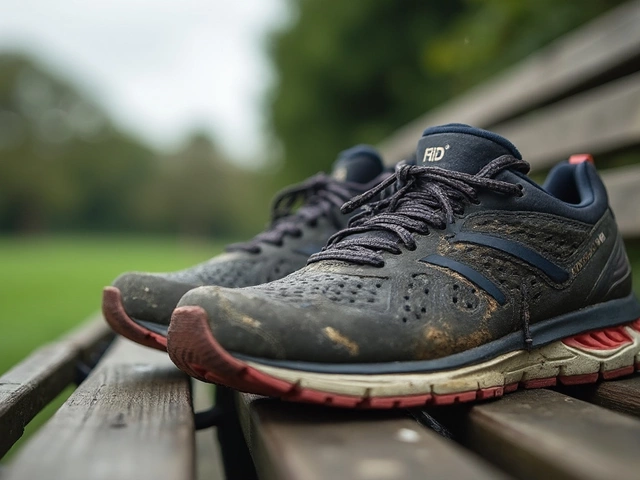
Using Old Shoes for New Goals: That pair of running shoes you bought five years ago? The foam is dead. Even if the outsole looks fine, the midsole has compressed and lost its shock-absorbing properties. Running in worn-out shoes sends more impact to your knees and hips.
Ignoring Sport-Specific Needs: Playing pickleball in running shoes? You’re risking an ankle sprain. Pickleball requires rapid lateral stops. Running shoes lack the lateral containment needed for those cuts. Always match the shoe to the dominant movement.
Chasing Trends Over Function: Just because carbon-plated super shoes are popular doesn’t mean you need them for a 5K walk-run. They’re stiff and unstable at slow speeds. Save the high-tech racers for race day or fast intervals.
Maintenance and Lifespan
How long should your sports footwear last? There’s no universal answer, but here are rules of thumb:
- Running Shoes: 300-500 miles. Check the midsole creases. If the foam looks crushed or uneven, it’s done.
- Court Shoes (Tennis/Basketball): Depends on surface abrasiveness. Hard courts eat rubber faster. If the tread pattern disappears, traction drops, increasing slip risk.
- General Gym Trainers: 6-12 months with regular use. Look for delamination (upper separating from sole) or collapsed heels.
Rotate two pairs if you train daily. Letting a pair rest for 24 hours allows the foam to decompress and dry out, extending its life. Never put athletic shoes in the dryer; heat melts adhesives and warps foam.
Final Thoughts on Smart Buying
You don’t need the most expensive gear to stay healthy. You need the *right* gear. Start by identifying your primary activity. Then, assess your foot mechanics. Finally, test the fit in person. Sports footwear is an investment in your mobility. Treat it with the same seriousness as your training plan.
Can I use running shoes for walking?
Yes, generally speaking. Running shoes are designed for forward motion, which aligns with walking. However, if you walk primarily for fitness on uneven terrain, consider trail walkers or hiking shoes for better stability and grip. Road running shoes work perfectly fine for gym walks or treadmill sessions.
Are expensive sports footwear brands worth it?
Not always. Premium prices often reflect R&D into new foam technologies or limited-edition aesthetics. A mid-range shoe from a reputable brand often provides 90% of the performance of a top-tier model. Focus on fit and function rather than price tags or hype.
How do I clean my athletic shoes?
Remove the insoles and laces. Brush off dry dirt. Mix mild soap with warm water and scrub gently with a soft brush. Rinse with a damp cloth-do not submerge them unless the manufacturer says it’s safe. Air dry away from direct sunlight or heaters. Stuffing them with newspaper helps maintain shape and absorbs moisture.
What is the difference between neutral and stability shoes?
Neutral shoes are for runners whose feet land evenly and don’t roll inward excessively. Stability shoes feature firmer foam or posts on the inner side to correct overpronation (when the foot rolls inward too much). Choosing the wrong type can lead to shin splints or knee pain.
Do I need different shoes for different seasons?
In extreme climates, yes. Winter trail runners may have waterproof membranes (like Gore-Tex) and deeper lugs for snow. Summer road shoes prioritize breathable mesh to keep feet cool. For moderate climates, one versatile pair usually suffices year-round.
You might like