What Sports Use Protective Equipment? A Complete Safety Guide

Sports Protective Equipment Guide
You step onto the field, court, or ring. The adrenaline hits. But before you can focus on winning, there’s another critical layer to your game: staying safe. Whether you are a weekend warrior playing pickup basketball or a professional athlete competing at the highest level, understanding what sports use protective equipment is not just about following rules-it’s about preserving your body for the long haul.
Many people assume that only violent contact sports require heavy gear. While rugby and boxing certainly demand robust protection, high-speed activities like cycling and even precision sports like archery rely heavily on specialized equipment to prevent catastrophic injuries. Ignoring these requirements doesn’t make you tougher; it makes you vulnerable to concussions, fractures, and chronic pain that can end a career-or a hobby-overnight.
The Non-Negotiables of High-Contact Sports
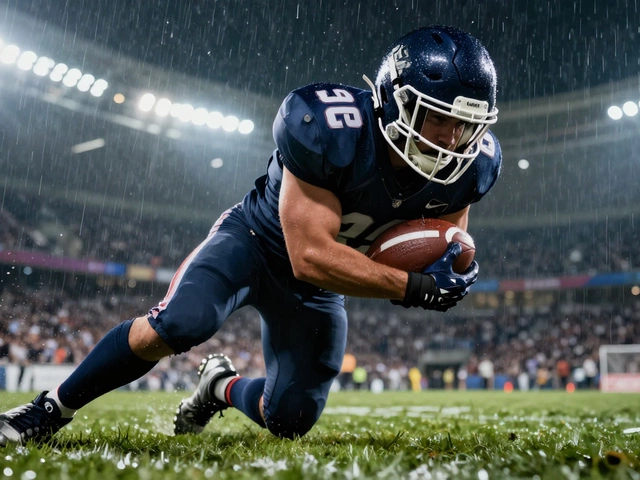
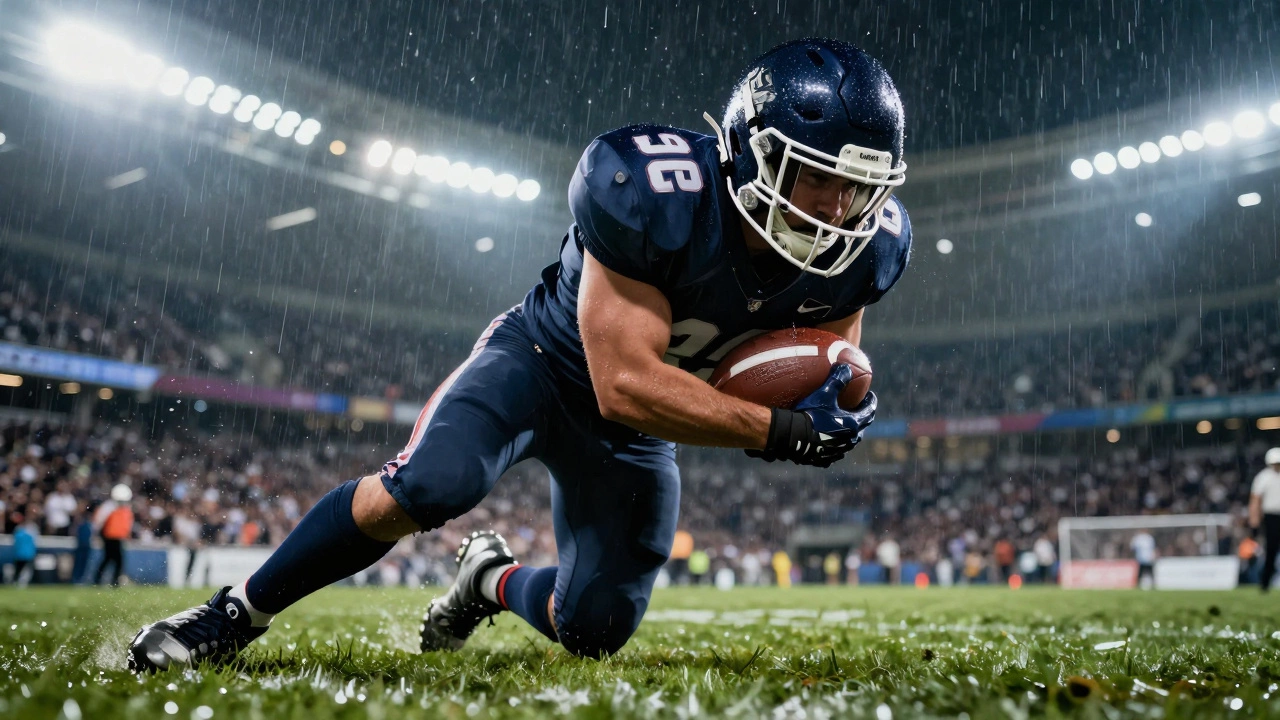
When we talk about protective sports equipment, our minds often jump to the gridiron or the boxing ring. These are collision sports where impact is inevitable. In American football, for instance, the helmet is the most visible piece of gear, but it is part of a larger system. Players wear shoulder pads to absorb blunt force trauma to the torso and ribs, while thigh and knee pads protect against turf burns and direct impacts from other players.
Rugby presents a different challenge. Unlike football, rugby players do not wear hard-shell helmets or bulky padding. Instead, they rely on soft-headgear (scrum caps) primarily to prevent ear hematomas (cauliflower ear) and minor scalp abrasions. The real protection in rugby comes from the mouthguard, which is mandatory in most leagues. It protects teeth and helps reduce the risk of jaw fractures and concussions by cushioning the shock transmitted through the skull during collisions.
| Sport | Primary Hazard | Mandatory Equipment | Optional/Recommended |
|---|---|---|---|
| American Football | High-impact collisions | Helmet, Shoulder Pads, Mouthguard | Knee/Thigh Pads, Hip Pads |
| Rugby | Scrum pressure, tackles | Mouthguard | Scrum Cap, Soft Padding |
| Boxing/MMA | Punches, kicks, falls | Gloves, Mouthguard, Groin Guard | Headgear (sparring), Shin Guards |
| Lacrosse | Stick checks, ball impact | Helmet, Gloves, Mouthguard | Jersey Padding, Thigh Guards |
In combat sports like boxing and Mixed Martial Arts (MMA), the face and hands are under constant threat. Boxers wear padded gloves not just to protect their opponents, but to save their own knuckles from breaking upon impact with a skull. Mouthguards are equally critical here. Without them, a single stray punch can shatter teeth or dislocate a jaw. For MMA fighters, shin guards are essential during training to protect against repetitive kick impacts, while groin guards are a non-negotiable standard for male athletes.
Speed Demands Armor: Cycling and Motorsports
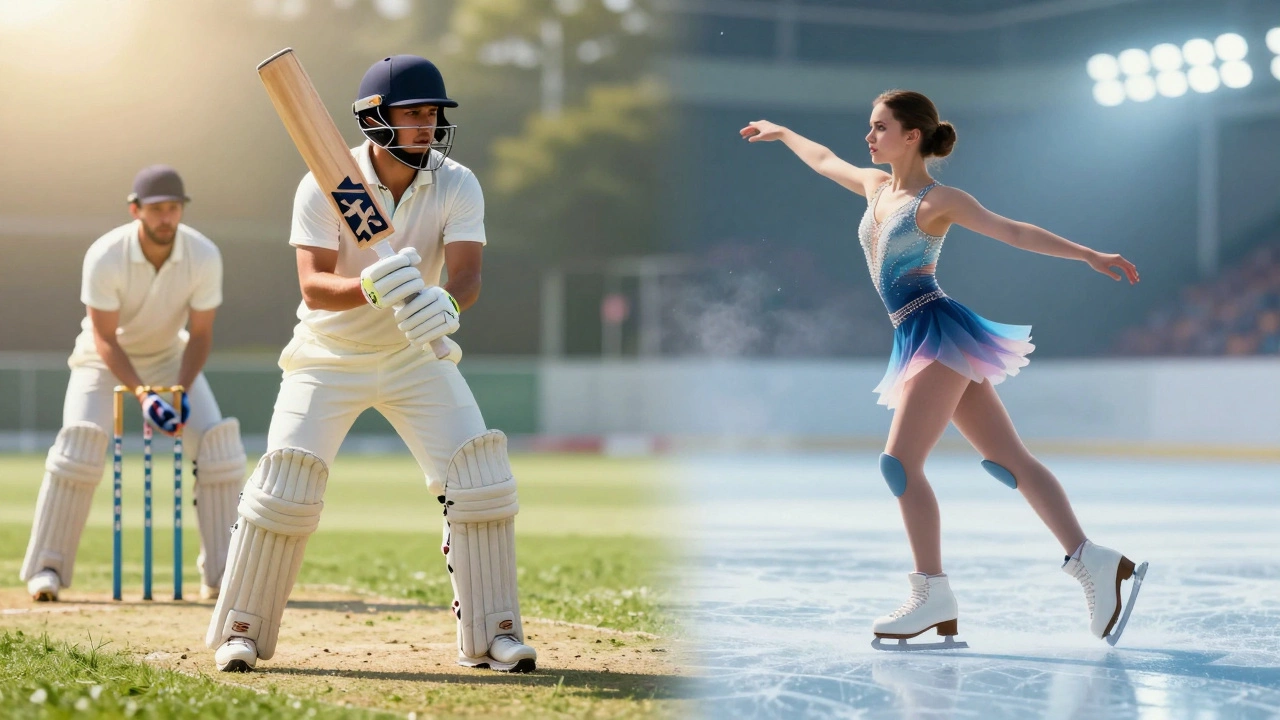
If contact sports are about absorbing impact from other bodies, speed sports are about surviving impact with the ground or objects. In cycling, the helmet is arguably the most important piece of safety gear ever invented for recreational athletes. A bicycle helmet uses expanded polystyrene (EPS) foam to crush upon impact, dissipating energy that would otherwise travel to the brain. This simple mechanism reduces the risk of head injury by up to 85%.
Beyond the helmet, modern cycling gear has evolved significantly. Knee and elbow pads are common in mountain biking and BMX riding, where falls are frequent and surfaces are rough. Eye protection is also crucial; wind, debris, and insects can distract a rider mid-descent, leading to loss of control. Some cyclists also wear arm sleeves with padding to protect against road rash-the painful abrasion caused by sliding across asphalt.
Motorcycle racing takes this concept further. Riders wear full-body leather suits reinforced with Kevlar or carbon fiber armor at the shoulders, elbows, knees, and back. These suits are designed to slide without tearing, reducing friction burns. The helmet in motorsports is far more complex than a bike helmet, featuring multi-layered composite shells and advanced retention systems to withstand speeds exceeding 180 mph. Even in auto racing, drivers wear HANS devices (Head and Neck Support) to prevent basilar skull fractures during sudden deceleration.
Projectile Sports: Protecting Against Flying Objects
Not all danger comes from collisions or crashes. In projectile sports, the threat is a small, fast-moving object aimed directly at you. Baseball and softball players face 90+ mph pitches and line drives. Catchers wear the most extensive gear: a helmet with a face mask, chest protector, and shin guards. Batters wear batting helmets with ear flaps to protect against foul tips and wild pitches. Fielders may wear sliding shorts with built-in padding to protect hips and thighs when diving for balls.
Archery might seem low-risk, but it involves shooting arrows near human beings. Archers wear arm guards on their bow arm to prevent the string from slapping the forearm, which can cause bruising and blisters. Finger tabs or gloves protect the drawing hand from the nock of the arrow. Face masks are also used to protect against accidental string slap to the cheek.
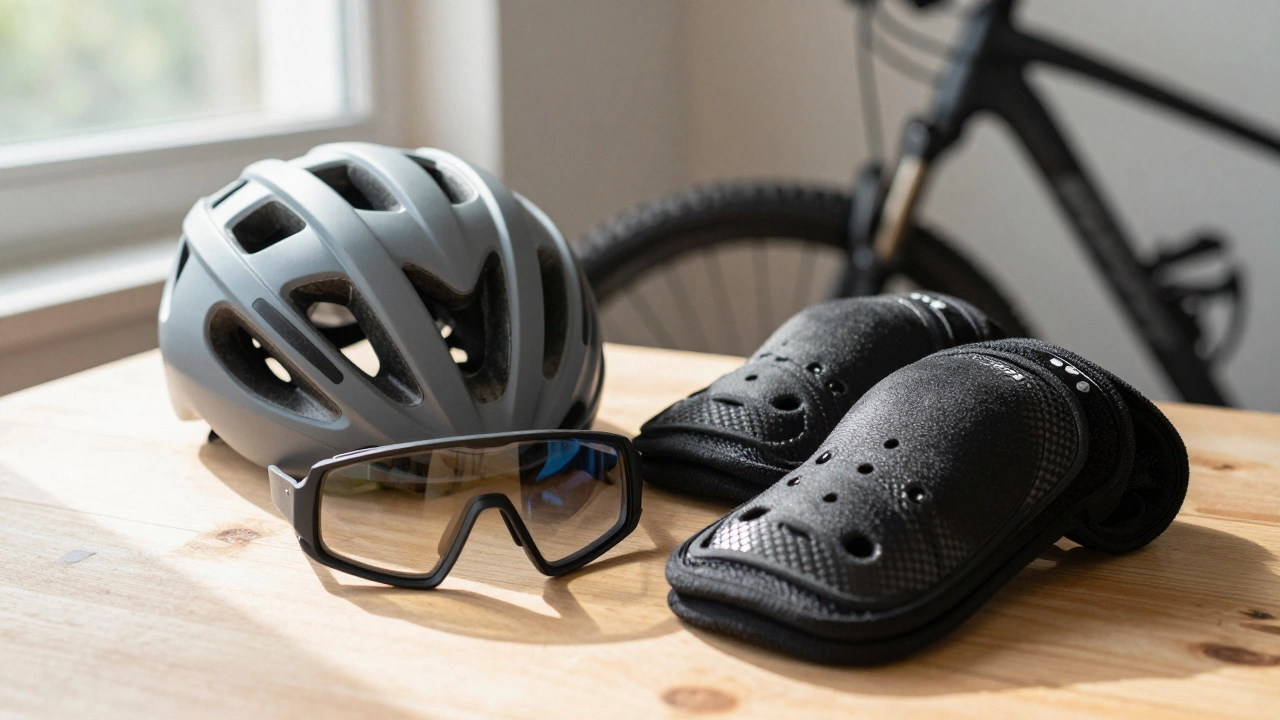
In cricket, batsmen face deliveries that can reach 90 mph. They wear padded leg guards (pads), gloves with thick padding, and helmets with grille faces. Wicketkeepers, who stand close to the batter, wear similar gear plus a large chest protector and thigh guards to block missed shots and deflections.
Court Sports: Sliding, Falling, and Accidental Contact
Court sports like basketball, volleyball, and tennis are often perceived as low-risk regarding protective gear. However, the nature of these sports involves jumping, landing, and occasional collisions. Ankle braces are widely used in basketball to support joints prone to sprains during lateral movements. Knee sleeves provide compression and warmth, helping to manage patellar tendonitis-a common overuse injury among jumpers.
In volleyball, floor burn is a real issue. Players often wear knee pads to protect against repeated dives and rolls on hard courts. Tennis players frequently use wrist supports and elbow braces to mitigate tennis elbow (lateral epicondylitis). While not mandatory, these supportive devices allow athletes to continue playing through minor discomfort and prevent acute injuries.
Ice hockey combines elements of contact and speed. Players wear helmets with full-face cages or shields, thick padded jerseys, shoulder pads, elbow pads, gloves, shin guards, and specialized skates. The combination of high speed, hard ice, and sticks creates a hazardous environment where comprehensive coverage is essential.
Water and Winter Sports: Environmental Hazards
Swimming seems safe, but water sports introduce unique risks. Water polo players wear soft caps with ear plugs to prevent swimmer’s ear and minor head bumps during aggressive gameplay. In open-water swimming, wetsuits provide thermal protection, preventing hypothermia in cold conditions. Life jackets are mandatory in many rowing and kayaking competitions to ensure buoyancy if capsized.
Winter sports present extreme environmental hazards. Skiers and snowboarders wear helmets to protect against head trauma from falls or collisions with trees. Goggles are essential not just for style, but to protect eyes from UV reflection off snow, which can cause snow blindness. Warm clothing layers prevent frostbite and maintain muscle flexibility, reducing the risk of strains.
In figure skating, costumes may look delicate, but skaters often wear hidden padding on hips and knees. Ice dancers and competitive skaters fall frequently during practice, and repeated impacts can lead to bruises and contusions. Proper footwear-ice skates with sturdy boots-is also a form of protective equipment, providing ankle support on a slippery surface.
Choosing the Right Gear: Fit and Certification Matter
Having protective equipment is useless if it doesn’t fit correctly. A loose helmet can shift during impact, failing to protect the head. Tight gloves can restrict circulation and dexterity. When selecting gear, always check for certification standards. Look for labels from organizations like NOCSAE (National Operating Committee on Standards for Athletic Equipment) for helmets and pads, or CE marking for European products.
Replace gear regularly. Helmets lose effectiveness after a significant impact, even if no damage is visible. EPS foam compresses permanently. Mouthguards degrade over time and should be replaced every season or sooner if cracked. Regular inspection ensures that your equipment performs as intended when you need it most.
FAQ: Common Questions About Sports Protection
Is a mouthguard necessary for non-contact sports?
Yes, especially in sports with a risk of falling or accidental collisions, such as skateboarding, skiing, or basketball. Mouthguards protect teeth and reduce concussion risk by cushioning jaw impacts.
How often should I replace my sports helmet?
Replace your helmet immediately after any significant impact. Even if it looks fine, the internal foam may be compromised. Generally, manufacturers recommend replacing helmets every 3-5 years due to material degradation.
Do I need shin guards for soccer if I’m not a goalkeeper?
Shin guards are mandatory in organized soccer for all players. They protect against kicks, stomps, and accidental collisions. Goalkeepers wear thicker, padded versions, but outfield players must still wear approved shin guards.
Can I use generic knee pads for volleyball?
While generic pads offer some protection, volleyball-specific knee pads are designed to stay in place during dynamic movements and provide better cushioning for diving. Generic pads may slip or lack adequate thickness.
Are eye guards required in racquetball?
Eye protection is highly recommended and often mandatory in clubs. Racquetballs travel at high speeds and can cause serious eye injuries. Polycarbonate lenses provide impact resistance without fogging easily.
You might like