Build Your Balanced Workout Routine
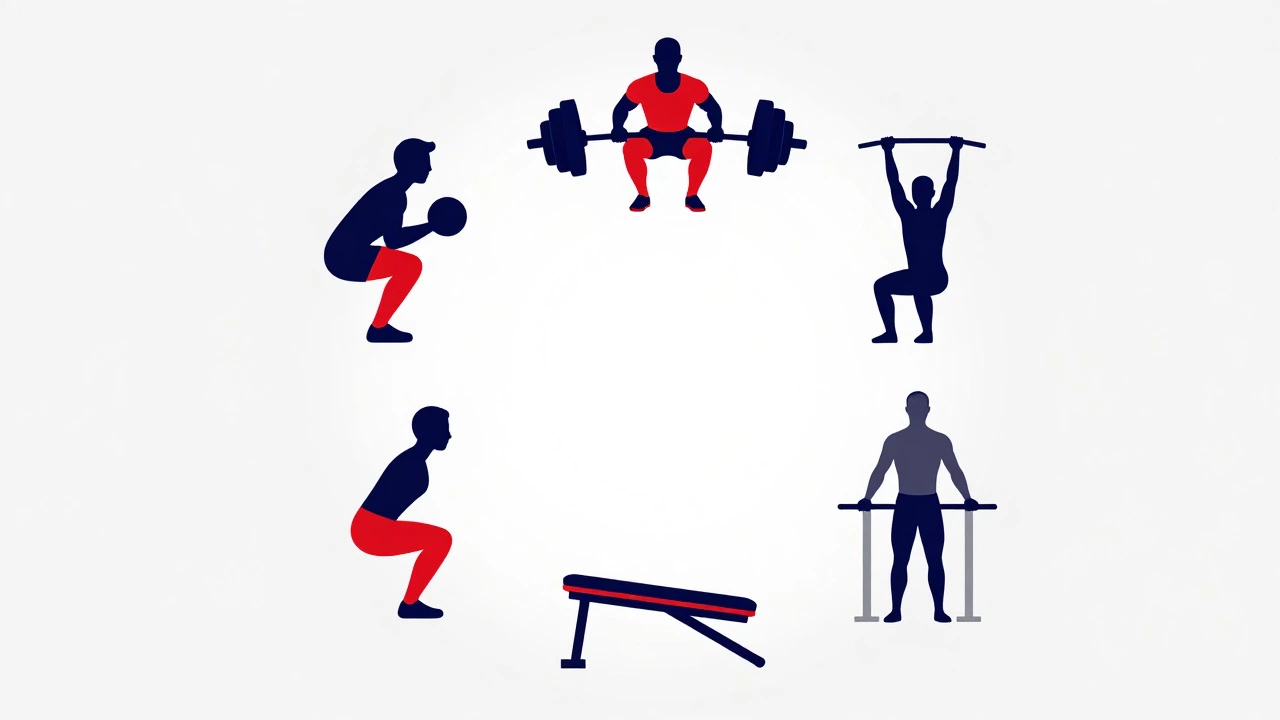
Select exercises to build your personalized routine. Aim for a balanced mix of pushing, pulling, and leg movements.
Squat
Knee-Dominant HingeDeadlift
Hip-Dominant HingeBench Press
Horizontal PushOverhead Press
Vertical PushBent-Over Row
Horizontal PullPull-Up
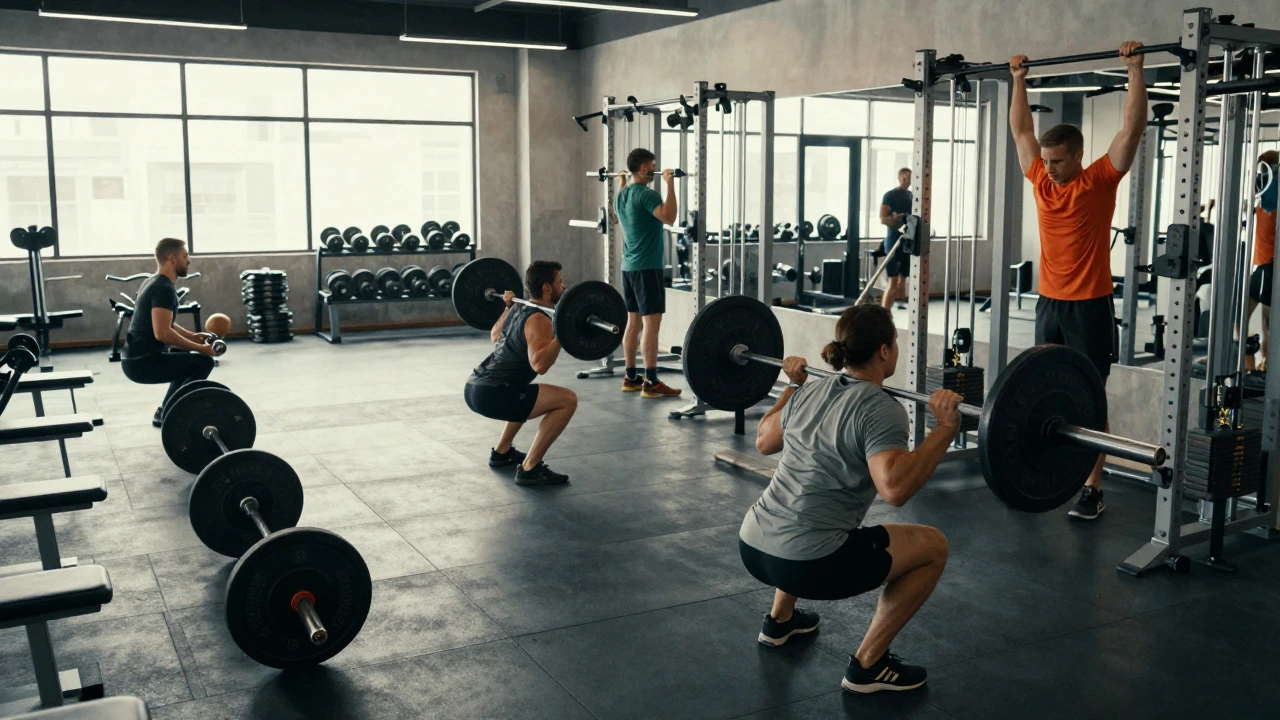
Vertical PullWalking into a gym can feel like stepping onto a spaceship. There are machines with levers that go everywhere, cables pulling in mysterious directions, and racks of iron plates stacked like Tetris blocks. If you’re new to lifting weights, the noise and the equipment can be overwhelming. You might wonder where to start or what actually matters.
The truth is simple: you don’t need every machine to get strong. In fact, relying too much on isolation machines often slows down your progress. The most effective workouts are built around six fundamental movements. These are called compound exercises. They work multiple joints and muscle groups at once, giving you the best return on your time and effort.
Mastering these six basics will build a foundation that supports everything else you do in the gym. Let’s break them down one by one, so you know exactly how to perform them safely and effectively.
1. The Squat: Building Lower Body Power
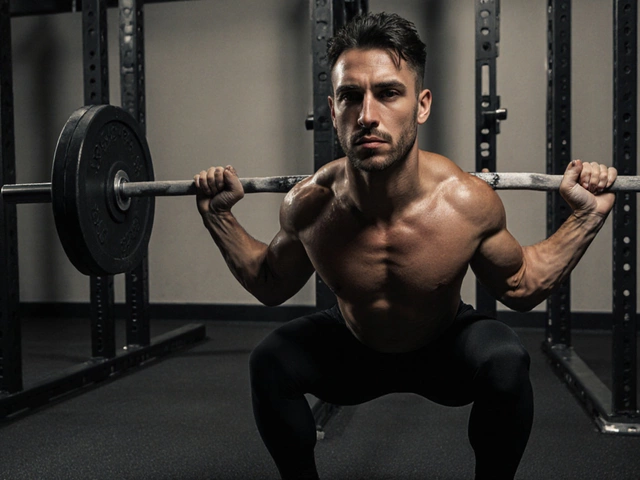
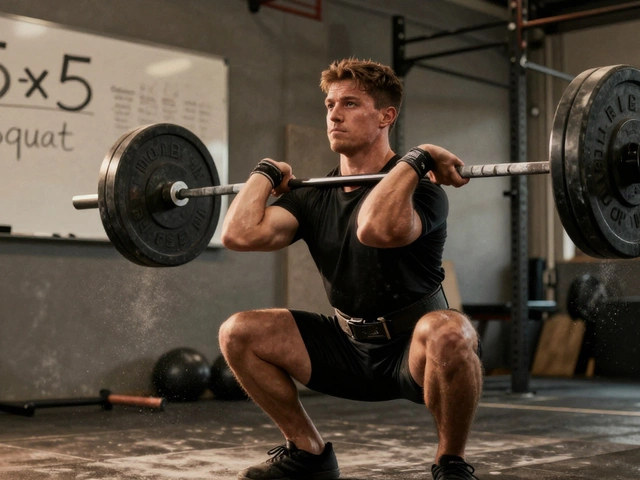
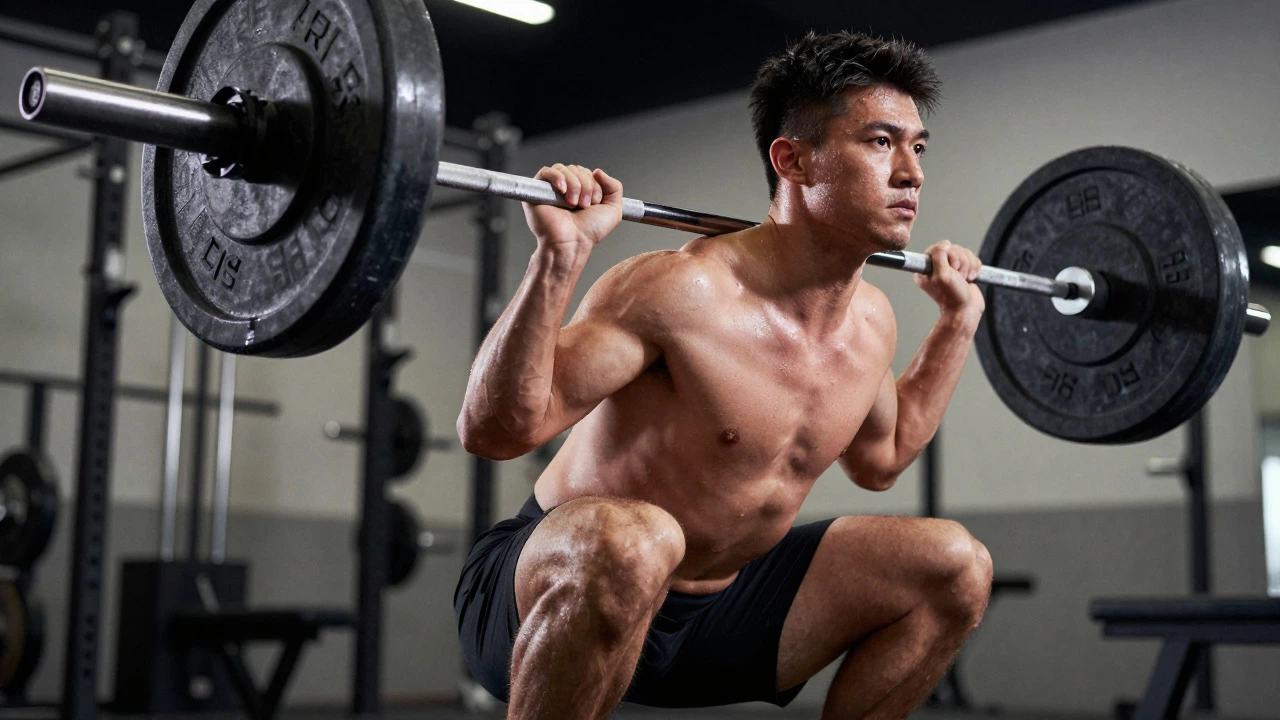
The squat is often called the king of exercises for good reason. It builds serious strength in your legs and hips while engaging your core to keep you stable. When done correctly, it improves balance and functional movement patterns used in daily life.
To perform a barbell back squat:
- Stand with your feet shoulder-width apart, toes slightly turned out.
- Place the barbell across your upper back (high bar) or rear deltoids (low bar), gripping the rack securely.
- Unrack the weight by taking a few steps back, keeping your chest up and shoulders tight.
- Inhale deeply, brace your core, and push your hips back as if closing a car door with your butt.
- Bend your knees and lower your body until your thighs are at least parallel to the floor.
- Drive through your heels to stand back up, exhaling at the top.
A common mistake is letting your knees cave inward. Keep them pushing out in line with your toes. Another error is rounding your lower back; maintain a neutral spine throughout the movement. Start with just the barbell to perfect your form before adding weight.
2. The Deadlift: Total Body Strength
If the squat is the king, the deadlift is the queen. This exercise teaches you how to lift heavy objects off the ground safely-a skill you’ll use for life, whether moving furniture or picking up groceries. It recruits more muscle fibers than almost any other movement.
Here is how to execute a conventional deadlift:
- Stand with your mid-foot under the barbell, hips hinged back, and shins touching the bar.
- Bend your knees and grasp the bar with hands just outside your knees.
- Set your shoulders over the bar, chest up, and back flat. Engage your lats by imagining squeezing oranges in your armpits.
- Push the floor away with your feet, extending your hips and knees simultaneously to lift the bar.
- Keep the bar close to your body as it rises past your knees.
- At the top, stand tall without leaning back. Reverse the motion to lower the weight under control.
Never round your back during a deadlift. If you can’t keep your spine neutral, reduce the weight. A rounded back under load is a recipe for injury. Focus on smooth, controlled movements rather than jerking the weight up.
3. The Bench Press: Upper Body Pushing Power
You can’t talk about basic gym exercises without mentioning the bench press. It’s the standard measure of upper body pushing strength. Beyond aesthetics, a strong bench press helps protect your shoulders and improves performance in sports that require pushing power.
Steps for a proper bench press:
- Lie on the bench with your eyes directly under the barbell. Plant your feet firmly on the floor.
- Grip the bar slightly wider than shoulder-width. Unrack the bar and hold it over your chest with arms locked out.
- Retract your shoulder blades-pull them down and back-to create a stable base.
- Lower the bar slowly to your mid-chest (around nipple line), keeping elbows at a 45-degree angle to your torso.
- Press the bar back up explosively but under control.
Don’t bounce the bar off your chest. That uses momentum instead of muscle. Also, avoid flaring your elbows out to 90 degrees, which puts excessive stress on the shoulder joints. Think of tucking your elbows slightly toward your ribs.
4. The Overhead Press: Vertical Pushing Strength
While the bench press handles horizontal pushing, the overhead press covers vertical pushing. This movement is crucial for shoulder health and overall upper body coordination. It also demands significant core engagement to prevent your lower back from arching excessively.
How to perform a standing overhead press:
- Rack the barbell at shoulder height. Step under it and secure your grip.
- Unrack the weight and step back, standing with feet hip-width apart.
- Brace your core and glutes tightly. Imagine someone is about to punch you in the stomach.
- Press the bar straight up until your arms are fully extended overhead.
- Your head should move slightly forward to allow the bar to pass, then return to neutral.
- Lower the bar back to your shoulders with control.
Avoid using your legs to jerk the weight up unless you’re specifically doing a power clean variation. For pure strength building, keep your legs static. If your lower back hurts, check your core bracing or try seated variations initially.
5. The Bent-Over Row: Pulling Strength
We spend a lot of time pushing things in modern life-pushing doors, steering wheels, keyboards. We rarely pull. This imbalance can lead to rounded shoulders and poor posture. The bent-over row corrects this by strengthening your back and rear delts.
Execution guide for the barbell row:
- Stand with feet hip-width apart, holding the barbell with an overhand grip.
- Hinge at the hips until your torso is nearly parallel to the floor. Keep your back flat.
- Let the bar hang at arm’s length, creating a slight bend in your elbows.
- Pull the bar toward your lower ribcage, leading with your elbows.
- Squeeze your shoulder blades together at the top of the movement.
- Lower the bar slowly back to the starting position.
Don’t let your hips rise during the lift. Keep them pinned in place. Using too much weight often leads to cheating by swinging the torso. Prioritize form over ego. A controlled row with lighter weight builds better muscle than a sloppy swing with heavy plates.
6. The Pull-Up: Bodyweight Mastery
The pull-up is the ultimate test of relative strength. Unlike weighted rows, you’re lifting your entire body weight against gravity. It sculpts the V-taper look many people desire and builds incredible grip strength. If you can’t do a full pull-up yet, don’t worry-start with negatives or assisted bands.
How to do a proper pull-up:
- Hang from a pull-up bar with palms facing away from you, hands slightly wider than shoulder-width.
- Engage your core and retract your shoulder blades to initiate the movement.
- Pull yourself up until your chin clears the bar.
- Lower yourself back down with control until your arms are fully extended.
Kipping (swinging your legs to generate momentum) turns a strength exercise into a cardio drill. For building muscle and raw strength, keep your body still. If you struggle, do "negative" pull-ups: jump up to the top position and lower yourself as slowly as possible. This builds the necessary strength for full reps.
Why These Six Exercises Matter
These six movements cover all the major action patterns humans need: squatting, hinging, pushing horizontally, pushing vertically, pulling horizontally, and pulling vertically. By focusing on them, you ensure balanced development. You won’t end up with massive chest muscles and weak shoulders, or strong quads and neglected hamstrings.
| Exercise | Primary Movement Pattern | Main Muscles Worked | Key Benefit |
|---|---|---|---|
| Squat | Knee-Dominant Hinge | Quads, Glutes, Core | Lower body power & balance |
| Deadlift | Hip-Dominant Hinge | Hamstrings, Glutes, Back | Total body strength & posterior chain |
| Bench Press | Horizontal Push | Chest, Shoulders, Triceps | Upper body pushing strength |
| Overhead Press | Vertical Push | Deltoids, Triceps, Core | Shoulder stability & vertical force |
| Bent-Over Row | Horizontal Pull | Back, Biceps, Rear Delts | Posture correction & back thickness |
| Pull-Up | Vertical Pull | Lats, Biceps, Forearms | Relative strength & V-taper |
Stick to these basics for at least six months before worrying about fancy isolation moves like bicep curls or calf raises. Consistency with compound lifts yields faster results than sporadic attention to detail muscles. Build the house first; decorate later.
Common Mistakes to Avoid
Even experienced lifters make errors. Here are three pitfalls to watch out for:
- Ego Lifting: Adding too much weight too soon compromises form and increases injury risk. Leave your ego at the door.
- Neglecting Warm-ups: Jumping straight into heavy sets without preparing your joints and muscles is dangerous. Do 5-10 minutes of light cardio and dynamic stretching.
- Inconsistent Programming: Randomly changing exercises every week prevents progressive overload. Stick to a plan that gradually increases weight or reps over time.
Frequently Asked Questions
How many times a week should I do these exercises?
For beginners, performing a full-body workout two to three times per week is ideal. This allows sufficient recovery time between sessions while providing enough frequency to stimulate growth. As you advance, you might split routines into upper/lower days, but consistency remains key.
Can I do these exercises at home?
Yes, though modifications may be needed. You can substitute barbells with dumbbells or kettlebells. Pull-ups require a sturdy bar, which can be mounted in a doorway. Squats and deadlifts can be done with dumbbells held at your sides or in goblet style. The movement patterns remain the same regardless of equipment.
Do I need a spotter for these lifts?
A spotter is highly recommended for the bench press and squats, especially when lifting near your maximum capacity. For deadlifts and overhead presses, spotters are less critical but still helpful for safety. If lifting alone, use safety bars in the squat rack or choose weights you can handle confidently.
How long does it take to see results?
Most people notice improvements in strength within 4-6 weeks of consistent training. Visible muscle changes typically appear after 8-12 weeks. Remember that progress is non-linear; some weeks you’ll feel stronger, others you might plateau. Patience and persistence pay off.
What if I have previous injuries?
Consult a physical therapist or certified trainer before starting. Modifications exist for almost every limitation. For example, if you have knee issues, focus on hip-dominant movements like deadlifts and Romanian deadlifts. Shoulder problems might require switching to floor presses instead of bench presses. Listen to your body.
You might like