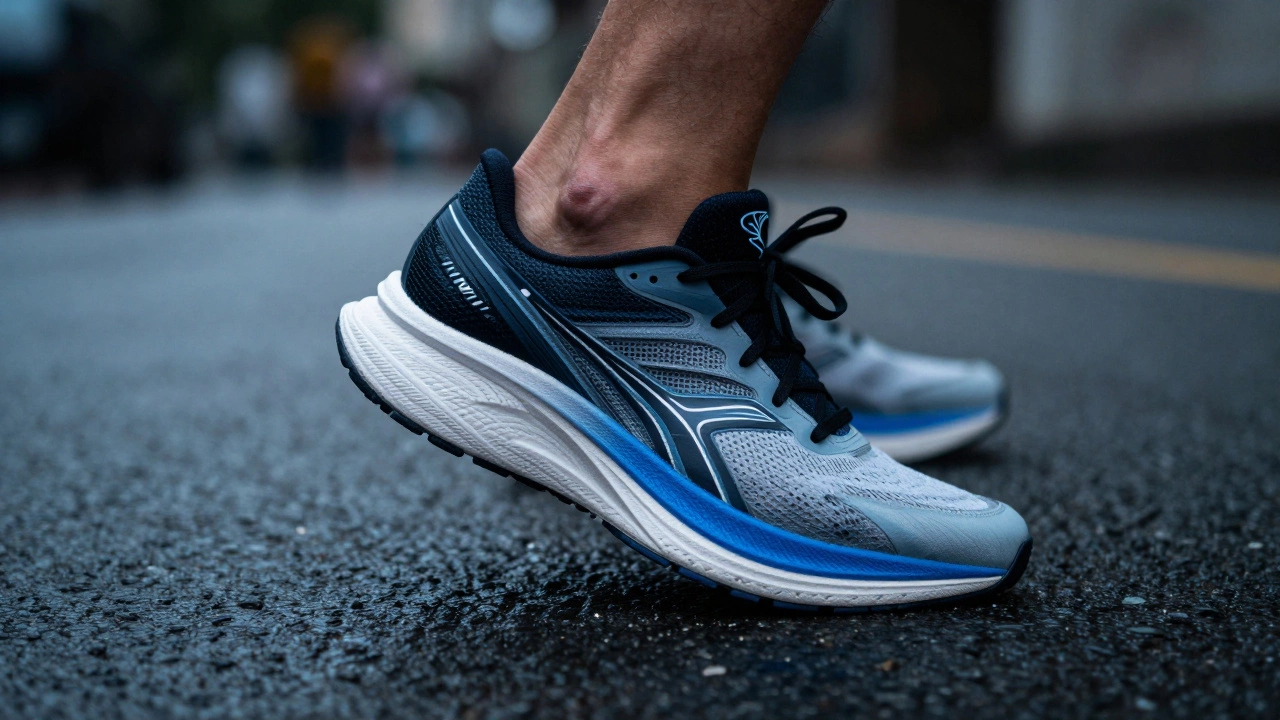
Are stability running shoes okay for running? We break down the truth about overpronation, the best stability models for 2026, and why you might need them to prevent knee and shin pain.
Are stability running shoes okay for running? We break down the truth about overpronation, the best stability models for 2026, and why you might need them to prevent knee and shin pain.
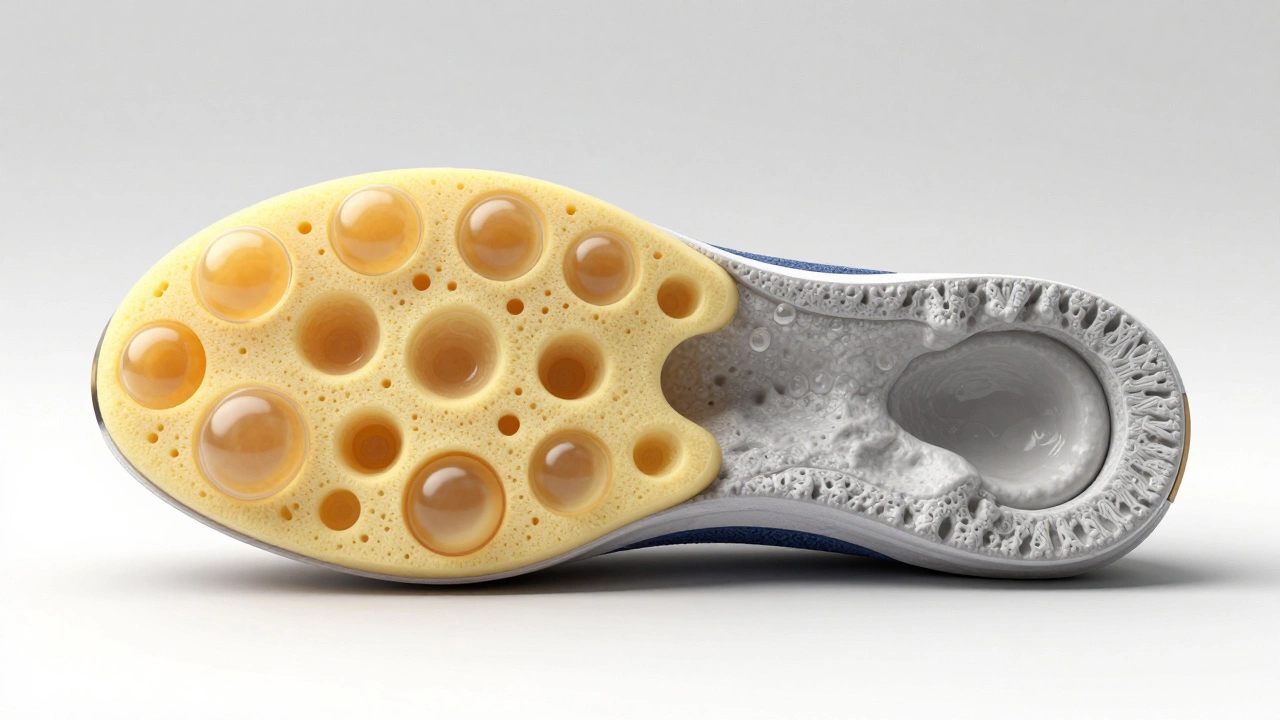
Learn exactly when to replace your running shoes to prevent injury. We explain the 300-500 mile rule, visual wear signs, and how body weight affects shoe lifespan.

Explore whether running a marathon every year is healthy. We analyze physical risks, cardiovascular impacts, mental burnout, and recovery strategies to help you decide if annual marathons fit your lifestyle.
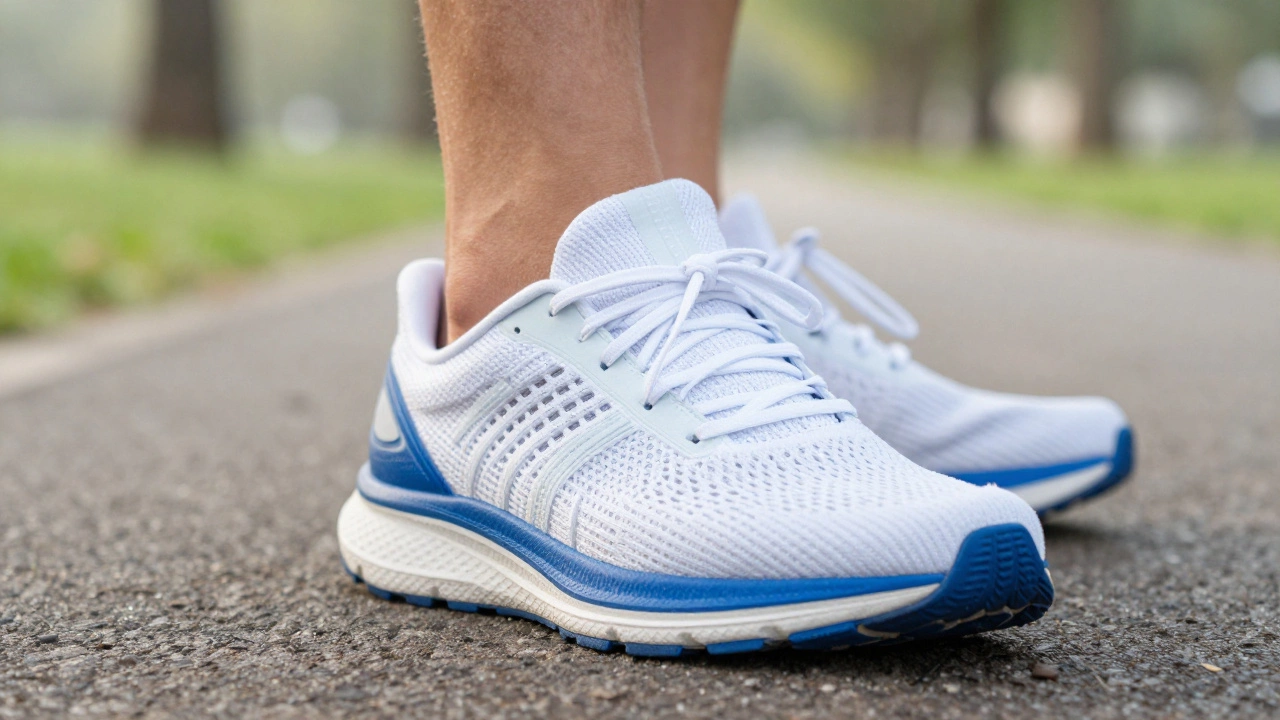
Find out why you should buy running shoes a half size bigger to prevent blisters and black toenails. Learn the thumb test, brand differences, and how to fit wide feet correctly.
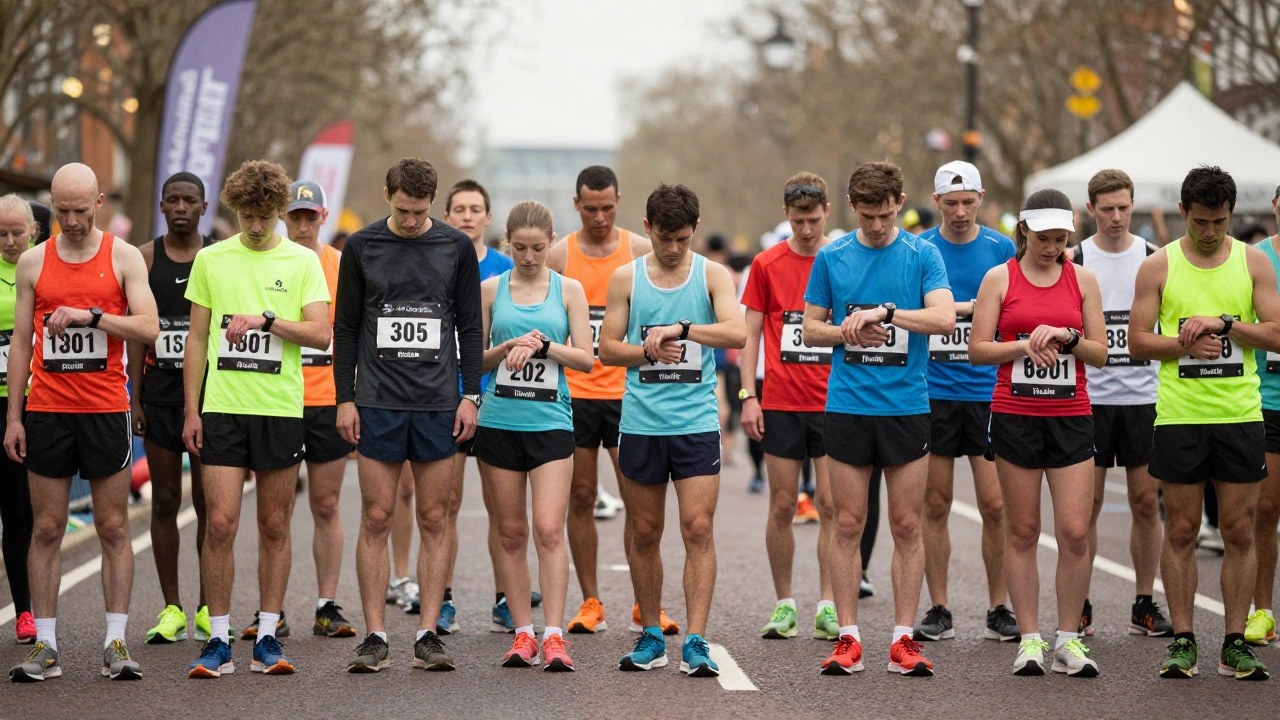
Is a 4 hour marathon realistic? Yes! Learn the math, training tips, and mental strategies to achieve this popular beginner goal safely and successfully.
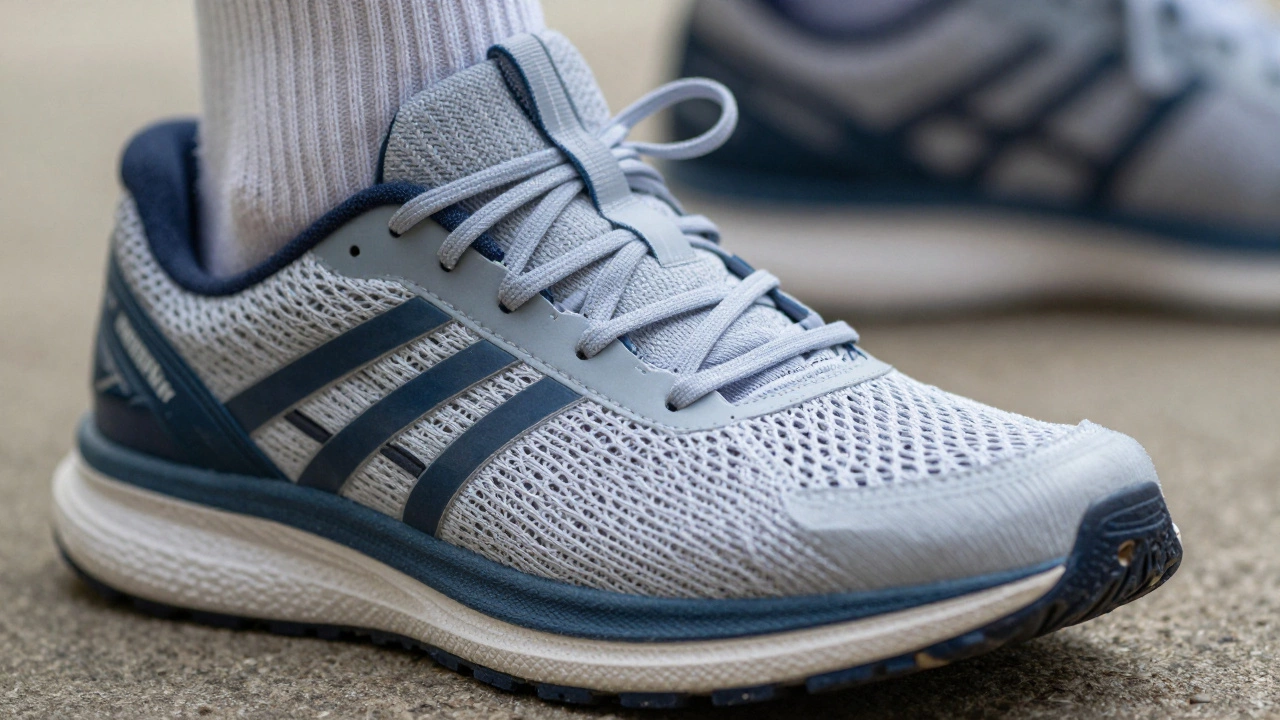
Learn how to pick the perfect running shoe size to prevent injuries and improve comfort. Discover why running sizes differ from casual shoes, how to measure your feet accurately, and the essential thumb rule for fit.
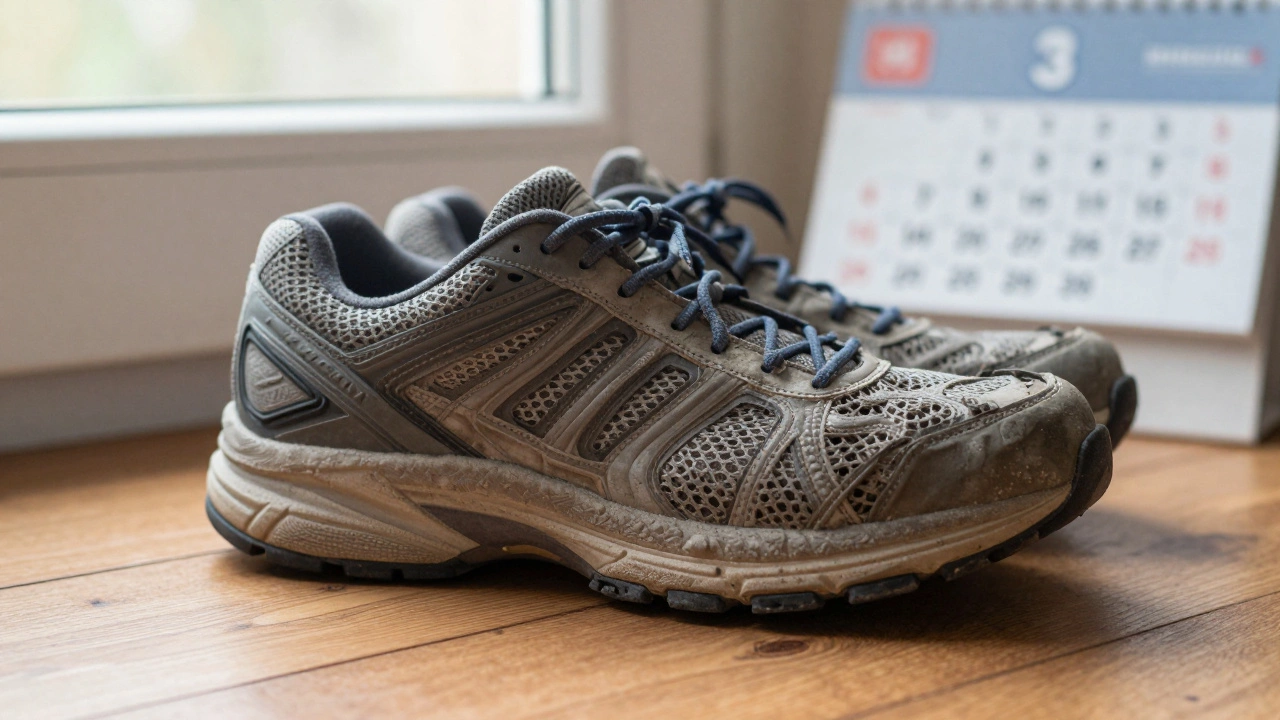
Discover whether it's safe to walk in old running shoes. Learn how to inspect for wear, understand material degradation, and decide when to replace your footwear for optimal foot health and comfort.
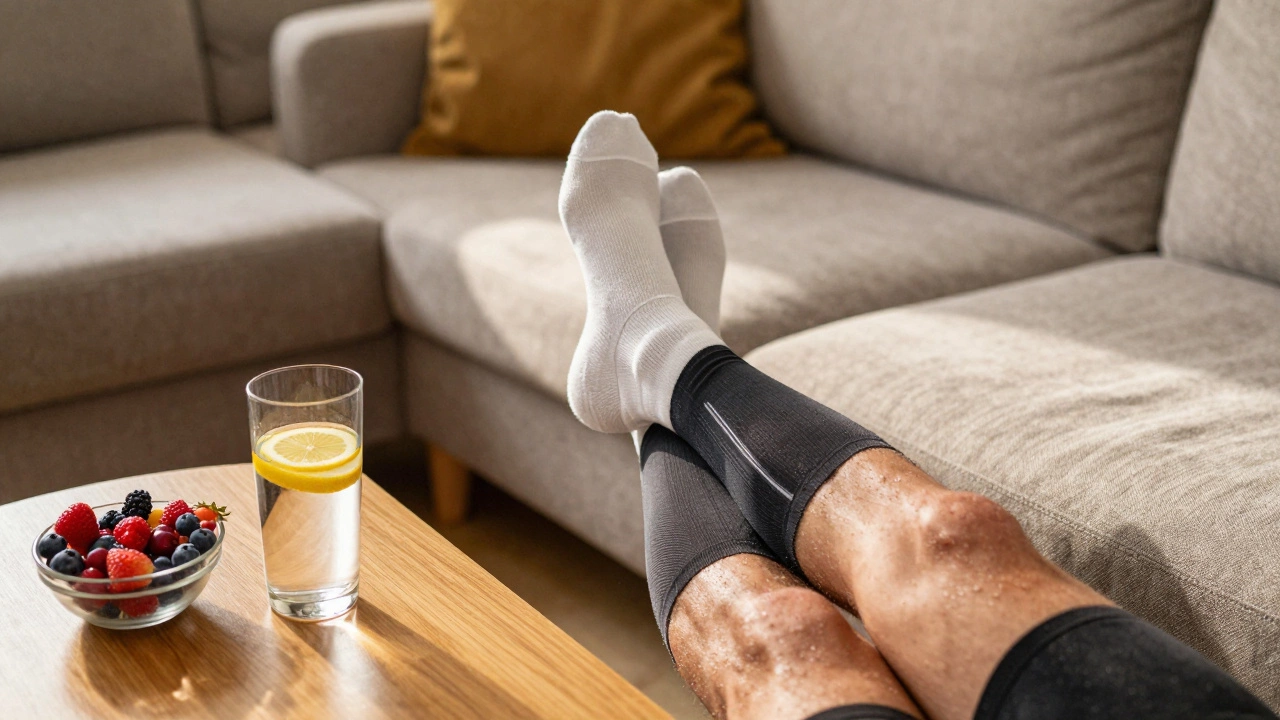
Wondering when to run again after 26.2 miles? Learn the realistic marathon recovery timeline, from initial muscle repair to full systemic recovery.

Discover why mile 20 is the hardest part of a marathon, how the 'wall' works physiologically, and the mental strategies needed to finish 26.2 miles.
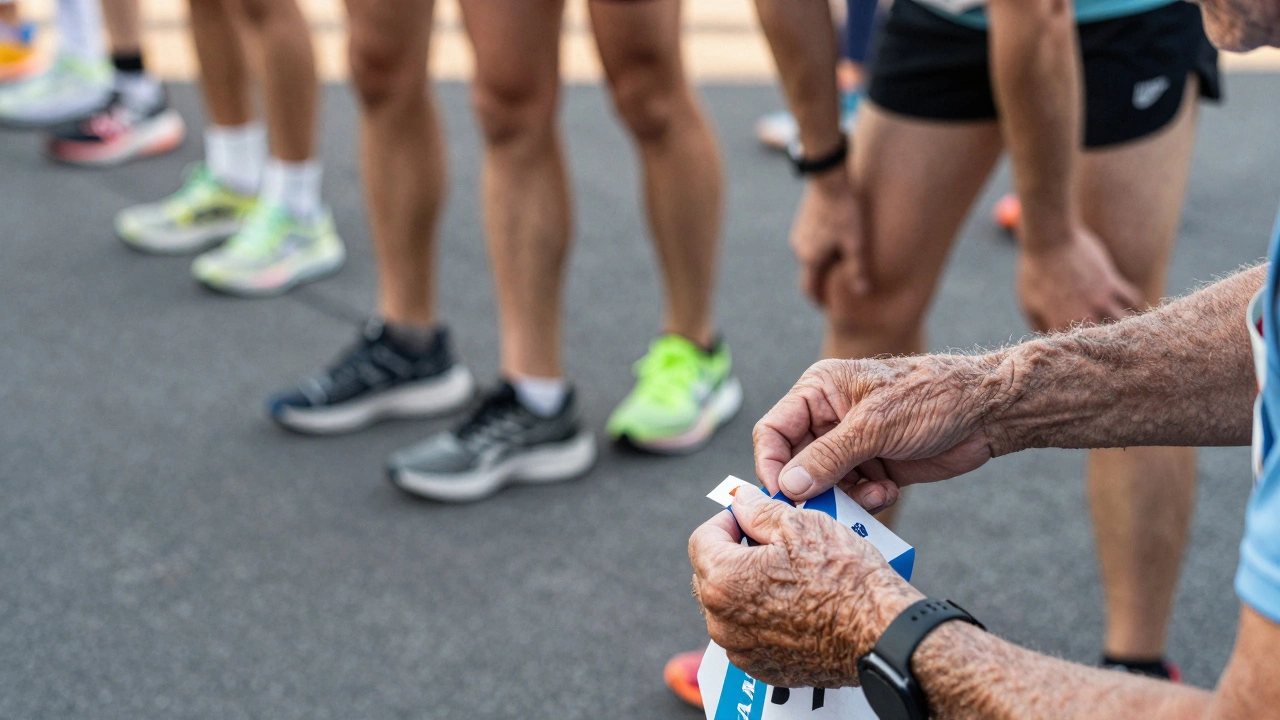
Discover the incredible stories of the oldest marathon runners and learn how senior athletes maintain endurance and health into their 80s and 90s.

A realistic first marathon time for most beginners is between 4 and 5 hours. With consistent training, proper pacing, and smart fueling, you can finish strong without burning out. Learn how to set a goal that matches your experience and avoid common mistakes.

Goggins didn't run 100 miles without training - he trained for over a year. The myth is dangerous. Here's what he actually did, and how you can build real endurance without burning out.